

Knowing how to choose a heating and air conditioning contractor can save you thousands of dollars and prevent headaches down the road. Whether your AC is dying in July or your furnace quits in January, you need someone reliable, qualified, and honest working on your HVAC system. This isn’t like hiring someone to paint your garage—your comfort and safety depend on getting it right.
Table of Contents
Verify Licensing and Certifications
This is non-negotiable. Before you even schedule a consultation, ask for proof that your contractor holds the proper state licensing. HVAC work requires specific certifications—typically an EPA Section 608 certification for handling refrigerants, which is federal law. Don’t just take their word for it; ask to see the actual license and certification documents. You can verify licensing through your state’s contractor licensing board or your local Better Business Bureau. A legitimate contractor won’t hesitate to show you these credentials. If they get defensive or vague, that’s your cue to keep looking. Licensed contractors understand the codes, follow safety protocols, and carry liability insurance to protect you if something goes wrong.
Check Insurance and Bonding
A reputable heating and air conditioning contractor carries general liability insurance and workers’ compensation coverage. This protects you if someone gets injured on your property or if your home gets damaged during the work. Ask for proof of current insurance and verify it directly with their insurance company—don’t just accept a business card or a copy they hand you. Bonding is another layer of protection; it’s like a financial guarantee that the contractor will complete the job properly. If they don’t, the bonding company compensates you. Some states require HVAC contractors to be bonded; others don’t, but it’s a sign of professionalism when they carry it anyway. This is similar to how you’d want assurance before making any major home investment, like when you’re researching how much it costs to paint a house—you want qualified professionals.
Read Real Customer Reviews
Google reviews, Yelp, Angie’s List, and the Better Business Bureau are your friends. Look for patterns in reviews, not just one or two comments. If multiple people mention the same problem—like showing up late, hidden charges, or sloppy work—that’s a warning sign. Pay attention to how contractors respond to negative reviews. Do they get defensive, or do they try to resolve the issue? A contractor who takes criticism seriously and works to fix problems shows integrity. Read the detailed reviews, not just the star ratings. Vague five-star reviews can be fake, but specific comments about punctuality, professionalism, and workmanship tell you what to expect. Check reviews from the past year or two; older feedback might not reflect current service quality.
Get Multiple Quotes
Never hire the first contractor you call. Get quotes from at least three different companies. A proper quote should be detailed—it lists the exact work being done, the parts and labor costs, the timeline, and the warranty. If one quote is drastically lower than the others, ask why. Sometimes it means they’re cutting corners or planning to upsell you later. Sometimes it means they’re efficient. Ask questions to understand the difference. When comparing quotes, make sure you’re comparing the same work. One contractor might recommend replacing your entire system while another suggests repairs—those aren’t comparable quotes. Use quotes as a tool to understand your options and pricing, not just as a way to find the cheapest option.
Ask About HVAC Experience
How long has the contractor been in business? Do they specialize in HVAC, or do they do plumbing, electrical, and everything else? Specialists typically have deeper knowledge and better outcomes. Ask about their experience with your specific system type—whether it’s a heat pump, a traditional furnace and AC unit, a ductless mini-split, or something else. If your home has an older or less common system, you want someone who’s worked on similar equipment. Don’t be shy about asking for references from recent jobs. A confident contractor will provide them. Call those references and ask specific questions: Did the work get done on time? Were there surprise costs? Would you hire them again? Real homeowners give honest feedback that you won’t find in online reviews.
Understand Warranty Coverage
HVAC equipment typically comes with a manufacturer’s warranty—usually 5-10 years on parts, depending on the equipment. But the contractor’s workmanship warranty is separate and equally important. Ask what they guarantee about their installation or repair work. Do they cover labor for a certain period? What happens if something fails within that timeframe? Get the warranty terms in writing. Some contractors offer extended warranties for an extra cost; understand what those cover before deciding. A solid contractor backs their work with at least a 1-year labor warranty on repairs and 5-10 years on new installations. If they won’t put it in writing, that’s a red flag.
Watch for Red Flags
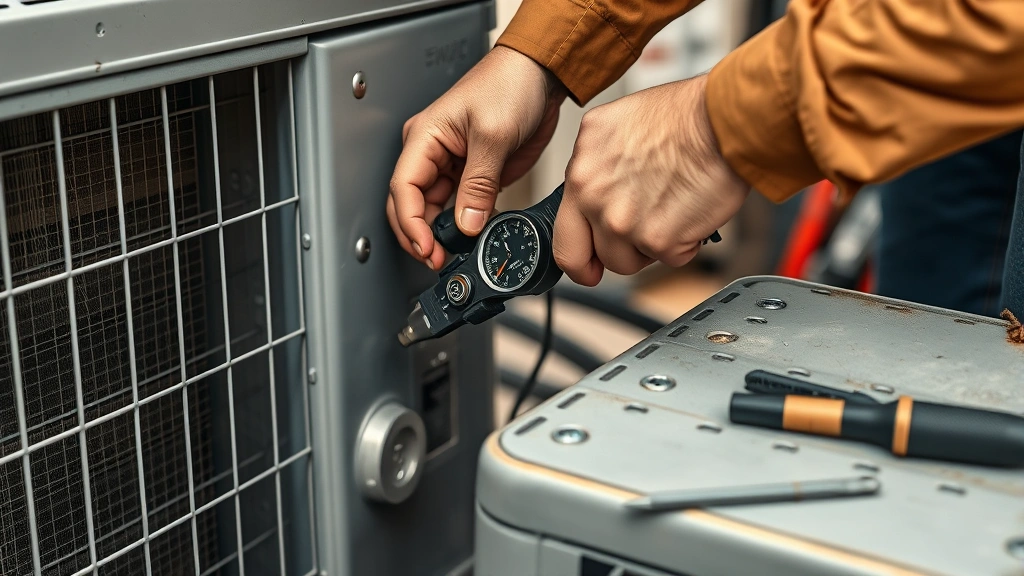
Contractors who pressure you into immediate decisions, quote jobs over the phone without visiting your home, or ask for full payment upfront are problems. Legitimate contractors schedule an in-home assessment, provide written quotes, and accept standard payment terms—usually partial upfront and the balance upon completion. If someone claims your system is dying and you need emergency replacement today, get a second opinion. High-pressure sales tactics are common in HVAC, and many systems can be repaired rather than replaced. Be wary of contractors who can’t explain what they’re doing in language you understand. You should walk away feeling informed, not confused. Also, check whether the contractor is properly registered with your state’s contractor licensing board and the EPA. Unlicensed contractors might be cheaper, but they’re not insured, might not follow code, and you have no recourse if something goes wrong.
Emergency Services Matter
Your AC breaks down on a Saturday in July, or your heat dies on a Sunday in January. That’s when you need a contractor who offers emergency service. Ask about their availability and after-hours rates before you’re in crisis mode. Some contractors charge premium rates for nights and weekends, which is reasonable—technicians work odd hours. Others have 24/7 response teams. Know what you’re signing up for. A contractor who’s been good to work with during routine maintenance is more likely to prioritize you during an emergency. This is why building a relationship with a contractor before you desperately need one makes sense. It’s like having a trusted handyman on speed dial, similar to how you’d want to know reliable resources before tackling projects like how to install a toilet or other home systems.
Making Your Final Decision
After you’ve checked licensing, read reviews, compared quotes, and asked your questions, trust your gut. The best contractor for your job is one who’s qualified, transparent, responsive to your questions, and makes you feel confident in their work. Don’t choose based solely on price. The cheapest option often costs more in the long run through poor workmanship or future problems. A contractor who’s slightly more expensive but clearly knows their stuff and stands behind their work is worth the investment. Once you’ve chosen, keep detailed records of all work performed, warranties, and receipts. These documents protect you and help future buyers if you sell your home.
Frequently Asked Questions
What certifications should an HVAC contractor have?
At minimum, they should have an EPA Section 608 certification for handling refrigerants. Many states require additional licenses specific to HVAC work. Ask to see current certifications and verify them through your state’s licensing board or the EPA’s website. Some contractors also pursue NATE (North American Technician Excellence) certification, which indicates advanced training.
How much should I expect to pay for HVAC service?
Service call costs vary by region and contractor, typically ranging from $100 to $300 just for the visit. Repairs depend on what’s wrong—a simple fix might be $200-500, while major repairs or replacements can cost thousands. Get multiple quotes to understand pricing in your area. Don’t assume the highest price means better quality or the lowest means best value.
Can I trust online reviews completely?
Online reviews are helpful but not the whole picture. Look for patterns across multiple review platforms, not just one or two comments. Pay attention to how contractors respond to negative reviews. Recent reviews are more relevant than older ones. Combine online research with personal references from the contractor for a complete picture.
What should a written quote include?
A proper quote lists the specific work being performed, parts and labor costs broken down separately, the timeline for completion, payment terms, and warranty information. If something seems vague or missing, ask for clarification. Never sign a quote you don’t fully understand.
Is it worth getting a second opinion on major repairs?
Absolutely. If a contractor recommends replacing your entire system, get a second or even third opinion. Some contractors profit more from replacements than repairs, so they might recommend replacement when repair is possible. A second opinion costs little compared to the potential savings.
What’s the difference between a heat pump and a traditional AC unit?
A heat pump heats and cools your home by moving heat rather than generating it, making it more efficient in many climates. A traditional AC unit only cools; you need a separate furnace for heating. Ask your contractor which system makes sense for your climate and home. For more on understanding home systems, check out resources on maintaining home equipment to get a sense of proper upkeep.
Should I replace my HVAC system if it’s still working?
Not necessarily. If your system is over 15-20 years old, efficiency drops significantly, and replacement might save money long-term through lower energy bills. But if it’s 10 years old and working fine, repairs are usually the better choice. Ask your contractor for an honest assessment—not a sales pitch.


