
Understanding how to chicken eggs become fertilized is essential for anyone raising backyard chickens or interested in poultry reproduction. Unlike the eggs you buy at the grocery store, fertilized eggs contain the potential to develop into chicks—but this process requires specific conditions and knowledge that most casual chicken keepers don’t fully grasp. Whether you’re a hobbyist farmer or someone curious about where your breakfast comes from, this guide breaks down the biological mechanics and practical steps involved in chicken egg fertilization.
Table of Contents
The Rooster’s Essential Role
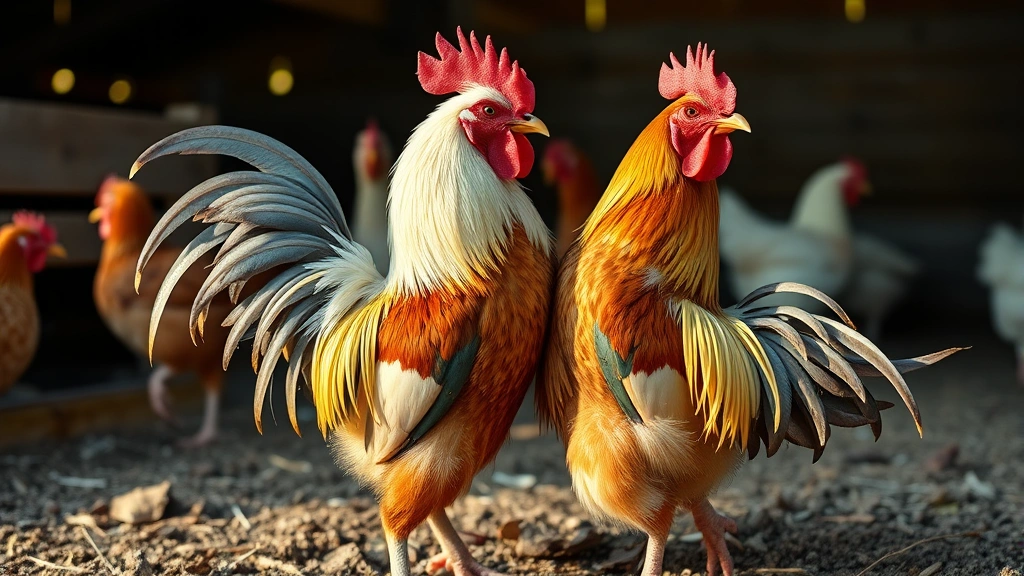
Let’s start with the obvious: you need a rooster. Without one, your hens will lay eggs regularly, but those eggs will never develop into chicks. A rooster’s primary job is to fertilize the hen’s eggs through mating. Think of him as the biological catalyst that makes the whole reproduction cycle possible. One rooster can typically fertilize eggs from 8-10 hens, so you don’t need a massive flock to get started.
The rooster carries sperm in his reproductive system and transfers it to the hen during mating. This isn’t a one-time event either—roosters mate with hens repeatedly throughout the breeding season, ensuring multiple opportunities for fertilization. If you’re serious about hatching chicks, invest in a healthy, active rooster with good genetics.
Understanding the Mating Process
Chicken reproduction involves a fascinating biological dance that happens quickly—usually in just a few seconds. When a rooster is ready to mate, he performs a distinctive courtship ritual, lowering one wing and circling the hen. If the hen is receptive, she’ll squat down, allowing the rooster to mount her.
During mounting, the rooster transfers sperm to the hen through a single opening called the cloaca. The entire process is remarkably efficient, lasting only 2-3 seconds. The rooster’s sperm then travels through the hen’s reproductive tract to reach the ovum. This is where the actual fertilization occurs—when sperm meets egg inside the hen’s body, before the egg even gets its shell.
For consistent fertilization rates, you want a rooster-to-hen ratio that keeps him active but not exhausted. Too many hens wearing down one rooster reduces fertilization success. Conversely, too few hens means wasted potential. The sweet spot is usually one rooster per 8-10 hens, depending on the breed and individual bird vigor.
How Hens Store Sperm
Here’s something that blows most people’s minds: hens can store sperm. After mating, a hen’s reproductive system stores the rooster’s sperm in specialized structures called sperm storage tubules. This means a single mating event can result in fertilized eggs for weeks afterward—sometimes up to three weeks or longer, depending on conditions.
This sperm storage capability is why you might see fertilized eggs even if you remove the rooster from your flock. The hen’s body gradually uses up the stored sperm, so fertilization rates typically decline over time. If you want consistent fertilization, keep the rooster in the flock year-round or rotate him in regularly.
Environmental factors affect sperm storage efficiency. Stress, poor nutrition, extreme temperatures, and inadequate lighting all reduce how long hens can maintain viable sperm. Keep your flock comfortable, well-fed, and in good health, and you’ll maximize fertilization success. This is also why feeding your flock quality nutrition matters—it directly impacts reproductive function.
Egg Formation After Fertilization
The actual fertilization happens inside the hen’s body, but the visible egg development follows a predictable timeline. After sperm fertilizes the ovum, the embryo begins developing immediately. As it develops, the egg accumulates yolk, albumen (egg white), membranes, and finally the shell over approximately 24-26 hours.
By the time the egg is laid, the embryo has already started dividing into multiple cells. If you crack open a freshly laid fertilized egg and look closely at the yolk, you’ll see a tiny white spot called the blastoderm—that’s the developing embryo. This is what eventually becomes a chick if the egg is incubated properly.
The entire process from ovulation to egg-laying takes about 24 hours. Hens typically lay one egg per day, and the timing is fairly consistent if they’re on a regular light cycle. Most backyard hens lay eggs in the morning, having formed them overnight.
Timing Matters in Reproduction
Seasonal timing dramatically affects fertilization rates. Chickens are naturally seasonal breeders, with peak fertility during spring and early summer when daylight hours increase. As days get shorter in fall and winter, fertility drops significantly. This is why many chicken keepers use supplemental lighting during winter months if they want consistent egg production and fertilization.

Temperature also plays a role. Extreme heat stresses birds and reduces sperm viability, while cold temperatures make roosters less active. The optimal temperature range for good fertility is between 55-75°F. When it gets too hot, roosters become sluggish and less interested in mating. When it’s too cold, they conserve energy and mate less frequently.
Additionally, the hen’s age affects fertilization success. Young pullets (first-year hens) and roosters in their prime years produce the best results. As birds age, fertility naturally declines. If you’re serious about hatching chicks, plan your breeding program around younger, vigorous birds during the optimal seasons.
Signs Your Eggs Are Fertilized
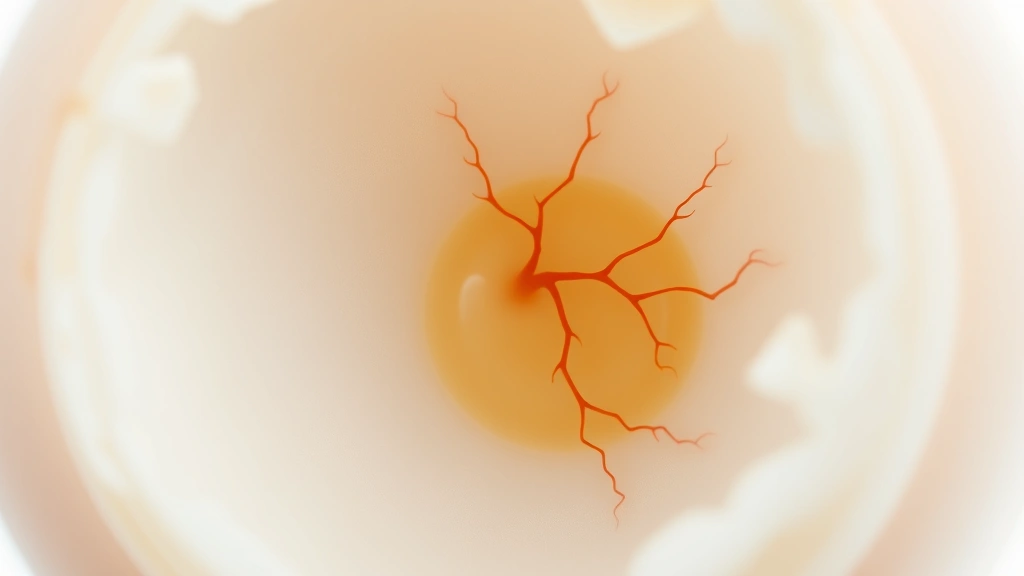
You can’t tell if an egg is fertilized just by looking at the shell. The only reliable way to check is by candling—holding the egg up to a bright light and looking inside. With a candled fertilized egg, you’ll see blood vessels developing around the yolk after 3-4 days of incubation. Unfertilized eggs show just a clear yolk with no blood vessel development.
Some people claim they can spot fertilized eggs by the shape, size, or color of the shell, but these are myths. The only visual difference between fertilized and unfertilized eggs is internal. If you’re serious about incubating eggs, invest in a candler—they’re inexpensive and invaluable for monitoring development.
Fresh fertilized eggs stored at room temperature for a few days won’t show obvious signs yet. The embryo is developing, but it’s microscopic. Once incubation begins and warmth activates development, blood vessels become visible within days. This is your confirmation that the egg was indeed fertilized before incubation started.
Incubation Basics for Success
Once you have fertilized eggs, successful incubation requires precise temperature, humidity, and turning. The ideal incubation temperature is 99.5°F (37.5°C) for a forced-air incubator or 101-102°F (38.3-38.9°C) for a still-air incubator. Even small temperature fluctuations can kill embryos or cause developmental problems.
Humidity must stay between 40-50% for the first 18 days, then increase to 65-75% for the final three days (lockdown). Too much humidity and embryos drown; too little and they dry out. Using a hygrometer to monitor humidity is essential for consistent hatching success.
Eggs need turning at least 5-7 times daily during the first 18 days of incubation. Automatic egg turners make this much easier than hand-turning. On day 18, stop turning and increase humidity—this is called lockdown. The chick needs to position itself properly inside the egg to pip (break through) the shell.
For more detailed guidance on nutrition and care during this period, check out preservation techniques to understand how environmental factors affect biological processes. The principles of controlling conditions apply to both food storage and egg incubation.
Common Mistakes to Avoid
New chicken keepers make predictable errors when attempting fertilization and incubation. The biggest mistake is not having a healthy rooster. A sick or poorly-conditioned rooster won’t mate effectively, resulting in low fertilization rates. Keep your rooster in top condition with good nutrition, clean housing, and minimal stress.
Another common error is storing eggs improperly before incubation. Fertilized eggs should be stored at 55-65°F (13-18°C) with humidity around 75%. Storing them too warm activates development prematurely; storing them too cold can kill the embryo. Don’t store fertilized eggs in the refrigerator—that’s too cold. Keep them in a cool room or basement instead.
Poor incubation conditions cause most hatching failures. People often use cheap incubators with unreliable temperature control or forget to monitor humidity. Invest in a decent incubator and use a thermometer and hygrometer to verify conditions. Temperature swings of even 2-3 degrees can drastically reduce hatch rates.
Finally, don’t candle excessively or roughly handle eggs. Every time you open the incubator, temperatures drop. Excessive candling increases the risk of contamination and embryo damage. Candle gently and only when necessary—typically at days 7, 14, and 18 of incubation.
Frequently Asked Questions
Can hens lay fertilized eggs without a rooster present?
No. Hens lay eggs regardless of whether a rooster is present, but those eggs won’t be fertilized. Fertilization requires the rooster’s sperm. However, if a rooster was present recently, stored sperm can fertilize eggs for 2-3 weeks after he’s removed.
How long does sperm storage last in hens?
Hens can store viable sperm for 2-3 weeks, sometimes longer under ideal conditions. Fertilization rates typically peak in the first week after mating and gradually decline as stored sperm is used up.
What temperature kills chicken embryos?
Temperatures below 85°F or above 105°F for extended periods are dangerous. Embryos are most sensitive during the first week of incubation. Even brief temperature spikes above 104°F can cause permanent damage or death.
Why aren’t my eggs hatching?
Common causes include incorrect temperature or humidity, poor egg storage before incubation, infertile eggs, improper turning, or contamination. Start by verifying your incubator’s temperature accuracy with a reliable thermometer. Check humidity with a hygrometer. Candle eggs at day 7 to confirm development is occurring.
Do I need a rooster for hens to lay eggs?
No. Hens lay eggs daily whether or not a rooster is present. You only need a rooster if you want fertilized eggs that can hatch into chicks. For regular egg production, roosters are optional.
Can different chicken breeds interbreed?
Yes, most chicken breeds can interbreed successfully. However, mixing breeds can produce unpredictable results in terms of size, color, egg production, and temperament. For consistent results, keep breeds separate or breed intentionally with a specific goal in mind.
Final Thoughts
Understanding how chicken eggs become fertilized combines biology, timing, and practical management. From the rooster’s role in mating to the hen’s remarkable ability to store sperm, nature has designed an efficient reproduction system. The key to success is maintaining healthy birds, providing optimal environmental conditions, and following proven incubation practices.
Whether you’re hatching a few chicks for fun or building a breeding program, remember that fertilization is just the beginning. The real work starts once you have fertilized eggs and need to incubate them properly. Start with quality birds, keep detailed records, and don’t hesitate to troubleshoot when things don’t go as planned. Resources like Family Handyman and This Old House offer broader homesteading guidance, while Bob Vila covers practical problem-solving techniques applicable to chicken keeping.
The satisfaction of watching chicks hatch from eggs you’ve managed from fertilization through incubation is worth the effort. Take your time, learn from mistakes, and you’ll develop the skills to consistently produce healthy chicks year after year.


