
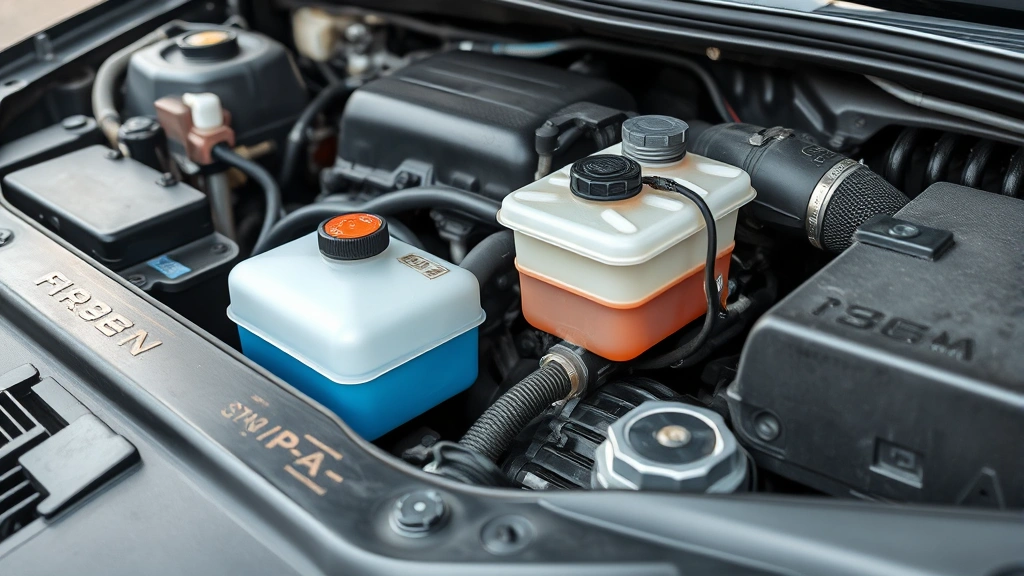
Learning how to check power steering fluid is one of those essential car maintenance tasks that takes just minutes but saves you from expensive repairs down the road. Your power steering system is what makes turning the wheel feel effortless—without proper fluid levels, you’re looking at a stiff, dangerous steering experience. Let me walk you through this simple process that any car owner can handle.
Table of Contents
Why Check Power Steering Fluid?
Your power steering system relies on pressurized fluid to transmit force from your steering wheel to the wheels. When fluid levels drop, you lose that hydraulic advantage—suddenly your car feels like you’re driving a tank from 1945. Low power steering fluid can damage the pump, cause leaks, and make steering dangerously difficult.

Think of it like checking your oil. It’s preventative maintenance that costs nothing but a few minutes of your time. Regular checks catch problems before they become expensive headaches. Most manufacturers recommend checking power steering fluid at least once a year, though some suggest every oil change interval.

Gather Your Supplies
Here’s the beautiful part—you need almost nothing. Grab:

- Clean paper towels or lint-free cloth
- The correct power steering fluid for your vehicle (check your owner’s manual)
- A small funnel (optional but helpful)
- Your car’s owner’s manual
That’s it. No special tools, no expensive equipment. This is truly a five-minute job if you’re organized. I keep a small bottle of the correct fluid in my garage year-round because you never know when you’ll need it.
Locate the Reservoir
Pop your hood and look for a translucent plastic reservoir with a twist-off cap. It’s usually labeled with a steering wheel symbol or says “Power Steering Fluid.” Most vehicles have it mounted near the engine block, often on the driver’s side. Check your owner’s manual if you’re stumped—different manufacturers put it in different spots.

Some older vehicles have metal reservoirs that are harder to see through, but they work the same way. The key is finding it before you need it. Take a photo with your phone for reference—future you will appreciate it when you’re checking fluid in a parking lot.
Pro tip: Make sure your engine is cold or has been off for at least five minutes. Checking hot fluid gives false readings and can burn your hands. I learned that lesson the hard way.

Check the Fluid Level
Twist off the cap and look at the reservoir. Most have minimum and maximum fill lines marked on the side. The fluid should be between these lines when your engine is cold. If it’s below the minimum, you’ve found your problem.
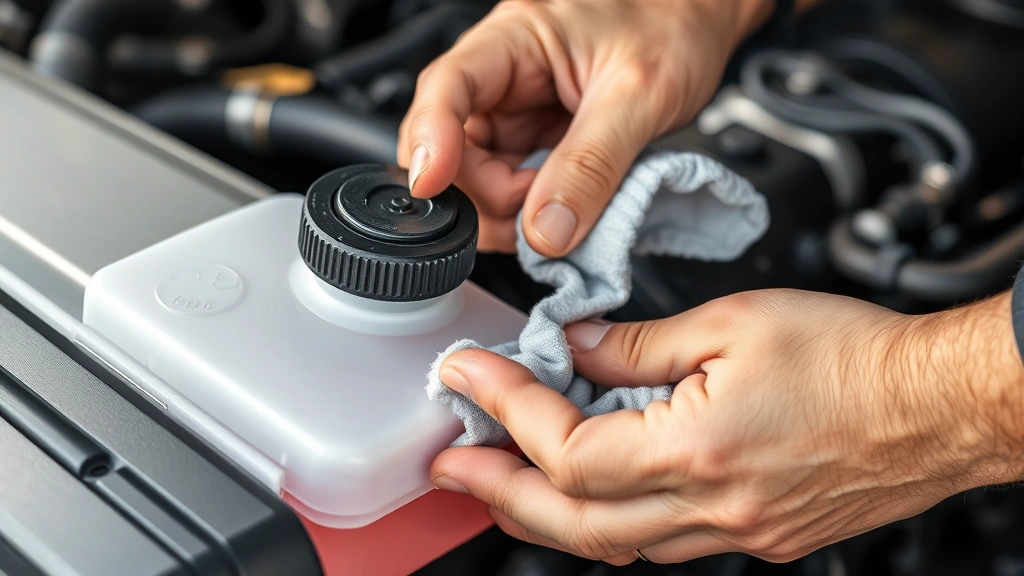
Some reservoirs have a dipstick attached to the cap—pull it out and wipe it clean with a paper towel. Reinsert it fully, then pull it back out to check the level. The fluid should reach the “full” or “max” mark on the stick. This is the same principle as checking engine oil, so if you’ve done that before, you’re already familiar.

Don’t overfill it. Too much fluid creates pressure problems and can damage seals. Stick to the maximum line—that’s where engineers designed it to be.

Inspect Fluid Condition
While you’re looking at the fluid, check its color and clarity. Healthy power steering fluid should be bright red, pink, or amber depending on the brand—check your manual for your vehicle’s specific color. If it looks dark brown or black, that’s a red flag.

Discolored fluid means contamination or breakdown. Cloudy or milky fluid suggests water contamination, which is serious. Fluid that smells burnt indicates overheating issues in the system. These aren’t just cosmetic problems—they mean your power steering system is struggling.

If the fluid looks questionable, plan a full system flush. This is something a professional should handle, similar to how to program complex automotive systems—it requires proper equipment and knowledge. Don’t ignore warning signs.

Add Fluid Properly
If your fluid level is low, add the correct type slowly. Use a funnel to avoid spills—power steering fluid stains and is toxic. Pour gradually while watching the level. Stop when you reach the maximum line.
Here’s where people mess up: they overfill thinking more is better. It’s not. Overfilled reservoirs cause seal leaks and system damage. The engineers marked those lines for a reason. Fill to the maximum, not beyond.

After adding fluid, replace the cap securely and start your engine. Turn the steering wheel fully left and right several times while parked. This circulates the new fluid through the system. Then check the level again after the engine cools—it may have dropped slightly as the fluid circulates.

Signs Something’s Wrong
If you’re checking fluid more than twice a year, something’s leaking. Look under your car for puddles—power steering fluid is distinctive and stains concrete. Check hoses and connections for visible leaks. Small drips mean a professional inspection is due soon.

Listen for whining noises when you turn the wheel, especially at full lock. That sound indicates low fluid or pump problems. Stiff steering that’s hard to turn is another obvious sign—don’t ignore it. Difficulty steering is a safety issue.

Burning smells from the engine bay suggest the fluid is overheating. This could mean a failing pump or blocked hoses. These aren’t maintenance items anymore—they’re safety concerns requiring immediate professional attention.

Maintenance Schedule Tips
Mark your calendar to check power steering fluid every six months or with your oil changes. It takes five minutes and prevents major problems. Keep notes of your fluid level—if it drops consistently, you have a slow leak that needs attention.
Your owner’s manual might recommend a full system flush every 50,000 to 100,000 miles. Follow that schedule. Flushing removes contaminated fluid and keeps the system running smoothly. It’s preventative maintenance that costs far less than replacing a failed pump.
Store the correct fluid in your garage. When you finally need it—and you will—you’ll have it on hand. This is basic preparedness, like keeping proper maintenance supplies for any system in your home.
Frequently Asked Questions
How often should I check power steering fluid?
Check it every six months or whenever you change your oil. Most vehicles need checking once or twice yearly, but if you notice leaks, check monthly. Consistency matters more than frequency—track your levels over time.
Can I use any power steering fluid?
No. Always use the fluid specified in your owner’s manual. Different vehicles require different formulations—Mercon, Dexron, synthetic, or specific OEM fluids. Using the wrong type can damage seals and the pump. When in doubt, ask your mechanic or check the manual.
What if my power steering fluid is dark or dirty?
Dark fluid indicates contamination or breakdown. This requires a professional system flush, not just topping off. Don’t ignore discolored fluid—it’s a symptom of a larger problem. Schedule a service appointment soon.
Why is my power steering fluid leaking?
Leaks come from worn hoses, loose connections, or a failing pump seal. Small leaks might just need tightening, but larger ones require professional repair. Never ignore a leak—it’ll only get worse and eventually leave you without power steering.
Is power steering fluid toxic?
Yes, it’s toxic to humans and harmful to the environment. Never pour it down the drain. Dispose of old fluid at an auto parts store, service center, or hazardous waste facility. Keep it away from skin and eyes—wear gloves when handling.
Can low power steering fluid damage my car?
Absolutely. Driving with low fluid damages the pump, causes leaks, and makes steering difficult or impossible. Continuing to drive on a low reservoir can result in complete system failure, leaving you unable to steer safely. Check it regularly and top off as needed.
Final Thoughts
Learning how to check power steering fluid is one of the easiest maintenance tasks you can do. Five minutes of your time, zero special skills required, and you’re preventing expensive repairs. Make it a habit—check it with your oil changes and keep notes of what you find.
Your power steering system is critical to safe driving. Keeping it properly maintained is just smart car ownership. When you catch problems early, you save money and headaches. That’s the real value of basic maintenance checks.
For more comprehensive guides on maintaining your systems, check out how to connect printer to computer for digital documentation, or explore how to hide windows taskbar to keep your workspace organized while you’re researching vehicle maintenance. And if you’re interested in other home and vehicle maintenance topics, how to clean iPhone speaker shows similar preventative care principles apply everywhere.


