
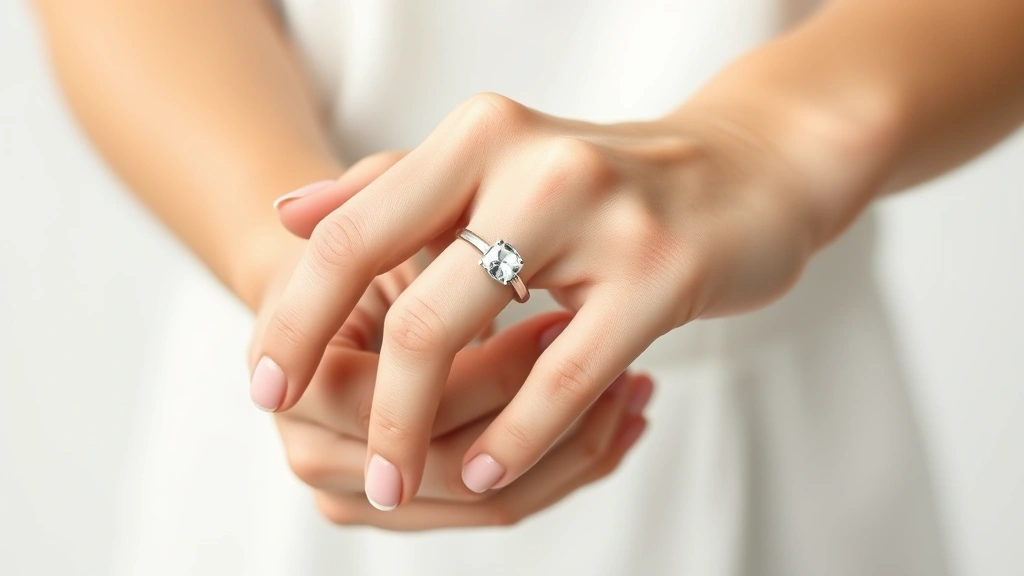
Learning how to check my ring size doesn’t require a trip to the jeweler—you can measure accurately right at home using everyday tools and a few simple techniques. Whether you’re buying an engagement ring, replacing a lost favorite, or just curious about your size, these five methods will get you precise results in minutes.
Table of Contents
The String Wrapping Method
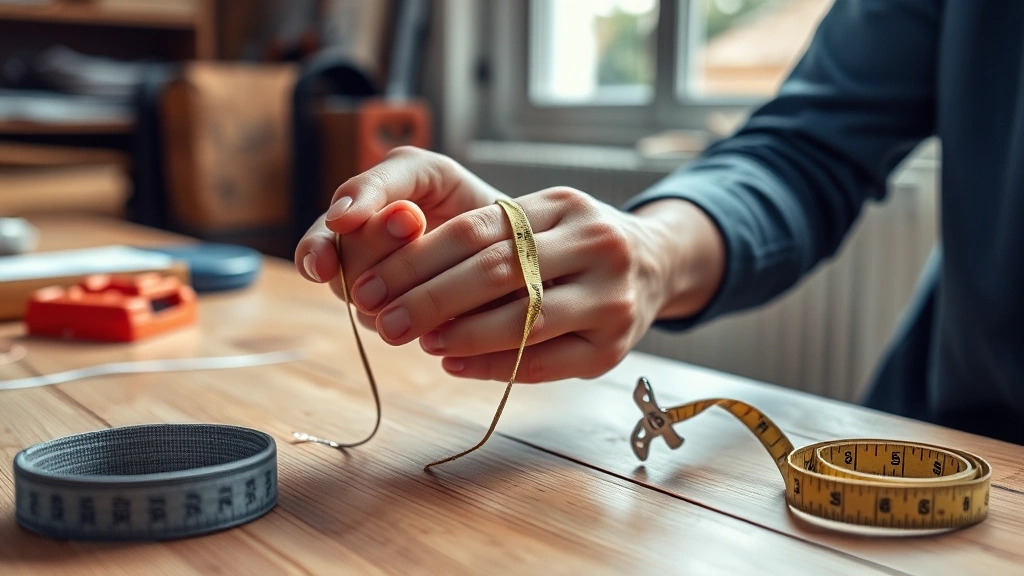
This is the most straightforward approach to checking your ring size at home. Grab a piece of string, thread, or even dental floss—something flexible that won’t stretch. Wrap it snugly around the base of your finger (usually your ring finger, but measure whichever finger you plan to wear the ring on). The fit should be comfortable but not loose; you want to slide it off with a bit of resistance, mimicking how a properly fitted ring should feel.
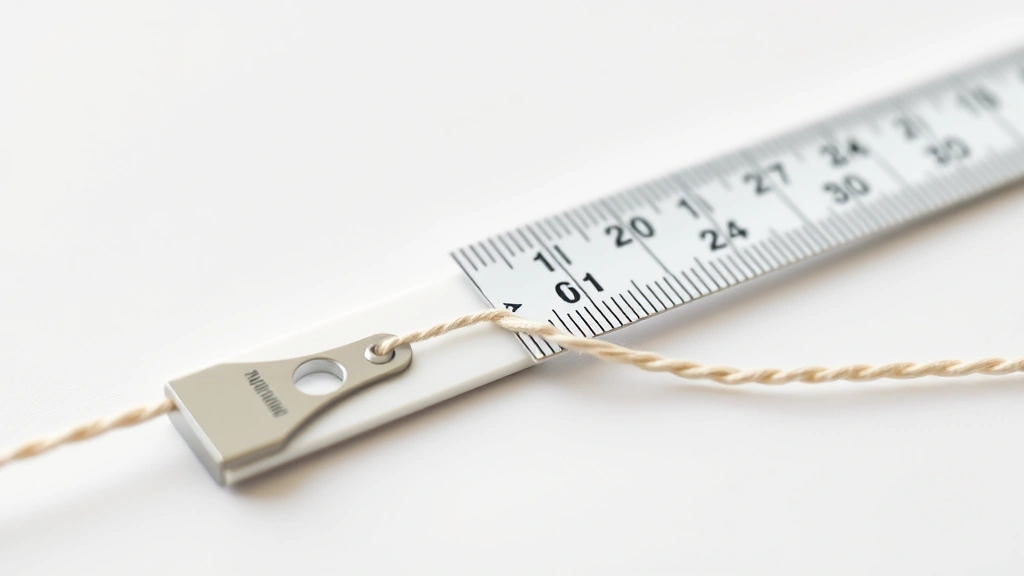
Mark where the string overlaps with a pen, then lay it flat on a ruler and measure the length in millimeters. Write down this number—you’ll convert it to your ring size in a moment. Pro tip: measure your finger at the end of the day when it’s slightly swollen, and measure multiple times to ensure consistency. Temperature and time of day affect finger size, so if you’re getting different measurements, take the average.
Paper Strip Technique
Don’t have string handy? A simple strip of paper works just as well. Cut a narrow strip from a piece of printer paper or notebook paper—about half an inch wide and several inches long. Wrap it around your finger at the base, just like you would with string, making sure it’s snug but comfortable. You should be able to slide it off with gentle pressure.
Mark the overlap point with a pen, then measure the length against a ruler. This method is surprisingly accurate and gives you a physical reference you can keep. Some people prefer the paper method because you can write notes directly on it—like “ring finger, evening measurement” to track conditions. Keep this paper strip; if you need to order a ring later, you’ll have your measurement documented.
Measuring an Existing Ring
If you already own a ring that fits perfectly, you can measure it directly to determine your size. This eliminates the guesswork of wrapping string around your finger. Place the ring on a flat surface and measure the inside diameter using a ruler, from one inner edge to the opposite inner edge. Measure across the widest point for accuracy.
Once you have the diameter in millimeters, you can use a standard ring size conversion chart to find your size. This method is particularly useful if you’re buying a replacement or a similar style, since you know the fit is already correct. However, keep in mind that ring sizes can vary slightly depending on the width of the band—wider bands sometimes need to be a half-size larger for comfort—so this measurement gives you a solid baseline rather than a definitive answer.
DIY Ring Sizer Tool
You can create a makeshift ring sizer using a piece of paper and some basic math. Print out a ring sizer template from a reputable jewelry website, or draw concentric circles on paper using a compass, each representing a different ring size. Place your existing well-fitting ring over the circles until you find the one that matches the inside diameter. This visual method takes seconds and requires nothing but paper and a ring you know fits.
Alternatively, roll up a piece of paper into a cone shape and slide it onto your finger until it feels snug. Mark where it overlaps, then measure that circumference. The advantage of this method is that you’re measuring around the finger rather than across it, which some people find more intuitive. Either way, you’ll get a measurement you can convert to a standard ring size using any online conversion tool.
Water Displacement Method
This less common but effective technique involves water displacement. Fill a glass with water and note the water level. Drop your finger into the water to the base knuckle and mark the new water level. The difference in water displacement correlates to your finger’s volume, which helps determine ring size. While this method is more complex than string wrapping, it can be useful if you’re having trouble getting consistent measurements with other techniques.
The water displacement method works because ring sizing is ultimately about finding a circumference that fits comfortably. Your finger’s volume gives you another data point to cross-reference. However, this method requires more math and conversion calculations, so it’s best used as a verification step rather than your primary measurement technique. Most people find the string or paper methods faster and equally accurate.
Converting Measurements to Size
Once you have your measurement in millimeters, conversion is simple. The standard formula is: ring size = (circumference in mm ÷ 3.14) – 17. So if your string measured 55mm, the calculation would be (55 ÷ 3.14) – 17 = approximately 0.5, meaning you’d be a size 0.5 or 0.5 wide.
Most ring size charts are available online, and many jewelry retailers provide printable guides. Ring sizes typically range from size 3 to size 13 for women and size 8 to size 14 for men, though custom sizes are available. If your measurement falls between two standard sizes, you can order half-sizes. Keep in mind that different countries use different sizing systems (US, UK, European, etc.), so verify which system you’re using before ordering.
Tips for Maximum Accuracy
Timing matters when measuring your ring size. Fingers swell slightly throughout the day due to activity, temperature, and salt intake, so measure in the evening when your finger is at its largest. This ensures your ring won’t be too loose during normal wear. Avoid measuring right after exercise or on hot days when swelling is at its peak.
Temperature affects the materials you’re using too. Measure at room temperature with materials that won’t stretch or compress. String can stretch over time, so use fresh string for each measurement. If you’re between sizes, opt for the larger size—you can always have a ring resized down, but making it larger is more difficult. Take multiple measurements on different days and average them for the most reliable result. When in doubt, visit a local jeweler for a professional fitting; it takes five minutes and costs nothing.
Mistakes to Avoid
The biggest mistake people make is measuring too loosely. Your string or paper should feel snug—not cutting off circulation, but not sliding freely either. If you can spin the string around your finger easily, it’s too loose. Another common error is measuring with cold fingers; wait until your hands are warm and your fingers are at normal size.
Don’t rely on a single measurement. Take at least three measurements on different days and average them. Avoid measuring right after waking up or after strenuous activity. Some people measure the wrong finger—double-check that you’re measuring the finger you actually plan to wear the ring on, since ring finger size can vary from your pinky or index finger. Finally, don’t trust old measurements from years past; fingers change size over time due to weight changes, age, and other factors. Always measure fresh when you need an accurate size.
Frequently Asked Questions
Can I measure my ring size if I don’t have a ruler?
Yes. You can use a smartphone ruler app, measure against a credit card (which is standard width), or take your string to a store and compare it to their ring sizer. Some jewelry stores will measure you for free even if you’re not buying from them.
Does ring size change over time?
Absolutely. Weight gain or loss, pregnancy, age, and even seasonal temperature changes can affect your ring size. It’s wise to remeasure every few years, especially if you’ve experienced significant life changes.
What if I’m between two sizes?
Order the larger size. It’s easier to resize a ring down than up. You can also request a half-size, which many jewelers offer. If you’re buying online, check the retailer’s return policy in case you need to exchange for a different size.
How tight should a ring fit?
A properly fitting ring should slide over your knuckle with slight resistance and sit snugly at the base of your finger. You should be able to slide a thin piece of paper underneath, but not easily spin the ring around. It shouldn’t leave marks or feel uncomfortable after wearing for hours.
Should I measure both hands?
Yes, if you plan to wear rings on both hands. Most people’s hands are slightly different sizes, so take measurements for each finger you want to ring. Your dominant hand is typically slightly larger.
Can I use a printable ring sizer instead of measuring?
Printable ring sizers work well if your printer is calibrated correctly. However, printer settings can affect sizing accuracy. They’re useful as a backup method, but physical measurements with string or paper are generally more reliable.


