
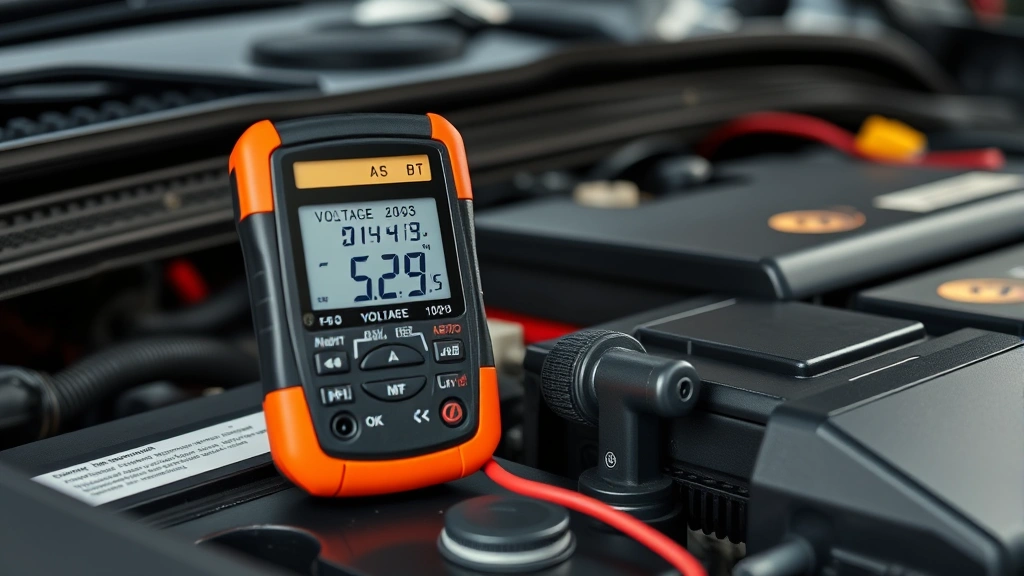
Learning how to check alternator with multimeter is one of the most valuable skills you can have as a car owner. A failing alternator can leave you stranded, but before you shell out $500-1000 at the shop, you can diagnose the problem yourself in about 15 minutes with a basic multimeter. I’ve done this test hundreds of times, and it’s honestly simpler than most people think.
Table of Contents
What Does Your Alternator Do?
Your alternator is basically your car’s electrical power plant. While your battery gets you started, the alternator keeps everything running once the engine fires up. It charges your battery, powers your headlights, runs your AC compressor, and keeps all those electrical systems humming. When it fails, your battery drains faster than you can say “dead battery,” and you’re left with nothing but a paperweight on wheels.
The alternator converts mechanical energy from your engine into electrical energy. If it’s not doing its job, your battery gets depleted, and eventually, your car won’t start. That’s why catching a bad alternator early is crucial.
Signs of a Failing Alternator
Before you grab your multimeter, watch for these red flags. A dimming dashboard, flickering headlights, or a battery warning light on your dash are classic signs. You might also notice your car struggling to start or hear a grinding noise from the serpentine belt area. Some folks describe it as a whining sound that gets worse when you turn on the AC or headlights.
If your interior lights are noticeably dimmer than usual or your power windows move slower than normal, your alternator is probably struggling. These symptoms often appear gradually, so don’t ignore them. The good news is that testing with a multimeter will give you a definitive answer.
Tools You’ll Need
Here’s what you need to gather before you start:
- A digital multimeter (analog works, but digital is easier to read)
- Safety glasses (seriously, protect your eyes)
- Gloves (optional, but nice to have)
- A helper (makes things easier, but not essential)
- Your vehicle manual (handy for specific alternator specs)
A decent digital multimeter costs $15-40 at any auto parts store or online. Get one with a DC voltage setting and an amperage setting if possible. You don’t need anything fancy—basic features are all you need for this job.
Step-by-Step Testing Process
Step 1: Prepare Your Vehicle
Park your car on a level surface and turn off the engine. Pop the hood and let everything cool for a minute if you’ve been driving. You want a cold start for accurate readings. Make sure the battery terminals are clean and corrosion-free—if they’re crusty, clean them first with baking soda and water. A dirty connection will throw off your readings faster than you can blink.
Step 2: Set Your Multimeter to DC Voltage
Grab your multimeter and switch it to DC voltage mode. Most multimeters have a dial with different settings. You want the one marked “V” with a straight line and dots below it (that’s DC voltage). Set it to the 20V range if your multimeter has that option. This setting works perfectly for car electrical systems.
Step 3: Test Your Battery Voltage (Engine Off)
Connect the red probe to the positive battery terminal and the black probe to the negative terminal. Write down this reading—a healthy battery should show between 12.0 and 12.8 volts when the engine is off. If it’s reading lower, like 11.5 volts or less, your battery might be dead or dying. This baseline reading is important for comparison.
Step 4: Start the Engine and Retest
Now start your engine and keep it running at idle (around 1000 RPM). Keep those probes on the battery terminals and watch your multimeter. This is the critical test. Your alternator should be charging the battery, so the voltage should jump up. A working alternator will push this number to between 13.5 and 14.5 volts. If it stays at or below your initial reading, your alternator isn’t charging—that’s your problem right there.

Step 5: Rev the Engine and Confirm
Have your helper gently rev the engine to about 2000 RPM while you watch the multimeter. The voltage should stay steady in that 13.5-14.5 volt range or climb slightly higher. If it drops or fluctuates wildly, you’ve got alternator issues. Some multimeters will show slight needle bounce, but the overall trend should be stable and higher than your engine-off reading.
Reading Your Multimeter Results
Digital multimeters display numbers clearly on an LCD screen, which makes reading them straightforward. Analog multimeters use a needle that moves across a scale—they’re trickier but still readable if you line your eyes up with the needle. The key is consistency: take your reading straight-on, not at an angle.
Write down three readings: battery voltage with engine off, battery voltage at idle, and battery voltage at 2000 RPM. This gives you a complete picture of what’s happening. If you’re testing the alternator output directly (some folks do this), you’d connect to the alternator output terminal instead, but battery testing is more practical for most home mechanics.
What the Numbers Should Be
Here’s your cheat sheet for what you should see:
- Engine off: 12.0-12.8 volts (healthy battery)
- Engine idling: 13.5-14.5 volts (alternator charging)
- Engine at 2000 RPM: 13.5-14.8 volts (steady charging)
- Below 12 volts (engine off): Dead or dying battery
- No increase when engine starts: Bad alternator
- Voltage dropping at higher RPM: Voltage regulator problem
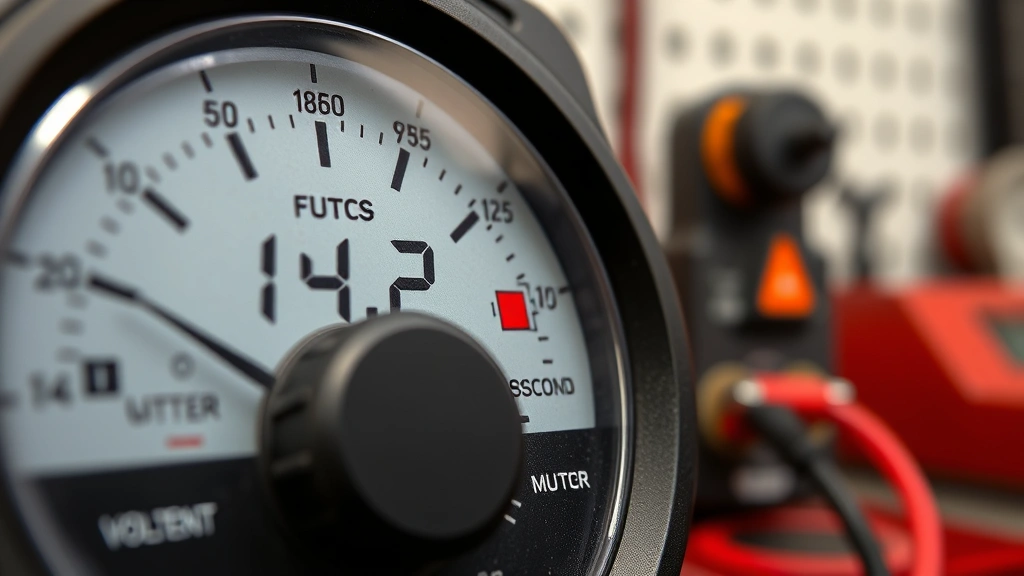
Most manufacturers spec their alternators to output around 14.2 volts, so that’s your sweet spot. If you’re consistently seeing 13.5-14.5, you’re golden. Anything outside that range warrants further investigation or a trip to a professional.
Common Testing Mistakes
I’ve seen plenty of folks mess this up, so let me save you the trouble. First mistake: testing with dirty battery terminals. Corrosion creates false readings. Clean those terminals before you start. Second mistake: not letting the engine warm up. Cold starts can give weird readings. Let it idle for 30 seconds before you record anything.
Third mistake: testing while the AC or headlights are on. Turn everything off for your baseline test. Fourth mistake: using an AC voltage setting instead of DC. Your car runs on direct current, not alternating current. Double-check that dial before you start. Fifth mistake: not revving the engine. A good alternator should maintain voltage even when you ask more of the electrical system.
When to Replace Your Alternator
If your multimeter consistently shows that voltage isn’t climbing above 13 volts when the engine is running, or if it’s dropping below 12 volts, your alternator is done. You’ve got a few options: replace it yourself (if you’re mechanically inclined), have a shop do it, or buy a rebuilt alternator to save money.
Before you replace it, also consider having a professional load test your battery. Sometimes a weak battery mimics a bad alternator. A load test applies a heavy electrical draw and shows if your battery can handle it. If your battery passes but your alternator test fails, replacement is your answer. Related to this, you might want to review how often to change brake fluid and other routine maintenance items while you’re in maintenance mode.
Maintenance Tips
Keep your alternator happy by maintaining your serpentine belt. A worn belt slips and prevents the alternator from spinning properly, which means no charging. Check it every oil change and replace it if it’s cracked or fraying. Clean battery terminals regularly—corrosion is the enemy of good electrical connections.
Also, don’t ignore that battery warning light. It usually means your alternator is struggling. And if you’re doing electrical work like adjusting your headlights or adding freon to your AC system, make sure your battery is in good shape first. A weak electrical system makes everything harder.
Keep your engine bay clean and dry. Moisture and dirt can corrode electrical connections and create charging problems. And if you’re replacing your alternator, consider replacing the serpentine belt at the same time—you’ve already got everything apart, and they often fail together.
Frequently Asked Questions
Can I test an alternator without a multimeter?
Technically yes, but it’s less precise. You can observe symptoms like dimming lights or a battery warning light, but a multimeter gives you hard data. For about $20, it’s worth having one in your toolbox. You’ll use it for other electrical diagnostics too.
What if my multimeter shows voltage going up then down?
That usually means a bad voltage regulator. The regulator controls how much power the alternator outputs. If it’s failing, you’ll see erratic readings. This is still an alternator problem, but sometimes it’s fixable without replacing the whole unit.
Should I test with the battery connected or disconnected?
Always test with the battery connected. Disconnecting it defeats the purpose—you’re testing whether the alternator is charging the battery. If you disconnect the battery, you remove what the alternator is actually trying to charge.
How long does alternator testing take?
About 10-15 minutes total, including setup time. The actual testing is maybe 5 minutes. It’s one of the quickest electrical diagnostics you can do.
Can a bad alternator damage my battery?
Yes. If your alternator isn’t charging properly, your battery discharges faster than it should. Over time, this can damage the battery’s internal cells. That’s why catching alternator problems early saves you money on battery replacement too.
What’s the difference between a rebuilt and new alternator?
A rebuilt alternator has been remanufactured to like-new condition. It’s cheaper than new but comes with a warranty. A new alternator is factory-fresh but costs more. Both should work equally well if the rebuild is quality. Check reviews before buying.
Final Thoughts
Testing your alternator with a multimeter is genuinely one of the easiest electrical diagnostics you can do yourself. In 15 minutes, you’ll have a clear answer about whether your alternator is working or needs replacement. No guessing, no second-guessing—just solid data. Keep your multimeter handy, follow these steps, and you’ll never wonder if your alternator is the problem again. Your wallet will thank you for catching issues early, and your car will thank you for keeping it running smoothly.


