
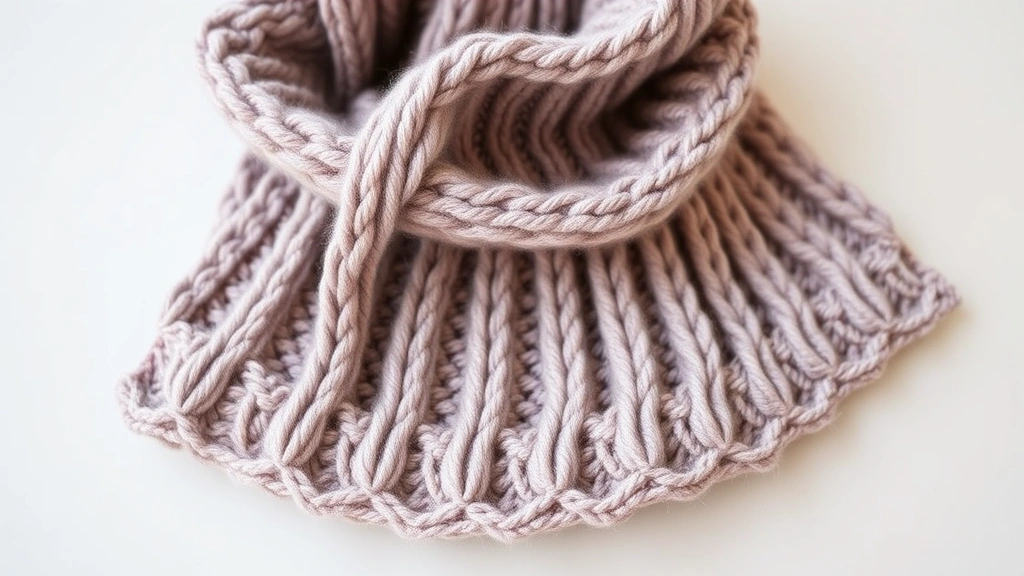
Learning how to cast off knitting is just as important as casting on—it’s the final step that transforms your loops into a finished, professional-looking edge. Whether you’re wrapping up a scarf, closing off a sweater sleeve, or completing your first knitting project, mastering the cast-off technique will give your work that polished, intentional finish it deserves. I’ve been knitting for years, and I still remember the frustration of unraveling edges and loose stitches before I learned the right methods. The good news? It’s simpler than you think, and once you nail a couple of techniques, you’ll have the confidence to tackle any project.
Table of Contents
Why Casting Off Matters
Casting off—also called binding off—is the final edge you create when finishing a knitting project. Think of it as securing all your hard work so it doesn’t unravel the moment you remove it from the needles. A sloppy cast-off can ruin an otherwise beautiful project, while a clean, even finish makes all the difference between homemade and handcrafted. The tension, consistency, and method you choose will determine whether your finished edge looks professional or amateurish. Most beginners underestimate this step, but it’s where your project truly comes to life. I always tell people: you can have imperfect stitches throughout, but nail that cast-off and nobody notices the rough patches.

Basic Knit Cast-Off Method
The standard knit cast-off is the most common technique and the perfect starting point for beginners. This method works beautifully on most projects and creates a clean, secure edge. Here’s exactly how to do it:

First, knit two stitches normally onto your right needle. Then insert your left needle through the first stitch (the one closest to the tip of your right needle) and pull it over the second stitch, letting it drop off the needle entirely. You’ve now secured one stitch. Knit one more stitch on your right needle, then repeat the process—pass the first stitch over the new stitch and drop it off. Continue this pattern until you have just one stitch remaining on your right needle. Cut your yarn, leaving a 6-inch tail, and pull it through that final loop. Weave in the end, and you’re done.

The key to a professional-looking cast-off is maintaining even tension throughout. Don’t pull too tight—your edge should be flexible enough to lay flat without puckering. Many beginners accidentally tighten their tension here, which creates a bunched, uncomfortable edge that can ruin the drape of a garment. Keep your stitches loose and consistent, and you’ll notice an immediate improvement in your finished projects.
Purl Cast-Off Technique
The purl cast-off works identically to the knit version, except you’re working with purl stitches instead. This technique is particularly useful when your project ends on a purl row, as it maintains the continuity of your stitch pattern right up to the edge. If you’re finishing a project where the last row was purled, using the purl cast-off creates a seamless transition.

The process mirrors the knit cast-off exactly: purl two stitches, pass the first over the second, purl one new stitch, and repeat. The advantage here is that your edge will match the texture of your final row, creating visual harmony. I use this method whenever I’m working on ribbed edges or projects where the stitch pattern matters aesthetically. It’s a small detail, but it shows you understand your craft and care about the finished product.

Stretchy Bind-Off Method
If your project needs flexibility—think sweater necklines, cuffs, or sock tops—the stretchy bind-off is your answer. Regular cast-offs can sometimes feel tight and restrict movement, which is uncomfortable in wearable items. The stretchy method creates an edge that gives and moves with the fabric.
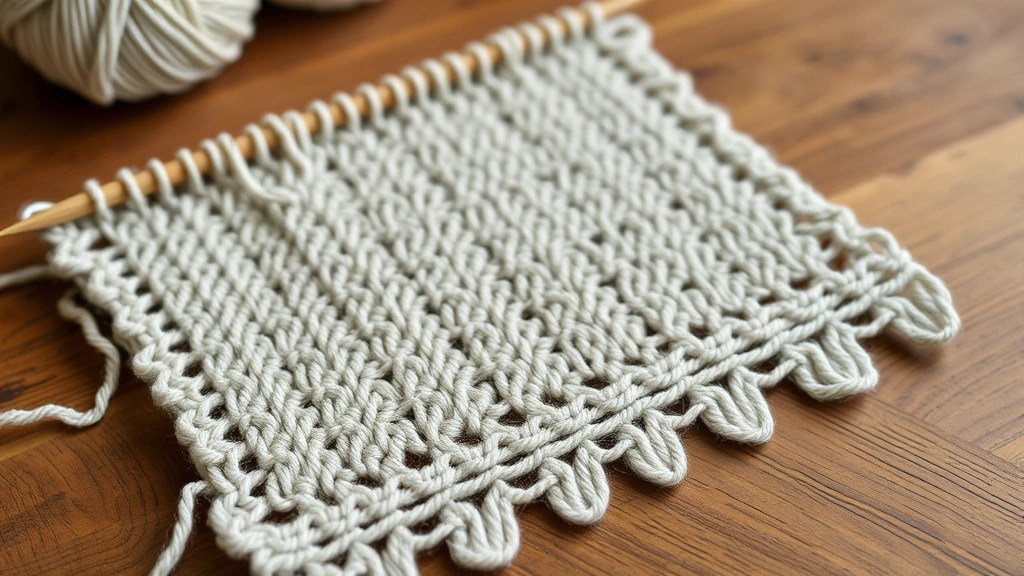
To execute a stretchy bind-off, knit two stitches, then insert your left needle into both stitches on your right needle and knit them together through the back loop. This creates a looser, more forgiving edge. Alternatively, you can use the yarn-over method: knit one stitch, yarn over, pass the knit stitch over the yarn over, then knit the next stitch and repeat. Both approaches give you that crucial elasticity without sacrificing security. I always use this method for any project that touches skin or needs to stretch—it makes a tangible difference in comfort and wearability.
Suspended Cast-Off Approach
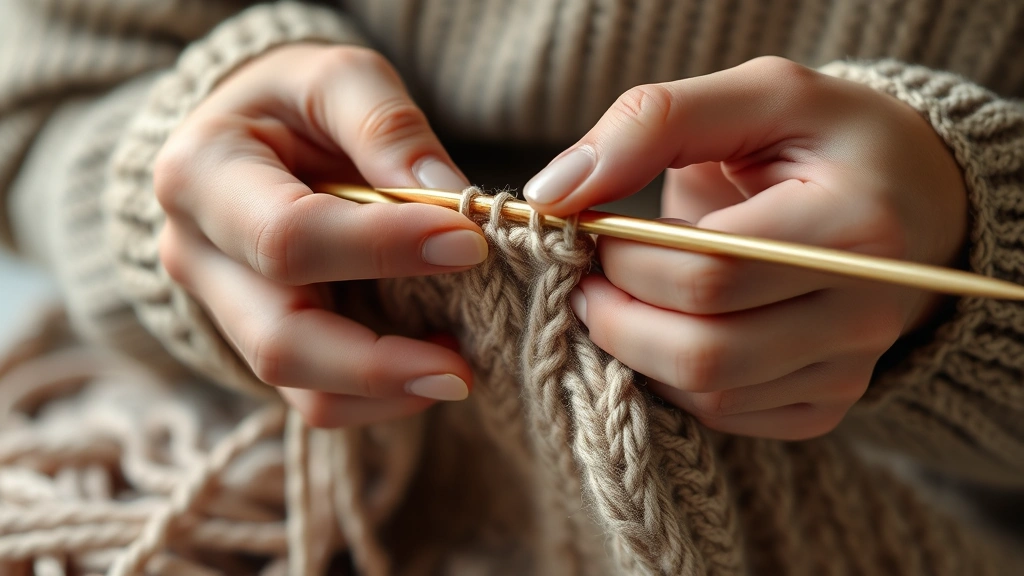
The suspended cast-off, also called the suspended bind-off, is a technique that creates an exceptionally neat, professional-looking edge with minimal bulk. It’s slightly more advanced but absolutely worth mastering once you’ve got the basics down.

With this method, you knit two stitches, then pass the first stitch over the second as usual. Here’s the twist: instead of knitting a new stitch immediately, you slip the stitch on your right needle back to your left needle, then knit it together with the next stitch on your left needle. This creates a tighter, more controlled edge that looks almost machine-made. It takes practice to get the rhythm right, but once you do, you’ll use it on nearly every project. The suspended cast-off is particularly stunning on stockinette stitch projects where a clean edge really stands out.

Decorative Cast-Off Options
Once you’ve mastered the basics, consider experimenting with decorative cast-offs that add visual interest to your finished edges. The picot cast-off creates a delicate, scalloped edge perfect for shawls and feminine projects. The cable cast-off builds a twisted texture that looks intentional and sophisticated. The three-needle bind-off joins two pieces of knitting together while casting off—essential knowledge for any serious knitter.

These advanced techniques transform a simple edge into a design feature. I’ve used decorative cast-offs to salvage projects that felt plain and to add that extra touch of polish to gifts. They’re not difficult once you understand the fundamentals, and they make your work instantly recognizable as handmade by someone who knows what they’re doing. Don’t be intimidated—they’re just variations on the basic principle of securing your stitches.
Common Casting-Off Mistakes
Even experienced knitters make casting-off errors. The most common mistake is working too tightly, which creates a puckered, uncomfortable edge that doesn’t match the drape of your project. Consciously relax your hands and maintain the same tension you used for the body of your work. Another frequent error is inconsistent stitch height—some stitches much larger than others, creating an uneven, wavy edge. This usually happens when you’re not paying attention or rushing. Slow down, breathe, and focus on each stitch individually.

A third mistake is cutting your yarn too short before weaving in the end. I recommend leaving at least 6 inches—more for heavier yarns—to ensure you have enough to secure the final loop and weave through several stitches without it coming loose. Many beautiful projects have been ruined by impatient knitters who cut their yarn too close and watched their edges unravel. It’s the final moment of your project; don’t rush it.

Tips for Perfect Edges
Here are my battle-tested tips for consistently perfect cast-offs. First, use a needle one size larger than your working needles for the cast-off row. This automatically creates more relaxed, even stitches without you having to think about tension. Second, count your stitches as you go—it’s easy to accidentally drop a stitch or miss one, and discovering this after you’ve finished is heartbreaking. Third, practice on scrap yarn before attempting your final project. Seriously. Spend 15 minutes casting off on throwaway yarn until the motion becomes automatic.

Fourth, make sure your lighting is good. Poor lighting makes it harder to see individual stitches and maintain consistency. Fifth, take breaks if your hands get tired—fatigue leads to tension changes and sloppy work. Finally, watch tutorial videos from experienced knitters. Seeing the hand movements in real-time accelerates learning far faster than written instructions alone. You can find excellent tutorials on YouTube and knitting websites like Craftsy and Ravelry, which have comprehensive knitting resources. For comprehensive DIY guidance, Family Handyman offers detailed how-to articles that apply similar principles to various crafts.
Wrapping Up Your Project
Mastering how to cast off knitting transforms you from someone who makes knitted objects into someone who creates finished pieces. The cast-off is your signature—it’s the final impression your work makes. Whether you choose the simple knit cast-off, explore stretchy variations for wearables, or experiment with decorative techniques, you now have the knowledge to finish your projects with confidence and professionalism.

Start with the basic method, practice until it feels natural, then gradually expand your repertoire. Each new technique you master adds another tool to your knitting toolkit. Remember that even experienced knitters occasionally fudge a cast-off—it’s part of the learning process. The difference is they know how to fix it and move forward. You will too. Now go finish that project with pride, knowing you’ve got this.
Frequently Asked Questions
What’s the difference between casting off and binding off?
Nothing—they’re the same thing. Different knitting communities use different terminology, but “casting off” and “binding off” refer to the identical process of securing your stitches at the end of a project. Use whichever term feels natural to you.

Can I cast off too loosely?
Yes, though it’s less common than casting off too tightly. If your cast-off edge is extremely loose and floppy, your stitches might unravel or the edge will look unprofessional. Aim for the same tension you used throughout your project—not tight, not loose, just consistent.
What if I drop a stitch while casting off?
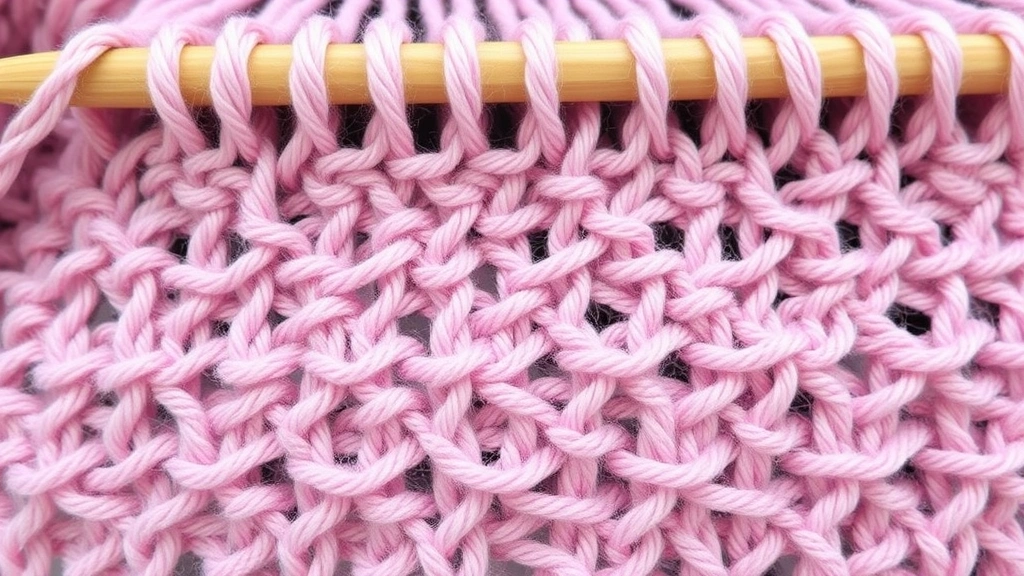
Stop immediately and pick it up with a crochet hook before it unravels further. This is one of those moments where patience pays off. It only takes a minute to fix, and it prevents your entire project from coming undone. Always keep a crochet hook nearby while knitting.

Do I need different cast-off methods for different yarn weights?
Not necessarily, but heavier yarns benefit from slightly looser tension during cast-off to prevent the edge from becoming too stiff. Lighter yarns can handle tighter cast-offs without issues. Adjust your tension slightly based on your yarn, but the basic technique remains the same.
How do I make my cast-off edge invisible?
The Kitchener stitch creates an invisible seam when grafting, but it’s not technically a cast-off. For an invisible cast-off edge itself, focus on tension consistency and consider using the suspended bind-off method, which creates minimal bulk and blends seamlessly with stockinette stitch.


