
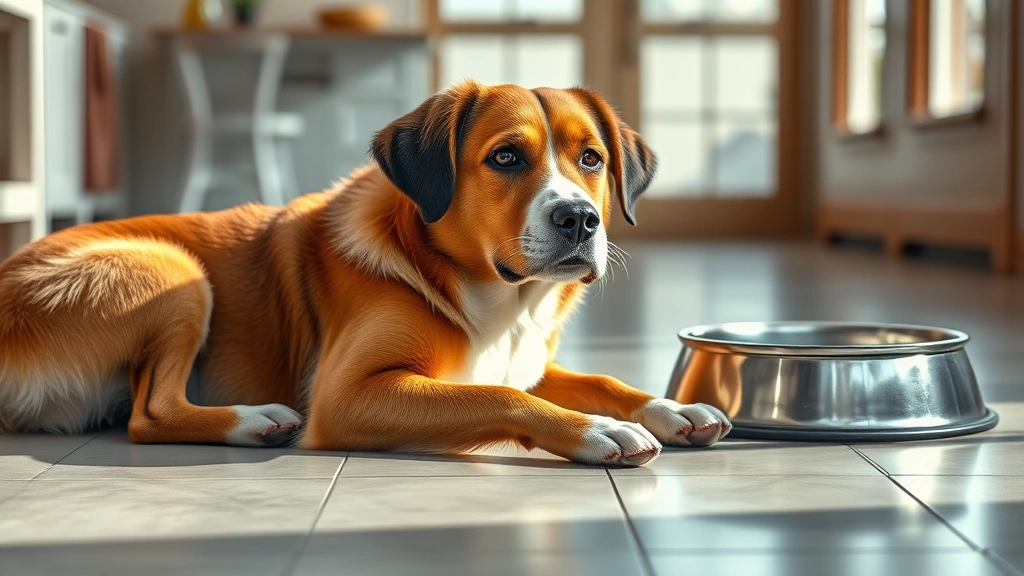
Learning how to calm a panting dog is one of the most practical skills any pet owner can master. Whether your furry friend is overheated, anxious, or just worked up from playtime, excessive panting can signal distress—and knowing what to do makes all the difference. In this guide, I’ll walk you through five battle-tested methods that actually work, plus the warning signs you shouldn’t ignore.
Table of Contents
Why Dogs Pant Excessively
Before you can effectively calm your panting dog, you need to understand what’s actually happening. Dogs don’t sweat like humans—they regulate body temperature primarily through panting. It’s their main cooling system. But excessive panting goes beyond normal thermoregulation.
Panting becomes a problem when it’s triggered by heat stress, anxiety, pain, or underlying health issues. A dog panting heavily after a 20-minute fetch session? That’s normal. A dog panting constantly indoors on a cool day? That’s your cue to investigate. The difference matters because your response depends entirely on the root cause.
Create a Cool Environment
The fastest way to help a heat-stressed, panting dog is to drop the temperature around them. This is your first line of defense, and it works immediately.
Move your dog to shade or air conditioning right away. If you’re outside, get them indoors or under a covered area. Close blinds and curtains to block direct sunlight. If your AC isn’t running, turn it on now—don’t wait. Even a few degrees of temperature reduction will slow panting within minutes.
Wet towels are your workshop-buddy secret weapon here. Drape a cool (not ice-cold) damp towel over your dog’s back and neck. You can also place wet towels on the floor where they like to rest. Some owners use cooling mats designed specifically for dogs—these are worth the investment if you live in a hot climate.
Pro tip: Never use ice-cold water or ice directly on your dog’s skin. This can cause blood vessels to constrict and actually slow cooling. Lukewarm to cool water is the sweet spot.
Hydration and Water Access
A panting dog loses fluids fast. Your second priority after cooling is ensuring they have constant access to fresh water. This is non-negotiable.
Place water bowls in multiple locations—your dog shouldn’t have to search for hydration. Keep one in the main living area, one near their sleeping spot, and one outside if they spend time outdoors. Change the water frequently to keep it fresh and cool.
If your dog refuses to drink, try these tricks: offer water from your hand, add a small amount of low-sodium broth to make it more appealing, or use a pet water fountain (many dogs prefer running water). Some dogs respond better to ice chips or frozen water bowls.
Watch for signs of dehydration: dry gums, lethargy, or skin that doesn’t bounce back when pinched. These warrant immediate veterinary attention. Don’t force water down their throat—let them drink at their own pace.
Calming Techniques That Work
Sometimes your dog isn’t overheated—they’re stressed or anxious. This is where calming techniques come into play, and they’re surprisingly effective when done right.
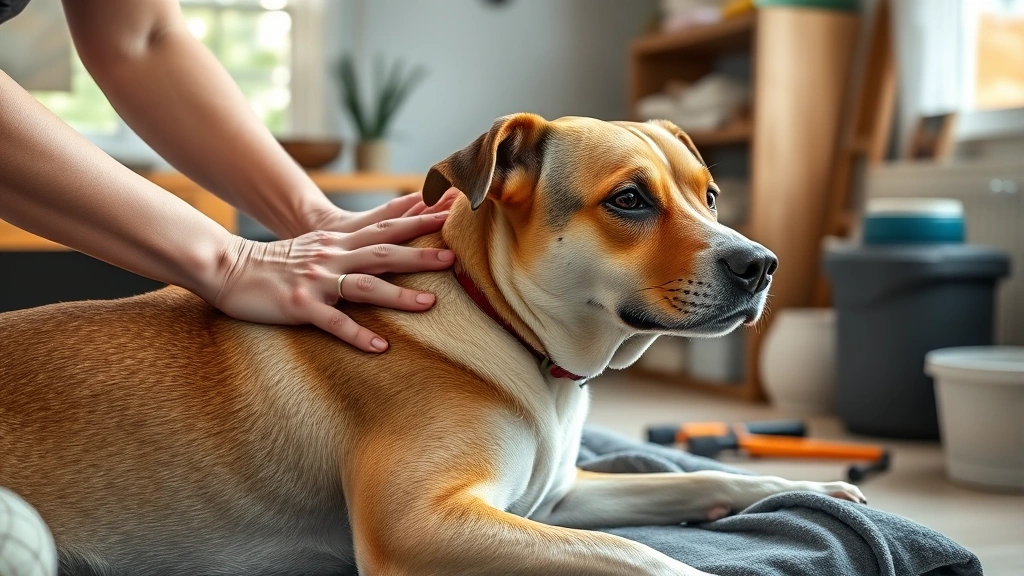
Deep pressure therapy is one of the most underrated methods. Gently apply steady pressure to your dog’s body with your hands—think of it like a slow, deliberate massage. Focus on the shoulders, back, and sides. This mimics the effect of a weighted blanket and activates the parasympathetic nervous system, the body’s natural relaxation response.
Controlled breathing in your presence matters more than you’d think. Dogs pick up on your energy. If you’re calm and breathing slowly, your dog will mirror that. Sit quietly with them, breathe deeply, and avoid sudden movements or loud noises.
White noise or calming music genuinely helps anxiety-driven panting. There are entire playlists designed for dogs—search for “Through a Dog’s Ear” or similar calming music. The consistent sound masks triggering noises and creates a soothing environment.
Some owners swear by anxiety management techniques similar to human stress relief, and there’s truth to that parallel. Your dog’s nervous system works similarly to yours.
Smart Exercise Management
Over-exercise is a common culprit behind excessive panting. Your dog might love that intense play session, but their body might not handle it well—especially in heat.
Schedule exercise during cooler parts of the day: early morning or evening. Avoid midday activity when temperatures peak. Break exercise into shorter sessions with rest periods in between. A 10-minute walk, 15-minute rest, then another 10-minute walk is smarter than one continuous 30-minute session in heat.
Watch your dog’s panting intensity during activity. Moderate panting is normal. Excessive, labored panting means it’s time to stop and cool down. Don’t push through—that’s how heat exhaustion happens.
Younger dogs and high-energy breeds need more activity, but that doesn’t mean ignoring temperature. A dog’s enthusiasm doesn’t equal their ability to handle heat. You’re the responsible adult in this relationship.
Addressing Anxiety-Related Panting
Not all panting comes from heat. Anxiety-driven panting is real and requires a different approach.
Identify the trigger: thunderstorms, fireworks, separation, loud noises, car rides, or vet visits. Once you know what sets your dog off, you can plan accordingly. Create a safe space—a quiet room, crate, or closet—where your dog can retreat when anxious.
Desensitization works over time. If your dog panics during car rides, take short, calm trips with positive rewards. Gradually increase duration. This isn’t a quick fix, but it rewires your dog’s response to the trigger.
Some dogs benefit from anxiety wraps or vests that provide gentle pressure. Others respond to calming supplements (talk to your vet first). In severe cases, your veterinarian might recommend short-term anti-anxiety medication, similar to how people manage stress responses.
Never punish anxious panting. Your dog isn’t being dramatic—they’re genuinely distressed. Punishment makes anxiety worse. Patience and consistency are your tools here.
When to Seek Veterinary Help
Know the red flags. Excessive panting combined with lethargy, vomiting, diarrhea, or collapse requires immediate veterinary attention. Heat exhaustion and heat stroke are emergencies.
Other warning signs: panting that continues even after cooling efforts, panting at rest in cool environments, or sudden changes in panting patterns. These might indicate pain, respiratory issues, heart problems, or hormonal imbalances.
Older dogs, puppies, and breeds with flat faces (bulldogs, pugs, Shih Tzus) are more heat-sensitive. They need extra protection and monitoring. Don’t assume their panting is normal just because they’re a certain breed.
If you’re uncertain, call your vet. Better safe than sorry with your dog’s health.
Prevention Tips for Hot Days
The best remedy is prevention. Plan ahead during hot seasons.
Never leave your dog in a parked car, even with windows cracked. Temperatures inside vehicles spike dangerously fast. If you’re running errands, leave your dog home in air conditioning.
Provide shade and water outdoors at all times. Use dog-safe sunscreen on exposed skin, especially on light-colored dogs or those with thin coats. Consider protective clothing or cooling vests for outdoor time.
Monitor humidity levels. High humidity makes panting less effective because moisture can’t evaporate from your dog’s mouth and throat. On humid days, keep activity minimal and provide extra cooling support.
Maintain a consistent grooming schedule. A matted coat traps heat. Regular brushing and appropriate trimming (don’t shave double-coated breeds) help your dog regulate temperature naturally.
Frequently Asked Questions
Is panting after exercise normal?
Yes, moderate panting after activity is completely normal. Your dog’s heart rate and body temperature rise during exercise, and panting cools them down. However, excessive panting that doesn’t slow down within 30 minutes of rest is worth investigating.
Can I give my dog ice water to drink?
Cool water is fine, but ice-cold water can cause digestive upset in some dogs. Lukewarm to cool water is the safest choice. If your dog is severely overheated, offer cool water in small amounts rather than one large bowl.
What’s the difference between normal and emergency panting?
Normal panting is rhythmic, stops when your dog cools down, and doesn’t include other symptoms. Emergency panting is rapid, labored, accompanied by drooling, weakness, or collapse, and continues despite cooling efforts. Emergency panting requires immediate veterinary care.
How long should cooling efforts take?
You should see improvement within 10-15 minutes of cooling efforts. Panting should slow, and your dog should seem more relaxed. If there’s no improvement after 20 minutes, contact your veterinarian.
Does breed matter for heat sensitivity?
Absolutely. Flat-faced breeds (bulldogs, pugs, boxers), thick-coated breeds (huskies, malamutes), and older dogs are more heat-sensitive. These dogs need extra protection and shouldn’t be exercised in heat. Smaller breeds also struggle with heat regulation.
Can anxiety medication help with panting?
In some cases, yes. If your dog’s panting is anxiety-driven and doesn’t respond to behavioral techniques, your vet might recommend medication. This is a legitimate tool, not a failure on your part.
What about cooling mats—are they worth it?
If you live in a consistently hot climate or have a heat-sensitive dog, cooling mats are absolutely worth the investment. They provide passive cooling without requiring constant intervention, and many dogs genuinely enjoy them.
Final Thoughts
Knowing how to calm a panting dog puts you in control when your pet needs you most. Whether it’s heat stress, anxiety, or over-exercise, you’ve got a toolkit of proven methods: cooling, hydration, calming techniques, smart exercise management, and knowing when professional help is needed.
Your dog depends on you to read the signs and respond appropriately. Start with environmental cooling and water access, then layer in calming techniques based on what your dog needs. Prevention through planning and awareness keeps most panting issues from becoming emergencies.
Trust your instincts. If something feels wrong, it probably is. Your vet is always a phone call away, and that’s exactly what they’re there for.


