
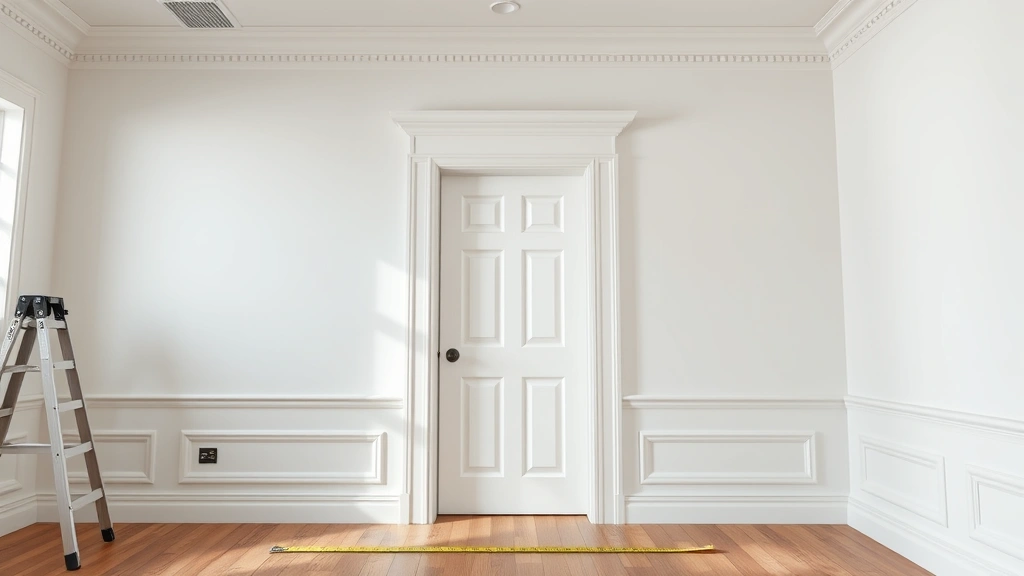
Learning how to calculate linear feet is one of those practical skills that’ll save you time and money on everything from flooring to fencing. Whether you’re measuring baseboards, ordering lumber, or planning a deck, understanding linear feet takes the guesswork out of your project.
Table of Contents
What Are Linear Feet?
Linear feet is simply a measurement of length in a straight line. One linear foot equals 12 inches—nothing more, nothing less. The “linear” part just means you’re measuring distance in one direction, not area or volume. When contractors or suppliers ask for linear feet, they want to know how long something needs to be, plain and simple.
Think of it this way: if you’re buying trim for a room, they don’t care how wide the trim is. They just need the total length you’re covering. That’s where linear feet comes in. It’s the workhorse measurement for materials sold by the foot—baseboards, crown molding, rope, cable, you name it.
Linear vs. Square Feet Explained
This confusion trips up a lot of DIYers, so let’s clear it up. Linear feet measures length only. Square feet measures area (length × width). If you’re ordering flooring material, the supplier might ask for square feet because they need to know how much area you’re covering. But if you’re ordering baseboard trim to go around that room, they want linear feet because they only care about the perimeter length.
Here’s the practical difference: A room that’s 12 feet long and 10 feet wide has 44 linear feet of perimeter (12+10+12+10) but 120 square feet of floor area (12×10). The linear measurement tells you how much baseboard you need. The square footage tells you how much flooring material to buy.
Basic Calculation Method
The math is refreshingly simple. Measure your distance in inches, then divide by 12. That’s it. Here’s the formula:
Linear Feet = Total Inches ÷ 12
Or if you’re already working in feet and inches (like 8 feet 6 inches), just convert the inches to decimal: 6 inches ÷ 12 = 0.5 feet, so you’d have 8.5 linear feet total.
Let’s say you’re measuring a wall for crown molding and it’s 156 inches long. Divide 156 by 12 and you get 13 linear feet. Order 13 feet of crown molding, add maybe 10% for waste and cuts, and you’re golden. When you’re calculating linear feet for multiple sections, just add up all the individual measurements and convert the total at the end.
Tools You’ll Actually Need
You don’t need fancy equipment—a basic tape measure and maybe a notepad is all it takes. A 25-foot tape measure works great for most household projects. For longer distances like fencing or deck boards, grab a 100-foot tape measure or a measuring wheel. If you’re doing precision work indoors, a laser measure takes the human error out of the equation and gives you digital readouts you can write down immediately.
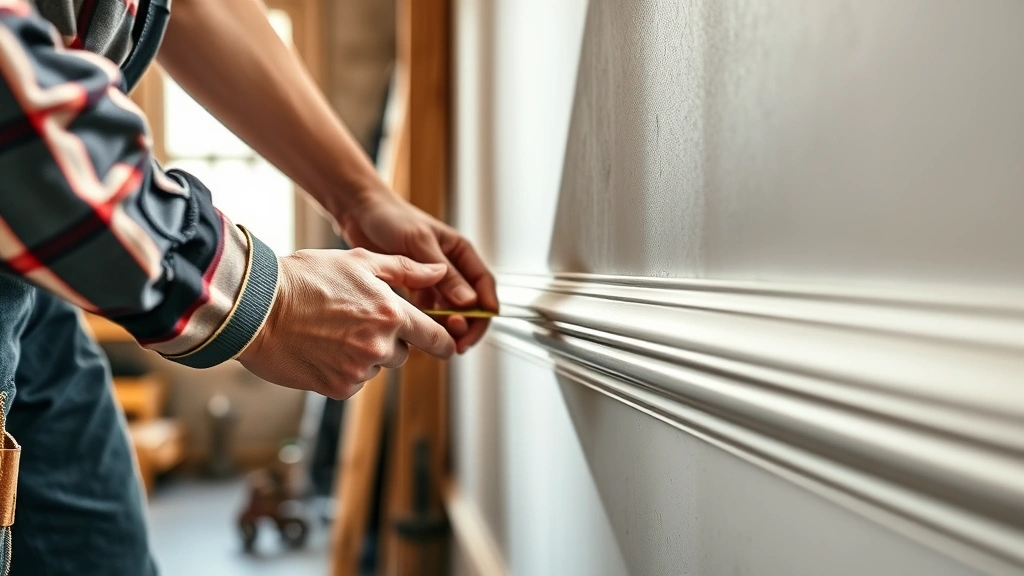
Pro tip: always measure twice. Seriously. The cost of a tape measure is nothing compared to ordering the wrong amount of material. And when you’re measuring along walls or floors, try to keep your tape as straight as possible—sagging tape gives you false readings.
Real-World Project Examples
Let’s walk through some actual scenarios where you’d calculate linear feet. Say you’re installing baseboards in a bedroom. The room is 12 feet by 14 feet. You measure all four walls: 12 + 14 + 12 + 14 = 52 linear feet. Subtract doorways (usually 3 feet each), so you’re looking at about 46 linear feet of baseboards needed. Smart contractors add 10% for cuts and mistakes, so order 50-51 feet.
For a deck project, if you’re laying 2×6 boards across a 16-foot span and you need 8 boards, that’s 8 boards × 16 feet = 128 linear feet of lumber. Your lumber yard will understand exactly what you need.
Installing trim around windows? A typical window might need 8 feet of trim on the sides and bottom, plus maybe 6 feet across the top. That’s 14 linear feet per window. Got three windows? You’re looking at 42 linear feet of trim material.
Common Mistakes to Avoid
The biggest mistake is confusing linear feet with square feet. You can’t convert between them without knowing both dimensions. Another common error is forgetting to account for corners, seams, and waste. Materials shrink, cuts go wrong, and corners need extra length. Always add 10-15% to your calculated linear feet.
Don’t forget to subtract openings. When calculating baseboards, you need to subtract the width of doorways. When ordering trim, measure carefully around obstacles. And here’s a sneaky one: if your material comes in specific lengths (like 8-foot or 16-foot boards), you might need to round up to the nearest full piece. It’s better to have leftover material than to come up short.
Quick Reference Chart
Here’s a handy conversion chart to keep in your back pocket:
- 12 inches = 1 linear foot
- 24 inches = 2 linear feet
- 36 inches = 3 linear feet
- 48 inches = 4 linear feet
- 60 inches = 5 linear feet
- 72 inches = 6 linear feet
- 84 inches = 7 linear feet
- 96 inches = 8 linear feet
- 120 inches = 10 linear feet
For quick mental math, remember that every 12 inches equals one foot. So if you measure something at 156 inches, you’re dividing 156 by 12 to get 13 linear feet. If the math feels shaky, use a calculator—there’s no prize for doing it in your head.
Pro Tips for Accuracy
First, measure from the same reference point every time. If you’re going around a room, start at one corner and work your way around consistently. Second, write everything down immediately. Don’t trust your memory—you’ll forget whether that wall was 12 feet or 14 feet by the time you get to the store.

Third, consider the installation method. If you’re installing baseboards and they need to fit into corners, you might need slightly longer pieces to account for the angle cuts. Fourth, talk to your supplier. They deal with these measurements every day and can often give you guidance on how much extra to order for your specific project. Fifth, take photos of your measurements and the space—they’re useful if you need to ask questions later.
When you’re dealing with data organization for larger projects, keeping a spreadsheet helps track multiple measurements. And if you’re ordering materials, organizing your notes makes it easier to reference later.
Frequently Asked Questions
Can you convert linear feet to square feet?
Not directly. You need both dimensions. Linear feet is one-dimensional (length only), while square feet is two-dimensional (length × width). If you know the length in linear feet and the width, you can calculate square feet by multiplying them together. But you can’t go from linear feet to square feet without that second measurement.
How much should I add for waste?
A standard rule of thumb is 10-15% extra. For simple straight cuts, 10% is usually enough. For projects with lots of corners, angles, or complex cuts, bump it up to 15%. Some materials like trim or molding that require precise cuts might warrant 15-20% waste allowance.
Do I measure the outside or inside of corners?
For baseboards and trim, measure the actual distance the material will cover. If you’re going around the inside of a room, measure the inside edge. The supplier will handle the corner details—they’re used to working with standard corner angles.
What if my tape measure only goes to 25 feet?
For longer distances, mark a starting point, measure 25 feet, mark that spot, then continue measuring from there. Add all the segments together. Or invest in a 100-foot tape measure—they’re cheap and invaluable for bigger projects.
How accurate do I need to be?
For most DIY projects, being within a quarter inch is fine. For precision woodworking, you might want to be more accurate, but for baseboards, trim, and similar materials, slight variations won’t matter because you’re cutting and fitting as you go anyway.
Can I use an online calculator?
Absolutely. Search “linear feet calculator” and you’ll find several free tools. Just input your measurements in inches and they’ll convert to linear feet instantly. It eliminates math errors and speeds up the process, especially for complex projects with many measurements.
Final Thoughts
Calculating linear feet is genuinely one of the easiest skills to master, yet it makes a huge difference in project success. You’re just measuring length and converting to feet—that’s the whole game. Measure carefully, add a little extra for safety, and you’ll nail your material quantities every time. The next time someone asks about getting exact measurements for a project, you’ll know exactly how to help them. And remember, precision matters in any craft—whether you’re working with lumber or anything else. Keep a tape measure handy, trust the math, and you’re ready to tackle any project that requires linear feet calculations.


