
Learning how to buy Monero doesn’t have to feel like cracking a safe—it’s actually more straightforward than most people think. Whether you’re interested in privacy-focused cryptocurrency or just exploring digital assets, this guide walks you through every step of acquiring Monero in 2024.
Table of Contents
What is Monero Anyway?
Monero (XMR) is a privacy-focused cryptocurrency that launched in 2014. Unlike Bitcoin, which records all transactions on a public ledger, Monero uses ring signatures, stealth addresses, and RingCT to obscure sender, receiver, and transaction amounts. Think of it as the difference between sending a postcard (Bitcoin) versus a sealed letter (Monero)—both arrive, but one keeps the contents private.
The name comes from Esperanto, meaning “coin.” It’s built on the principle that financial privacy is a human right, not something reserved for the wealthy or suspicious. This focus on privacy is why Monero has gained traction among privacy advocates, businesses protecting commercial transactions, and people living under restrictive regimes.
Why Buy Monero Today
People buy Monero for several legitimate reasons. Privacy-conscious individuals value the built-in anonymity. Businesses use it to protect competitive information in transactions. Some investors see it as a hedge against financial surveillance. Others simply believe in supporting technology that prioritizes individual freedom.
The 2024 market has seen renewed interest in privacy coins as governments worldwide increase financial monitoring. Monero’s technical superiority over other privacy coins—thanks to mandatory privacy features rather than optional ones—makes it stand out. You’re not just buying a currency; you’re investing in a philosophy.

Choose Your Exchange Platform
Your first real decision is selecting where to buy Monero. Major exchanges fall into three categories: centralized exchanges (CEX), decentralized exchanges (DEX), and peer-to-peer (P2P) platforms. Each has trade-offs between convenience, privacy, and regulatory compliance.
Centralized Exchanges like Kraken, Bitfinex, and Poloniex offer the easiest onramps, especially if you’re using traditional currency. They typically have better liquidity, faster transactions, and customer support. The trade-off? They require identity verification and keep records of your purchases.

Decentralized Exchanges like Haveno (the Monero community’s DEX) offer more privacy but require more technical knowledge. You’re trading directly with other users, so liquidity can be lower and prices may vary more.
Peer-to-Peer Methods include LocalMonero and other community platforms. These work like Craigslist for crypto—you find a seller, negotiate terms, and exchange directly. Maximum privacy, but maximum risk if you’re not careful.

For beginners, starting with a reputable centralized exchange makes sense. You can always move to more private methods later once you understand the mechanics. Check that your chosen exchange operates legally in your jurisdiction and has solid security practices.
Set Up Your Monero Wallet
Before you buy anything, set up a place to receive and store your Monero. A wallet is simply software that manages your private keys—the digital signatures proving you own your coins. You have several options:

Official Monero GUI Wallet is the reference implementation. It’s free, open-source, and runs on Windows, macOS, and Linux. Download it directly from getmonero.org (note the .org, not .com—scammers use fake domains). This gives you full control but requires you to run the full blockchain locally, which takes time and storage space.
Monero CLI Wallet is the command-line version for technical users. More lightweight than GUI but requires comfort with terminal commands.
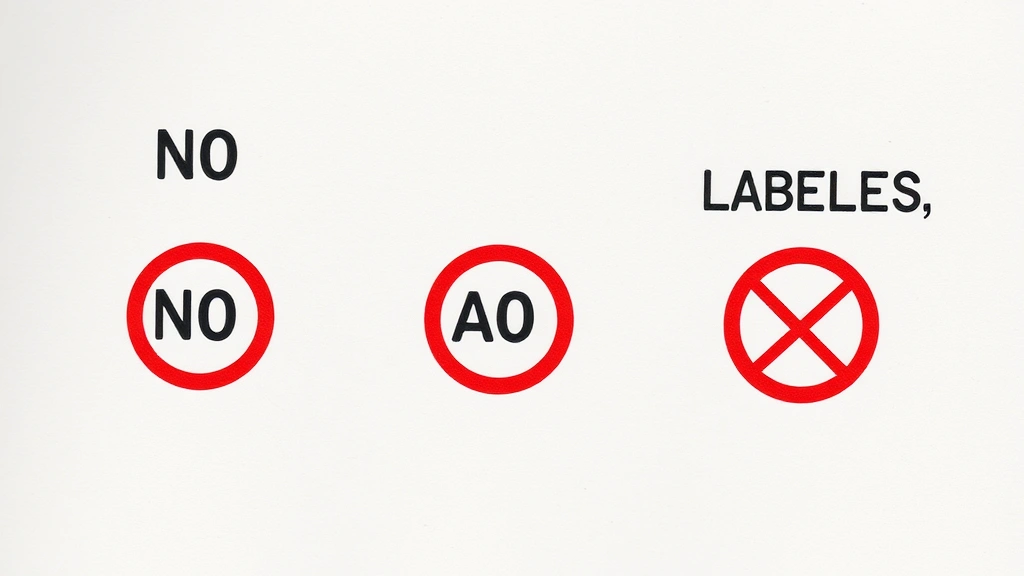
Hardware Wallets like Ledger Nano S Plus support Monero. These are physical devices that keep your private keys offline—maximum security for larger holdings. Cost around $60-80 but worth it if you’re serious about security.
Mobile Wallets like Monerujo (Android) or Cake Wallet (iOS/Android) offer convenience for smaller amounts. They’re lighter than desktop versions but still secure if downloaded from official sources.

Start with the official GUI wallet if you’re learning. It teaches you how Monero actually works without unnecessary complexity. Once you understand the basics, you can explore other options.
Verify Your Identity First
Most exchanges require Know Your Customer (KYC) verification—a regulatory requirement in most countries. You’ll typically need:
- Government-issued ID (passport, driver’s license, national ID)
- Proof of residence (utility bill, bank statement, lease agreement)
- Sometimes a selfie or video verification
The process usually takes 5-30 minutes. Upload clear photos of both sides of your ID, make sure your address matches your documents, and be patient. Automated systems sometimes reject perfectly valid documents due to lighting or angles—just resubmit.
Some people hesitate at this step because they think KYC defeats privacy. Here’s the reality: KYC happens at the exchange, not on the blockchain. Once Monero is in your wallet, the blockchain itself provides the privacy. The exchange knows you bought Monero, but the blockchain doesn’t record who sent it to you or where it went next. This is actually a solid compromise between legal compliance and practical privacy.

Fund Your Account
With your account verified, deposit money. Most exchanges accept multiple funding methods:
Bank Transfer (ACH, SEPA, wire) is cheapest but slowest—typically 1-5 business days. Fees are usually $0-10.

Debit/Credit Card is fastest (instant to minutes) but priciest. Expect 3-8% fees. Your card issuer might also flag crypto purchases as suspicious and block the transaction.
PayPal/Venmo availability varies by exchange and region. Generally fast but with moderate fees.

Cash Deposits at partner banks (if your exchange offers this) provide good privacy with minimal fees.
Start small. Deposit just enough to buy your first small amount of Monero—maybe $50-100. This lets you test the entire process without risking significant money while you’re learning.

Execute Your Purchase
Once your account is funded, buying is simple. Navigate to the trading section, find the XMR trading pair (usually XMR/USD or XMR/EUR), and place your order.
Market Orders buy immediately at the current price. Fastest but you pay the asking price—useful when you just want to get it done.

Limit Orders let you specify a maximum price. Your order executes when the price drops to your target. Takes longer but potentially saves money.
For your first purchase, use a market order. You’ll pay a small premium, but the simplicity and certainty are worth it. Once you’re comfortable, experiment with limit orders.
Review the transaction details carefully before confirming. Check the amount of Monero you’re receiving and the exchange rate. Most exchanges show you the fee upfront—usually 0.25-0.5% of the transaction.
Secure Storage Best Practices
Once you own Monero, keeping it secure is paramount. Here’s your security hierarchy:
Small Amounts (<$500) can stay on the exchange or in a mobile wallet. Convenient for trading or spending.
Medium Amounts ($500-$5,000) belong in a desktop wallet (Monero GUI) on a dedicated computer or a hardware wallet. You control the private keys, and the computer’s security is your responsibility.

Large Amounts (>$5,000) absolutely require a hardware wallet or paper wallet. These keep your private keys completely offline, immune to hacking.
Never, ever share your private key or seed phrase with anyone. Your seed phrase (24 words) can regenerate your entire wallet—it’s equivalent to your bank account number and password combined. Write it down on paper, store it in a safe or safety deposit box, and never type it into a computer connected to the internet.

Enable two-factor authentication (2FA) on your exchange account using an authenticator app like Authy or Google Authenticator. SMS-based 2FA is better than nothing but inferior to app-based 2FA.
Avoid These Common Mistakes
Learning from others’ errors saves you money and stress. Here are the pitfalls that catch most beginners:

Sending to Wrong Address: Monero addresses are long and complex. Always send a tiny test amount first ($5-10) to confirm the address works. Once sent, Monero transactions are irreversible.
Using Weak Passwords: If you’re self-hosting your wallet, use a password manager and create a unique, 16+ character password. Hackers use dictionary attacks and common patterns—make yours cryptographically strong.
Downloading from Wrong Sites: Scammers create fake Monero wallet websites. Always verify the URL and check the official site’s security certificate. Bookmark the real site to avoid typos.
Panic Selling: Crypto prices swing wildly. Don’t buy at the peak and immediately panic-sell at the dip. You bought Monero for a reason—stick to your plan unless circumstances genuinely change.
Ignoring Backup: Your hardware fails. Your computer gets stolen. Create multiple backups of your seed phrase and store them separately. If you lose access to your wallet without a backup, your coins are gone forever.
Trusting Strangers: If someone on the internet offers to help you buy Monero, they’re likely trying to scam you. Do this yourself, verify everything independently, and trust no one’s instructions but official documentation.
Frequently Asked Questions
Is buying Monero legal?
Yes, in most countries. However, regulations vary. Some nations restrict crypto trading, and a few have attempted to ban privacy coins specifically. Check your local laws. Buying Monero itself is legal; what you do with it afterward is your responsibility.
How long does it take to receive Monero?
Exchange transfers are usually instant to a few minutes. Bank deposits take 1-5 business days depending on your payment method. Monero blockchain confirmations take 2-10 minutes for standard security.
What’s the minimum amount I can buy?
Most exchanges have minimums of $10-25 per transaction. Some have no minimum. Start small—$50-100 is plenty to learn the process.
Can I buy Monero anonymously?
Not through regulated exchanges—they require identity verification. Peer-to-peer methods like LocalMonero offer more privacy, but you’ll meet strangers and carry cash. There’s a trade-off between convenience and anonymity.
What if I lose my private key?
If you have your 24-word seed phrase, you can regenerate your wallet and access your coins. If you lose both the key and seed phrase, your coins are permanently inaccessible. This is why backups are non-negotiable.
Should I tell people I own Monero?
That’s your choice, but consider security and privacy implications. The fewer people who know, the lower your risk of being targeted for theft or social engineering. If you have significant holdings, keep it quiet.
How do I sell Monero?
Reverse the process: transfer Monero from your wallet to an exchange, sell it for fiat currency, and withdraw the money to your bank account. The same exchange where you bought it usually works, or try others for better rates.
Are there taxes on Monero purchases?
Yes, in most jurisdictions. Buying Monero is taxable as a capital gains event. Selling it is another taxable event. Keep records of all transactions and consult a tax professional. The IRS and other tax authorities take crypto seriously.
Final Thoughts
Learning how to buy Monero is genuinely straightforward once you break it into steps: choose an exchange, verify your identity, fund your account, execute the purchase, and secure your coins. The technical barrier is lower than most people assume.
Start small. Buy $50-100 worth, move it to your own wallet, and get comfortable with the process. Once you’ve successfully done this once, everything else is just repetition at larger scales. The most important lesson is that you’re now responsible for your own financial security—no bank, no customer service line, just you and your private keys.
Take your time, verify everything twice, and never rush. The crypto space rewards patience and punishes carelessness. You’ve got this.


