

Learning how to buy furniture smartly can save you thousands of dollars while filling your home with pieces you’ll actually love. Whether you’re furnishing your first apartment, redecorating a room, or replacing worn-out pieces, the furniture-buying process doesn’t have to be overwhelming or expensive. The key is knowing where to look, what to avoid, and how to negotiate like a pro.
Table of Contents
Measure Your Space First
Before you fall in love with that gorgeous sectional or sleek dining table, grab a tape measure and get real numbers. This is the foundation of smart furniture shopping. Measure doorways, hallways, stairwells, and the actual room where the furniture will live. Write everything down—don’t rely on memory. I’ve seen plenty of people buy beautiful pieces only to discover they can’t fit them through the front door or they dwarf their living room.
Take photos of your space from different angles. Note ceiling height, window placement, and existing fixtures. If you’re replacing furniture, measure the current piece to understand the proportions that work in your room. This groundwork prevents costly returns and ensures your new furniture actually fits your life, not just your dreams.
Set a Realistic Budget
Here’s where most people go wrong: they set a budget without considering the full cost. When you’re figuring out how to buy furniture, remember that the price tag isn’t the final number. Factor in delivery fees, assembly costs, taxes, and any protective treatments or warranties you might want.
A good rule of thumb is to allocate 10-15% of your furniture budget for delivery and setup. Break your total budget down by room or by furniture type. Prioritize statement pieces—like a sofa or bed—where quality matters most. You can save on secondary pieces like side tables or accent chairs. This strategic allocation ensures your money goes where it counts.
Research Styles and Trends
Spend time browsing furniture websites, visiting showrooms, and checking out design magazines. Create a Pinterest board or save images of pieces you love. Look for common themes in your selections—this reveals your personal style and helps you make cohesive choices instead of random impulse buys.
Understanding current trends helps you avoid pieces that’ll look dated in two years. But balance trends with timeless elements. A trendy color on a classic sofa shape works better than a trendy shape that might feel awkward in five years. When you’re learning how to buy furniture strategically, this balance between style and longevity saves money long-term.
Inspect Quality Before Buying
This is non-negotiable. Never buy furniture sight unseen if you can help it. When you’re in the store or examining a piece online (with detailed photos and reviews), check these critical points:
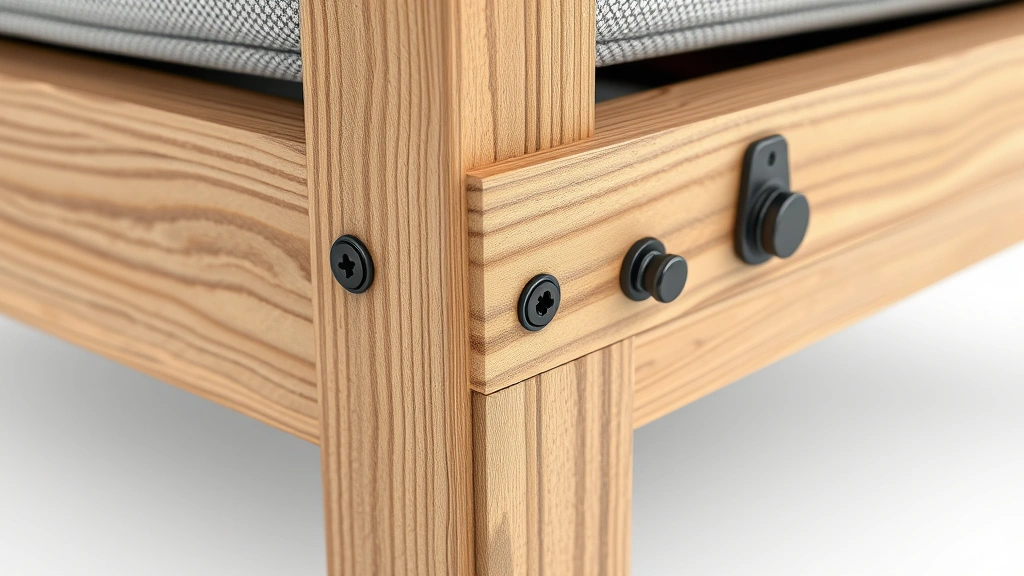
Frame and Structure: Press down on the seat and back. Quality furniture shouldn’t wobble or creak. Look for hardwood frames—they last longer than particleboard or plywood. Check joints; they should be glued and screwed, not just stapled.
Upholstery: Feel the fabric or leather. Is it tight and smooth, or loose and wrinkled? Check for loose threads or seams. Flip cushions over and inspect the bottom—it should be reinforced, not flimsy.
Drawers and Hardware: Open and close drawers smoothly. Hardware should feel substantial, not cheap. Check that guides are ball-bearing or soft-close, especially for pricier pieces.
Finish Quality: Run your hand over wood surfaces. They should be smooth without rough spots, splinters, or uneven stain. Look for consistent finish color throughout.
Shop the Right Places
You’ve got options beyond traditional furniture stores, and knowing where to look saves serious cash. Family Handyman recommends checking multiple sources for best value. Here’s where savvy shoppers find deals:
Warehouse Clubs: Costco and Sam’s Club offer solid furniture selections at competitive prices with good return policies. Membership pays for itself on a single furniture purchase.

Online Retailers: Wayfair, Article, and West Elm often have better prices online than in-store. Read reviews carefully—shipping damage happens more with online orders, so understand return policies.
Local Consignment and Vintage Shops: High-quality used furniture costs a fraction of new. Vintage pieces often have better construction than modern budget options. You might discover real gems.
Outlet Stores: Factory outlets sell overstock and discontinued items at 30-50% off. Quality is the same; it’s just last season’s inventory.
End-of-Season Sales: Furniture stores clear inventory seasonally. Summer is peak season for outdoor furniture deals; winter is best for indoor pieces. This Old House notes that timing your shopping strategically can yield significant savings.
Timing Your Purchase Right
Furniture sales follow patterns. The best times to buy are after major holidays (January after Christmas, September after Labor Day), during Black Friday and Cyber Monday, and when stores are clearing seasonal inventory. End-of-month and end-of-quarter sales happen because salespeople have quotas to meet.
Watch for floor models being discounted. These pieces have been on display but are often brand new or barely used. You can negotiate hard on floor models—stores want them gone to make room for new inventory.
Sign up for email lists from stores you like. They’ll alert you to sales before the general public knows about them. This gives you first pick of discounted items.
Negotiate and Save
Most people don’t realize furniture prices are negotiable, especially at traditional furniture stores. Here’s how to leverage better deals:
Use Competitor Pricing: If you find the same piece cheaper elsewhere, show the salesperson. They’ll often match or beat the price to keep your business. Bob Vila suggests this is one of the most effective negotiation tactics.
Bundle for Discounts: Buying multiple pieces? Ask for a package deal. Stores would rather give you 15% off a $5,000 order than lose the entire sale.
Ask About Floor Model Discounts: Floor models are cheaper. Some stores automatically discount them; others need you to ask. Damage is usually cosmetic and covered by warranty.
Negotiate Delivery Fees: This is often where stores make profit. If you’re spending $3,000, ask if they’ll waive or reduce the $300 delivery charge. Many will.
Extended Warranty Deals: Don’t automatically buy extended warranties—they’re often overpriced. But if you’re on the fence, negotiate the warranty price into the furniture discount.
Plan Delivery and Setup
Before you complete your purchase, understand the delivery terms. When does it ship? How long is the delivery window? What’s the return window if there’s damage? Some retailers offer white-glove delivery (they assemble and place furniture), while others just drop it at your door.
Prepare your space before delivery arrives. Clear pathways, remove obstacles, and protect floors. Have someone home to inspect the furniture immediately for damage. Take photos if there are issues—you’ll need documentation for warranty claims.
If you’re assembling furniture yourself, check if all hardware is included before the delivery crew leaves. Assembly instructions should be clear. If they’re not, many retailers offer assembly services for a fee, or you can hire a handyperson.
Frequently Asked Questions
What’s the best time of year to buy furniture?
January, September, and November offer the best deals. January clears holiday inventory; September follows Labor Day sales; November includes Black Friday. End-of-season sales also provide significant discounts.
Should I buy extended warranties on furniture?
It depends on the piece and price. High-end sofas and sectionals benefit from warranties. Budget pieces don’t warrant the extra cost. Always read what’s covered—some warranties exclude normal wear and stains.
Can I negotiate furniture prices online?
Many online retailers have price-match guarantees. Some offer discount codes for first-time buyers. Chat with customer service—they sometimes have flexibility on pricing, especially for larger orders.
How do I know if furniture quality is good?
Check the frame material (hardwood is best), inspect joints and seams, test drawers and hinges, and feel the fabric or finish. Quality furniture should feel solid, not wobbly. Read reviews from verified buyers who’ve had the piece for months.
What’s included in furniture delivery?
This varies wildly. Standard delivery means they drop it at your door. White-glove delivery includes placement and assembly. Always confirm what’s included before purchasing. Ask about damage protection and return policies.
Is buying used furniture worth it?
Absolutely, especially for vintage or antique pieces. Used furniture is often better quality than budget new furniture. Inspect carefully for damage, and verify structural integrity. Consignment shops usually offer some recourse if there are hidden problems.
How can I save money on furniture delivery?
Negotiate delivery fees into the furniture discount, pick up the piece yourself if possible, or wait for free shipping promotions. Some retailers offer free delivery on orders over a certain amount. Bundle purchases to qualify for better delivery rates.
The Bottom Line
Knowing how to buy furniture is a skill that pays dividends every time you furnish a room. Start by measuring your space and setting a realistic budget. Research styles, inspect quality in person, and shop strategically at the right places and times. Don’t be afraid to negotiate—furniture prices have built-in flexibility. Plan your delivery carefully and inspect pieces immediately upon arrival. Follow these steps and you’ll fill your home with quality pieces you love without breaking the bank. Your future self will thank you for the patience and planning you invest now.


