
Learning how to breed gjoob is one of the most rewarding aspects of creature cultivation, whether you’re diving into this hobby for the first time or expanding your existing collection. Gjoobs are fascinating creatures that require specific conditions, patience, and a solid understanding of their breeding mechanics to successfully raise offspring. This comprehensive guide walks you through everything you need to know to get started.
Table of Contents
- Understanding Gjoob Basics
- Setting Up Breeding Environment
- Selecting Your Breeding Pairs
- Nutrition & Diet Requirements
- Breeding Cycle & Timeline
- Monitoring Pregnancy Development
- Preparing for Offspring
- Caring for Newborn Gjoobs
- Common Breeding Mistakes
- Troubleshooting Fertility Issues
- Frequently Asked Questions
Understanding Gjoob Basics
Before you attempt breeding, you need to understand what makes gjoobs tick. These creatures have distinct characteristics that influence their reproductive behavior and success rates. Gjoobs typically reach sexual maturity between 8-12 months of age, depending on their specific lineage and environmental conditions. They’re social animals that thrive in structured hierarchies, which directly impacts their willingness to breed.
The color variations, size ranges, and temperament traits you see in adult gjoobs are all heritable. This means your breeding choices today will determine the characteristics of future generations. Some breeders focus on developing specific traits, while others prioritize health and genetic diversity. Understanding the difference between these approaches will help you define your breeding goals early on.
Setting Up Breeding Environment
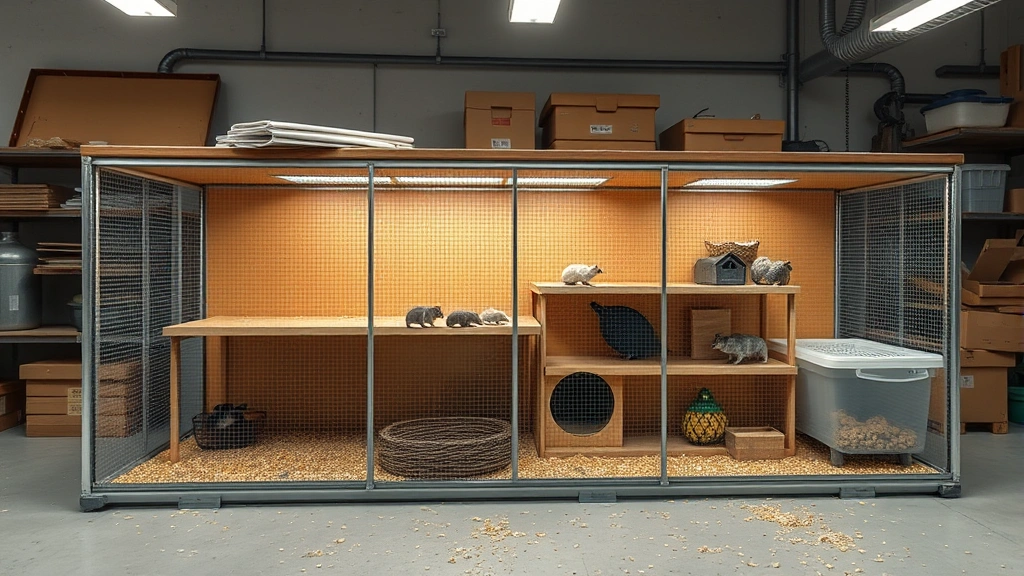
Your gjoobs need a dedicated space that supports reproductive behavior. The ideal breeding enclosure should be larger than standard housing—think of it as giving them room to establish nesting areas and maintain proper social distance. Temperature control is absolutely critical; gjoobs breed most successfully when temperatures stay between 68-72°F with humidity levels around 55-65%.
Lighting plays a surprisingly important role in triggering breeding cycles. A consistent 12-hour light/dark cycle mimics natural seasonal patterns that gjoobs instinctively respond to. Many successful breeders use programmable LED systems to maintain this schedule automatically. The enclosure should include multiple hiding spots, elevated platforms, and designated nesting areas where females feel secure enough to reproduce.
Ventilation matters more than most beginners realize. Poor air quality can suppress breeding hormones and increase stress levels, which directly reduces fertility. Install proper air circulation without creating drafts that stress your animals. Some breeders add live plants to their breeding enclosures, which improve air quality and provide psychological enrichment.
Selecting Your Breeding Pairs
Not every gjoob should breed, and choosing the right pairs is where genetics and responsibility intersect. Look for individuals that display excellent health markers: clear eyes, smooth skin or fur, appropriate weight, and active behavior. Avoid breeding animals with genetic issues, behavioral problems, or health conditions that could pass to offspring.
Genetic diversity is your friend here. Breeding closely related gjoobs increases the risk of genetic problems in offspring. If you’re working with a limited population, research genetic databases or connect with other breeders to introduce new bloodlines periodically. Many experienced breeders maintain detailed pedigree records to track genetic relationships across generations.
Personality compatibility matters too. Some gjoob pairs bond immediately and breed readily, while others need more time or never click. Introduce potential pairs gradually in neutral territory, observing their interactions carefully. Signs of compatibility include grooming behavior, synchronized movement patterns, and relaxed body language when in proximity.
Nutrition & Diet Requirements
Breeding gjoobs have significantly higher nutritional demands than non-breeding adults. Females preparing for pregnancy need extra calories, protein, and specific micronutrients that support fetal development. Start increasing food quality and quantity about 4-6 weeks before your planned breeding date. Quality matters as much as quantity—premium feeds formulated for reproductive animals outperform standard diets.
Calcium and phosphorus ratios become critical during breeding and pregnancy. An imbalance can cause serious health complications in females and weak offspring. Most quality breeding feeds address this, but verify the nutritional analysis on packaging. Some breeders supplement with specialized breeding formulas or add calcium-rich foods like leafy greens to ensure adequate micronutrient intake.
Hydration is often overlooked but absolutely essential. Pregnant and nursing females need constant access to fresh, clean water. Some breeders add electrolyte supplements to water during breeding season to support metabolic demands. Track your gjoobs’ eating and drinking patterns—sudden changes often indicate stress or health issues that could impact breeding success.
Breeding Cycle & Timeline
Understanding the gjoob breeding cycle helps you time introductions and prepare for offspring. Most gjoobs have breeding cycles that repeat every 4-6 weeks during their active season. Females show behavioral changes during fertile windows—increased activity, different vocalizations, and receptiveness to males. Learning to recognize these signals dramatically improves your breeding success rates.
Once a pair bonds and breeding occurs, gestation typically lasts 28-35 days depending on individual variation. Mark your calendar and monitor the female closely during this period. She may eat more, seek out nesting materials, and display nesting behavior 3-5 days before giving birth. These signs help you prepare the birthing area and ensure you’re present if complications arise.
The breeding season itself varies by gjoob type and your geographic location. Some strains breed year-round, while others have defined seasons. Research your specific gjoob variety to understand their natural breeding patterns. Many breeders follow seasonal breeding to align with natural cycles, which often produces healthier offspring and more successful pregnancies.
Monitoring Pregnancy Development
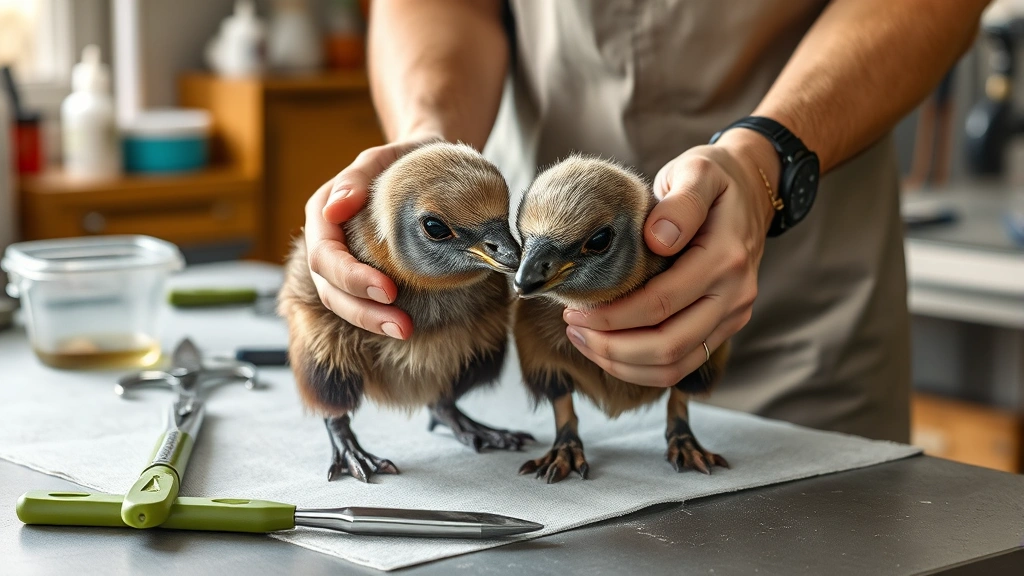
Pregnant gjoobs need extra attention and careful monitoring. Weight gain is the most obvious sign—females typically gain 15-25% of their pre-pregnancy body weight. Regular weigh-ins every 3-4 days help you track progress and catch problems early. A scale accurate to 0.1 ounces makes a huge difference in monitoring precision.
Behavioral changes accompany physical development. Pregnant females often become more protective, spend more time in nesting areas, and may refuse certain foods they previously enjoyed. Some females experience temporary appetite changes during early pregnancy—this is usually normal, but persistent loss of appetite warrants veterinary consultation.
Handle pregnant gjoobs gently and minimize stress. Rough handling or environmental disruptions can trigger miscarriage or premature labor. Create a calm, quiet space where the female feels secure. Some breeders reduce handling entirely during the final two weeks of pregnancy. Keep the enclosure clean but avoid major disruptions to the setup that might stress the mother.
Preparing for Offspring
Success after breeding depends heavily on preparation before birth. Set up a dedicated birthing area within the main enclosure—a separate compartment or nesting box where the female can deliver without interruption. Line it with soft, absorbent nesting material like aspen shavings or paper-based bedding. Avoid cedar and pine, which are toxic to gjoobs.
Have emergency supplies on hand before the due date. Keep contact information for an exotic animal veterinarian readily available. Stock extra food, specialized formula if hand-rearing becomes necessary, and heating equipment. Many breeders keep a heat lamp on standby, as newborn gjoobs struggle to regulate body temperature independently.
Prepare separate housing for offspring if you plan to keep them. Young gjoobs need enclosures scaled to their size, with appropriate hiding spots and feeding stations. Plan your breeding timeline so you’re not overwhelmed managing multiple age groups simultaneously. Consider whether you’ll sell, rehome, or keep offspring before breeding begins.
Caring for Newborn Gjoobs
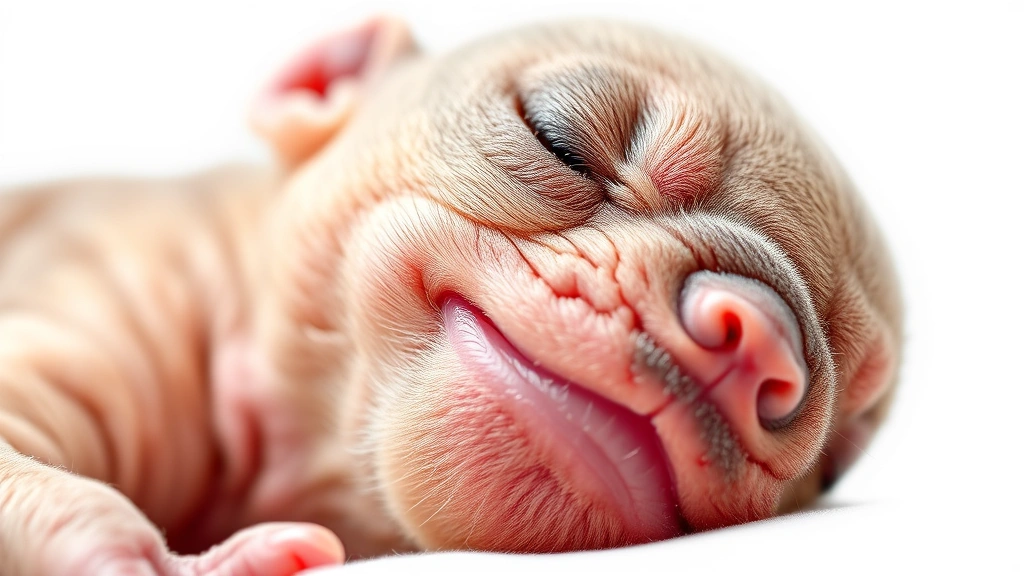
Newborn gjoobs are incredibly vulnerable during their first weeks. The mother typically handles most care—cleaning, nursing, and temperature regulation. Your job is supporting the mother and monitoring for complications. Minimize disturbance during the first 48 hours after birth; the mother needs to bond with her offspring without interference.
Observe nursing behavior starting day two. Healthy newborns nurse frequently and gain weight steadily. Weigh them daily if possible—weight loss or stagnation indicates feeding problems. If the mother isn’t nursing adequately, you may need to supplement with formula. This requires specialized gjoob formula and precise feeding techniques; consult an exotic animal veterinarian for guidance.
Temperature stability is critical for newborns. The enclosure should maintain 70-75°F during the first 2-3 weeks. Gradually allow temperatures to cool to normal ranges as the young gjoobs develop fur and improve thermoregulation. Humidity should stay around 60-70% to prevent respiratory issues in young animals.
Common Breeding Mistakes
Beginners often rush into breeding without adequate preparation. The most common mistake is breeding animals too young or too old. Gjoobs under 10 months or over 6 years have significantly lower breeding success rates and higher complication risks. Establish age guidelines and stick to them regardless of how eager you are to produce offspring.
Another frequent error is inadequate genetic screening. Breeding animals with known genetic problems or health issues perpetuates problems in the population. It’s tempting to breed your favorite animals, but responsible breeding requires setting aside personal preferences for genetic health. This is where connecting with experienced breeders and maintaining detailed records pays dividends.
Environmental mistakes sabotage even genetically sound pairs. Inconsistent temperatures, poor lighting schedules, and inadequate nutrition suppress breeding behavior and reduce success rates. Many beginners assume their standard pet setup works for breeding—it doesn’t. Breeding enclosures require deliberate optimization that goes beyond basic care standards.
Troubleshooting Fertility Issues
If your gjoobs aren’t breeding despite meeting all requirements, fertility issues might be the culprit. Stress is the number-one fertility killer. Excessive handling, environmental changes, or social conflicts can completely shut down reproductive behavior. Evaluate your setup for stressors and systematically eliminate them. Sometimes simply reducing human interaction for a few weeks restores breeding behavior.
Nutritional deficiencies also suppress fertility. Even minor imbalances in vitamins or minerals can prevent breeding cycles. Consider upgrading to a premium breeding diet or adding targeted supplements. Consult with a veterinarian experienced with gjoobs to rule out nutritional causes before assuming genetic incompatibility.
Age mismatches sometimes prevent breeding success. If one partner is significantly older or younger than the other, breeding behavior may not synchronize. Try pairing animals closer in age, or rotate partners if you have multiple breeding-age gjoobs available. Some pairs simply don’t click—don’t force it; move on to different combinations.
Frequently Asked Questions
At what age can gjoobs start breeding?
Gjoobs typically reach sexual maturity between 8-12 months old, but responsible breeding usually starts closer to 12-14 months when animals are fully physically developed. Breeding too young increases health risks for mothers and reduces offspring viability.
How many offspring do gjoobs typically have?
Litter sizes vary significantly by gjoob type and individual female, but most first-time mothers produce 2-5 offspring. Experienced females sometimes have larger litters. Genetics and maternal nutrition influence litter size substantially.
Can I breed gjoobs year-round?
Some gjoob varieties breed year-round, while others have defined breeding seasons. Research your specific type’s natural breeding patterns. Following seasonal breeding often produces healthier offspring and more successful pregnancies.
What should I do if the mother rejects her offspring?
Rejection is rare but happens occasionally due to stress, poor health, or inadequate maternal instinct. If this occurs, you’ll need to hand-rear offspring using specialized formula and feeding techniques. Consult an exotic animal veterinarian immediately for guidance on proper hand-rearing protocols.
How long does gjoob pregnancy last?
Gestation typically lasts 28-35 days depending on individual variation and environmental factors. Temperature and nutrition influence gestation length slightly. Mark your calendar and monitor the female closely during this period for signs of impending labor.
What’s the best way to introduce breeding pairs?
Introduce potential pairs gradually in neutral territory, observing their interactions carefully. Watch for grooming behavior, synchronized movement, and relaxed body language. If they show aggression or stress, separate them and try different combinations. Some pairs need multiple introductions before bonding.
Should I hand-rear or let the mother raise offspring?
Maternal rearing is almost always preferable if the mother is healthy and bonded to her offspring. Hand-rearing requires specialized knowledge, equipment, and formula. Only pursue hand-rearing if the mother cannot care for her young or if you’re specifically breeding for taming young animals.
How do I prevent genetic problems in offspring?
Maintain detailed pedigree records, avoid breeding related animals, screen breeding candidates for genetic issues, and introduce new bloodlines periodically. Connect with other responsible breeders to access genetic databases and share information about problem traits to avoid.
Conclusion
Breeding gjoobs successfully requires combining proper environmental setup, careful animal selection, attentive nutrition, and dedicated monitoring throughout the breeding cycle. Start with healthy, genetically diverse breeding stock, optimize your enclosure for reproductive success, and maintain meticulous records of your breeding program. The learning curve is steep, but thousands of successful breeders started exactly where you are now. Join breeding communities, learn from experienced mentors, and don’t hesitate to consult veterinarians when questions arise. Your commitment to responsible breeding practices ensures healthy offspring and contributes positively to the broader gjoob-keeping community. Whether you’re pursuing this as a serious hobby or exploring it casually, the satisfaction of successfully raising a new generation of gjoobs makes every challenge worthwhile.
For more information on specialized care topics, check out our guide on optimizing your digital setup for documentation, or explore our collection of nutrition-focused guides. You might also find value in learning about creative feeding approaches that some breeders adapt for their programs.
For authoritative information on exotic animal breeding, consult resources from Family Handyman, This Old House, and Bob Vila, which maintain comprehensive guides on specialized animal care and breeding practices.


