

Learning how to boost progesterone levels naturally can be a game-changer for your hormonal health, energy, mood, and overall wellbeing. Whether you’re dealing with irregular cycles, mood swings, or just want to optimize your body’s natural rhythm, understanding the practical steps to support progesterone production is something every person should know about.
Table of Contents
Understanding Progesterone Basics
Before diving into specific strategies for boosting progesterone, it helps to understand what this hormone actually does. Progesterone is produced primarily in the ovaries after ovulation, and it plays a critical role in regulating your menstrual cycle, supporting pregnancy, and maintaining overall hormonal balance. Think of it as your body’s natural calming agent—it promotes relaxation, improves sleep quality, and helps stabilize mood throughout your cycle.
Low progesterone levels can lead to irregular periods, anxiety, poor sleep, and reduced fertility. The good news? You have significant control over supporting your body’s natural progesterone production through lifestyle and dietary choices. This isn’t about forcing your body to do something unnatural; it’s about removing obstacles and providing the right conditions for your endocrine system to function optimally.
Prioritize Quality Sleep
Sleep is non-negotiable when it comes to hormone regulation. Your body produces progesterone in cycles that are tightly linked to your circadian rhythm. When you’re sleep-deprived, your entire hormonal cascade gets disrupted, and progesterone production suffers significantly.
Aim for 7-9 hours of consistent sleep each night, going to bed and waking at roughly the same time daily. Create a sleep sanctuary: keep your bedroom cool (around 65-68°F is ideal), dark, and quiet. About an hour before bed, dim the lights and put away screens—blue light suppresses melatonin, which indirectly impacts progesterone regulation. If you’re serious about hormonal health, treat sleep like the foundation it is. Many people find that simply fixing their sleep schedule produces noticeable improvements in energy and mood within 2-3 weeks.
Manage Stress Effectively
Chronic stress is progesterone’s enemy. When you’re stressed, your body prioritizes cortisol production over progesterone, essentially stealing the resources your body needs for balanced hormone levels. This is a survival mechanism—your body thinks it’s in danger and focuses on immediate threat response rather than reproductive health.
The solution isn’t to eliminate stress (impossible) but to build consistent stress-management practices. This could be daily meditation, even just 10 minutes, yoga, deep breathing exercises, journaling, or time in nature. Find what actually feels good to you—not what you think you should do. Walking outside for 20 minutes can be as effective as a structured workout when it comes to stress reduction. The key is consistency and choosing practices that genuinely calm your nervous system rather than creating more pressure.
Build Smart Exercise Habits
Exercise boosts progesterone, but the type and timing matter more than you’d think. Moderate, consistent exercise is ideal—think 30-45 minutes of walking, swimming, cycling, or yoga most days of the week. This is different from intense HIIT workouts or extreme endurance training, which can actually suppress progesterone when done excessively.
The luteal phase (second half of your cycle) is when your body naturally craves more intense movement, so if you’re cycle-aware, you can adjust your workouts accordingly. During the follicular phase, lighter movement works beautifully. If you’re considering supplementation like creatine, pair it with appropriate exercise—consistent, moderate movement supports both muscle health and hormonal balance. Avoid over-exercising, which increases cortisol and works against progesterone production.
Eat Progesterone-Supporting Foods
Your diet directly influences progesterone levels. Focus on whole foods that provide the building blocks your body needs: cholesterol (yes, really—it’s the precursor to progesterone), vitamin B6, magnesium, and zinc.

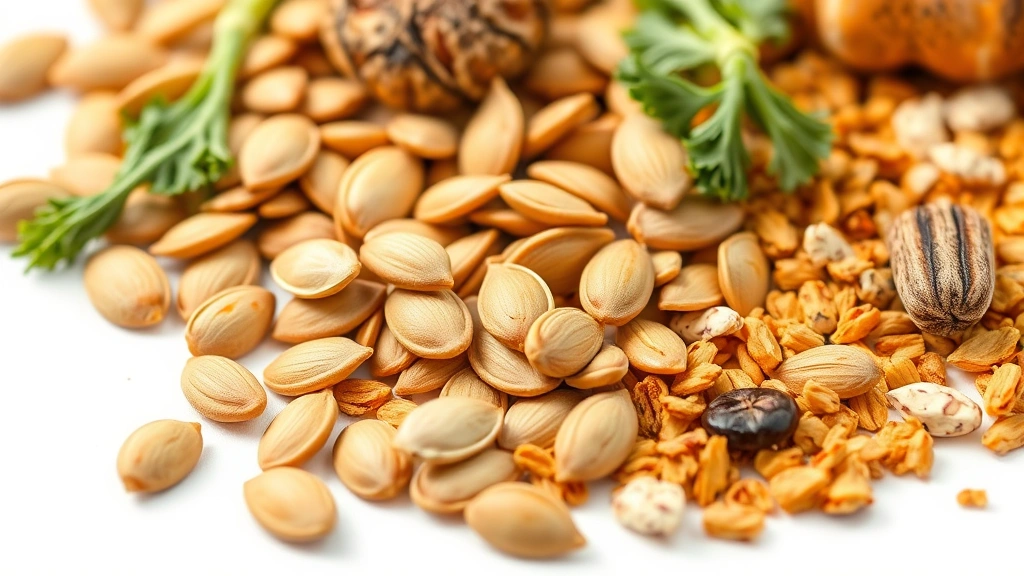
Include these regularly: grass-fed beef, wild-caught salmon, eggs, nuts and seeds (especially pumpkin and sunflower seeds), leafy greens, avocados, and legumes. Baked chicken drumsticks provide excellent protein and micronutrients that support hormone production. Add fermented foods like sauerkraut and kimchi to support gut health—your microbiome plays a surprising role in hormone metabolism. Reduce processed foods, refined sugar, and excessive caffeine, which can interfere with progesterone balance. Think of food as information for your body; every meal either supports or undermines your hormonal goals.
Consider Key Supplements
While food should be your foundation, certain supplements can provide targeted support. Magnesium glycinate (200-400mg daily) supports both stress reduction and progesterone synthesis. Vitamin B6 (50-100mg daily) is essential for progesterone metabolism. Zinc (15-30mg daily) supports ovulation and progesterone production.
Vitex (chasteberry) is a well-researched herb that many people use to support progesterone in the luteal phase. If you’re considering any medical interventions, consulting with a healthcare provider like a nurse practitioner can help you determine what’s appropriate for your specific situation. Supplements aren’t magic—they work best alongside the lifestyle strategies mentioned here. Start with one or two and give them 2-3 months to show effects.
Track Your Cycle Patterns
You can’t optimize what you don’t measure. Start tracking your cycle using a simple app, calendar, or notebook. Note your period dates, energy levels, mood, sleep quality, and any symptoms. After 2-3 cycles, patterns emerge that reveal your body’s unique rhythm.
This information is invaluable—it shows you when progesterone is naturally highest (usually days 19-21 of a 28-day cycle) and helps you identify if low progesterone is actually your issue. Some people think they have low progesterone when they actually have other hormonal imbalances. Tracking also helps you time supplements, adjust exercise intensity, and recognize what actually works for your body rather than following generic advice.
Reduce Endocrine Disruptors
Your environment matters more than most people realize. Endocrine-disrupting chemicals (EDCs) are found in plastics, non-organic produce, conventional personal care products, and household cleaners. These compounds can interfere with your body’s hormone production and metabolism.
Start small: switch to glass or stainless steel containers instead of plastic, buy organic for the “Dirty Dozen” produce items, and choose natural cleaning products. Look for personal care products without phthalates and parabens. You don’t need to be perfect—even reducing your exposure by 20-30% makes a measurable difference in hormone levels. If you’re managing any medical conditions, discuss these changes with your healthcare provider to ensure they don’t interact with medications you might be taking.
Get Adequate Sunlight
Natural light exposure regulates your circadian rhythm, which directly influences progesterone production. Aim for 20-30 minutes of sunlight exposure in the morning, ideally within an hour of waking. This sets your circadian clock and supports healthy melatonin production at night, which cascades into better progesterone synthesis.
Sunlight also boosts vitamin D production, and research shows vitamin D deficiency correlates with low progesterone. If you live in a northern climate or can’t get regular sun exposure, consider a vitamin D3 supplement (1000-2000 IU daily). The relationship between light exposure and hormonal health is profound—it’s one of the most underrated interventions for hormonal balance.
Frequently Asked Questions
How long does it take to see results from these changes?
Most people notice improvements in sleep, mood, and energy within 2-4 weeks of consistent implementation. Actual progesterone level changes typically take 2-3 full cycles (8-12 weeks) to become apparent. Hormonal systems move slowly—be patient and consistent rather than expecting overnight transformation.
Can I boost progesterone if I’m not menstruating?
Yes, these strategies support overall hormonal health regardless of menstrual status. If you’re on hormonal birth control, post-menopausal, or have irregular cycles, the lifestyle foundations—sleep, stress management, exercise, and nutrition—still apply and create a healthier hormonal environment.
Should I get my progesterone levels tested?
Testing can be helpful, but it’s important to understand that progesterone fluctuates significantly throughout your cycle. A single test is often misleading. If you suspect a progesterone issue, ask your doctor for testing on day 21 of your cycle (the luteal phase peak) for a more accurate picture. Functional medicine practitioners often take a more detailed approach to hormonal testing.
Are there any foods I should avoid?
Excessive alcohol, refined sugar, and highly processed foods can interfere with progesterone balance. These aren’t foods to eliminate entirely, but rather to minimize. Focus on what you’re adding (whole foods, nutrients) rather than obsessing over what you’re removing.
Can exercise actually lower progesterone?
Yes—excessive high-intensity exercise without adequate recovery can elevate cortisol and suppress progesterone. This is why moderate, consistent exercise is recommended over extreme training. If you’re an intense athlete, working with a sports nutritionist familiar with female hormonal cycles can help you optimize your training approach.
Summary and Next Steps
Boosting progesterone levels naturally comes down to creating conditions where your body can function optimally. Start with the fundamentals: prioritize sleep, manage stress, move your body consistently, and eat whole foods rich in the nutrients your body needs. These aren’t quick fixes—they’re foundational practices that support not just progesterone but your entire endocrine system and overall health.
Pick 2-3 strategies that resonate with you and implement them consistently for 4-6 weeks before adding more. This approach is far more effective than trying to overhaul everything at once. Your body is designed to produce adequate progesterone when given the right conditions—remove the obstacles, provide the building blocks, and trust the process. Most importantly, if you’re dealing with significant hormonal symptoms, work with a qualified healthcare provider to rule out underlying conditions and get personalized guidance.


