
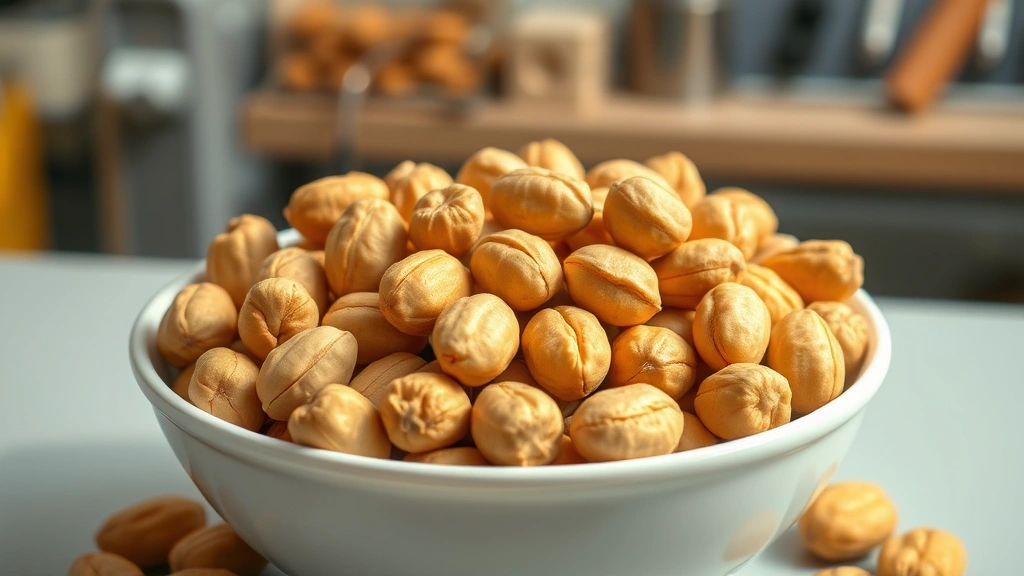
How to boil peanuts is a time-honored Southern tradition that transforms raw or green peanuts into a savory, tender snack that’ll have you reaching for more. If you’ve never tried boiled peanuts, you’re missing out on one of the South’s best-kept culinary secrets—and the good news is that making them at home is dead simple, requiring just a handful of ingredients and a little patience.
Table of Contents
Choosing Your Peanuts
The foundation of great boiled peanuts starts with getting the right type. You’ll want green peanuts—these are raw, unroasted peanuts still in their shell with a slightly fuzzy exterior. They’re nothing like the dry roasted peanuts you find in the snack aisle. Green peanuts are typically available from July through September during harvest season, though you can find frozen ones year-round at specialty stores or online.
If you can’t track down green peanuts, raw peanuts in the shell work too, though they’ll take longer to cook and won’t have quite the same tender texture. Avoid using roasted peanuts—they’re already processed and won’t yield the creamy, savory result you’re after. Fresh is always better here, so hit up your local farmers market or order from a reputable source.
Prep Work Matters
Before you dump your peanuts in a pot, give them a good rinse under cold running water. Use a colander and scrub them gently with your hands to remove any dirt or debris clinging to the shells. This step only takes a minute but makes a real difference in the final product. You’re not trying to scrub the fuzz off—just clean away the grime from the field.
Next, sort through your batch and toss out any cracked, moldy, or damaged shells. These can absorb too much water and throw off your seasoning balance. A quick visual inspection saves headaches later. If you’re working with a large batch, doing this in stages makes the job less tedious.
Basic Boiling Recipe
Here’s the no-fuss starting point for boiling peanuts that works every time:
Ingredients:
- 2 pounds fresh green peanuts in shell
- Water (enough to cover peanuts by 2 inches)
- ½ cup kosher salt (or sea salt)
- 2 tablespoons Old Bay seasoning (optional but recommended)
- 1 teaspoon cayenne pepper (adjust to taste)
- 4 cloves garlic, smashed
- 2 bay leaves
Steps:
Fill your largest pot with water and bring it to a rolling boil. Add your cleaned peanuts and let them come back to a boil. This initial boil helps them cook evenly. Add your salt, Old Bay, cayenne, garlic, and bay leaves. Reduce heat to a simmer and cover partially with a lid. Now comes the hard part—waiting. Stir occasionally and keep the water level consistent, adding more as needed to maintain that 2-inch coverage.
Unlike canned black beans that cook in minutes, boiled peanuts demand time. We’re talking 3 to 4 hours minimum, sometimes longer depending on how fresh your peanuts are and how tender you like them. Start taste-testing at the 2.5-hour mark. A perfectly boiled peanut should be soft enough to pop out of its shell easily but still have some structure.
Seasoning Options
The beauty of boiling peanuts is the flexibility you get with flavoring. The basic recipe above is a solid foundation, but don’t be afraid to experiment. Some folks swear by a simple salt-and-water approach with just a hint of garlic. Others load up with Cajun spices, hot sauce, or even dill.
Try adding a tablespoon of pickling spice, a few dried red chilies, or some fresh rosemary sprigs. You could incorporate soy sauce for an Asian-inspired twist, or go full low-country with shrimp boil seasoning. The water will absorb these flavors as it simmers, so bold is better—the peanuts themselves are fairly neutral and soak up whatever you throw at them. Think of it like seasoning a big pot of best summer recipes—you want enough salt and spice to really make an impact.
Cooking Time Guide
Cooking time varies based on several factors. Fresh, tender green peanuts might be ready in 2.5 to 3 hours. Larger peanuts or frozen ones can take 4 to 6 hours. The only real way to know is to test them periodically.
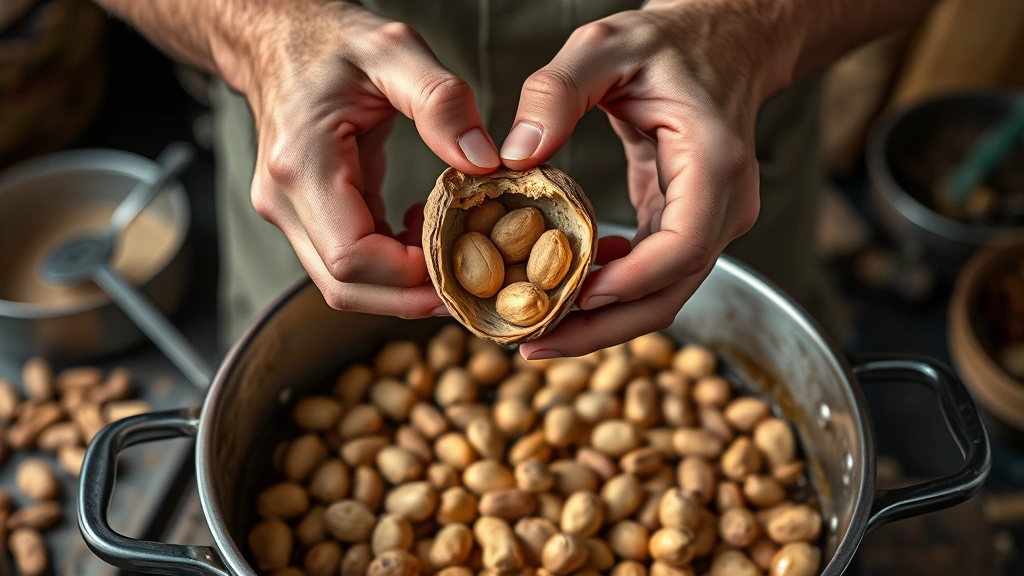
Start checking at 2 hours by removing a peanut with a slotted spoon. Let it cool for a minute, then crack it open. The kernel should pop out easily without requiring aggressive cracking. If it’s still tough or stuck to the shell, give it another 30 minutes and try again. This isn’t an exact science, so patience and taste-testing are your best friends here.
Pro tip: The longer you cook them, the softer and saltier they become. Some people like them al dente (just tender), while others prefer them almost mushy. Decide your preference and adjust accordingly. Keep your stove at a gentle simmer—a rolling boil can cause the shells to split and make a mess.
Storage and Keeping
Once your peanuts reach peak tenderness, you’ve got options. You can eat them warm right out of the pot—that’s the best way, honestly. But if you’re making a big batch, you’ll want to store them properly.
Let them cool completely, then transfer them to an airtight container with some of the cooking liquid. They’ll keep in the refrigerator for up to a week. For longer storage, freeze them in freezer bags or containers for up to three months. When you’re ready to eat them, just thaw them in the fridge and reheat gently on the stovetop with a splash of water.
The shells protect the kernels well, so boiled peanuts actually age pretty gracefully. Some folks argue they taste even better the next day after the flavors have fully settled in. Just like storing cassava recipes properly, keeping them in their liquid prevents them from drying out.
Common Problems
Peanuts still hard after 4 hours: Your peanuts might be older or dried out. Try adding a teaspoon of baking soda to the water—it softens the shells and speeds up cooking. Or simply accept that some batches need extra time.
Mushy, falling-apart peanuts: You’ve gone too long. Reduce cooking time by 30 minutes next batch. Remember that they continue to soften slightly as they cool.
Bland peanuts: You didn’t use enough salt. Boiling peanuts need aggressive seasoning—don’t be shy. The salt penetrates the shell and seasons the kernel. If your batch turned out bland, you can always reheat them with additional seasoning.
Cloudy or discolored water: This is normal and happens as starches leach out. It doesn’t affect the quality of your peanuts. You can drain and replace the water halfway through cooking if you prefer, though it’s not necessary.
Flavor Variations
Once you’ve mastered the basic method, branch out. Try a Cajun version with extra cayenne, paprika, and a splash of hot sauce. Make a garlic lover’s batch with a full head of garlic cloves and fresh garlic powder. Go Asian-inspired with soy sauce, ginger, and a few dried chilies.
For a low-country boil style, add corn, smoked sausage, and potatoes to the pot during the last 30 minutes of cooking—similar to how you’d prepare chicken legs in oven as part of a larger meal. You could even try a dill pickle version with dill, vinegar, and pickling spices for something completely different.
The key is starting with a solid base recipe and tweaking from there. Keep notes on what works so you can replicate your favorites. Every region and family has their own take, so don’t hesitate to develop your signature style.
Frequently Asked Questions
Can I use a slow cooker or pressure cooker?
Absolutely. A slow cooker on low for 6 to 8 hours works great—just add all your ingredients and let it do the work. An Instant Pot or pressure cooker cuts the time to about 45 minutes on high pressure. Both methods produce excellent results, though stovetop gives you more control over the final texture.
What’s the difference between green peanuts and raw peanuts?
Green peanuts are freshly harvested and haven’t been dried. They’re softer to begin with and cook faster. Raw peanuts have been dried but not roasted. Green is preferable for boiling, but raw works in a pinch—just add an hour or two to your cooking time.
Do I need to shell them before boiling?
No—boil them in the shell. The shell protects the kernel and allows the seasoning to penetrate evenly. Plus, part of the fun is cracking them open and popping them in your mouth. Shelled peanuts would become mushy and lose their distinctive texture.
Can I make boiled peanuts without salt?
You can, but you’ll miss the whole point. Salt is essential to the flavor profile and helps the seasoning penetrate the shell. If you’re watching sodium, use less salt but don’t skip it entirely. You need at least ¼ cup per 2 pounds of peanuts.
How do I know when they’re done?
Test one by cracking it open. The kernel should pop out easily without resistance. If you have to fight it, cook longer. If it’s falling apart, you’ve gone too far. Taste is the ultimate judge—cook until they match your preference for tenderness.
Can I reuse the cooking water?
Yes, if you’re making multiple batches, the seasoned water actually improves with use. Just top it off with fresh water and peanuts, and bring back to a boil. Some folks save their cooking liquid for months, adding to it each time. It becomes incredibly flavorful.
Are boiled peanuts healthy?
Boiled peanuts are nutritious—they’re high in protein, fiber, and healthy fats. The main concern is sodium content since the recipe calls for a good amount of salt. If that’s a worry, rinse them before eating or reduce salt in future batches. They’re definitely healthier than fried snacks and similar in nutrition to salmon at 375 in terms of protein content.
Final Thoughts
Boiling peanuts at home is one of those cooking projects that seems intimidating until you realize it’s just boiling water with some seasoning. There’s no special equipment needed, no fancy techniques—just time and attention. Once you nail down your preferred flavor profile and cooking time, you’ll be making batches regularly. Whether you’re enjoying them as a casual snack, serving them at a backyard gathering, or sharing them as gifts, homemade boiled peanuts beat anything you can buy. Give it a shot this season, and you’ll understand why Southerners have been boiling peanuts for generations.


