
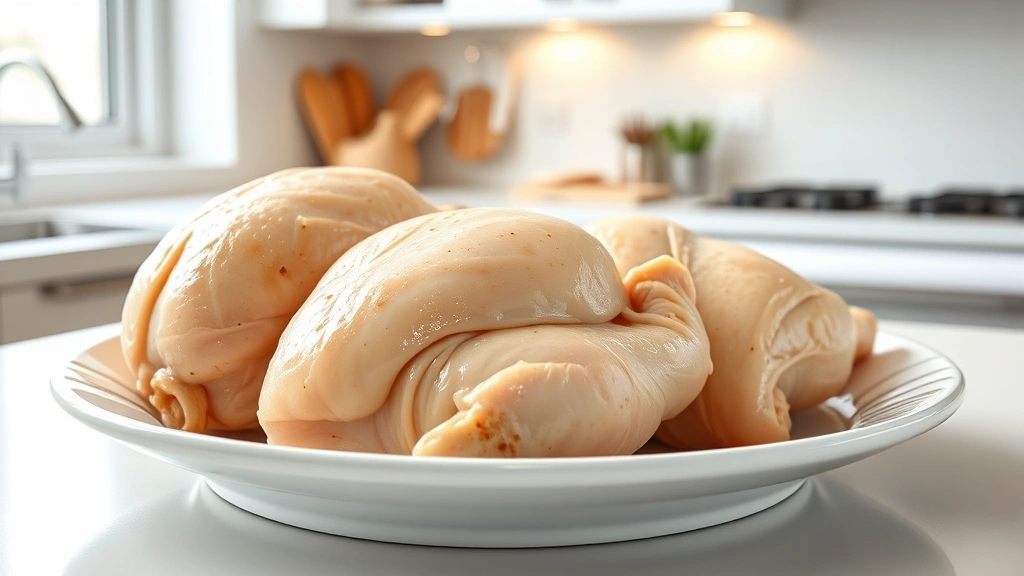
Learning how to boil chicken for dogs is one of the easiest ways to give your furry friend a nutritious, wholesome meal that beats most commercial dog foods. Whether you’re looking to supplement kibble, prepare homemade dog meals, or create a special treat, boiled chicken is pure protein gold—and I’ll walk you through exactly how to do it right.
Table of Contents
Why Boiled Chicken Works
Boiled chicken is a game-changer for dog nutrition. It’s lean, digestible, and packed with protein that supports muscle development and repair. Unlike processed treats loaded with fillers and preservatives, boiled chicken is pure food—nothing your dog’s stomach has to work overtime processing.
The beauty here is simplicity. No fancy equipment, no complicated recipes, no mystery ingredients. You’re literally just cooking chicken in water. Dogs thrive on this stuff because their bodies recognize it as real food. Plus, if your pup has a sensitive stomach or allergies to commercial dog food ingredients, boiled chicken often becomes the safe baseline that vets recommend.
The cooking method matters too. Boiling keeps the chicken moist and breaks down the protein structure slightly, making it easier for your dog to digest compared to raw or heavily processed options. It’s the Goldilocks of dog food preparation—not too complicated, not too simple, just right.
Choosing the Right Chicken
Start with quality chicken. You’ve got a few options here, and they all work, but some are better than others.
Boneless, skinless chicken breasts are the MVP choice. They’re lean, easy to work with, and shred nicely for mixing into meals. One breast per medium dog is a solid serving. Chicken thighs work too and contain more fat, which some dogs actually need, especially active ones. Whole chickens are budget-friendly if you’re cooking for multiple dogs or want to use the bones for broth (though remove all bones before serving to your pup).
Skip the seasoned or pre-marinated stuff. Your dog doesn’t need garlic, onions, salt, or spices—in fact, garlic and onions are toxic to dogs. Buy plain, unseasoned chicken. Organic or pasture-raised is nice if your budget allows, but regular grocery store chicken works just fine. The key is that it’s fresh and hasn’t started turning gray.
Prep Before Boiling
Preparation takes about two minutes. Rinse the chicken under cold water to remove any surface bacteria. Pat it dry with paper towels. If you’re using a whole chicken, you don’t need to do much else. For breasts or thighs, leave them as-is—no need to cut them up yet.
Fill a large pot with enough water to cover the chicken by about two inches. Cold water is fine; you’re not searing anything here. The goal is gentle, even cooking. If you’re using healthy instant pot recipes as inspiration, you could absolutely use a pressure cooker instead, which cuts cooking time significantly, but traditional boiling on the stovetop is more forgiving for beginners.
Don’t add salt, broth cubes, seasonings, or anything else. Water only. Your dog’s kidneys don’t need the extra sodium, and plain chicken is actually more versatile—you can mix it with veggies like steamed carrots for variety without worrying about flavor conflicts.
Boiling Process Steps
Here’s where the magic happens, and it’s straightforward:
Step 1: Bring to a boil. Place your pot on the stove over high heat. Let the water come to a rolling boil—you’ll see big bubbles breaking the surface. This takes about 5-8 minutes depending on how much water you’re using.
Step 2: Add the chicken. Once the water is boiling, carefully place the chicken into the pot. It’ll cause the water to bubble up, which is normal. Use tongs to make sure it’s fully submerged.
Step 3: Reduce heat and simmer. Turn the heat down to medium or medium-low. You want a gentle simmer, not a rolling boil—that aggressive boiling can make the chicken tough and stringy. Aim for small bubbles breaking the surface occasionally.
Step 4: Cook for the right time. This depends on what you’re cooking. Boneless, skinless chicken breasts take 12-15 minutes. Thighs take 15-20 minutes. A whole chicken takes 45-60 minutes. The chicken is done when it reaches an internal temperature of 165°F (74°C) if you’re checking with a thermometer, or when it’s completely opaque throughout with no pink inside.
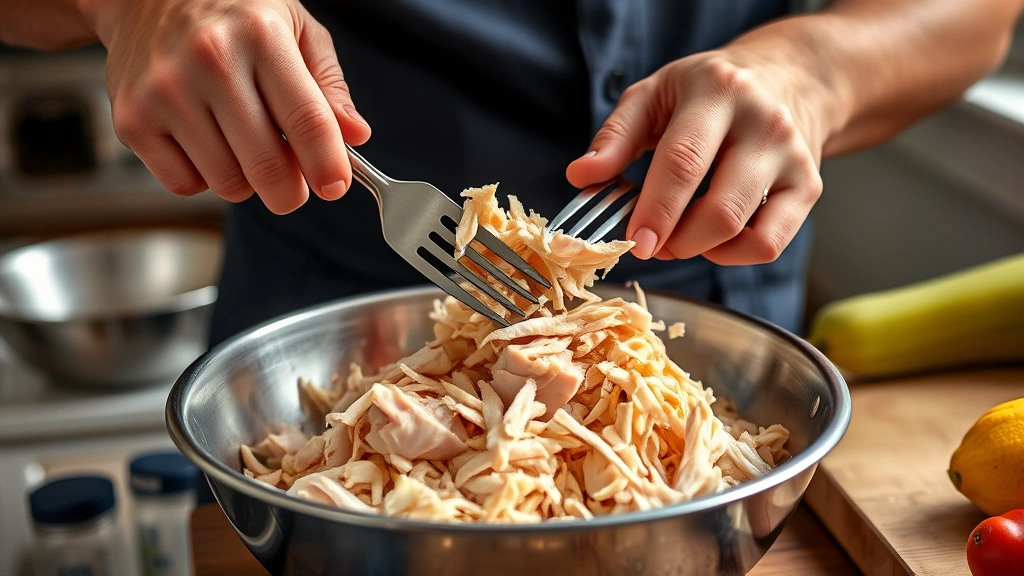
Step 5: Check for doneness. Pierce the thickest part with a fork. If juices run clear (not pink), you’re good. If there’s any pink, give it another few minutes.
Cooling & Storage Tips
Don’t serve boiling-hot chicken to your dog. Let it cool to room temperature—this takes about 30 minutes if you leave it in the pot, or 10-15 minutes if you transfer it to a shallow pan to speed things up. You can also run it under cool water, but that’s messier.
Once cooled, shred or chop the chicken into bite-sized pieces. Remove any bones if you used a whole chicken. This is important—cooked bones splinter easily and can cause serious digestive blockages.
Storage is where this gets practical: Refrigerated boiled chicken lasts 3-4 days in an airtight container. For longer storage, freeze it in ice cube trays (great for portion control), freezer bags, or containers for up to 3 months. Frozen chicken thaws overnight in the fridge or can go straight into meals if you’re mixing it with warm food.
Pro tip: Save the cooking water. That’s liquid gold for dogs—it’s nutrient-rich broth that you can drizzle over kibble or use to cook rice or veggies. Just let it cool first and store it the same way as the chicken.
Portion Guidelines
How much boiled chicken should your dog actually eat? It depends on their size and dietary needs.
Small dogs (under 20 lbs): 1/4 to 1/2 cup of boiled chicken per day as a meal supplement or treat.
Medium dogs (20-60 lbs): 1/2 to 1 cup per day.
Large dogs (over 60 lbs): 1 to 2 cups per day.
These are general guidelines. If you’re replacing part of their regular food with boiled chicken, reduce their kibble accordingly so they’re not overeating. Boiled chicken is lean and healthy, but it shouldn’t make up more than 10% of their daily calorie intake unless you’re doing a complete homemade diet—in which case, talk to your vet about balanced nutrition.
If your dog has never had boiled chicken before, start small. Give them a tablespoon or two to make sure their stomach handles it well. Some dogs are sensitive to dietary changes, and you don’t want digestive upset.
Mixing With Meals
Boiled chicken is incredibly versatile. You can serve it alone as a special treat, mix it with their regular kibble for added protein and flavor, or combine it with other dog-safe ingredients.
Mixing with veggies is popular. Steamed vegetables like carrots, green beans, and sweet potato add fiber and nutrients without extra calories. Just make sure whatever you add is dog-safe—no onions, garlic, grapes, raisins, or avocado.
You can also mix boiled chicken with cooked rice or oats for a complete meal. This is especially useful if you’re making homemade dog food. The combination of protein, carbs, and veggies creates a balanced meal that’s way more interesting than kibble alone.
Some owners use boiled chicken as a training reward instead of commercial treats. It’s healthier, cheaper, and most dogs go absolutely nuts for it. Shred it into tiny pieces for training sessions where you need lots of quick rewards.
Common Mistakes to Avoid
Let me save you some headaches by calling out what NOT to do:
Don’t season it. I mentioned this before, but it’s worth repeating. Garlic and onions are toxic to dogs. Salt, pepper, and spices can upset their stomach. Plain water only.
Don’t skip the cooling step. Hot chicken can burn your dog’s mouth and throat. Always let it cool completely.
Don’t leave bones in. Cooked bones splinter and can cause intestinal blockages. Remove every single one.
Don’t overcook it. Boiling chicken for 45 minutes straight will make it tough and dry. Stick to the time guidelines based on what you’re cooking.
Don’t serve it as a complete diet without vet guidance. Chicken alone doesn’t have all the nutrients dogs need long-term. It’s perfect as a supplement or part of a balanced homemade diet, but not as the only food.
Don’t ignore storage rules. Boiled chicken spoils like any cooked meat. Use it within 3-4 days if refrigerated, or freeze it for later.
Frequently Asked Questions
Can I boil chicken with the skin on?
Yes, you can. Skin doesn’t hurt dogs, though it’s higher in fat. If your dog is overweight or has digestive issues, remove the skin. Otherwise, it adds flavor and dogs usually don’t mind it. Just make sure there are no bones underneath.
Is boiled chicken safe for dogs with allergies?
Generally, yes. Boiled chicken is one of the most hypoallergenic proteins available. However, some dogs are allergic to chicken itself, which is rare but possible. If your dog has a known chicken allergy, obviously skip this. For most dogs with food sensitivities, boiled chicken is the safest bet.
Can puppies eat boiled chicken?
Absolutely. Boiled chicken is great for puppies—it’s gentle on their developing digestive systems and packed with protein for growth. Start with smaller portions and make sure it’s cooled completely. Puppies have sensitive mouths.
How long does boiled chicken last in the freezer?
Up to 3 months in an airtight container or freezer bag. After that, quality starts declining, though it’s technically still safe. For best results, use it within 2-3 months.
Can I use boiled chicken as a meal replacement?
You can, but it works best as a supplement. If you want to feed a complete homemade diet, boiled chicken should be part of a balanced recipe that includes other proteins, carbs, fats, and vegetables. Talk to your vet or a veterinary nutritionist to make sure you’re hitting all the nutritional requirements.
What if my dog won’t eat plain boiled chicken?
Most dogs go crazy for it, but if yours is picky, try mixing it with their regular food or drizzling it with the cooking broth. You can also chop it finely and mix it with something they already love. Some dogs just need time to warm up to new foods.


