
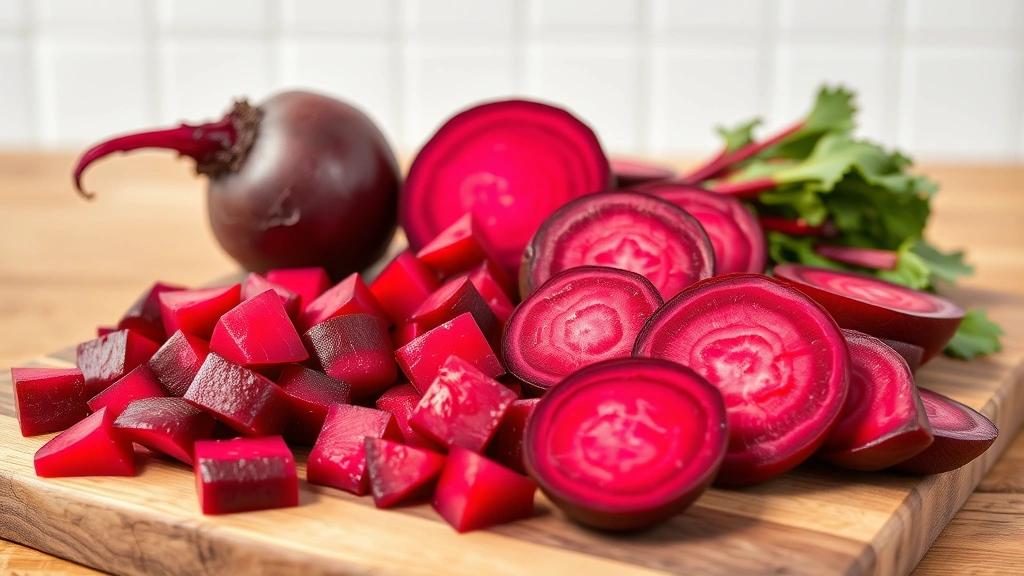
Learning how to boil beets is one of those kitchen skills that seems intimidating until you actually do it—then you realize it’s dead simple. Whether you’re prepping them for a salad, roasting, or just want tender beets ready to go, boiling is the fastest, most reliable method. I’m going to walk you through exactly what I do every time, from selecting the right beets to knowing when they’re perfectly tender.
Table of Contents
Choosing Fresh Beets
Before you even think about boiling, you need good beets. Hit the farmers market or grocery store and look for medium-sized beets—roughly 2 to 3 inches in diameter. Smaller beets cook faster and stay more tender; massive ones take forever and can get woody in the center. Avoid anything with soft spots, deep bruises, or wrinkled skin. The skin should be smooth and firm, with fresh-looking greens still attached if possible. That’s a sign they haven’t been sitting around for weeks.
Pro tip: if the greens are still attached, don’t throw them away. They’re edible and delicious sautéed or added to salads. Just trim them off before boiling.
Prep Work Matters
This is where most people mess up. Rinse your beets thoroughly under cold running water and scrub them gently with a vegetable brush to remove any dirt. Don’t peel them yet—that comes after boiling. The skin acts as a barrier that keeps the beets from bleeding out all their color and nutrients into the water.
Trim the stem and root ends, but leave about a half-inch of stem attached. If you cut too close, the beet will bleed. If you’re boiling beets of different sizes, separate them so similar-sized ones go in the same pot. This ensures even cooking instead of having some mushy and others still firm.
Boiling Time Guide
Fill a large pot with enough water to cover your beets by about 2 inches. Bring it to a rolling boil over high heat, then carefully add your cleaned beets. Once the water returns to a boil, reduce the heat to medium and let them simmer gently. Boiling too aggressively can cause them to split.
Here’s the timing breakdown:
- Small beets (1.5–2 inches): 25–35 minutes
- Medium beets (2–3 inches): 35–45 minutes
- Large beets (3+ inches): 45–60 minutes
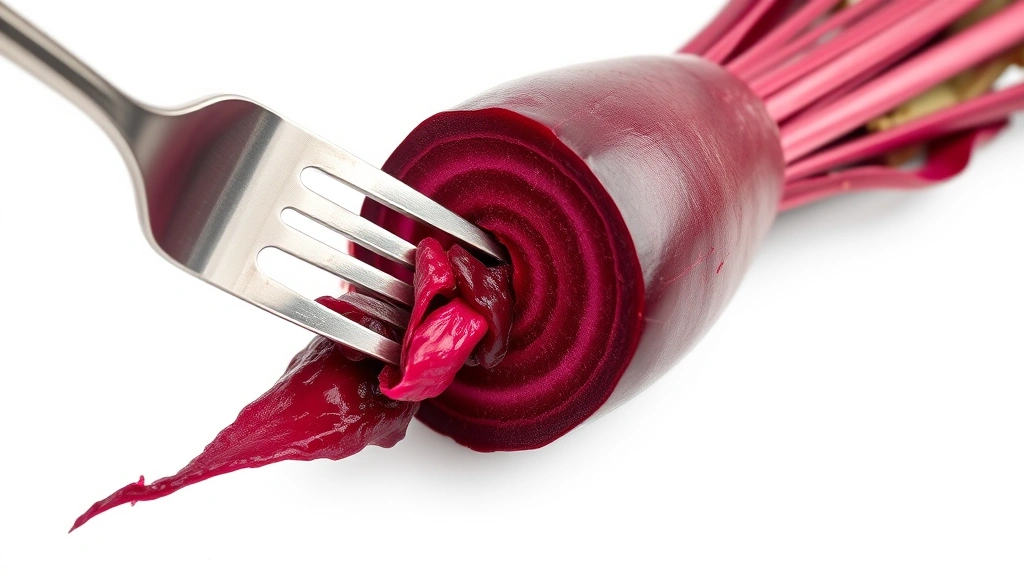
Start checking smaller beets around the 25-minute mark. You want them tender enough to pierce easily with a fork, but not falling apart. The exact time depends on your beets’ age, size, and how hot your stove runs.
Testing for Doneness
Don’t just guess—actually test them. Use a sharp knife or fork to pierce the thickest part of a beet. It should slide through with just a little resistance, like a cooked potato. If it’s hard in the middle, keep boiling. If it’s mushy, you’ve gone too far, but honestly, even slightly overcooked beets are still usable.
Another trick: the skin should slip off easily once they’re done. If you peel one and the skin fights you, they need more time. This is especially helpful for determining doneness without having to cut into them.
Cooling and Peeling
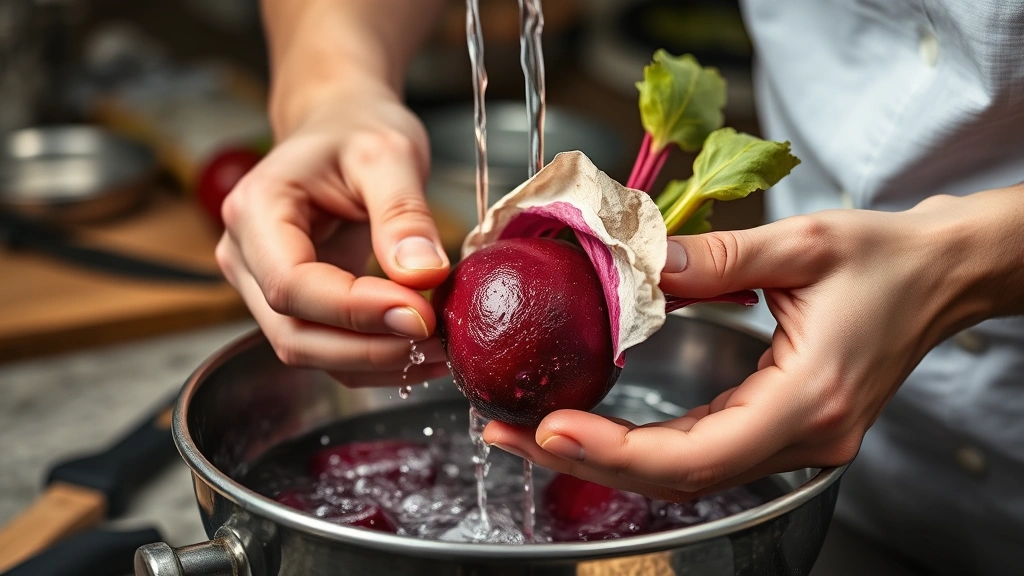
Once your beets are tender, drain them in a colander and let them cool until you can handle them comfortably—about 5 to 10 minutes. Don’t plunge them into ice water; that can shock them and make peeling harder. Just let them sit at room temperature.
Here’s the magic part: once they’re cool enough to touch, the skin practically slides off. Hold a beet under cool running water and gently rub it with your thumbs or a paper towel. The papery skin will come away in sheets. If it’s stubborn, you can use a vegetable peeler, but usually water and friction do the job. Your hands will get stained red—that’s totally normal and washes out with soap.
Cut the beets into whatever size you need: chunks for salads, slices for cucumber recipes and pickled preparations, or dice them for soups. If you’re making something like green enchilada recipe variations with roasted vegetables, boiled beets work great as a base component.
Storage Tips
Boiled beets keep in the fridge for up to 5 days in an airtight container. Store them in their own liquid (the cooking water or a light vinegar brine) to keep them moist and prevent them from drying out. If you want them to last longer, you can freeze boiled beets for up to 3 months. Just peel them, cut them into portions, and freeze them in freezer bags or containers.
Pro move: freeze them in ice cube trays with a little cooking liquid, then pop the cubes into bags. Perfect for adding to smoothies, soups, or side dishes without thawing a whole container.
Common Mistakes to Avoid
Don’t peel beets before boiling. You’ll lose color, nutrients, and they’ll take longer to cook. Don’t cut them into tiny pieces before boiling either—they’ll fall apart and turn to mush. Don’t skip the gentle simmer; a rolling boil can split them.
Another common mistake: overcrowding the pot. If you’re boiling a huge batch, use two pots or work in batches. Crowded beets don’t cook evenly. And please, don’t drain them immediately into the sink without tasting the cooking water first—it’s actually useful for pickling or adding to other dishes for color and earthy flavor.
Recipe Ideas After Boiling
Once you’ve mastered boiling beets, the possibilities open up. Toss them with almond flour bread recipe crumbles for a hearty salad. Pair them with jasmine rice recipes for an elegant side dish. Dice them and add them to healthy overnight oats recipe for unexpected earthiness and nutrition.
You can also pickle them, roast them further for deeper flavor, blend them into soups, or serve them cold as a salad base. Boiled beets are the foundation—what you do with them next depends on your appetite and what’s in your pantry. They pair beautifully with goat cheese, walnuts, dill, and vinegar-based dressings.
Frequently Asked Questions
Can I boil beets with the skin on?
Yes, and you should. The skin protects the beet during cooking, keeps it from bleeding out color, and makes peeling easier afterward. Just rinse and scrub them first.
Why are my boiled beets tough in the middle?
They didn’t cook long enough. Beets need a good 35–45 minutes for medium sizes. Undercooked beets are fibrous and unpleasant. If you’re consistently running into this, add 10 minutes to your cooking time and test again.
Can I speed up the boiling process?
Cut them into smaller pieces before boiling and they’ll cook faster—usually 15–20 minutes. The downside is they’ll lose more color and nutrients to the water. If you’re in a hurry, this trade-off might be worth it.
What’s the difference between boiling and steaming beets?
Steaming takes longer (45–60 minutes for medium beets) but preserves more nutrients and color. Boiling is faster and more foolproof for beginners. Both work; it depends on your priorities.
Do I need to add salt to the boiling water?
Not essential, but a pinch of salt enhances flavor slightly. Don’t overdo it—you’re not making a brine unless that’s your goal. A teaspoon per pot is plenty.
Can I reuse the boiling water?
Absolutely. It’s full of beet color and nutrients. Use it as a base for soups, to cook grains, or to pickle other vegetables. It’ll stain everything pink, so be careful, but it’s delicious.
Why do my hands get so stained?
Beets contain betalains, natural pigments that stain skin and fabric. Wear an apron, and if your hands get stained, rub them with lemon juice or vinegar before washing. The stain fades within a few hours anyway.
Wrap Up
Learning how to boil beets properly takes maybe one practice run before it becomes second nature. The whole process—from prep to peeling—takes about an hour for a batch of medium beets, and most of that is hands-off simmering time. Once you’ve got tender, perfectly cooked beets ready to go, you’ve unlocked a ton of salad, side dish, and snack possibilities. Keep them in the fridge, grab them when you need them, and enjoy beets that actually taste good instead of mealy or tough. That’s the real win here.


