
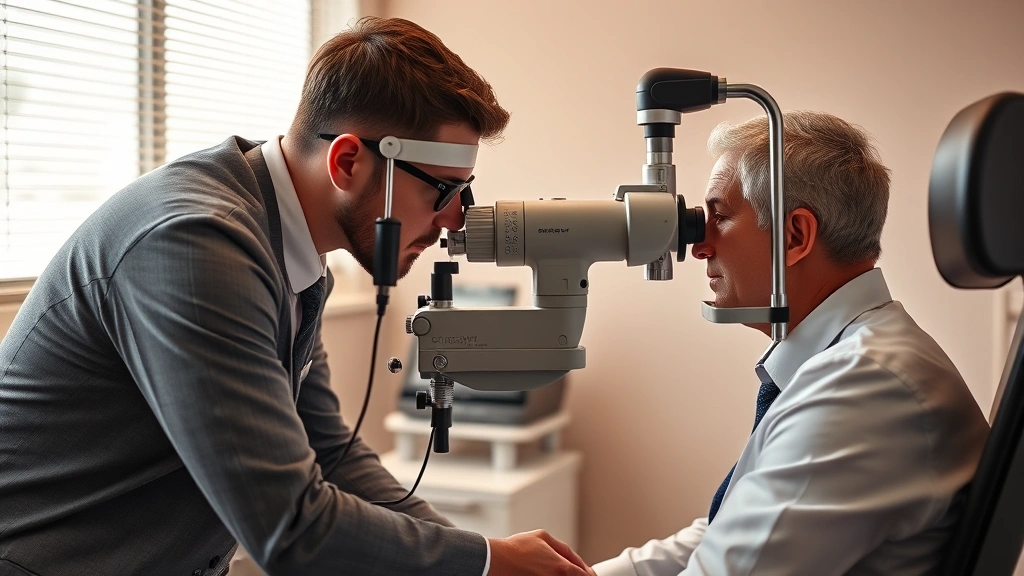
Learning how to become an optometrist is a rewarding path that combines science, patient care, and the satisfaction of helping people see clearly. Whether you’re drawn to the clinical side of eye care or the business of running your own practice, this guide walks you through every step of the journey—from high school prep work through licensing and beyond.
Table of Contents
Education Requirements Overview
Becoming an optometrist requires a structured educational path that typically spans 8-10 years after high school. The journey includes four years of undergraduate study, four years of optometry school, and often additional clinical training or residency. Unlike other healthcare careers—such as how long it takes to become a pharmacist—optometry has specific science prerequisites and a competitive admission process that demands strong academics from day one.
The core requirement is earning a Doctor of Optometry (OD) degree from an accredited school, passing state licensing exams, and obtaining your state license to practice. Each state has slightly different requirements, but the foundational steps remain consistent across the country.
High School Preparation
Your optometry journey actually begins in high school. You’ll want to focus on science and math courses—biology, chemistry, and physics are non-negotiable. Advanced Placement (AP) classes in these subjects give you a head start and can earn college credit, saving you time and money later. Strong grades matter because optometry schools review your entire academic record, and a solid GPA foundation makes the college years less stressful.
Beyond grades, start volunteering at eye care clinics, optometry offices, or hospitals if possible. This experience shows schools you’re serious about the field and gives you real insight into daily optometry work. Many students shadow optometrists for a few hours weekly—it’s invaluable for confirming this is your path. Also, consider joining science clubs or participating in health-related competitions to build a well-rounded profile.
If you’re unsure about credit requirements for your specific state, resources like how many credits to graduate high school in GA can clarify state-specific guidelines while you’re planning your course load.
Undergraduate Prerequisites
In college, you’ll complete a pre-optometry curriculum that includes biology, chemistry, organic chemistry, physics, biochemistry, and mathematics. Most optometry schools require one year each of general biology, general chemistry, organic chemistry, and physics—all with labs. You’ll also need courses in biochemistry, microbiology, and sometimes statistics or psychology.
Maintain a strong GPA, especially in science courses. Optometry schools typically look for a cumulative GPA of 3.0 or higher, though competitive schools prefer 3.3+. Your science GPA (also called sGPA) is weighted heavily, so excel in those courses. Choose your major freely—you don’t have to major in biology or chemistry, but you must complete all prerequisite courses regardless of your major.
Use your undergraduate years to gain more clinical experience. Work as an optometry assistant, volunteer at vision clinics, or intern at eye care facilities. This strengthens your application and confirms your commitment to the field. Many successful optometry students have 200-500 hours of direct eye care experience before applying to optometry school.
Optometry School Admission
Admission to optometry school is competitive. You’ll need to take the Optometry Admission Test (OAT), a standardized exam covering natural sciences, physics, reading comprehension, and physics/chemistry. Most schools require OAT scores between 300-350 for competitive consideration, though top-tier programs often see averages above 350. Plan to study for 3-4 months and take the test in your junior or senior year of college.
The application process involves submitting transcripts, OAT scores, letters of recommendation (typically three), and a personal statement. Schools want to see your motivation for optometry, your clinical experience, and your understanding of the profession. Write a compelling personal statement that goes beyond “I want to help people see”—explain what specifically drew you to optometry and how your experiences support that choice.
Optometry schools in the U.S. include institutions like the University of California Berkeley, Indiana University, Pacific University, and others accredited by the Accreditation Council on Optometric Education (ACOE). Research programs that fit your goals, whether you’re interested in primary care, specialty areas like pediatric optometry, or running your own practice.
Optometry School Curriculum
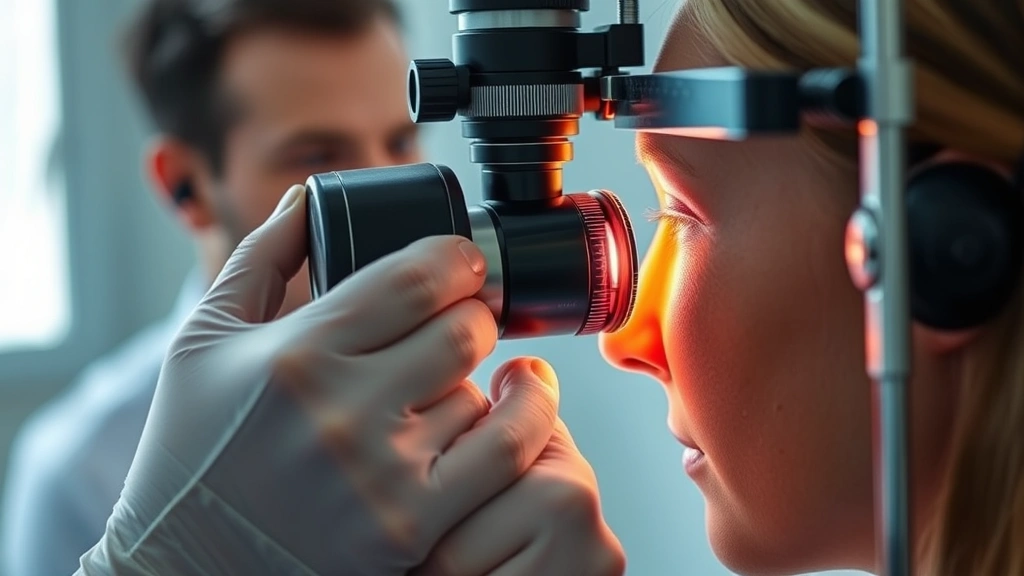
Optometry school is typically four years of intensive study. The first two years focus on classroom and lab work—anatomy, physiology, optics, pharmacology, microbiology, and pathology. You’ll learn how the eye functions, how to diagnose diseases, and how to prescribe corrective lenses. Expect long study hours and challenging exams, but also engaging clinical labs where you start practicing eye exams.
The final two years emphasize clinical practice. You’ll work in university clinics and community eye care settings, examining real patients under faculty supervision. You’ll learn to perform comprehensive eye exams, diagnose conditions like glaucoma and diabetic retinopathy, fit contact lenses, and manage patient care. By graduation, you’ll have thousands of hours of direct patient contact.
Throughout optometry school, you’ll also prepare for the Optometry Licensing Exam (OLE), which has multiple parts. Part 1 (National Board exam) typically happens after your second year, and Parts 2 and 3 occur during your final year. Passing these exams is required for licensure in all states.
Licensing & Exams
State licensure requires passing the National Board Exam (Part 1 of the OLE), the Clinical Skills Exam (Part 2), and the State-Specific Law Exam (Part 3). Part 1 tests your knowledge of optometric sciences and is taken by all optometry students. Part 2 is a practical clinical exam where you demonstrate your ability to conduct eye exams and manage patients. Part 3 varies by state and covers state laws and regulations governing optometry practice.
Most states also require a certain number of clinical hours before you can practice independently. Some states allow you to practice under supervision immediately after graduation while completing additional hours, while others require you to have completed your clinical training first. Check your state’s specific requirements through your state’s optometry board or licensing authority.
After passing exams and meeting your state’s requirements, you’ll receive your optometry license. This allows you to practice as an independent optometrist, prescribe medications, diagnose and treat eye diseases, and perform eye exams. Some optometrists pursue additional certifications in specialty areas like low vision or sports vision.
Residency & Specialization Options
While not required, many optometrists pursue a one- or two-year residency after graduation to specialize in areas like family medicine, pediatric optometry, low vision rehabilitation, corneal and contact lens specialty, or ocular disease. Residencies provide advanced clinical training and make you highly competitive for specialized positions or academic roles.
Specialization options include primary care optometry (the most common path), ocular disease management, contact lens fitting, pediatric optometry, sports vision, occupational optometry, and public health optometry. Some optometrists complete residencies at universities, while others train at private practices or hospital-based clinics.
If you’re interested in broader career planning and understanding different professional paths, exploring resources like how to become a delegate can help you understand various professional trajectories and leadership opportunities across different fields.
Career Paths & Job Market
Once licensed, you have multiple career options. Many optometrists work in private practices—either as associates or owners. Others work in retail optical chains, hospitals, community health centers, or specialty clinics. Some pursue academic careers teaching at optometry schools, while others work in industry, research, or public health.
The job market for optometrists remains strong. The U.S. Bureau of Labor Statistics projects steady demand, especially as the population ages and more people need vision care. Starting salaries for newly licensed optometrists typically range from $90,000 to $130,000, depending on location and employer. Experienced optometrists or practice owners can earn significantly more, often exceeding $150,000 annually.
Building your professional network during optometry school and residency opens doors. Attend conferences, join professional organizations like the American Optometric Association (AOA), and connect with mentors in your area of interest. These relationships often lead to job opportunities and collaborations throughout your career.
Cost & Timeline Summary
The total cost of becoming an optometrist ranges from $120,000 to $300,000, depending on whether you attend public or private schools and where you live. Undergraduate prerequisites cost $20,000-$80,000 (four years), while optometry school typically costs $100,000-$220,000 (four years). Many students use federal loans, scholarships, and grants to fund their education.
The timeline is substantial but manageable. High school preparation takes four years, undergraduate prerequisites four years, optometry school four years, and optional residency one to two years. Most optometrists are ready to practice independently by age 26-28, with a full career ahead of them.
Consider the return on investment: optometrists enjoy job security, good earning potential, the ability to own their own practice, and the satisfaction of directly helping patients improve their quality of life. For many, the investment pays off within 10-15 years of practice.
Frequently Asked Questions
What’s the difference between an optometrist and an ophthalmologist?
Optometrists earn a Doctor of Optometry (OD) degree and provide primary eye care—exams, prescriptions, contact lens fitting, and diagnosis of common eye conditions. Ophthalmologists earn an MD or DO and attend medical school plus a 4-5 year ophthalmology residency. They perform surgery and manage complex eye diseases. Both are valuable, but the education paths differ significantly.
Can I become an optometrist with a low undergraduate GPA?
It’s challenging but possible. Most competitive optometry schools require a GPA of 3.0 or higher, with science GPA being especially important. If your undergraduate GPA is lower, you can take additional science courses at the graduate level to demonstrate improvement. Strong OAT scores and compelling clinical experience can also help offset a lower GPA, but you’ll face stiffer competition.
How many optometry schools are there in the United States?
There are currently 23 accredited optometry schools in the U.S., located in various states. Some are private institutions, while others are part of state universities. Research each program’s strengths, location, and culture to find the best fit for your goals. Applying to 5-8 schools is typical for competitive applicants.
Do I need a specific undergraduate major?
No. You can major in anything—biology, chemistry, engineering, business, or even humanities—as long as you complete all prerequisite courses. Some students major in something they’re passionate about while completing optometry prerequisites as electives. This can make your application more interesting and keep you engaged during undergraduate years.
What happens if I don’t pass the licensing exam?
Most states allow you to retake the exam if you don’t pass. However, passing on your first attempt is important for your career trajectory and credibility. Study thoroughly, use practice exams, and consider tutoring if needed. Many optometry schools provide exam preparation resources and study groups to help students succeed.
Can optometrists prescribe medications?
Yes, in all 50 states, optometrists can prescribe topical medications for eye conditions like dry eye, infections, and glaucoma. Some states also allow optometrists to prescribe oral medications. However, scope of practice varies by state, so check your specific state’s regulations. This prescriptive authority is one reason optometry is such a valuable healthcare profession.
Is there a shortage of optometrists?
Not currently, but demand remains steady. Rural and underserved areas often have fewer optometrists, so practicing in these regions can offer unique opportunities. Additionally, as the population ages, demand for vision care is expected to remain strong for the foreseeable future.


