
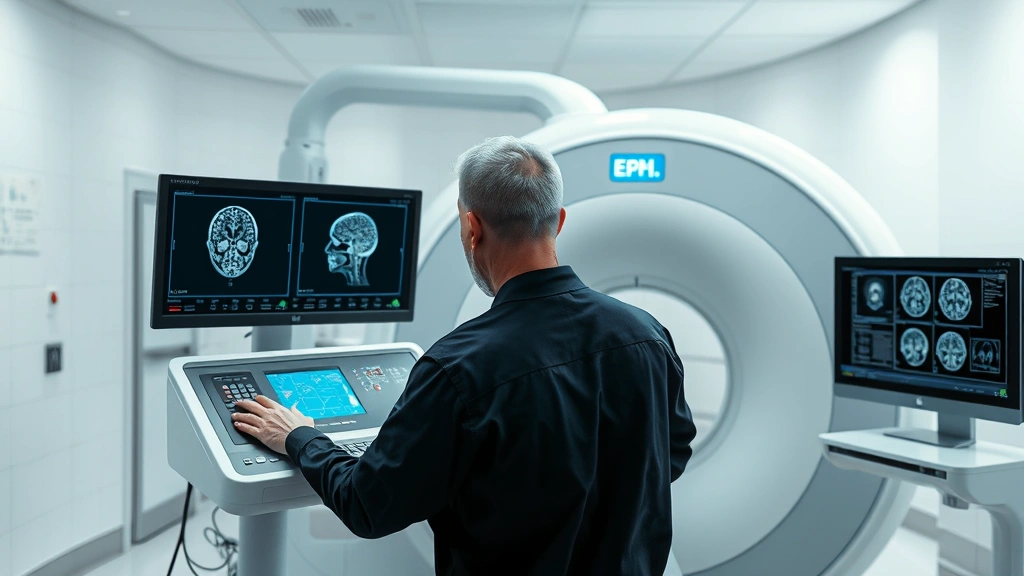
Learning how to become an MRI tech is your gateway into one of healthcare’s most rewarding technical careers. If you’re drawn to medical imaging, problem-solving, and working with cutting-edge technology, this path might be exactly what you’re looking for. MRI technologists are the skilled professionals who operate magnetic resonance imaging equipment, produce diagnostic images, and help physicians identify what’s happening inside their patients’ bodies. It’s hands-on work that matters, and the job market is hungry for qualified people.
Table of Contents
Understanding the MRI Technologist Role
Before diving into the educational requirements, you need to understand what an MRI tech actually does day-to-day. This isn’t just pushing buttons—it’s a sophisticated blend of technical skill, patient care, and medical knowledge. MRI technologists operate complex imaging equipment that uses powerful magnetic fields and radio waves to create detailed pictures of internal body structures. You’ll position patients, set up protocols, monitor equipment performance, and ensure image quality meets diagnostic standards.
The work environment varies. Some techs work in hospital radiology departments handling emergency cases and high-volume imaging. Others work in outpatient imaging centers with more predictable schedules. Private clinics, research facilities, and specialized centers also employ MRI techs. You’re not isolated in a dark room—you’re constantly interacting with patients, radiologists, physicians, and your technical team.
Education Requirements & Prerequisites
Most employers require at minimum a high school diploma or GED. That’s your baseline. But here’s where it gets real: you’ll need formal education beyond high school. The standard path involves enrolling in an accredited MRI technologist program, which typically takes 12 to 24 months depending on whether you pursue an associate degree or certificate.
Many community colleges and technical schools offer these programs. Some hospitals run their own training programs. The best programs are accredited by the Joint Review Committee on Education in Radiologic Technology (JRCERT). During your program, you’ll study physics, anatomy, physiology, patient care, safety protocols, and hands-on MRI operation. You’ll learn how magnetic fields work, how to read and interpret technical parameters, and how to troubleshoot equipment issues.
Some people start by becoming a radiologic technologist first (which takes about 2 years), then specialize in MRI. This gives you broader imaging knowledge and makes you more marketable. It’s not required, but it’s a smart move if you want flexibility in your career.
Certification & Licensing Path
After completing your educational program, you’ll need to become certified. This is where your skills get officially validated. The American Registry of Radiologic Technologists (ARRT) administers the certification exam. You’ll take the ARRT Magnetic Resonance Imaging (MRI) exam, which tests your knowledge of MRI physics, equipment operation, patient safety, and image quality.
To sit for the ARRT exam, you typically need to complete an accredited MRI program and have documented clinical experience. The exam itself is comprehensive—expect questions covering everything from basic physics to advanced protocols. Most people study for 4-8 weeks before taking it. The pass rate hovers around 75-80%, so it’s challenging but absolutely achievable with proper preparation.
Some states require licensure in addition to certification. Requirements vary by state, so check your specific location’s regulations. A few states have no licensure requirements, while others require state registration or additional exams. This is crucial information to verify early in your planning process.
Hands-On Clinical Training
Here’s the part that separates MRI techs from people who just read about MRI: hands-on clinical training. Your educational program will include clinical rotations where you work in actual MRI departments under supervision. This is where theory becomes practice. You’ll operate real equipment, position real patients, and troubleshoot real problems.
Most programs require 1,000 to 2,000 clinical hours depending on the program structure. During these rotations, you’ll work with experienced techs who’ll teach you the shortcuts, the tricks, and the safety practices that textbooks don’t cover. You’ll learn how to calm anxious patients in tight spaces, how to recognize when an image needs retaking, and how to communicate with radiologists about technical issues.
Don’t underestimate this phase. Clinical training is where you build confidence, develop speed, and learn the unwritten rules of the profession. Many students say this is the most valuable part of their education.
Job Market & Career Outlook
The job market for MRI technologists is strong and growing. The U.S. Bureau of Labor Statistics projects steady demand for radiologic and MRI technologists through the next decade. Why? Aging population, increased diagnostic imaging use, and technological advancement all drive demand. Healthcare facilities are actively recruiting qualified MRI techs, and competition for positions is less intense than in some other healthcare fields.
Geographic location matters. Urban areas and regions with multiple hospitals typically have more opportunities. Rural areas sometimes struggle to fill positions, which can mean better negotiating power for techs willing to relocate. Specialized centers and research institutions also actively recruit experienced MRI techs.
The field is stable too. MRI imaging isn’t going away—it’s becoming more essential. Unlike some tech fields that become obsolete, MRI technology continues evolving while maintaining consistent demand for skilled operators.
Salary & Compensation Facts
Let’s talk money because it matters. Entry-level MRI technologists typically earn between $35,000 and $45,000 annually, depending on location and facility type. Experienced techs with 5+ years in the field often earn $50,000 to $65,000. In high-cost urban areas and specialized facilities, experienced techs can exceed $70,000.
Salary varies based on several factors: geographic location (California and New York pay more), facility type (hospitals typically pay more than clinics), shift work (night and weekend shifts usually pay premiums), and experience level. Many facilities offer shift differentials—you’ll earn more working nights, weekends, or holidays.
Benefits packages typically include health insurance, retirement plans, continuing education support, and paid time off. Some facilities offer tuition reimbursement if you pursue advanced certifications. When evaluating job offers, look beyond base salary at the total compensation package.
Essential Skills You’ll Need
Technical knowledge is just the foundation. Successful MRI techs need a specific skill set. Patient care skills rank at the top—you’ll work with anxious patients in a confined space. Empathy, communication, and patience aren’t nice-to-haves; they’re essential. You need to explain procedures clearly, answer questions honestly, and recognize when someone’s claustrophobic or uncomfortable.
Problem-solving abilities matter tremendously. Equipment malfunctions, protocols need adjusting, and images sometimes need retaking. You need to troubleshoot methodically, understand when to call for help, and stay calm under pressure. Attention to detail is non-negotiable—missed positioning details or parameter errors compromise diagnostic quality.
Physical stamina is underrated. You’ll stand for hours, lift and position patients, and move around the scanner. Back strength and good body mechanics prevent injury. Mental focus matters too—concentration lapses lead to mistakes in a field where precision is critical. Finally, you need to be a team player. You’ll coordinate with radiologists, physicians, nurses, and other techs constantly.
Advanced Specializations Available
Once you’re certified as an MRI tech, the learning doesn’t stop. Many techs pursue advanced certifications in specialized areas. Cardiac MRI focuses on heart imaging and requires additional training in cardiac physiology and specialized protocols. Neuro MRI specializes in brain and spine imaging—highly sought-after skills in neurology departments.
Body imaging, vascular imaging, and functional MRI (fMRI) represent other specialization paths. Some techs move into MRI physics, equipment maintenance, or sales positions with manufacturers. Others transition into education, training new techs at schools or hospitals. These advanced paths typically require 2-5 additional years of experience and specialized coursework.
Pursuing specializations increases your marketability and earning potential significantly. A cardiac MRI tech often commands 10-15% higher salary than a general MRI tech. Specializations also reduce burnout by letting you focus on areas you’re passionate about.
Getting Started Today
Ready to launch your MRI tech career? Start here: research accredited MRI programs in your area or nearby. Check JRCERT’s website for program listings. Talk to program directors about admission requirements, course schedules, and clinical placement options. If you haven’t already, verify your state’s licensing requirements—some states have specific prerequisites.
While researching programs, consider shadowing an MRI tech if possible. Many hospitals allow interested individuals to observe in the MRI department for a few hours. This gives you real perspective on the daily work. Connect with working MRI techs through professional organizations like the American Society of Radiologic Technologists (ASRT). They can answer questions and provide mentorship.
Start building your foundation now. Take anatomy and physiology courses if you haven’t already. Strengthen your science fundamentals. Develop your patient care mindset. When you enroll in your formal program, you’ll hit the ground running because you’ve already prepared mentally and academically.
Frequently Asked Questions
How long does it take to become an MRI technologist?
The typical timeline is 2-3 years total. Most accredited programs take 12-24 months, followed by exam preparation and certification testing. Some people fast-track by taking intensive programs, while others extend the timeline by working while studying part-time. If you start with a radiologic technology program first, add another 2 years.
Do I need a bachelor’s degree to become an MRI tech?
No. Most MRI techs earn associate degrees or certificates from accredited programs. A bachelor’s degree isn’t required for entry-level positions, though some hospitals prefer it. A bachelor’s becomes more relevant if you plan to advance into management, education, or specialized roles later in your career.
What’s the difference between an MRI tech and a radiologic technologist?
Radiologic technologists operate multiple types of imaging equipment including X-ray, CT, and fluoroscopy. MRI techs specialize exclusively in magnetic resonance imaging. Some techs earn credentials in multiple modalities, making them more versatile. MRI techs typically earn slightly more due to specialization.
Is MRI tech a good career choice?
Yes, for the right person. Job security is strong, salary is competitive, and the work is meaningful. You’re directly contributing to patient diagnosis and care. The downside: shift work is common, standing for long periods, and managing anxious patients can be stressful. If you value stability, patient interaction, and technical work, it’s an excellent choice.
Can I become an MRI tech without going to college?
Not realistically. You need formal education through an accredited program, which requires at least a high school diploma and enrollment in a technical or community college program. Some hospitals offer on-the-job training, but these are rare and usually require you to be hired as an entry-level radiologic technologist first.
What’s the ARRT exam like?
The ARRT MRI exam is computer-based, typically 3 hours long, with 200 questions covering MRI physics, equipment, patient safety, and image quality. You need about 75% correct to pass. Most people study 4-8 weeks using practice exams and study materials. The exam is challenging but fair—if you completed your program seriously, you’re prepared.
Are there job opportunities outside hospitals?
Absolutely. Outpatient imaging centers, private clinics, research institutions, and specialized diagnostic centers all employ MRI techs. Some work for portable MRI companies serving rural areas. Others work in veterinary MRI facilities. The hospital setting is most common, but alternatives exist if you want different work environments.


