

Learning how to become a wedding planner is your first step into one of the most rewarding careers in the events industry. Whether you’re organized, creative, and love bringing people together, wedding planning offers flexibility, entrepreneurial opportunities, and the chance to create unforgettable memories for couples on their biggest day.
Table of Contents
Assess Your Core Skills
Before diving into how to become a wedding planner, honestly evaluate whether you have the foundational traits this career demands. Wedding planning isn’t just about picking flowers and colors—it’s a high-pressure, detail-oriented profession that requires exceptional organizational abilities, communication skills, and emotional intelligence.
You’ll need strong project management capabilities. Weddings involve dozens of moving parts: vendor coordination, timeline management, budget tracking, and contingency planning. If you’re naturally detail-oriented and can juggle multiple deadlines without breaking a sweat, you’re on the right track. Think about your ability to handle stress, mediate conflicts between family members, and stay calm when things go sideways (and they will).
Communication is non-negotiable. You’ll spend countless hours on calls, emails, and in-person meetings with couples, families, and vendors. Can you listen actively, ask clarifying questions, and translate client visions into actionable plans? Do you have the diplomacy to tell a bride that her Pinterest board doesn’t match her budget without crushing her dreams?
Education & Training Options
You don’t need a four-year degree to become a wedding planner, but formal training significantly accelerates your career. Several educational paths exist, each with different time commitments and costs.
Online courses are the most accessible entry point. Platforms like The Knot, Wedding Wire Academy, and specialized wedding planning schools offer certificate programs ranging from 4-12 weeks. These typically cost $500-$3,000 and cover vendor relations, budgeting, timeline creation, and client management. They’re perfect if you’re working another job or have family commitments.
Community colleges and vocational schools sometimes offer event planning or wedding coordination certificates (6-12 months). These provide more structured learning and networking opportunities. Universities occasionally offer bachelor’s degrees in event management, which opens doors to corporate events, conferences, and destination weddings—not just ceremonies.
The most practical approach? Combine self-study with mentorship. Read industry books like “The Complete Guide to Destination Weddings” and “Wedding Planning For Dummies,” then apprentice under an established planner. Much like learning how to produce perfume requires hands-on experience, wedding planning demands real-world exposure to understand vendor negotiations and client psychology.
Gain Real-World Experience
Theory means nothing without practice. Your first years should focus on building a portfolio of actual weddings, even if you’re not charging premium rates initially.
Start by volunteering or assisting established planners. Offer to help coordinate your friend’s wedding for free or at a reduced rate. Shadow a professional planner for 3-6 months to understand the day-of logistics, vendor communication, and problem-solving in real-time. You’ll learn more in one chaotic wedding day than in ten online courses.
Consider starting as a day-of coordinator before becoming a full-service planner. Day-of coordinators execute the plan but don’t create it—lower stakes, but invaluable experience. You’ll manage timelines, brief vendors, troubleshoot problems, and manage the ceremony/reception flow. This role teaches you the operational side of weddings and helps you understand what planners need to communicate to coordinators.
Document everything. Take photos, keep detailed notes, and build case studies showing your work. This becomes your portfolio when pitching to potential clients.
Build Your Professional Network
Wedding planning is relationship-driven. Your network of reliable vendors—photographers, caterers, florists, venues, DJs—becomes your competitive advantage. Couples hire planners who know the best people, not just anyone with a business license.
Join local wedding industry associations. Groups like the Association of Bridal Consultants (ABC) and the National Association of Catering Executives (NACE) offer networking events, training, and credibility. Attend vendor showcases, bridal expos, and industry conferences. Meet photographers, florists, and caterers in your market. Build genuine relationships, not transactional ones.
Create a vendor database organized by category, price point, and specialty. Include contact info, past work samples, reliability ratings, and notes on their personality and communication style. A photographer who’s technically brilliant but difficult to work with is a liability. Your reputation depends on vendor quality, so choose carefully and maintain relationships.
Connect with other planners, even competitors. The wedding industry is collaborative—experienced planners often refer overflow work and share knowledge. Don’t view them as threats; view them as colleagues who understand your challenges.
Get Industry Certifications
While not legally required, certifications boost credibility and command higher rates. The most recognized credential is the Certified Wedding Planner (CWP) designation through the Association of Bridal Consultants, which requires training, exam passage, and documented experience.
Other valuable certifications include the Certified Event Planner (CEP) through the International Live Events Association and the Professional Wedding Planner (PWP) through various organizations. These typically require 2-3 years of experience, completion of coursework, and passing an exam. They’re not quick wins, but they signal serious professionalism to clients.
Consider specializations: destination weddings, LGBTQ+ weddings, cultural or religious ceremonies, luxury events, or micro-weddings. Specialization lets you charge premium rates and stand out in a crowded market. It’s similar to how specialists in any field—whether how much to tip massage therapist professionals or other service providers—command higher fees through expertise.
Set Up Your Business
Once you’ve gained experience and built your network, formalize your business. This involves legal structure, insurance, contracts, and financial systems.

Choose your business structure: sole proprietorship (simplest but no liability protection), LLC (liability protection, moderate complexity), or S-Corp (more complex but tax advantages at scale). Consult a business attorney or accountant for your specific situation.
Get liability insurance. Wedding planning involves managing other people’s money, coordinating vendors, and handling high-stress situations. Professional liability insurance protects you if something goes wrong. Cost is typically $300-$800 annually depending on your coverage level.
Create contracts for every client engagement. Your contract should specify services included, payment terms, cancellation policies, liability limitations, and dispute resolution. Never work without a signed contract—it protects both you and your clients. Have an attorney review your template before using it.
Set up business banking separate from personal finances. Open a business checking account and use accounting software like QuickBooks or FreshBooks to track income, expenses, and client payments. This simplifies tax time and gives you clear visibility into profitability.
Marketing & Landing Clients
You can be the best planner in the world, but if no one knows about you, you won’t book weddings. Marketing is essential, and it doesn’t require a huge budget.
Build a professional website showcasing your portfolio. Include before-and-after photos of weddings you’ve coordinated, client testimonials, your services list, and clear pricing. Make it mobile-friendly and ensure it loads fast. Your website is your 24/7 sales tool.
Leverage social media, especially Instagram and Pinterest. Post high-quality photos from weddings you’ve planned, share planning tips, and engage with engaged couples. Use hashtags like #weddingplanner, #bridetobe, and location-specific tags. Consistency matters—post 3-4 times weekly and respond to comments and DMs promptly.
Partner with venues and other vendors for referrals. Venues book planners regularly and often recommend coordinators. Build relationships with venue managers, catering directors, and photographers. Offer referral incentives if appropriate.
Attend bridal expos and vendor showcases. These events attract couples actively planning weddings. Set up a booth, bring your portfolio, and collect contact information. Follow up within 48 hours with personalized emails.
Ask satisfied clients for reviews and referrals. Word-of-mouth is the most powerful marketing tool in wedding planning. After successful weddings, request testimonials and reviews on Google, The Knot, and WeddingWire. Offer small incentives for referrals—a discount on their renewal vow ceremony or a gift card.
Pricing Your Services
Wedding planning pricing varies dramatically based on location, experience, and service level. Understanding your market prevents underpricing and ensures sustainability.
Research local rates. Call established planners, check their websites, and ask other planners what they charge. In major metros (New York, Los Angeles, Miami), full-service planning runs $3,000-$15,000+. In smaller markets, $1,500-$5,000 is common. Day-of coordination typically costs 10-15% of the wedding budget or a flat fee of $1,500-$3,000.
Offer tiered packages: full-service planning (start-to-finish), partial planning (design and vendor selection but not day-of), and day-of coordination only. This lets couples choose based on their needs and budgets. Full-service should be your most profitable offering.
Consider percentage-based pricing for luxury weddings. Charging 10-15% of the total wedding budget aligns your incentives with the couple’s—you’re invested in creating an exceptional experience. For a $100,000 wedding, you’d earn $10,000-$15,000, which reflects the complexity and time invested.
Factor in your time, overhead, and profit margin. If you spend 120 hours on a wedding and need to earn $50/hour, that’s $6,000 minimum before overhead. Price accordingly and don’t discount excessively to land clients—you’ll build a business of underpriced work that burns you out.
Essential Tools & Software
Modern wedding planners use technology to streamline operations and improve client communication. Invest in tools that save time and reduce errors.
Project management software like Asana, Monday.com, or Notion organizes timelines, vendor checklists, and task assignments. You’ll track everything from invitation design deadlines to final menu approvals. These tools keep you organized and let clients see progress.
Client management systems like HubSpot (free tier available) or Dubsado track leads, contracts, invoices, and communication history. They’re invaluable as you scale beyond a few weddings yearly.
Design tools like Canva let you create mood boards, timelines, and vendor guides without hiring a designer. You’ll communicate visual concepts to clients and vendors more effectively.
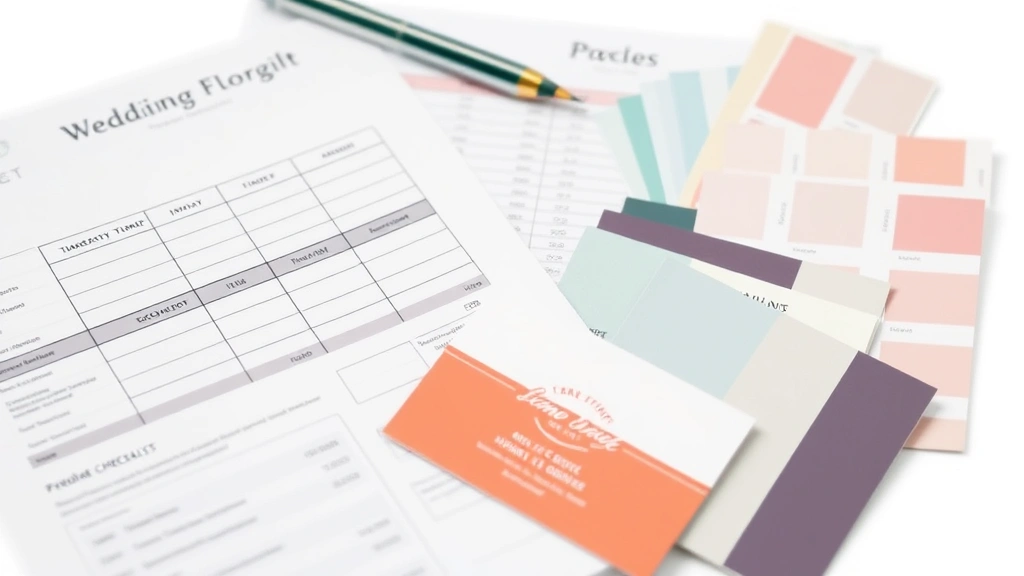
Budget tracking spreadsheets or software like WeddingWire’s planning tools help you monitor spending against the couple’s budget. Nothing derails a wedding faster than surprise costs, so transparent budget tracking is critical.
Communication platforms like Slack or group email threads keep vendor communication organized. Create a channel or thread for each wedding with all vendors included. This reduces miscommunication and creates a record of decisions.
Common Challenges Ahead
Wedding planning isn’t all Instagram-worthy moments. Expect real challenges that test your resilience and problem-solving skills.
Difficult clients are inevitable. Some couples have unrealistic expectations, poor communication, or conflicting visions with family members. You’ll mediate these conflicts while maintaining professionalism and protecting your sanity. Set clear boundaries, communicate expectations upfront, and don’t hesitate to fire clients who disrespect you.
Vendor issues happen constantly. A photographer cancels last-minute. A caterer underestimates headcount. A florist delivers the wrong color scheme. You’re the buffer between couples and vendor mistakes. Have backup plans, maintain vendor relationships, and know how to negotiate solutions quickly.
Seasonal workload fluctuations are real. Wedding season (May-October in most markets) is chaotic—you’ll work 60+ hour weeks. Winter is slower. Plan finances accordingly and consider taking time off during slow seasons.
Emotional labor is significant. You’re managing other people’s stress, excitement, and expectations during one of their life’s biggest events. Family drama, budget conflicts, and last-minute changes are routine. Develop coping strategies—therapy, exercise, hobbies—to avoid burnout.
Competition is intense in most markets. Established planners have brand recognition and referral networks. You’ll need to differentiate through specialization, exceptional service, or unique positioning. Don’t compete on price alone; you’ll lose.
Frequently Asked Questions
How long does it take to become a wedding planner?
You can start offering services within 3-6 months if you have relevant event experience, but building a sustainable business typically takes 2-3 years. You need time to gain experience, build a vendor network, establish credibility, and develop a client base. Rushing this timeline often results in mistakes that damage your reputation.
Do I need a degree to become a wedding planner?
No degree is legally required, but formal training (certificate programs, online courses, or event management degrees) accelerates your learning curve. Many successful planners have no degree but extensive experience. Focus on skills, knowledge, and relationships over credentials.
How much can I earn as a wedding planner?
Income varies dramatically. Starting planners might earn $25,000-$40,000 annually. Experienced planners in major markets can earn $60,000-$150,000+ yearly, especially if they specialize in luxury weddings or destination events. Income depends on market, pricing, number of weddings booked, and business efficiency.
Should I specialize or be a generalist?
Specialization is increasingly valuable. Instead of competing as a generic planner, specialize in destination weddings, cultural ceremonies, LGBTQ+ weddings, or micro-weddings. Specialization lets you command premium rates, attract ideal clients, and build expertise that’s harder to compete against.
What’s the difference between a wedding planner and coordinator?
Wedding planners design the entire event, manage budgets, select vendors, and oversee planning from start to finish. Day-of coordinators execute the plan—they manage timelines and logistics on the wedding day but don’t plan the event. Many couples hire a planner for planning and a separate coordinator for day-of execution, though some planners do both.
How do I get my first clients?
Start with friends, family, and your network. Offer reduced rates or free services for your first 2-3 weddings to build portfolio pieces and testimonials. Volunteer with established planners. Attend bridal expos. Build a strong website and social media presence. Ask satisfied clients for referrals and reviews. Network with venues and vendors who can refer you.
What certifications matter most?
The Certified Wedding Planner (CWP) through the Association of Bridal Consultants is the most recognized. However, certifications are nice-to-haves, not must-haves. Your portfolio, client testimonials, and vendor relationships matter more than credentials. If you’re early-career, focus on experience first, certifications later.
Final Thoughts
Learning how to become a wedding planner is achievable if you’re organized, people-oriented, and willing to learn on the job. Start by assessing your skills honestly, get training through courses or mentorship, gain real-world experience through assisting or day-of coordination, and build a network of reliable vendors. Formalize your business with proper legal structure and insurance, then market yourself strategically through a strong portfolio and social media presence.
The wedding industry rewards those who deliver exceptional experiences, maintain vendor relationships, and genuinely care about their clients’ happiness. It’s demanding work with irregular hours and high-stress situations, but it’s also deeply rewarding. You’ll create memories for couples on their most important day, which is a privilege worth pursuing.
For additional insights on building service-based businesses, check out resources on how to become a truck driver (understanding client relationships in service industries) and explore how other professionals manage client expectations and business operations. The fundamentals of professionalism, reliability, and communication transcend industries.
Start small, stay humble, learn constantly, and build your reputation wedding by wedding. Within a few years, you’ll have a thriving business doing work you love.


