

Learning how to become a US marshal requires dedication, physical fitness, education, and a genuine commitment to federal law enforcement. This isn’t a quick career pivot—it’s a structured journey through specific requirements and rigorous training that separates serious candidates from casual inquiries. If you’re ready to join one of America’s oldest federal law enforcement agencies, here’s the real roadmap to get there.
Table of Contents
Understand the Marshal Role
Before diving into the application process, get crystal clear on what US Marshals actually do. The U.S. Marshals Service is a federal law enforcement agency under the Department of Justice. Marshals apprehend fugitives, protect federal witnesses, manage federal prisoners, and serve court documents. This isn’t desk work—you’ll be in the field, sometimes in dangerous situations, pursuing criminals across state lines and internationally.
The job demands split-second decision-making, physical courage, and the ability to work independently or as part of a tactical team. You’ll handle high-risk arrests, surveillance operations, and prisoner transport. Understanding this reality helps you determine if this career genuinely matches your goals and temperament.
Basic Qualifications Required
The U.S. Marshals Service has non-negotiable baseline requirements. You must be a U.S. citizen between 21 and 37 years old at the time of appointment (with some exceptions for veterans). You’ll need a valid driver’s license and the ability to obtain a Top Secret security clearance. Any felony convictions, drug use history, or dishonesty will disqualify you immediately.
You must be willing to relocate anywhere in the country on short notice. The agency doesn’t accommodate location preferences—you go where they assign you. If you’re tied to a specific city or have family constraints, reconsider this path. Additionally, you’ll need uncorrected visual acuity no worse than 20/60 in each eye, correctable to 20/20. Hearing must be normal, and you’ll pass a comprehensive medical examination.
Education & Certifications
A high school diploma or GED is the minimum education requirement, but honestly, most competitive candidates have bachelor’s degrees. The agency doesn’t require a specific major, but criminal justice, law enforcement, or related fields strengthen your application. Some candidates come from military backgrounds, which provides substantial advantages.
Consider obtaining law enforcement certifications before applying. Many states offer basic peace officer certification programs through community colleges. Having these credentials demonstrates serious intent and gives you practical knowledge. You might also pursue certifications in firearms training, defensive tactics, or emergency medical services. These aren’t required, but they make your resume stand out against hundreds of other applicants.
Physical Fitness Standards
You’ll face rigorous physical fitness testing. The agency uses the Occupational Physical Assessment Test (OPAT), which measures your ability to perform law enforcement tasks under stress. This includes a 1.5-mile run, stair climbing with weighted vests, obstacle courses, and functional movement tests. You won’t just pass—you need to score well to be competitive.
Start training now if you’re serious. Build cardiovascular endurance through running, cycling, or rowing. Develop functional strength with compound movements: squats, deadlifts, push-ups, and pull-ups. Practice agility work and explosive movements. Many candidates train 4-6 days weekly for months before testing. This isn’t vanity—it’s job survival. You need genuine fitness to handle the demands of pursuing fugitives and managing dangerous situations.
The Application Process
The formal application happens through USAJobs.gov, the federal government’s job portal. Monitor the site regularly for Deputy U.S. Marshal openings. When positions open, you’ll have a limited application window—usually 2-3 weeks. Missing the deadline means waiting for the next hiring cycle, which could be months or years away.
Your application includes a resume, questionnaire, and written responses to scenario-based questions. This initial screening eliminates candidates with obvious disqualifications. Take the questionnaire seriously—it’s not casual. Answer honestly and thoroughly. The agency uses these responses to assess judgment, integrity, and decision-making ability. Vague or evasive answers get you rejected immediately.
If you advance, you’ll take the Treasury Enforcement Agent (TEA) exam or similar federal law enforcement exam, depending on current hiring. This written test assesses reading comprehension, logical reasoning, situational judgment, and basic law enforcement knowledge. Study guides are available online. The cutoff score varies, but you need a solid score to remain competitive.

Background Investigation Phase
Passing the written exam gets you to the background investigation—the most thorough vetting you’ll experience. Investigators will interview your neighbors, former employers, teachers, and family members. They’ll examine your financial history, criminal records, driving record, and social media presence. They’ll verify every claim on your application.
This is where integrity matters absolutely. Any dishonesty discovered here ends your candidacy permanently. Don’t exaggerate qualifications, hide past mistakes, or misrepresent your background. The investigators will find inconsistencies. If you have a checkered past, be upfront about it. Some issues are disqualifying; others are manageable if you’re honest.
Expect the investigation to take 6-12 months. During this time, maintain clean behavior. Don’t get arrested, don’t use drugs, don’t rack up debt. The agency wants to see stability and good judgment. Any negative developments during the investigation can sink an otherwise strong candidate.
Training Academy Preparation
If you advance through background investigation and polygraph examination, you’ll receive an offer contingent on passing the Federal Law Enforcement Training Program (FLETC). This 12-week academy is intense. You’ll learn federal law, firearms, defensive tactics, arrest procedures, and decision-making under pressure.
Prepare physically and mentally. The academy includes early morning physical training, classroom instruction, and practical exercises. You’ll qualify with firearms, practice tactical scenarios, and learn to manage stress. Instructors evaluate your judgment, integrity, and ability to work with others. Some candidates wash out—not from inability, but from attitude problems or failure to adapt.
Bring discipline and humility to the academy. You’re there to learn, not to prove you already know everything. Listen to instructors, ask intelligent questions, and support your classmates. The relationships you build here become your professional network for the rest of your career.
Career Path & Advancement
Starting as a Deputy U.S. Marshal, you’ll typically work field assignments for several years. Early assignments build your experience and reputation. Perform well, and you’ll be considered for specialized units: fugitive task forces, witness security, or tactical teams. These assignments are competitive—only the best candidates get selected.
Advancement to supervisory positions (Supervisory Deputy Marshal, Chief Deputy) requires performance, experience, and passing promotional exams. Some marshals move into administrative roles or specialized training positions. Others stay in field work throughout their careers. The path depends on your goals and performance.
Your federal service includes solid benefits: health insurance, retirement through the Federal Employees Retirement System (FERS), and job security. Pay starts modestly but increases with experience and rank. The real compensation is meaningful work—knowing you’re protecting the public and upholding the law.
Mistakes to Avoid
Don’t apply casually. This requires genuine commitment. Halfhearted applications waste the agency’s time and yours. If you’re not serious about relocating, passing intense physical testing, and working dangerous assignments, don’t apply.
Don’t hide anything in your background. The investigators will find it. Honesty about past mistakes is always better than discovered dishonesty. Don’t neglect physical fitness—you can’t fake the OPAT. Don’t assume military experience alone guarantees selection; many military candidates compete. Don’t miss application deadlines or ignore correspondence from the agency.
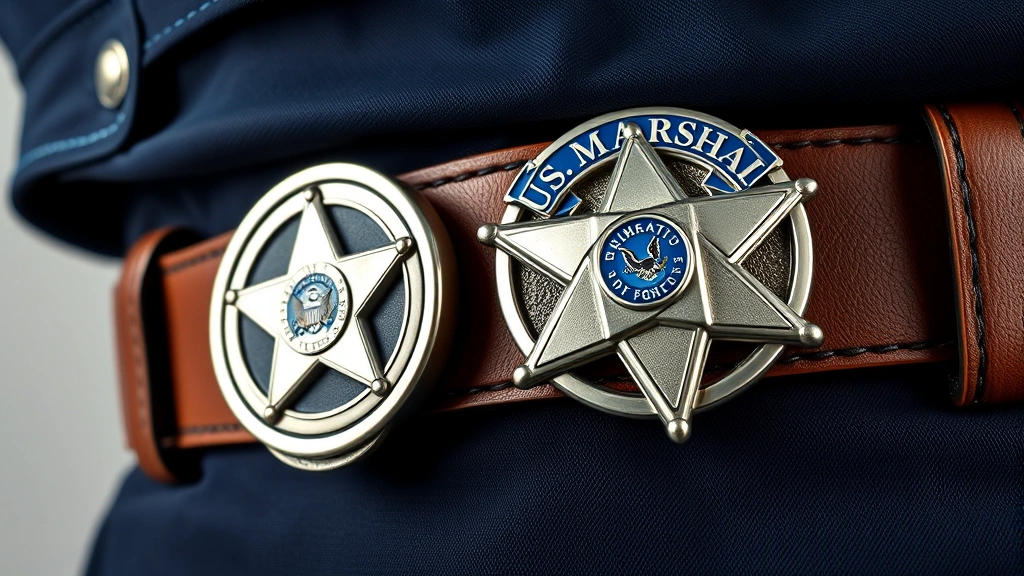
Don’t get arrested or make poor decisions while your application is pending. The background investigation can take a year. Stay clean and focused during this period. Don’t post problematic content on social media. Investigators review your digital presence thoroughly.
Frequently Asked Questions
What’s the salary for a US Marshal?
Starting salary for Deputy U.S. Marshals is typically in the $40,000-$50,000 range, depending on location and experience. Salary increases with rank and years of service. Senior Deputy Marshals and supervisory positions earn $70,000-$100,000+. Federal benefits significantly enhance total compensation.
Do I need military experience to become a marshal?
No, military experience isn’t required. However, it’s advantageous. Veterans get hiring preference and often have relevant training and discipline. Many successful marshals have no military background—they come from law enforcement, military, or civilian careers with strong work ethics.
How long is the entire process from application to employment?
Typically 18-24 months from initial application to academy completion. This varies based on hiring cycles, background investigation complexity, and your processing speed. Some candidates move faster; others take longer. Patience is essential.
Can I choose where I work as a marshal?
No. The agency assigns you based on operational needs. You might start in a small field office in rural areas before transferring to major cities. You can request transfers after establishing yourself, but the agency makes final decisions. Flexibility is non-negotiable.
What disqualifies you from becoming a marshal?
Felony convictions, drug use, dishonesty, inability to pass security clearance, or failure to meet basic qualifications. Medical conditions affecting your ability to perform duties also disqualify you. Even minor issues like unpaid debts or traffic violations can be problematic if they suggest poor judgment.
Do I need a law degree?
No. Law school isn’t required or expected. A bachelor’s degree in any field is helpful but not mandatory. Many marshals have criminal justice degrees; others come from completely different backgrounds. What matters is demonstrated competence, integrity, and commitment to law enforcement.
What’s the physical fitness standard exactly?
Standards vary slightly, but generally you need to complete the OPAT within time limits. This includes a 1.5-mile run in under 15 minutes, stair climbing with weighted vests, obstacle navigation, and functional movement tests. Exact standards are available on the USMS website and through recruiting materials.
Final Thoughts: Becoming a US Marshal is achievable but demanding. You need genuine commitment, physical fitness, education, and integrity. The agency seeks people who can handle responsibility, make sound judgments under pressure, and serve the public faithfully. If this resonates with you, start preparing now. Get in shape, research the role thoroughly, and plan your education strategically. The journey takes time, but for the right person, it’s incredibly rewarding work.


