
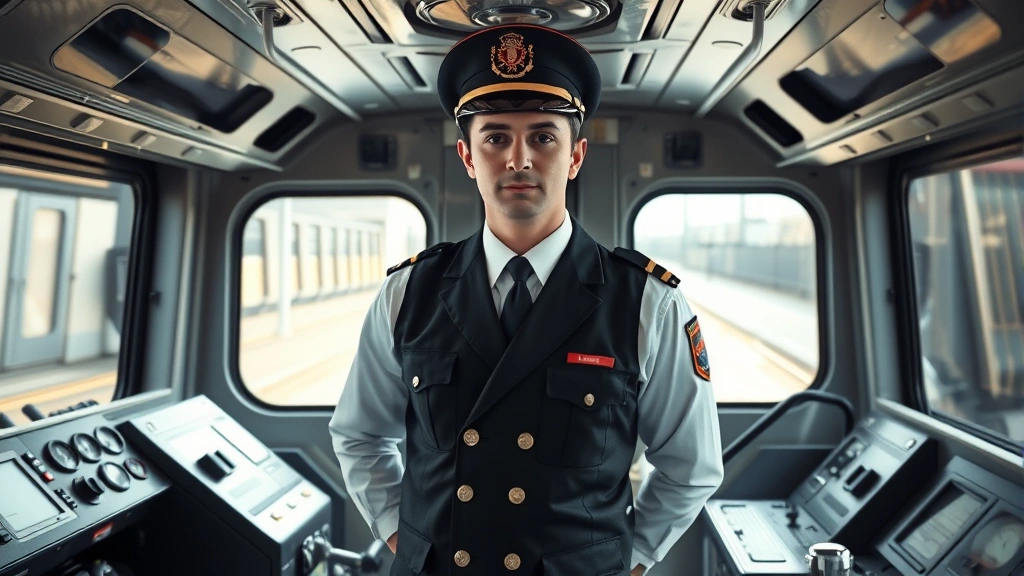
Learning how to become a train conductor is a rewarding career path that combines technical expertise, responsibility, and the open road—or rather, the open rails. If you’re interested in operating locomotives, managing train operations, and ensuring passenger or freight safety, this guide walks you through every step of the journey.
Table of Contents
Understanding the Conductor Role
Before diving into the specifics of how to become a train conductor, you need to understand what the job actually entails. Train conductors are responsible for the safe operation and management of trains, whether they’re hauling freight or passengers. You’ll oversee crew members, monitor train systems, manage cargo or passenger logistics, and communicate with dispatchers and engineers throughout your shift.
The role demands attention to detail, quick decision-making under pressure, and a commitment to safety protocols. Conductors work irregular hours, including nights, weekends, and holidays. Unlike becoming a truck driver (which we’ve covered in detail here), train conductor positions require more formal railroad-specific training and certification through federally regulated programs.
Education Requirements & Prerequisites
Most railroad companies require a high school diploma or GED as the baseline education requirement. However, some larger freight and passenger railroads prefer candidates with some college coursework or technical training. Your foundational education should include strong math skills, since you’ll be calculating train weight, brake force, and fuel consumption regularly.
Beyond the diploma, you’ll need a valid driver’s license and a clean driving record. Many railroads conduct background checks and drug screening, so maintaining a clean record is critical. You should also be at least 21 years old to begin conductor training programs, though some railroads accept candidates as young as 18 with parental consent.
Railroad Apprenticeship Programs
The most common pathway to becoming a train conductor is through a formal railroad apprenticeship program. These programs, typically lasting 6 months to 2 years, combine classroom instruction with hands-on experience. Major railroads like Union Pacific, BNSF, Norfolk Southern, and CSX operate their own training academies.
During apprenticeship, you’ll learn railroad operations, safety regulations, signal systems, brake mechanisms, and coupling procedures. You’ll study the Federal Railroad Administration (FRA) regulations that govern all train operations. The curriculum includes both theoretical knowledge and practical exercises on actual locomotives under supervision.
Many apprenticeships are union-affiliated, meaning you’ll join organizations like the Brotherhood of Locomotive Engineers and Trainmen (BLET). Union membership provides job security, standardized pay scales, and benefits negotiation. Some regional and shortline railroads offer non-union positions with slightly different training structures.
Licensing and Certification Process
After completing your apprenticeship, you must obtain a Federal Railroad Administration (FRA) conductor’s license. This requires passing a comprehensive written exam covering railroad operations, safety procedures, signal interpretation, and emergency protocols. The exam is administered by the FRA and tests your knowledge of federal regulations and industry standards.
You’ll also need to pass a practical examination where FRA inspectors observe your performance on an actual train. This evaluation covers coupling and uncoupling cars, inspecting locomotives, managing air brake systems, and communicating with crew members. The practical exam ensures you can safely execute all critical conductor duties.
The certification process mirrors requirements for becoming an electrician in terms of regulatory oversight—both involve federal or state licensing boards and comprehensive competency testing. Your FRA credential is valid across all U.S. railroads and is recognized as proof of your professional qualifications.
On-the-Job Training Essentials
Even after obtaining your FRA license, most railroads require additional on-the-job training (OJT) specific to their operations. You’ll work alongside experienced conductors, learning company-specific procedures, regional track characteristics, and operational quirks. This phase typically lasts 6-12 months depending on the railroad and your assigned territory.
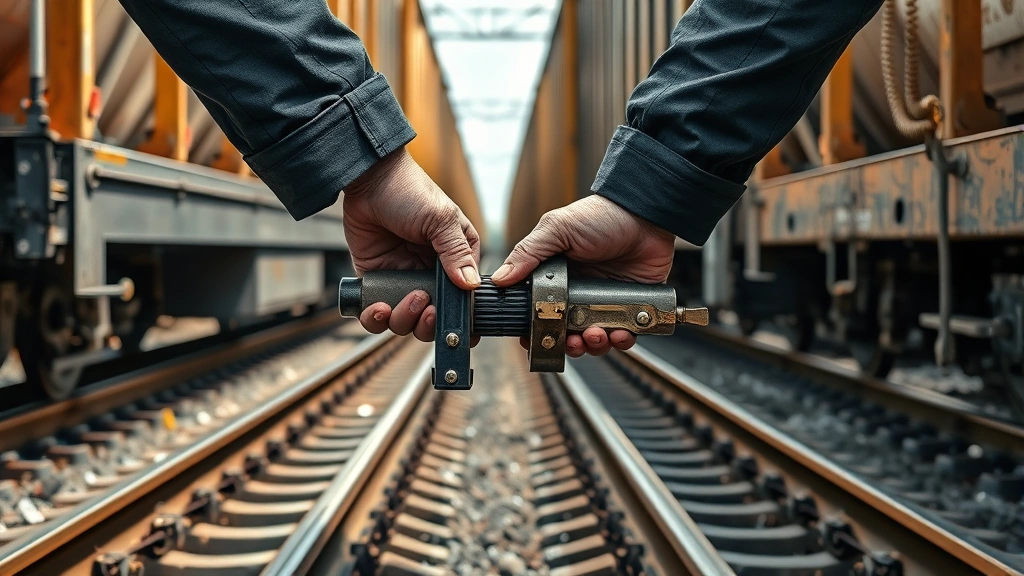
During OJT, you’re responsible for mastering the railroad’s dispatch system, understanding local geography and track conditions, and becoming proficient with company-specific equipment. You’ll learn how to manage different types of cargo, handle passenger interactions (if working for Amtrak), and respond to emergency situations. Your trainer evaluates your performance continuously, and you must demonstrate competency before working independently.
Physical and Medical Examinations
Train conductors must pass rigorous physical and medical examinations before and during employment. The FRA requires conductors to have good vision (correctable to 20/40 in each eye), normal color vision, and adequate hearing. You’ll undergo hearing tests, vision screening, and a comprehensive medical evaluation.
The medical exam checks for conditions that could impair your ability to safely operate trains—heart conditions, diabetes, sleep disorders, and substance abuse issues may disqualify you. You’ll also be tested for drug and alcohol use regularly throughout your career. Many railroads conduct random drug testing as part of their safety protocols.
Physical fitness is important because the job involves climbing on and off moving equipment, coupling heavy cars, and working in all weather conditions. While there’s no specific fitness test, you should be capable of performing the physical demands of the job safely.
Career Advancement Opportunities
Starting as a conductor opens doors to advancement within the railroad industry. Many conductors eventually become locomotive engineers, the next step up the career ladder. Engineers operate the locomotive itself and earn higher salaries, but they must complete additional training and pass separate FRA licensing exams.
Some conductors transition into dispatching roles, managing train movements from control centers. Others move into safety management, training coordination, or management positions. The skills you develop as a conductor—attention to detail, leadership, and technical knowledge—are valuable across railroad operations.
The progression from conductor to engineer is similar to how someone might advance from a truck driver position to fleet management or safety oversight. Your experience on the rails provides the foundation for understanding the entire railroad operation.
Salary, Benefits, and Job Outlook
Train conductors earn competitive salaries, with median pay around $60,000-$65,000 annually, though experienced conductors at major railroads can earn $75,000-$90,000 or more. Union contracts typically provide better pay and benefits than non-union positions. Benefits usually include health insurance, retirement plans, life insurance, and paid time off.
The job outlook for conductors remains stable, with the U.S. Bureau of Labor Statistics projecting steady demand. Freight railroads continue to move goods across the country, and passenger rail services maintain regular operations. Retirements among aging conductor populations create ongoing opportunities for new hires.
One advantage over some other transportation careers is job security—railroad positions are rarely outsourced, and the infrastructure is domestically based. Your skills are in demand across different railroad companies, giving you flexibility in choosing employers and locations.
Frequently Asked Questions
How long does it take to become a train conductor?
The timeline varies, but typically expect 1-3 years total. This includes 6-24 months for formal apprenticeship training, several months for FRA licensing exams, and 6-12 months of on-the-job training with an experienced conductor. Some candidates complete the process faster if they’re in intensive programs.
Do I need prior railroad experience to start?
No prior railroad experience is necessary. Most apprenticeships accept candidates with just a high school diploma and a clean background. Railroads prefer to train candidates their way rather than breaking bad habits from other industries.
What’s the difference between a conductor and an engineer?
Conductors manage train operations, oversee crew, and handle cargo/passenger logistics. Engineers operate the locomotive itself, controlling speed, braking, and locomotive systems. Engineers require additional training and earn higher salaries than conductors.
Are train conductor jobs union or non-union?
Most major freight and passenger railroads have union positions represented by the Brotherhood of Locomotive Engineers and Trainmen (BLET). Some shortline and regional railroads offer non-union positions. Union jobs typically offer better pay, benefits, and job security.
What happens if I fail the FRA licensing exam?
You can retake the exam after a waiting period (usually 30 days). Most candidates pass on their second or third attempt. Your railroad employer typically provides study materials and support to help you prepare for retakes.
Can I work as a conductor in all U.S. states?
Yes, your FRA conductor’s license is valid nationwide. You can work for any railroad across the country. Some conductors transfer between railroads to different regions, though seniority systems may affect your position and pay initially.
What’s the typical work schedule like?
Conductors work irregular schedules, including nights, weekends, and holidays. You’re on-call and must report when dispatched. Shifts can be 8-12 hours or longer depending on train length and route. Many conductors prefer the schedule because it offers flexibility and premium pay for irregular hours.
Conclusion
Becoming a train conductor requires commitment to education, training, and safety standards, but it’s an achievable goal for anyone willing to put in the work. Start by researching apprenticeship programs at major railroads in your region, ensure you meet the basic requirements (high school diploma, valid driver’s license, clean background), and apply directly to railroad companies or through union hiring halls.
The path to this career is more structured than some alternatives—it’s more regulated than becoming a truck driver but offers comparable earning potential and better job security. You’ll join a professional community with deep traditions and high standards. If you’re detail-oriented, safety-conscious, and ready for a career that keeps you moving, train conducting could be your ideal fit.
For more information on career progression in transportation fields, check out our guides on how to become a truck driver and how to become an electrician, which cover similar credential and training pathways. You can also visit the Federal Railroad Administration website for official regulations and requirements, or check the Bureau of Labor Statistics for current job outlook data and salary information.


