
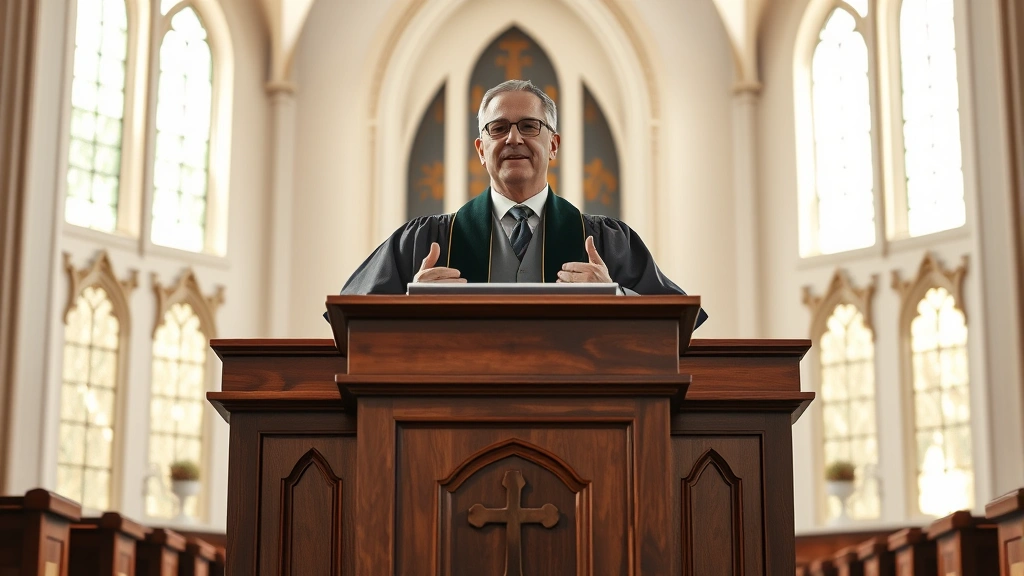
Learning how to become a pastor is a deeply personal journey that combines spiritual calling with practical preparation, education, and community service. Whether you’re answering a lifelong calling or discovering your path to ministry later in life, the steps to pastoral leadership are clear, achievable, and deeply rewarding. This guide walks you through the essential stages to transform your faith into a formal ministry role.
Table of Contents
Build Your Spiritual Foundation
Before anything else, becoming a pastor starts with a genuine spiritual foundation. You need a deep, personal relationship with your faith and a clear sense of calling to ministry. This isn’t just about belief—it’s about living those beliefs daily and demonstrating the values you’ll teach others.
Spend time in prayer, meditation, and reflection about your calling. Talk with trusted spiritual mentors, family members, and community leaders about your sense of direction. Many people find that their calling becomes clearer through service—volunteering at church, leading small groups, or participating in mission work. This foundation stage isn’t rushed; it’s about ensuring your heart aligns with your head before pursuing formal ministry.
Education and Seminary Training
Most denominations require formal theological education to become a pastor. A bachelor’s degree is typically the minimum, though many seminaries prefer or require a master’s degree in divinity or theology. Seminary education usually takes three years full-time and covers biblical studies, theology, church history, pastoral care, and homiletics (sermon preparation).
Research seminaries aligned with your denomination or theological perspective. Many offer flexible schedules—evening classes, online programs, or part-time enrollment—allowing you to work while studying. The Association of Theological Schools (ATS) accredits quality programs across North America. Consider visiting campuses, speaking with current students, and reviewing curriculum to find the right fit. Financial aid, scholarships, and grants are often available for seminary students.
Navigate Your Denominational Path
Each Christian denomination has unique requirements and processes for pastoral ordination. The Southern Baptist Convention, Methodist Church, Presbyterian Church, Pentecostal denominations, and others all have distinct pathways. Some denominations require extensive coursework and exams; others emphasize demonstrated calling and community validation.
Connect with your specific denomination’s leadership early. They’ll provide a roadmap tailored to their requirements. Some denominations have licensing stages before ordination—becoming a licensed minister first demonstrates your readiness before full ordination. Understand your denomination’s stance on theology, social issues, and pastoral responsibilities. This alignment ensures you’re pursuing ministry within a community that shares your core values and vision.
Gain Practical Ministry Experience
Theory and practice go hand-in-hand in ministry. Start volunteering in your church—lead worship services, facilitate Bible studies, visit hospital patients, counsel troubled members, or coordinate community outreach. Many seminaries require internships or chaplaincy experience as part of their curriculum.
Consider becoming a youth pastor, associate pastor, or assistant minister first. These roles provide real-world experience in sermon delivery, pastoral counseling, conflict resolution, and congregational leadership. You’ll learn how to manage church budgets, organize events, and address the messy realities of community life. This hands-on experience reveals whether pastoral ministry truly fits your gifts and temperament. It also builds your resume and network within religious communities.
Complete the Ordination Process
Ordination is the formal recognition of your call to ministry by your church and denomination. The process typically involves several components: completing education requirements, demonstrating spiritual maturity, passing theological exams, receiving endorsement from your local congregation, and appearing before a denominational ordination council or board.

The ordination council usually consists of experienced pastors and church leaders who interview you about your theology, calling, character, and readiness. They’ll ask challenging questions about your faith, ethical standards, and pastoral philosophy. Prepare thoroughly by reviewing your denomination’s doctrinal statements and practicing articulate responses. Ordination isn’t just a formality—it’s a meaningful recognition that you’re prepared to shepherd a congregation and represent your faith tradition.
Commit to Ongoing Development
Becoming a pastor isn’t a finish line; it’s the beginning of lifelong learning. Successful pastors invest in continuing education through conferences, workshops, online courses, and advanced degrees. Many pursue doctoral degrees in ministry, theology, or counseling later in their careers. Professional development keeps your preaching fresh, your counseling skills sharp, and your theological thinking current.
Join pastoral peer groups and mentoring relationships with experienced ministers. These connections provide accountability, encouragement, and practical wisdom. Read widely—theology, psychology, history, literature, and current events all inform better ministry. Consider specializations like hospital chaplaincy, prison ministry, military chaplaincy, or academic theology depending on your interests and gifts.
Plan Your Financial Future
Pastoral compensation varies widely based on church size, denomination, geographic location, and your experience level. Small rural churches might pay $25,000-$40,000 annually, while larger urban congregations could pay $60,000-$100,000 or more. Many churches provide housing allowances, health insurance, and retirement contributions.
Plan financially for seminary costs—tuition, books, and living expenses can total $30,000-$100,000 depending on the program. Research scholarships, grants, and loan forgiveness programs for ministry professionals. Some denominations offer educational support. Consider part-time work during seminary or pursuing education while serving as a lay minister. Budget for ongoing professional development, as many pastors invest personally in conferences and training.
Build Community Service Skills
Modern pastoral ministry extends beyond Sunday sermons. Pastors are counselors, community advocates, and social leaders. Develop skills in conflict mediation, grief counseling, marriage and family dynamics, and community organizing. Many seminaries now include courses on social justice, racial reconciliation, and addressing systemic issues.
Volunteer in community organizations, homeless shelters, food banks, and advocacy groups. Understand the neighborhoods your future congregation serves. Learn about local economic challenges, health disparities, and social needs. This experience demonstrates your commitment to holistic ministry and your ability to connect faith with real-world problems. It also builds credibility with congregations seeking pastors engaged with their community’s wellbeing.
Frequently Asked Questions
How long does it take to become a pastor?
The timeline varies significantly. With a bachelor’s degree already completed, seminary typically takes three years full-time. If you’re starting from high school, add four years for undergraduate education. Some accelerated programs or part-time paths take longer—five to seven years. Ordination processes add additional months. Most people complete the journey in 6-10 years from initial decision to ordination.
Do I need a college degree to become a pastor?
Most mainstream denominations require at least a bachelor’s degree before seminary. Some Pentecostal, independent, or smaller denominations may ordain without formal degrees if you demonstrate spiritual maturity and theological knowledge. However, formal education strengthens your credentials, deepens your understanding, and increases your job prospects. Many churches now expect seminary training as standard.
Can women become pastors?
This depends entirely on your denomination. Mainline Protestant churches (Methodist, Presbyterian, Lutheran, Episcopal) fully ordain women as pastors. Many evangelical and non-denominational churches do as well. However, Catholic, Orthodox, and some conservative evangelical denominations restrict pastoral roles to men. Research your specific denomination’s stance on women in ministry before committing to the path.
What if I can’t afford seminary?
Financial barriers shouldn’t stop your calling. Explore scholarships from seminaries, denominations, and religious organizations. Many offer need-based aid covering 50-100% of costs. Part-time programs allow you to work while studying. Some denominations support education costs for candidates they’ve approved. Federal student loans and private loans are options, though they require repayment. Consider starting as a lay minister while pursuing education gradually.
Is pastoral ministry a stable career?
Pastoral stability depends on factors like church size, your effectiveness, and denominational support. Larger churches offer more stability and better compensation. Smaller churches may experience financial fluctuations. Some pastors serve the same congregation for decades; others move every 5-10 years. Job security improved significantly when you develop strong preaching, counseling, and leadership skills. Many pastors supplement income with writing, consulting, or teaching.
What personal qualities make a good pastor?
Effective pastors demonstrate authenticity, empathy, strong communication skills, emotional intelligence, and genuine care for people. You need patience with conflict, humility about your limitations, and willingness to keep learning. Integrity—living consistently with your stated values—is non-negotiable. Physical and mental health resilience helps manage the emotional demands of ministry. A sense of humor and ability to find joy in service sustain you through challenging seasons.
Your Path to Pastoral Ministry Starts Now
Becoming a pastor is achievable through clear, intentional steps. Start by strengthening your spiritual foundation and exploring your calling authentically. Pursue formal education through seminary, navigate your denomination’s specific requirements, and gain hands-on ministry experience. Complete ordination with confidence, then commit to lifelong learning and community engagement.
This journey transforms not just your career but your entire life. You’ll shepherd people through their darkest moments and greatest celebrations. You’ll wrestle with profound theological questions and practical ministry challenges. You’ll build community, inspire faith, and make a lasting impact. If you sense this calling, take the first step today—talk with your pastor, research seminaries, or volunteer in ministry. Your congregation is waiting for the gifts only you can bring.
For more insights on career development and personal growth, explore resources on how to become a model for understanding personal branding, or how to become an accredited investor for financial planning strategies that support your ministry journey. You might also benefit from books on how to write a book if you’re interested in publishing sermons or theological writings. Additionally, mastering communication tools like how to change my voicemail ensures you’re professionally accessible to your congregation.
For authoritative guidance on pastoral training, consult resources from Family Handyman for community-building projects, This Old House for understanding facility management in church buildings, and Bob Vila for practical skills applicable to church maintenance and community service projects.


