
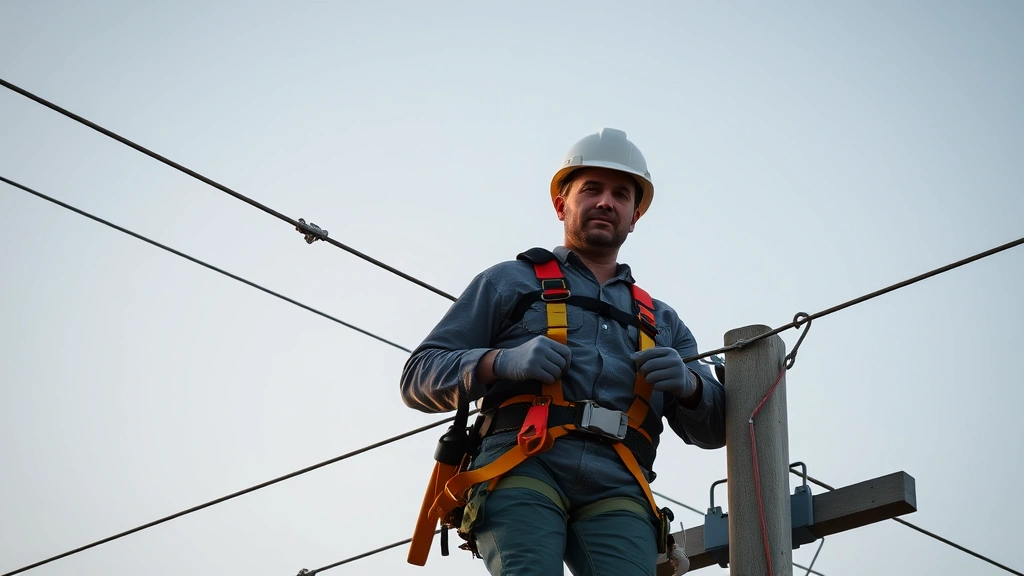
Learning how to become a lineman opens doors to a rewarding, high-paying trade that keeps communities powered and connected. Whether you’re drawn to the challenge of working at heights, the satisfaction of hands-on problem-solving, or the job security that comes with essential infrastructure work, becoming a lineman is an achievable goal with clear pathways and solid earning potential.
Table of Contents
What Is a Lineman?
A lineman is a skilled tradesperson who installs, maintains, and repairs electrical power lines and telecommunications infrastructure. You’ll work on poles, towers, and underground systems that deliver electricity and internet to homes and businesses. This isn’t desk work—it’s real, tangible labor that directly impacts people’s lives. Linemen climb poles in all weather conditions, splice cables, troubleshoot electrical systems, and handle heavy equipment. The role demands precision, courage, and a genuine commitment to safety. Think of linemen as the backbone of modern infrastructure; without them, our power grids and communication networks would collapse.
Education Requirements Matter
You’ll need at least a high school diploma or GED to start most lineman programs. Beyond that, specific technical training is essential. Many community colleges and trade schools offer lineman certification programs that run 6 months to 2 years. These programs cover electrical theory, safety protocols, climbing techniques, and equipment operation. Some programs are more intensive than others, but all reputable ones emphasize the physics of electrical systems and the mathematics needed to calculate loads and voltages. Don’t overlook the importance of strong math and science fundamentals—they’re not just classroom exercises; they’re tools you’ll use daily on the job.
Apprenticeship Programs Explained
The most common pathway to becoming a lineman is through a registered apprenticeship program, typically lasting 4-5 years. These programs combine classroom instruction (around 576 hours) with on-the-job training under experienced mentors. You’ll earn while you learn, starting at roughly 50% of a journeyman’s wage and increasing as you progress. The International Brotherhood of Electrical Workers (IBEW) runs the most recognized apprenticeships in the United States. During your apprenticeship, you’ll learn to work safely at extreme heights, handle high-voltage equipment, and master the technical skills that separate competent linemen from the rest. This hands-on experience is invaluable and can’t be replicated in a classroom alone. If you’re considering how to become an ultrasound technician, you’ll notice that trade careers all share this apprenticeship model of learning.
Physical Demands and Safety
Let’s be honest: this job is physically demanding. You’ll spend hours climbing poles, sometimes in freezing rain or scorching heat. You need excellent upper body strength, balance, and mental toughness. Linemen must pass rigorous physical fitness tests and medical exams. You’ll also need to be comfortable working at heights—sometimes 100+ feet in the air—with only safety equipment between you and a serious fall. Safety isn’t optional; it’s the foundation of everything you do. Every lineman learns to respect electricity’s power and to follow protocols that might seem excessive until you understand why they exist. The job also requires good hand-eye coordination and the ability to work in teams, often in high-pressure situations when storms knock out power to thousands of people.
Licensing and Certification Steps
Once you complete your apprenticeship, you’ll need to pass a journeyman lineman exam to earn your license. Each state has different requirements, so check with your state’s electrical licensing board. Some states require additional certifications like CPR, first aid, and confined space entry qualifications. The National Association of Electrical Contractors (NAEC) offers standardized tests recognized across many states. After earning your journeyman license, you can pursue master lineman certification, which opens doors to supervisory roles and higher pay. Continuing education is typically required to maintain your license—usually 8-16 hours annually depending on your state. This ongoing training keeps you current with evolving technology and safety standards. If you’re interested in other technical certifications, you might also explore how to check CPU temperature for IT roles, though lineman work is far more hands-on.
Job Outlook and Earnings Potential
The job market for linemen is strong and growing. The U.S. Bureau of Labor Statistics projects steady demand through 2032, with aging infrastructure requiring constant maintenance and upgrades. Entry-level linemen earn around $35,000-$45,000 annually, but experienced journeymen regularly earn $60,000-$80,000 or more. In some regions with high living costs or strong union presence, top earners exceed $100,000. Benefits are typically excellent—health insurance, retirement plans, and paid time off. The demand for skilled linemen far exceeds the supply, giving you job security and negotiating power. Storm restoration work can provide significant overtime and premium pay during emergencies.
Getting Hired as Lineman
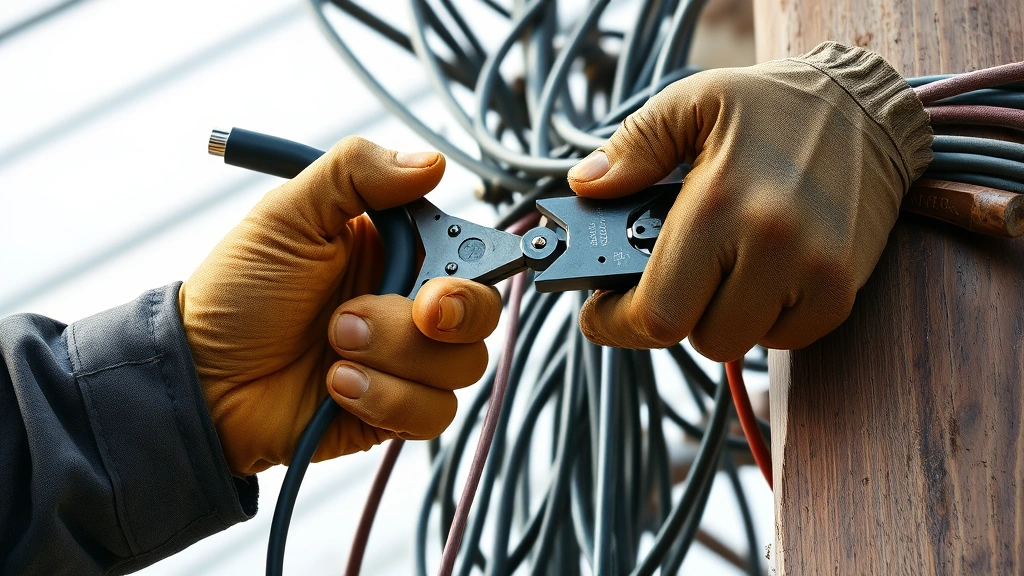
Start by researching apprenticeship programs in your area through the IBEW or local trade unions. Many utility companies also run their own training programs. When applying, highlight any relevant experience—construction work, electrical knowledge, or safety certifications. Prepare for interviews by showing genuine interest in the work and understanding the challenges involved. Don’t oversell yourself; employers value honesty about your fitness level and ability to learn. During the hiring process, you may face physical tests, technical assessments, and background checks. Dress professionally, arrive early, and demonstrate respect for the trade. Networking through union halls or industry events can give you an edge. If you’re also handy with home projects like installing metal roofing, mention that experience—it shows practical skills and problem-solving ability.
Career Advancement Opportunities
Your career doesn’t end at journeyman lineman. Many advance to supervisory roles, managing crews and projects. Some become safety officers, training coordinators, or inspectors. Others specialize in specific areas like underground distribution, transmission lines, or telecommunications. Entrepreneurial linemen start their own electrical contracting businesses. With additional education, you could move into project management or utility management. The skills you develop—leadership, technical expertise, decision-making under pressure—are transferable and valued across industries. Some linemen transition to related fields like programming smart home systems or managing electrical installations for commercial projects.
Real Challenges You’ll Face
This career isn’t for everyone, and that’s okay. You’ll work irregular hours, including nights, weekends, and holidays—especially during emergencies. Weather won’t be your friend; you’ll work in rain, snow, ice, and extreme heat. The job carries real danger despite all safety precautions. You’ll witness accidents, make life-or-death decisions quickly, and carry responsibility for public safety. The physical toll accumulates—joint problems, back issues, and repetitive strain injuries are common. You’ll also deal with long periods away from home during major restoration projects. Mental toughness matters as much as physical strength. Before committing to this path, spend time with working linemen and honestly assess whether you can handle these realities.
Frequently Asked Questions
How long does it take to become a lineman?
Most apprenticeships take 4-5 years of combined classroom and on-the-job training. Some accelerated programs or prior experience can reduce this timeline, but the standard pathway requires patience and commitment. You’ll earn throughout your apprenticeship, making it financially viable for most people.
Do I need a college degree to become a lineman?
No college degree is required. A high school diploma or GED is sufficient to enter apprenticeship programs. Trade schools and apprenticeships provide all necessary technical education. Many linemen find this pathway more practical and financially rewarding than traditional four-year degrees.
What’s the salary for a beginner lineman?
Entry-level apprentices typically earn $35,000-$45,000 annually, starting at about 50% of journeyman wages and increasing yearly. Once you reach journeyman status, you can expect $60,000-$80,000 or more depending on location, employer, and experience. Union positions generally pay more than non-union work.
Is lineman work dangerous?
Yes, it carries inherent risks working with electricity and at heights. However, strict safety protocols, proper training, and quality equipment minimize these risks significantly. Linemen have one of the better safety records among construction trades when proper procedures are followed. Your training will emphasize safety above all else.
Can women become linemen?
Absolutely. While traditionally male-dominated, the lineman trade actively recruits women. Physical requirements are based on job tasks, not gender. Women bring valuable perspectives and skills to the field. Many utilities have diversity initiatives and mentorship programs supporting women in electrical trades.
What if I’m afraid of heights?
This is a significant obstacle since climbing is central to the job. However, many linemen report that their fear diminishes with proper training and repetition. If you’re interested in the trade but struggle with heights, discuss this with program coordinators—some positions focus more on underground work or equipment operation.
Are there union and non-union lineman jobs?
Yes, both exist. Union positions (typically IBEW) offer better pay, benefits, and job security. Non-union work with contractors or utilities can also be rewarding but may have less standardized wages and benefits. Most apprenticeships are union-affiliated, though some utilities run independent programs.
What’s the difference between lineman and electrician?
Linemen work on power distribution and transmission systems—the large-scale infrastructure delivering electricity. Electricians typically work on building wiring and smaller-scale installations. Linemen work outdoors on poles and towers; electricians work indoors and on buildings. Both are skilled trades with good earning potential.
Your Path Forward Starts Now
Becoming a lineman is a legitimate career choice that combines technical skill, physical challenge, and genuine job security. You’ll work with your hands, solve real problems, and know that your efforts directly improve people’s lives. The pathway is clear: earn your high school diploma, research apprenticeship programs in your area, apply to the IBEW or local utilities, and commit to the training process. Yes, it’s demanding. Yes, it requires sacrifice. But the rewards—financial stability, career satisfaction, and the respect that comes with mastering a critical trade—make it worthwhile. If you’re someone who values tangible work, continuous learning, and making a real impact, this could be your calling. Start by contacting your local IBEW chapter or utility company’s training department. Ask questions, observe working linemen, and make an informed decision. The infrastructure that powers our world needs skilled linemen now and will for decades to come. That could be you. You might also explore related fields like maintaining vehicle systems to understand how different technical trades intersect, though lineman work offers unique rewards and challenges all its own.


