
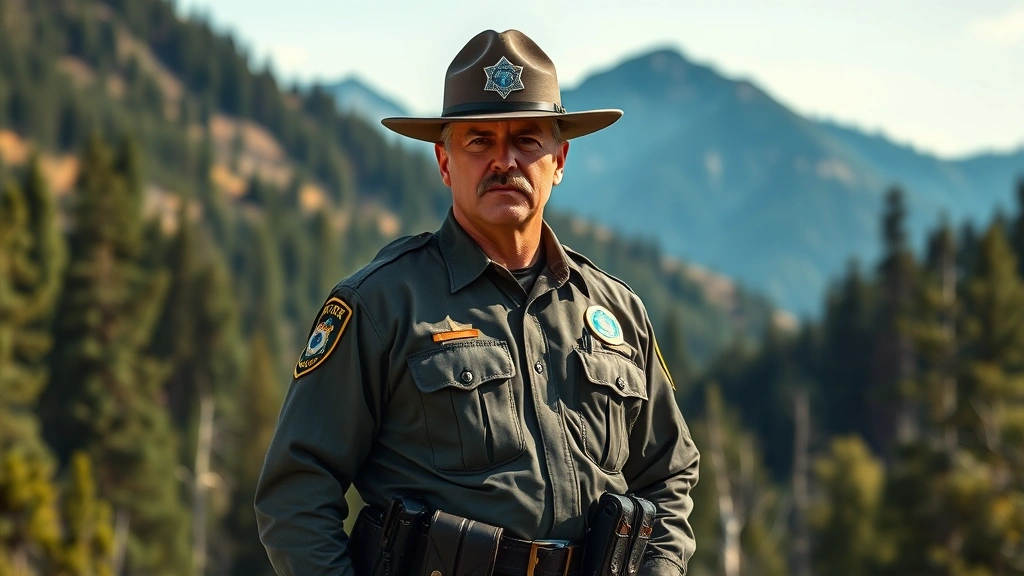
Learning how to become a game warden is your first step toward a rewarding career protecting wildlife and natural resources. This isn’t your typical desk job—it’s hands-on work in the field where you’ll enforce hunting and fishing regulations, investigate poaching, and manage wildlife habitats across your state. If you’ve got the grit, outdoor skills, and commitment to conservation, this guide walks you through everything you need to know to land the badge.
Table of Contents
- Understanding the Game Warden Role
- Education Requirements & Prerequisites
- Physical Fitness Standards Matter
- Getting Certified & Trained
- Navigating the Application Process
- Background Investigation Details
- Preparing for Your Interview
- Attending the Academy
- Career Growth & Advancement
- Frequently Asked Questions
Understanding the Game Warden Role
Before you commit to this path, understand what game wardens actually do day-to-day. You’ll patrol forests, lakes, and wildlife areas enforcing state and federal hunting and fishing laws. You’ll check licenses, inspect catches, investigate violations, and sometimes pursue suspects through rough terrain. Game wardens also conduct wildlife surveys, manage habitat restoration projects, and educate the public about conservation practices. It’s similar to law enforcement—you’ll carry a badge, have arrest authority, and testify in court—but your jurisdiction is nature and outdoor recreation. The work is seasonal in some regions, with heavier enforcement during hunting and fishing seasons.
Education Requirements & Prerequisites
Most states require at least a high school diploma or GED to become a game warden. However, having some college coursework—especially in wildlife biology, environmental science, or natural resource management—gives you a competitive edge. Many candidates pursue associate or bachelor’s degrees in these fields before applying. You’ll also need a valid driver’s license and clean driving record. Some states prefer candidates with hunting or fishing experience, though it’s not always mandatory. Check your specific state’s wildlife agency website for exact education benchmarks, as requirements vary significantly.
Physical Fitness Standards Matter
Game warden work demands serious physical conditioning. You’ll hike through dense woods, wade through swamps, climb mountains, and chase suspects on foot. Most states require you to pass a fitness test before academy admission—typically involving timed runs, push-ups, sit-ups, and other strength assessments. Start training months before applying. Run 3-4 miles several times weekly, incorporate strength training, and build your cardiovascular endurance. The job also requires vision and hearing standards, so get your eyes and ears checked. If you’re not naturally athletic, begin a structured fitness program now. This isn’t optional—it’s a genuine job requirement.
Getting Certified & Trained
Each state operates its own game warden training academy, so certification requirements vary by location. Generally, you’ll complete a law enforcement certification program that covers wildlife laws, investigation techniques, firearms training, and emergency response. Many states require Peace Officer Standards and Training (POST) certification, which involves classroom instruction and practical exercises. Some wardens complete their POST certification through community colleges before applying to the wildlife agency. Others complete it after being hired. Research your state’s specific pathway—some agencies prefer you to have POST certification beforehand, while others will train you after hiring. This training typically takes 12-24 weeks depending on your state.
Navigating the Application Process
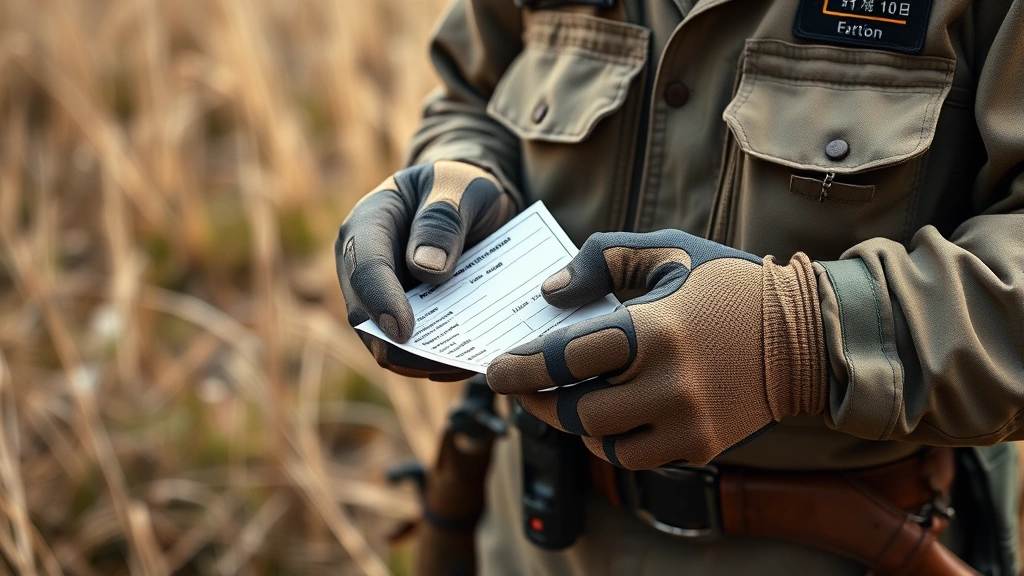
The application process is competitive and thorough. You’ll submit a formal application through your state’s wildlife agency, usually online through their career portal. Include your resume, cover letter, and any certifications. Be specific about why you want this job—generic answers get filtered out. Many agencies use a written exam testing reading comprehension, judgment, and wildlife knowledge. If you pass the written test, you’ll advance to an interview round. Keep your application materials professional and error-free. Highlight any relevant experience like military service, law enforcement background, or volunteer conservation work. If you’re serious about this, treat the application like you’re running for office—because in a sense, you are.
Background Investigation Details
Game warden agencies conduct extensive background checks. They’ll verify your employment history, contact previous employers, check your criminal record, and review your driving history. They’ll also investigate your financial background and interview people who know you. Be prepared to discuss any past mistakes honestly. Minor infractions from years ago might not disqualify you, but dishonesty during the investigation will. They want people of integrity who can represent the agency professionally. Get your affairs in order before applying—pay outstanding debts, resolve any legal issues, and ensure your social media presence is professional. This investigation is serious business; they’re essentially vetting you to carry a gun and make arrests.
Preparing for Your Interview
The interview tests your communication skills, judgment, and commitment to conservation. Expect scenario-based questions like “How would you handle an angry hunter who’s breaking regulations?” or “Describe a time you had to make a difficult decision.” Research your state’s wildlife agency, understand current conservation issues, and prepare specific examples from your life demonstrating leadership, problem-solving, and integrity. Practice your answers aloud. Dress professionally in business attire. Bring copies of your certifications and references. Arrive early, make eye contact, and speak clearly. Remember, they’re hiring for a position of public trust—convince them you’re worthy of it. Similar to preparing for how to become a 911 operator, you need to demonstrate calm judgment under pressure.
Attending the Academy
Once hired, you’ll attend your state’s game warden academy—typically a 12-24 week intensive program. You’ll learn wildlife laws, investigation techniques, firearms handling, emergency response, first aid, and vehicle operation. Physical training continues throughout. You’ll study specific game species, habitat management, and enforcement strategies. Many academies are residential, so prepare to live on-campus. The curriculum is demanding and some candidates don’t complete it. Stay focused, ask questions, and build relationships with your classmates—they’ll be your colleagues for years. You’ll also complete field training with experienced wardens, learning practical skills like tracking, wildlife identification, and public interaction. This academy experience is where theory becomes real-world competency.
Career Growth & Advancement
Starting as a field game warden, you can advance to senior warden, supervisor, or administrative roles within the wildlife agency. Some wardens specialize in specific areas like marine enforcement, investigation, or education. Pursuing advanced education—like a bachelor’s degree in wildlife management or criminal justice—opens doors to supervisory positions. You might also transition into related fields like how to become a BCBA in wildlife education or move into federal positions with the U.S. Fish and Wildlife Service. The skills you develop—law enforcement, public communication, outdoor expertise—are transferable. Your career trajectory depends on your ambition and willingness to continue learning throughout your career.
Frequently Asked Questions
What’s the salary for a game warden?
Entry-level game warden salaries typically range from $35,000 to $45,000 annually, depending on your state. With experience and advancement, salaries can reach $60,000-$75,000 or higher. Federal game wardens earn more, with starting salaries around $45,000-$50,000. Benefits usually include health insurance, pension plans, and paid leave. Your actual salary depends heavily on your state’s budget and your specific position.
How long does it take to become a game warden?
The timeline varies but typically takes 6-12 months from application to academy completion. You’ll spend 2-4 months applying and interviewing, then 12-24 weeks in academy training. Some candidates take longer if they pursue college degrees first. The entire process from decision to badge can take 1-3 years if you’re building education credentials beforehand.
Do I need hunting or fishing experience?
While not always required, hunting or fishing experience is valuable. It demonstrates outdoor competency and genuine interest in wildlife management. If you don’t have this background, spend time learning before applying. Take a hunter safety course, go fishing, and study wildlife species in your region. This experience strengthens your application and prepares you for the work.

Are there age requirements?
Most states require you to be at least 18-21 years old to apply. Some agencies have maximum age limits for hiring, though this is becoming less common. Check your specific state’s requirements, as they vary. Generally, if you’re between 21-35, you’re in the ideal hiring window.
What if I have a criminal record?
Minor infractions from years ago might not disqualify you, but felonies typically will. Dishonesty during the background investigation is an automatic disqualifier. If you have a record, consult with the hiring agency directly about your eligibility. Transparency is crucial—they’ll find out anyway, and honesty counts for something.
Can I become a federal game warden instead?
Yes, the U.S. Fish and Wildlife Service hires federal game wardens. Requirements are similar but more stringent—typically requiring at least some college coursework. Federal positions offer higher pay and benefits but face stiffer competition. Start with your state agency to gain experience, then apply federally later if you want.
What’s the physical test like?
Tests vary by state but typically include a 1.5-3 mile timed run, push-ups, sit-ups, and sometimes a stair climb or obstacle course. You’ll need to meet minimum standards—usually completing the run in under 15 minutes and performing 30+ push-ups and sit-ups. Start training now if you’re interested. The requirements aren’t impossible, but they’re real.
Do I need to be certified before applying?
Requirements differ by state. Some prefer POST certification beforehand, while others provide training after hiring. Check your state’s wildlife agency website for specifics. Having certification before applying makes you more competitive, even if it’s not required.
Your Path Forward
Becoming a game warden requires dedication, education, physical fitness, and genuine passion for wildlife conservation. It’s not an easy path, but it’s incredibly rewarding for the right person. Start by researching your specific state’s requirements, build your education and fitness foundation, and develop outdoor skills through hunting, fishing, or volunteer conservation work. Network with current wardens, learn about your state’s wildlife challenges, and understand the laws you’ll enforce. The application process is competitive, so make yourself stand out through genuine commitment and thorough preparation. If you’re willing to put in the work now, you’ll be well-positioned to wear the badge and protect the natural resources that future generations depend on. Check resources like the U.S. Fish and Wildlife Service and your state’s wildlife agency for current openings and detailed requirements. You’ve got this.


