
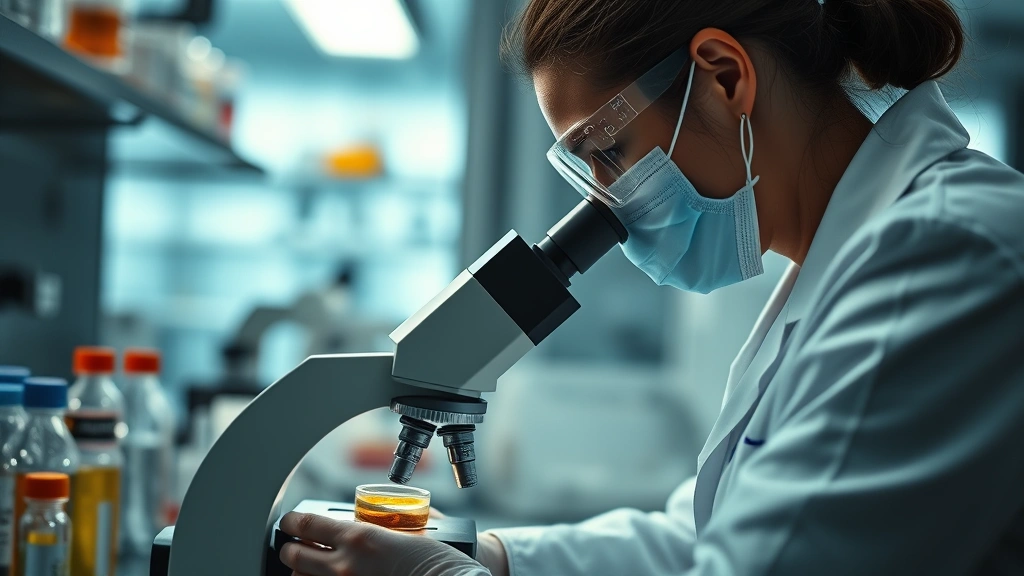
Learning how to become a forensic scientist requires dedication, education, and a genuine passion for solving crimes through scientific investigation. If you’ve ever watched crime shows and thought, “I could do that,” it’s time to understand what the real journey looks like—because it’s far more rigorous and rewarding than any TV drama.
Table of Contents
Understand the Forensic Role
Before diving into how to become a forensic scientist, you need to understand what the job actually entails. Forensic scientists collect, analyze, and interpret physical evidence from crime scenes. You’ll work in labs, courtrooms, and occasionally at actual crime scenes. The work combines chemistry, biology, physics, and detective work into one career.
This isn’t glamorous TV work. You’ll spend hours documenting evidence, running tests, writing reports, and preparing testimony. You might analyze blood spatter patterns, examine DNA evidence, test gunpowder residue, or investigate digital forensics. The precision required is absolute—one mistake can compromise an entire case.
Educational Requirements Matter
Most law enforcement agencies require at least a bachelor’s degree to become a forensic scientist. Your degree should focus on forensic science, chemistry, biology, or a related field. Some universities offer specific forensic science programs, which provide targeted training in evidence collection and analysis techniques.
A typical bachelor’s program takes four years and covers courses like forensic chemistry, trace evidence analysis, DNA analysis, and criminal law. Many programs include internships or lab work that give you real-world experience before graduation. Don’t skip the chemistry and biology foundation courses—they’re essential for understanding how evidence behaves and degrades.
Choose Your Specialty Area
Forensic science has multiple specialties, and choosing one early helps focus your education. DNA analysis is one of the most in-demand fields right now. Trace evidence specialists examine fibers, glass, and soil. Digital forensics is exploding as cybercrime grows. Toxicology involves analyzing drugs and poisons in biological samples.
You can also specialize in ballistics, questioned documents, or crime scene reconstruction. Some forensic scientists focus on wildlife crimes or arson investigation. Research different specialties during your undergraduate years, take electives in your area of interest, and seek internships that let you test the waters before committing fully.
Gain Hands-On Experience
Theory only gets you so far. You need practical lab experience to become truly competitive. Seek internships at crime labs, police departments, or medical examiner’s offices. Many universities have partnerships with local law enforcement agencies that create internship opportunities.
Volunteer work at victim advocacy centers or community crime labs also builds your resume. Some police departments offer explorer programs where you can shadow forensic scientists and learn the profession firsthand. This experience shows employers you’re serious and gives you networking connections that often lead directly to jobs.
Certification and Licensing
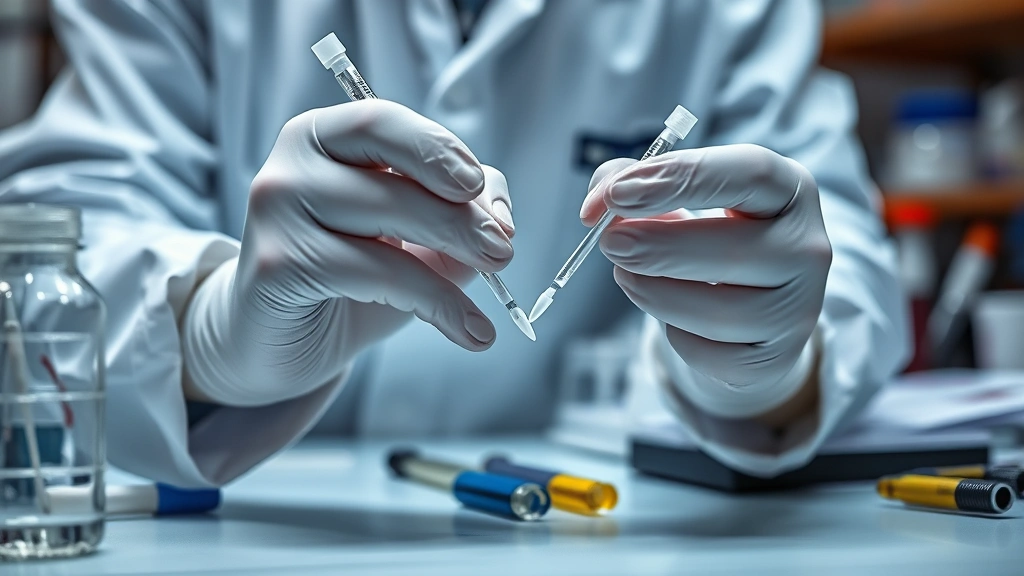
While not always mandatory, professional certification strengthens your credentials significantly. The American Board of Criminalistics offers the ACE (Certified Crime Scene Analyst) certification. The International Association for Identification provides certification in crime scene investigation and forensic photography.
Some states require fingerprint analyst certification or toxicology certification depending on your specialty. Check requirements in your target state or region before graduation. Pursuing certification during your career shows employers you’re committed to professional development and staying current with best practices.
Develop Critical Skills
Technical skills matter, but soft skills matter equally. You need exceptional attention to detail—a misidentified fiber or contaminated sample ruins cases. Strong communication is essential since you’ll write detailed reports and testify in court. Lawyers will cross-examine your findings, so you need confidence and clarity explaining complex science to non-scientists.
Photography skills are crucial for documenting evidence. Learn how to operate crime scene cameras and create detailed visual records. Computer skills are increasingly important, especially for database management and statistical analysis. Problem-solving ability helps you troubleshoot when tests fail or evidence behaves unexpectedly.
Job Search Strategy
Start your job search before graduation. Most forensic scientist positions are with state or local law enforcement agencies, the FBI, or private labs. Check job boards like USAJobs.gov for federal positions. Research police departments and state crime labs in areas where you want to work.
Network at professional conferences through organizations like the American Academy of Forensic Sciences. Connect with your internship supervisors and professors who can provide references. Be prepared for background checks, drug testing, and polygraph examinations—these are standard for law enforcement positions. Your clean record matters as much as your qualifications.
Career Advancement Opportunities
Starting as a forensic analyst, you can advance to senior analyst, supervisor, or lab director. Some forensic scientists transition into teaching, training new analysts, or consulting on complex cases. The FBI and other federal agencies actively recruit experienced forensic scientists for specialized units.
Continuing education keeps you competitive. Attend workshops on emerging technologies like advanced DNA sequencing or digital forensics tools. Publish research findings if you work in an academic or research setting. Leadership training prepares you for supervisory roles. Your career can span decades with plenty of growth opportunities.
Frequently Asked Questions
How long does it take to become a forensic scientist?
Plan on four years for a bachelor’s degree plus 1-2 years of entry-level work before becoming fully established. Certification can add several months. Total timeline from high school to independent forensic scientist is typically 5-7 years.
What’s the salary for forensic scientists?
Entry-level positions typically start at $35,000-$45,000 annually. Experienced forensic scientists earn $60,000-$90,000 depending on location and employer. Federal positions and private consulting can pay significantly more.
Do I need to work in law enforcement first?
No, but it helps. Many crime labs hire people directly from university programs if they have strong internship experience. Some labs prefer hiring from within law enforcement, so working as a police officer first can be advantageous.
What if I’m interested in private forensics?
Private labs, insurance companies, and consulting firms hire forensic scientists too. These positions often pay better but may be more competitive. Building expertise in a specific specialty makes you more attractive to private employers.
Are there online degree programs for forensic science?
Some universities offer online or hybrid forensic science degrees, but hands-on lab work is essential. Choose programs that include in-person lab components or partnerships with local crime labs for practical experience.
The Path Forward
Becoming a forensic scientist demands commitment to education, willingness to start in entry-level positions, and genuine interest in the scientific method. It’s not a shortcut career—it requires patience, precision, and persistence. But if you’re driven by the desire to help solve crimes and bring justice through science, the journey is absolutely worth it.
Start building your foundation now. Take challenging science courses, seek internship opportunities, and connect with professionals in the field. Visit the FBI’s forensics page to understand federal opportunities. Research the American Academy of Forensic Sciences for professional standards and networking. Check your state’s National Institute of Justice resources for regional requirements and job listings.
The forensic science field is growing, and demand for qualified professionals continues rising. Your dedication to learning how to become a forensic scientist positions you for a meaningful career solving real crimes and seeking truth through science.


