
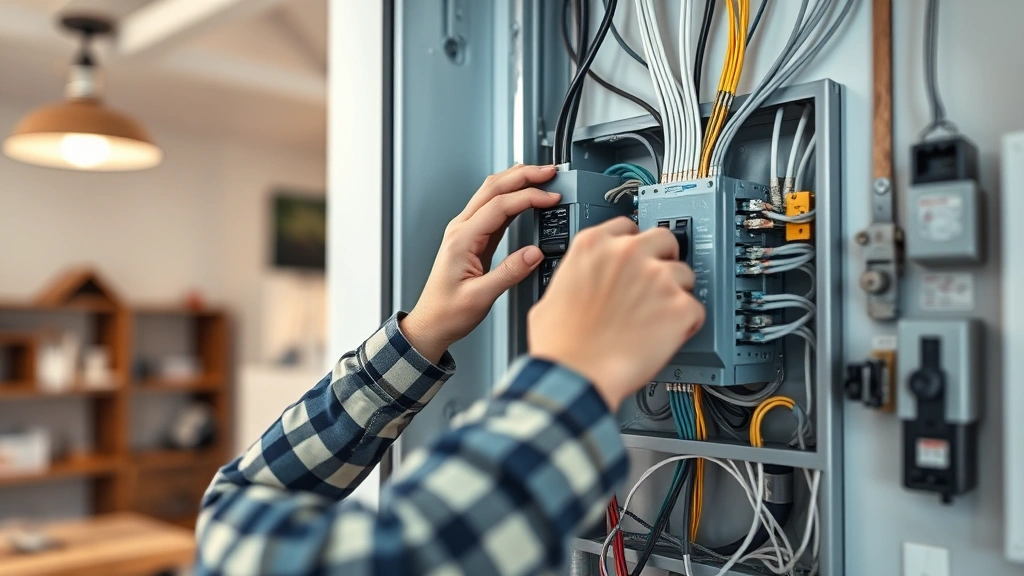
Learning how to become an electrician is a practical pathway to a rewarding career that combines hands-on problem-solving with solid earning potential. Whether you’re drawn to the technical side of electrical systems or the satisfaction of completing projects that power homes and businesses, becoming a licensed electrician requires dedication, structured training, and a commitment to safety. This guide walks you through the essential steps to launch your electrical career the right way.
Table of Contents
Understand Your Local Requirements
Before you jump into training, spend time researching the specific requirements in your state or province. Every region has different rules about what it takes to become a licensed electrician. Some places require 4,000 hours of on-the-job training, while others might ask for 8,000 hours or more. You’ll also need to understand the difference between apprentice, journeyman, and master electrician licenses in your area.
Visit your state’s licensing board website or contact your local electrical union. They’ll give you the official breakdown of hours needed, exam requirements, and any special certifications required in your region. This step saves you headaches down the road because you’ll know exactly what path to follow.
Get Your High School Diploma or GED
This is non-negotiable. Every apprenticeship program requires a high school diploma or GED before you can even apply. If you don’t have one yet, get it done first. Most programs won’t budge on this requirement, and honestly, the foundation you build in math and science classes will help you understand electrical theory later on.
Focus especially on math and physics courses if you’re still in school. Understanding basic algebra, geometry, and electrical principles gives you a head start when you begin formal training. If you’re already out of school, taking a GED prep course is straightforward and worth the investment.
Enroll in an Apprenticeship Program
This is where the real journey begins. An apprenticeship is the gold standard pathway for becoming an electrician. You’ll combine paid on-the-job training with classroom instruction, typically over 4-5 years. The beauty of apprenticeships is that you earn while you learn—you’re not spending thousands on tuition while working a separate job.
Look for programs through the U.S. Department of Labor’s apprenticeship database or your local electrical union. The International Brotherhood of Electrical Workers (IBEW) runs many of the most respected programs. Community colleges also offer pre-apprenticeship courses if you want to build foundational skills before committing to a full apprenticeship.
When applying, be prepared to discuss why you want the job and demonstrate reliability. Contractors need people who show up on time and take safety seriously. Your application might include an interview, aptitude test, or both.
Complete Classroom and On-the-Job Training
Once accepted into an apprenticeship, you’ll split your time between the field and the classroom. On the job, you’ll work alongside experienced electricians, learning to read blueprints, install wiring, troubleshoot circuits, and follow the National Electrical Code (NEC). This hands-on experience is irreplaceable—you can’t learn how to fish a wire through a wall or properly terminate a connection from a textbook alone.
In the classroom, you’ll study electrical theory, code requirements, safety protocols, and mathematics. The curriculum covers everything from basic circuits to three-phase power systems, grounding, bonding, and specialized installations like solar systems or EV charging stations. Pay attention in class because the knowledge directly applies to your daily work and, more importantly, to your licensing exams.

Many apprentices also pick up related skills during this phase. For instance, understanding how to clean corroded battery terminals teaches you about electrical connections and corrosion prevention—principles that apply to larger electrical systems. You might also learn about how to program LiftMaster garage door openers or other smart home systems as technology evolves in the field.
Pass Your Licensing Exams
After completing your apprenticeship hours (usually 8,000 total between classroom and field work), you’ll take the journeyman electrician exam. This is a comprehensive test covering the National Electrical Code, electrical theory, safety practices, and practical problem-solving. Some states use the National Electrical Code exam, while others develop their own version.
Preparation is key. Most apprenticeship programs include exam prep courses during your final year. Study groups with fellow apprentices help reinforce concepts. Many people take practice exams multiple times before attempting the real thing. The exam typically takes 4-6 hours and covers 80-100 questions, depending on your state.
Passing this exam earns you your journeyman license, which allows you to work independently and supervise apprentices. If you want to start your own business or supervise larger projects, you’ll eventually pursue your master electrician license, which requires additional experience and another exam.
Specialize and Advance Your Career
Once licensed, you have flexibility in where your career goes. Some electricians specialize in residential wiring, while others focus on commercial or industrial systems. You might pursue certifications in renewable energy, like solar panel installation, or specialize in low-voltage systems like data cabling and security systems.
Advanced certifications open doors to higher pay and more interesting work. For example, if you’re interested in home automation, you could expand into smart home technology integration, which pairs nicely with electrical work. Some electricians move into code inspection, teaching, or project management roles.
Continuing education is part of the electrician’s life. Most states require ongoing training hours to maintain your license. This keeps you current with code changes, new technologies, and safety advancements. It’s an investment that pays off in job security and career growth.
Maintain Your Certifications and Licenses
Your license isn’t a one-time achievement—it requires maintenance. Most states mandate continuing education credits every 1-3 years to keep your journeyman or master license active. These courses cover code updates, new products, safety protocols, and specialized topics relevant to your focus area.
Stay involved with professional organizations like the National Association of Electrical Contractors (NAEC) or your local electrical union. These groups offer training resources, networking opportunities, and advocacy that benefit your career long-term. They also help you stay informed about industry changes and new technologies shaping the field.
Keep detailed records of your training hours, certifications, and continuing education. If you ever need to transfer your license to another state or apply for a master’s license, documentation proves your credentials and experience.
Frequently Asked Questions
How long does it take to become a licensed electrician?
Most apprenticeships take 4-5 years to complete, combining 8,000 hours of on-the-job training with classroom instruction. Some accelerated programs or prior experience can reduce this timeline, but the standard is around 5 years from start to journeyman license.
Do I need to go to college to become an electrician?
No, a traditional four-year degree isn’t required. An apprenticeship provides all the training you need. However, some community colleges offer pre-apprenticeship or electrical technology programs that can strengthen your foundation before entering an apprenticeship.
What’s the difference between an apprentice, journeyman, and master electrician?
An apprentice is in training under supervision. A journeyman is a licensed electrician who can work independently and supervise apprentices. A master electrician has additional experience and can design electrical systems, supervise multiple projects, and often run their own business.
Can I become an electrician without joining a union?
Yes, non-union apprenticeships exist through contractor associations and private companies. Union apprenticeships typically offer better pay, benefits, and job security, but non-union paths are viable alternatives depending on your location and goals.
What’s the salary potential for electricians?
According to the U.S. Bureau of Labor Statistics, electricians earn a solid middle-class income with growth potential. Experienced electricians, especially those running their own businesses or specializing in high-demand areas, can earn significantly more.
Is electrician work physically demanding?
Yes, it can be. You’ll climb ladders, work in tight spaces, stand for long periods, and lift heavy materials. Good physical fitness and flexibility help, but the job is manageable for most people with reasonable health and proper safety practices.
Your Path Forward
Becoming an electrician is a tangible, achievable goal that leads to a stable, well-paying career. The path is clear: get your diploma, find an apprenticeship, complete your training, pass your exams, and keep learning. Unlike many careers, you’ll have hands-on skills that never go out of style and the satisfaction of literally powering the world around you.
Start by researching apprenticeships in your area this week. Contact your local electrical union, check the Department of Labor’s database, or reach out to community colleges. The sooner you take that first step, the sooner you’ll be on your way to a rewarding electrical career.


