
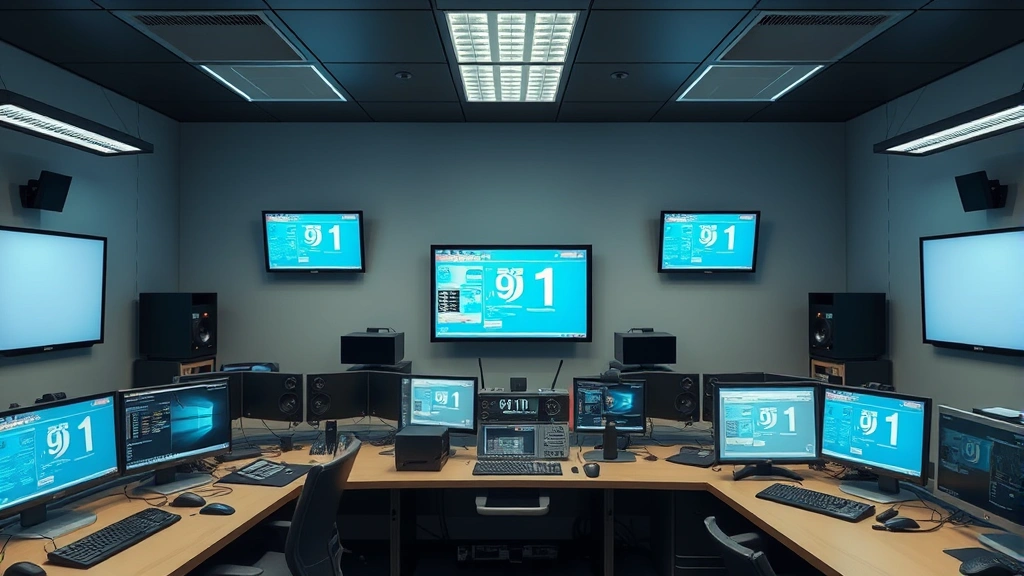
Learning how to become a 911 operator is your first step toward a career that genuinely saves lives every single day. If you’ve ever wondered what it takes to handle emergency calls, coordinate first responders, and stay calm under pressure, you’re in the right place. This guide walks you through everything from basic requirements to landing your first shift.
Table of Contents
Requirements & Basics
Before you even think about applying, you need to meet the baseline qualifications. Most jurisdictions require you to be at least 18 years old, hold a high school diploma or GED, and have a valid driver’s license. Some agencies bump that age requirement to 21, so check your local dispatch center’s specifics. You’ll also need to pass a background check—and this is serious business. Any felony convictions, certain misdemeanors, or a history of dishonesty can disqualify you permanently.
Citizenship or permanent residency is almost always mandatory. Some states require you to be a U.S. citizen specifically, while others accept permanent residents. A clean driving record helps tremendously, though a few minor traffic violations won’t necessarily eliminate you. The key is demonstrating reliability and trustworthiness from the start.
Education & Training Path
You don’t need a four-year degree to become a 911 operator, but some formal education gives you a real edge. Many community colleges offer emergency dispatch certification programs that run anywhere from a few weeks to several months. These programs cover call handling, emergency medical dispatch protocols, and radio communication procedures. Taking one before you apply shows employers you’re serious and already understand the fundamentals.
Once hired, expect 4-6 weeks of intensive on-the-job training with a senior dispatcher. You’ll learn your jurisdiction’s specific procedures, local geography, police codes, and emergency protocols. This training is non-negotiable—you can’t just walk in and start taking calls. You’ll sit with an experienced operator, listen to real calls, and gradually take over under supervision until you’re cleared to work independently. Think of it like an apprenticeship in a high-stakes environment.
The Application Process
Finding the right job starts with your local government’s HR department or the dispatch center’s website directly. Most positions are posted on municipal job boards or sites like official government employment portals. The application itself is straightforward—resume, cover letter, and a detailed application form asking about your background and why you want the job.
Then comes the testing phase. You’ll typically face a written exam covering reading comprehension, map reading, multitasking scenarios, and situational judgment. Some agencies use computer-based simulations where you handle mock emergency calls. The interview panel usually includes senior dispatchers and supervisors who ask behavioral questions and assess how you handle pressure. They want to see if you can stay calm when a caller is panicking or if you freeze up. Be honest about your weaknesses—they respect that more than bravado.
What Dispatch Center Work Looks Like
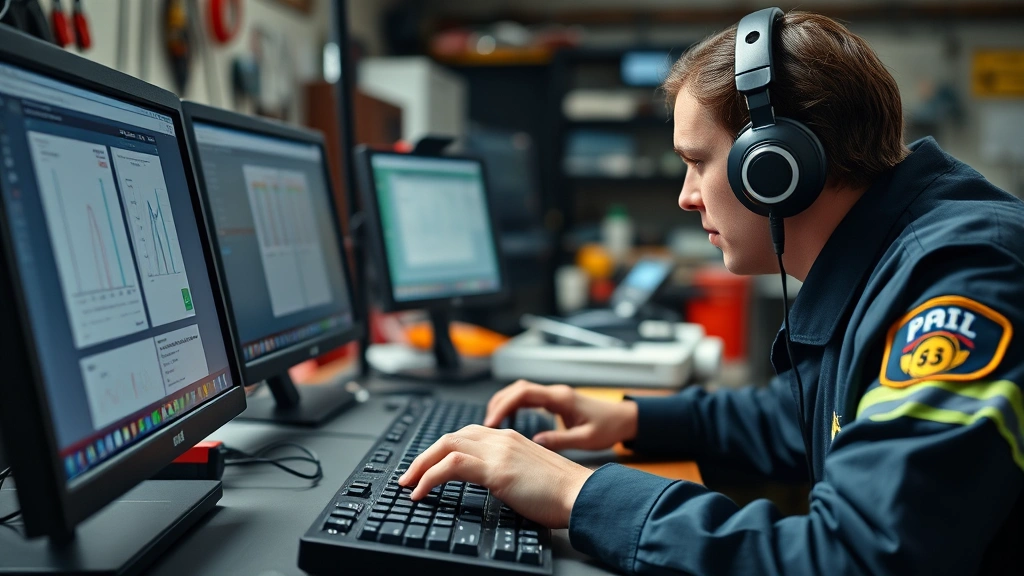
A typical shift is 8-10 hours in a climate-controlled room with multiple monitors, a headset, and a radio console. You’re answering 911 calls, asking the right questions to get critical information, dispatching police, fire, and EMS units, and maintaining radio contact with responders in the field. It’s not glamorous, but it’s absolutely essential. You might handle 50-100 calls in a shift depending on your jurisdiction’s size.
The environment is controlled chaos. Multiple calls come in simultaneously, your radio is constantly active, and you’re juggling information from several incidents at once. One moment you’re taking a residential burglary report, the next you’re dispatching paramedics to a heart attack, then coordinating a traffic accident response. It requires genuine mental agility and the ability to prioritize on the fly. Many operators describe it as playing 3D chess while riding a roller coaster.
Certification & Licensing
Most states require 911 operators to earn Emergency Dispatch Certification, which typically comes through the National Academy of Emergency Dispatch (NAED) or your state’s equivalent. You’ll take an exam covering emergency medical dispatch protocols, fire dispatch procedures, and law enforcement dispatch standards. This certification demonstrates you know the universal language of emergency response. Recertification usually happens every two to three years, keeping your skills current.
Some states have their own licensing requirements separate from national certification. California, for example, has a Public Safety Dispatcher certification. Check with your state’s peace officer standards and training (POST) commission or equivalent agency to understand your specific requirements. Having these credentials on your resume before you apply makes you significantly more competitive.
Critical Skills You’ll Need
Technical skills matter—you need to master computer systems, radio consoles, and CAD (Computer-Aided Dispatch) software. But the soft skills are where you’ll make or break it. Listening is paramount. You have to extract crucial information from panicked, incoherent, or injured callers who can’t always articulate what’s happening. You ask the right follow-up questions without wasting time.
Stress tolerance is non-negotiable. You’ll hear people at their absolute worst—screaming children, dying relatives, violent situations. You can’t let that emotional weight affect your job performance. Empathy is essential, but you can’t let it paralyze you. The ability to manage communication clearly under pressure separates good operators from great ones. You also need solid organizational skills, attention to detail, and the ability to work in a team environment with law enforcement, fire, and EMS personnel.
Job Outlook & Pay
The job market for 911 operators is stable and growing. The Bureau of Labor Statistics projects steady demand as retirements increase and call volumes stay high. Starting pay varies dramatically by location—rural areas might start at $28,000-$32,000 annually, while major cities often begin at $35,000-$45,000. With experience, you can reach $50,000-$65,000 or higher in well-funded jurisdictions. Benefits typically include health insurance, pension plans, and paid leave.
The real advantage is job security. Emergency services never go out of business, and dispatchers are always in demand. Once you’re in the system, lateral movement to supervisory roles, training positions, or specialized dispatch centers becomes available. Some operators transition to emergency management or homeland security roles using their dispatch experience as a foundation.
Common Mistakes to Avoid
Don’t apply without understanding your local jurisdiction’s specific requirements. Each city and county has different standards, pay scales, and hiring timelines. Applying to three different agencies with slightly different needs requires tailored applications. Generic submissions get rejected automatically. Also, don’t underestimate the background check. Disclose everything—traffic tickets, old debts, anything that might surface. Honesty now beats surprises later.
Many candidates bomb the interview by overselling themselves. Dispatch centers want reliable, humble people who acknowledge what they don’t know. Saying “I don’t know, but I’d figure it out” is infinitely better than bullshitting. Another killer mistake is not preparing for the written exam. Practice reading maps, work through logic problems, and study emergency dispatch protocols beforehand. Staying organized with your application materials prevents missing deadlines or submitting incomplete paperwork.
Frequently Asked Questions
Do I need a college degree to become a 911 operator?
No. A high school diploma or GED is the minimum requirement. A college degree, particularly in emergency management or public administration, can help you advance faster, but it’s not required to start. Many operators work their way up without a degree and earn certifications on the job.
How long does training take after I’m hired?
Initial training typically lasts 4-8 weeks depending on the agency. You’ll spend the first few weeks in classroom instruction covering protocols and procedures, then transition to supervised call-taking with an experienced dispatcher. You might not be fully independent for 2-3 months after hire.
What’s the hardest part of the job?
Most operators say the emotional toll is the hardest aspect. You hear people in genuine crisis—sometimes you’re the last person someone talks to. You have to compartmentalize that weight and stay focused. The second hardest part is the shift work. Many dispatch centers operate 24/7, so you’ll work nights, weekends, and holidays.
Can I become a 911 operator with a criminal record?
Felony convictions typically disqualify you permanently. Misdemeanors are case-by-case. A DUI, assault, or theft conviction is usually a dealbreaker. Minor offenses from years ago might be overlooked if you’ve demonstrated reform, but there’s no guarantee. Contact your jurisdiction’s HR department for specific guidance on your situation.
What’s the typical career path after dispatch?
Many operators move into supervisory roles, training positions, or specialized dispatch (like emergency medical dispatch). Some transition to 911 management, emergency preparedness, or law enforcement careers. Your dispatch experience is a credential that opens doors in emergency services.
Do I need to be good at multitasking?
Absolutely. You’re managing multiple calls, monitoring radio traffic, updating computer systems, and coordinating with responders simultaneously. If you struggle with context-switching or get overwhelmed by competing demands, this job will be brutal. Practice multitasking before you apply.
Final Thoughts
Becoming a 911 operator isn’t a shortcut career—it’s a calling that requires genuine commitment. You’re the critical link between people in crisis and the responders who help them. The pay is solid, the job security is excellent, and the sense of purpose is real. Start by meeting the basic requirements, consider taking a community college dispatch course, nail the application and interview, and prepare mentally for the intensity of the work.
The dispatch center needs people who can handle pressure, stay organized under chaos, and genuinely care about doing the job right. If that sounds like you, start researching your local agency’s hiring process today. Your first shift might be weeks away.


