
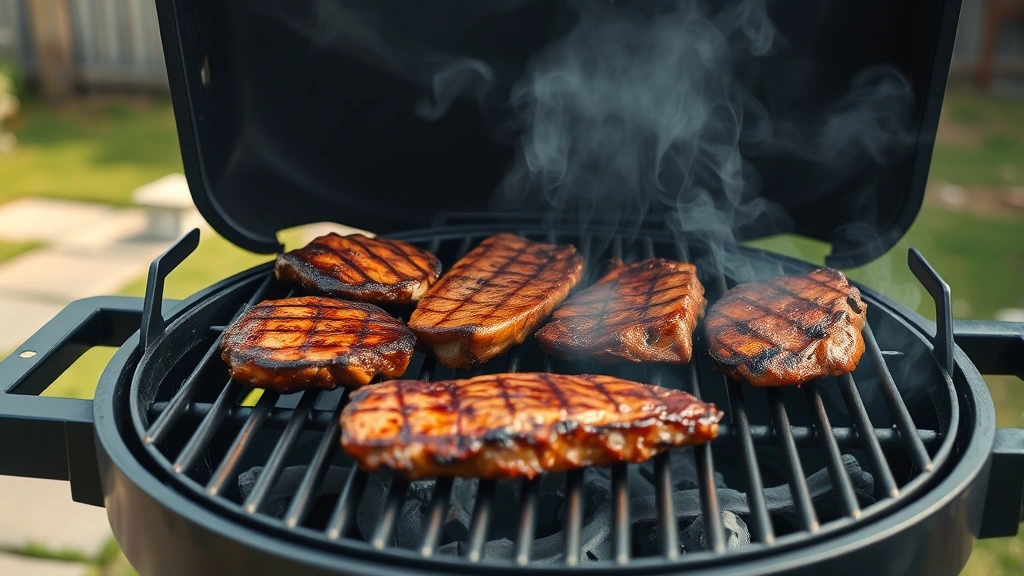
Learning how to BBQ on a charcoal grill is one of those skills that separates the backyard warriors from the casual grill-owners. There’s something primal and satisfying about mastering fire, smoke, and meat on a charcoal grill—it’s not just cooking, it’s a craft. Whether you’re a complete beginner staring at your first bag of briquettes or someone who’s burned a few steaks and wants to get it right, this guide will walk you through everything you need to know to become a charcoal grilling pro.
Table of Contents
Choosing Your Charcoal Grill
Before you can master how to BBQ on a charcoal grill, you need the right equipment. Charcoal grills come in different shapes and sizes, but the most common are kettle grills, barrel grills, and offset smokers. A classic 22-inch kettle grill is perfect for beginners—it’s affordable, versatile, and durable. Look for grills with adjustable grates, good ventilation, and a sturdy construction that’ll handle years of backyard cooking.
The quality of your grill matters more than the price tag. A well-made charcoal grill will last decades if you treat it right. Check for rust-resistant materials, tight-fitting lids, and smooth-operating vents. Your vents are critical—they control airflow, which controls temperature, which controls everything.
Understanding Fuel Types
Not all charcoal is created equal, and choosing the right fuel is fundamental to successful charcoal grilling. You’ve got two main options: briquettes and lump charcoal. Briquettes are uniform, compress easily, and burn at consistent temperatures for longer periods—ideal for beginners. Lump charcoal is pure wood char, burns hotter, and gives you more authentic smoke flavor, but it’s less predictable and burns faster.
For learning how to BBQ on a charcoal grill, start with quality briquettes from reputable brands. Avoid cheap briquettes filled with additives and fillers. Once you’ve mastered temperature control, experiment with lump charcoal or a blend of both. Store your charcoal in a dry place—moisture is the enemy of consistent burning.
Mastering Temperature Control
Temperature control is the foundation of charcoal grilling success. Your grill has vents—typically a bottom intake vent and a top exhaust vent. These aren’t decorative; they’re your control levers. Open vents increase oxygen flow, which increases temperature. Close them down to lower heat. It’s that simple, but it takes practice to nail it.
Invest in a reliable grill thermometer—the built-in ones are often garbage. A quality thermometer lets you see actual grate temperature, not just the air temperature above the grill. For most BBQ work, you’re targeting 225-275°F for low and slow smoking, or 350-400°F for direct grilling. Get a feel for how your specific grill responds to vent adjustments. Every grill has personality.
Lighting Your Charcoal
There are multiple ways to light charcoal, and the method you choose affects your grilling experience. The chimney starter is the gold standard—it’s a metal cylinder that uses rising heat to ignite charcoal evenly without lighter fluid. Fill it with briquettes, stuff crumpled newspaper in the bottom, light it, and wait 15-20 minutes until the charcoal is glowing on top.
Lighter fluid works but leaves chemical flavors if you’re not careful. Electric starters are reliable but require an outlet. Never use instant-light charcoal with lighter fluid pre-soaked in—it’s a shortcut that compromises flavor. Once your charcoal is lit and ready, carefully pour it into your grill and arrange it for either direct or indirect cooking, depending on what you’re making.
Direct vs Indirect Heat
Understanding direct versus indirect heat is crucial for mastering how to BBQ on a charcoal grill. Direct heat means your food sits directly over the charcoal—this creates high heat and char, perfect for burgers, steaks, and hot-and-fast grilling. Indirect heat means your food sits away from the charcoal, with heat circulating around it—this is your low-and-slow method for ribs, brisket, and whole chickens.
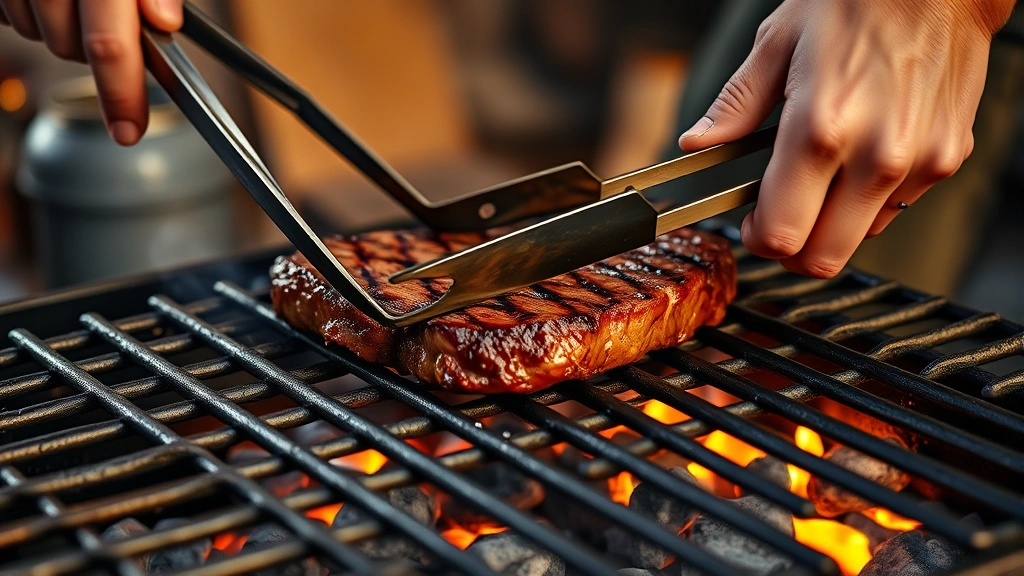
Many grills let you do both simultaneously. Pile charcoal on one side for direct heat, leave the other side empty for indirect. This gives you flexibility—sear your meat over direct heat, then move it to indirect heat to finish cooking gently. It’s the technique that separates mediocre BBQ from restaurant-quality results.
Preparing Your Meat
Great BBQ starts before the charcoal even lights. Bring your meat to room temperature 30-45 minutes before grilling—cold meat cooks unevenly. Pat it dry with paper towels; moisture prevents proper browning and creates steam instead of that beautiful crust. Season generously with salt and pepper, or use a dry rub if you’re feeling fancy. Our best summer recipes include some killer seasoning combinations worth trying.
Don’t flip constantly. Let your meat develop a crust on one side before moving it. This is where patience pays off. For thick cuts, consider the reverse sear method: start over indirect heat to cook through slowly, then finish with a quick sear over direct heat for that crust. It’s a game-changer for premium cuts.
Essential Cooking Techniques
Once you’ve got your charcoal burning and your meat ready, technique matters. For burgers and steaks, use high direct heat—400°F or hotter. Don’t press down on your meat with the spatula; that squeezes out juices. Flip once, only once, and let it cook undisturbed. Add your cheese in the last minute and tent with foil to melt it.
For low-and-slow smoking, maintain steady heat between 225-250°F. This is where a water pan helps—place it on the grill opposite your charcoal to regulate temperature and add moisture. Add wood chips soaked in water for smoke flavor. Ribs typically take 5-6 hours at this temperature; brisket can take 12-16 hours. Patience is a technique too. Check out our BBQ sauce recipe to finish your smoked meats perfectly.
Timing and Doneness
Knowing when your meat is done separates good BBQ from overcooked disappointment. Invest in an instant-read meat thermometer—it’s non-negotiable. Chicken reaches safe doneness at 165°F, pork at 145°F, and beef depends on preference: 130°F for medium-rare, 140°F for medium. Ribs are done when the meat pulls back from the bone and a toothpick slides through like butter.
Don’t rely on time alone; every grill cooks differently, and meat thickness varies. The thermometer is your truth. Let your meat rest after cooking—5 minutes for steaks, 10 minutes for chicken, 15-20 minutes for large cuts like brisket. This allows juices to redistribute, keeping your meat moist instead of letting them run out onto the plate.
Maintenance and Care
Your charcoal grill will last decades if you maintain it properly. After each cook, once the grill cools, scrape the grates with a grill brush to remove buildup. Empty ash regularly—accumulated ash restricts airflow. Once a year, deep clean your grill: remove grates, scrub them thoroughly, wipe down the interior, and check for rust.
Keep your grill covered when not in use to protect it from weather. If rust appears, address it immediately with a wire brush and touch-up paint. Check your vents periodically to ensure they move freely. A well-maintained grill is a reliable grill, and reliability is what separates weekend warriors from backyard legends.
Frequently Asked Questions
How long does charcoal take to light?
Using a chimney starter, charcoal is ready in 15-20 minutes when the top briquettes are glowing and covered in white ash. Lighter fluid can be faster but compromises flavor. Plan for 20-30 minutes total from cold grill to cooking temperature.
Can you reuse charcoal?
Yes, absolutely. Unburned briquettes can be saved for your next cook. Let them cool completely, store them in a dry container, and reuse them. This saves money and reduces waste. Lump charcoal can also be reused, though it burns less predictably the second time.
What’s the best wood for smoke flavor?
Hickory, oak, and fruitwoods like apple and cherry are classic choices. Hickory is strong and works with beef. Apple is milder and great with pork and chicken. Avoid softwoods and treated lumber—they create creosote and chemical flavors. Soak chips for 30 minutes before adding them to your charcoal.
Why is my charcoal grill temperature dropping?
Temperature drops when vents are too closed, charcoal is running low, or ash has accumulated and blocked airflow. Check your bottom vent first—it’s the most critical. Open it fully, wait a few minutes, and temperature should rise. If not, add more charcoal or clean out ash.
Is it safe to grill in the rain?
Light rain won’t hurt your grill, but heavy rain can cool charcoal too much and create steam instead of proper heat. Use a grill umbrella or move your grill under a covered area. Never use your grill indoors or in enclosed spaces—carbon monoxide is a serious risk.
Final Thoughts
Learning how to BBQ on a charcoal grill is a journey, not a destination. Every cook teaches you something about your grill, your technique, and your taste preferences. Start with the basics: solid fuel, temperature control, and patience. Master direct and indirect heat cooking. Invest in good tools—a thermometer and chimney starter will change your game immediately.
The beauty of charcoal grilling is that it’s forgiving and rewarding. You’ll burn some meat, undercook some chicken, and have temperature swings that drive you crazy. That’s part of learning. But when you nail it—when that brisket pulls apart like butter, when your ribs have that perfect bend, when your burgers have that crust and that pink center—you’ll understand why charcoal grilling has survived the gas grill revolution. It’s not just cooking; it’s a craft. Now get out there and start grilling. Your backyard awaits. For more inspiration, check out our best summer recipes collection for complementary sides and dishes to round out your BBQ spread.


