
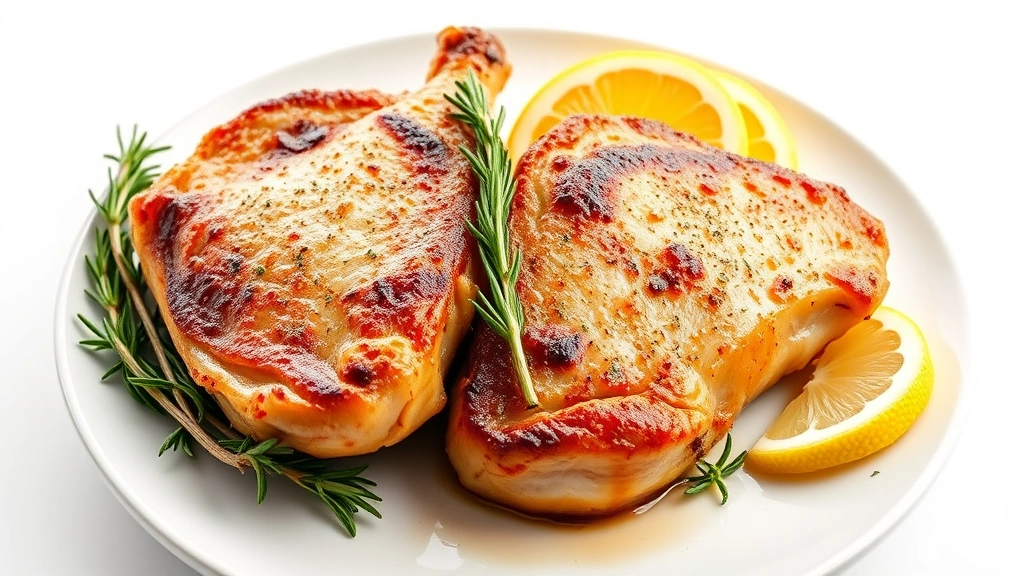
Learning how to bake pork chops in the oven is one of those kitchen skills that’ll save you weeknight dinners and impress your crew without breaking a sweat. The secret? It’s not complicated—it’s all about timing, temperature, and knowing when to stop before they dry out. I’ve tested this method a hundred times, and I’m going to walk you through exactly what works.
Table of Contents
Choosing the Right Pork Chops
You can’t bake mediocre chops and expect magic. Start with quality meat. I always grab bone-in chops that are at least 1 to 1.5 inches thick—they stay juicier than thin ones because they have more meat to work with. Boneless works too, but bone-in gives you better flavor and a safety margin against drying out.
Look for chops with a light pink color and white fat marbling throughout. Avoid anything that looks gray or has a slick surface—that’s old meat. Fresh pork should smell neutral, nothing funky. You want 2 to 4 chops depending on your crew size and appetites.
The thickness is your best friend here. Thin chops cook too fast and dry out before you know it. Thick chops give you time to get them cooked through without turning them into jerky. This is the foundation of getting juicy results every single time.
Prep Matters More Than You Think
Pull your pork chops out of the fridge 20 to 30 minutes before baking. This is non-negotiable if you want even cooking. Cold meat straight from the fridge will cook unevenly—the outside gets done before the inside reaches temperature. Room temperature chops bake uniformly.
Pat them completely dry with paper towels. Moisture is the enemy of browning and flavor development. Don’t skip this step. Wet meat steams instead of sears, and you’ll miss out on that golden crust that adds so much to the final dish.
If your chops are really thick, you can gently pound them to even thickness with a meat mallet. I use the flat side and tap gently—the goal is consistency, not tenderizing. Even thickness means even cooking, which means no more overcooked edges and undercooked centers.
Seasoning Strategy That Works
Keep it simple or get fancy—either way works. The bare minimum is kosher salt and fresh cracked black pepper applied generously to both sides about 10 minutes before baking. Salt draws out moisture initially but then gets reabsorbed, seasoning the meat throughout. This is the science that makes a difference.
If you want to add complexity, garlic powder, onion powder, and smoked paprika are your friends. A light touch of cayenne adds depth without heat. You can also rub them with a bit of olive oil mixed with herbs—fresh rosemary, thyme, or sage all pair beautifully with pork.
For something different, try a honey-mustard glaze or a maple-soy situation. The key is not drowning them—a light coating works better than heavy sauces that trap steam. You’re baking, not braising, so keep toppings minimal until the last few minutes if you want them caramelized.
Getting Oven Temperature Right
Preheat your oven to 400°F (200°C). This temperature is the sweet spot for baking pork chops in the oven. It’s hot enough to develop a nice crust and cook through in reasonable time, but not so hot that the outside burns before the inside cooks.
Use an oven thermometer to verify your actual temperature. Many home ovens run hot or cold, and guessing is how you end up with inconsistent results. A $10 thermometer pays for itself in better cooking. Seriously, get one if you don’t have it.
If your oven runs cool, bump it up to 425°F (220°C). If it runs hot, drop to 375°F (190°C). The goal is consistent, moderate heat that cooks the meat through without scorching the outside. This is where knowing your equipment matters.
The Actual Baking Process
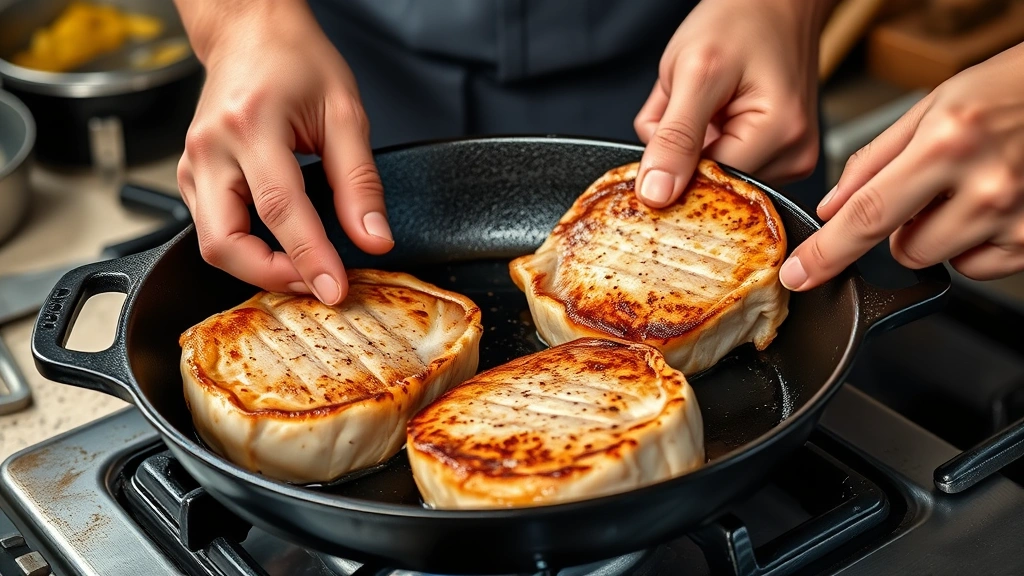
Heat an oven-safe skillet on the stovetop over medium-high heat. Add a bit of oil—vegetable, canola, or avocado oil all work. Once it’s shimmering, carefully place your pork chops in the pan. You should hear a good sizzle. This is searing, and it creates that flavorful crust.
Sear for 2 to 3 minutes per side until golden brown. Don’t move them around—let them sit and develop color. Once both sides are seared, transfer the whole skillet to the preheated oven. If your skillet isn’t oven-safe, transfer the chops to a baking dish.
Bake for 12 to 15 minutes depending on thickness. Thicker chops need the longer time. Don’t open the oven door constantly—every time you do, heat escapes and cooking time extends. Just let them be.
Checking for Perfect Doneness
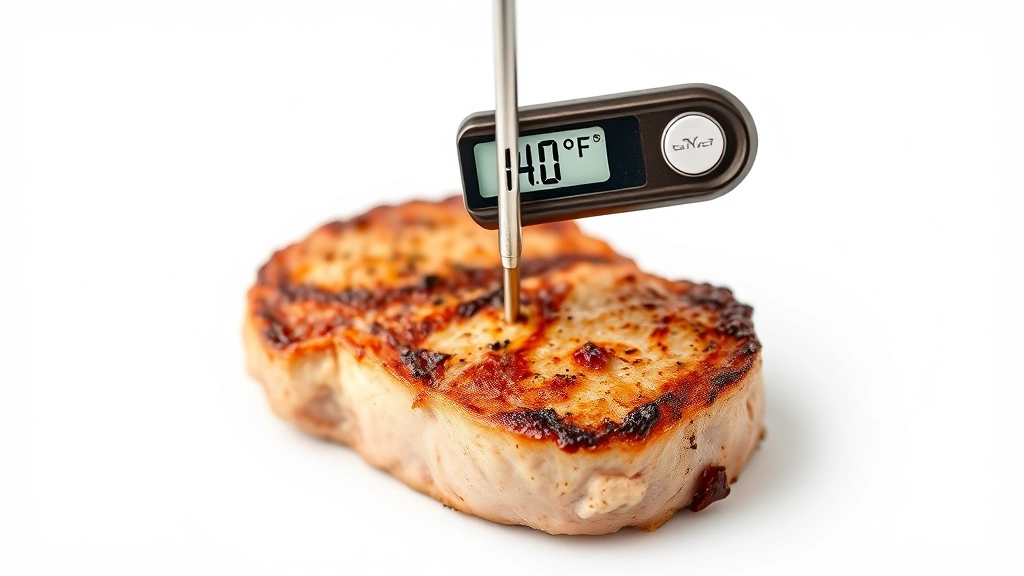
Use an instant-read meat thermometer—this is the only way to know for sure. Insert it horizontally into the thickest part of the chop, away from bone if there is one. Pork is safely cooked at 145°F (63°C) internal temperature. That’s the official USDA standard, and it’s where pork is tender and juicy, not dry.
If your thermometer reads 140°F (60°C), pull them out now. They’ll coast up a few degrees while resting. This carryover cooking is real and important. Waiting until they hit 145°F in the oven means they’ll be 150°F after resting, which starts getting dry.
Don’t rely on color or touch—meat thermometers are cheap and they’re never wrong. I’ve seen perfectly pink pork at 145°F and overcooked gray pork at 155°F. Temperature is the only honest measure.
Why Resting is Non-Negotiable
Remove your pork chops from the oven and let them rest for 5 minutes on a clean plate. This isn’t optional—it’s where the magic happens. While cooking, heat drives moisture toward the surface. Resting lets those juices redistribute back into the meat.
If you cut into a chop immediately after cooking, all those juices run out onto the plate instead of staying in the meat. Five minutes of resting means the difference between juicy and dry. Cover them loosely with foil if your kitchen is cool, but don’t seal it tight or you’ll trap steam.
After resting, the chops will have a slightly lower temperature, but they’ll be noticeably more tender and flavorful. This step separates good cooking from great cooking.
Flavor Variations to Try
Once you’ve nailed the basic technique, play with flavors. A high-fiber dinner recipe approach pairs well with roasted vegetables alongside your baked chops. Brush them with a glaze in the last 3 minutes—maple-soy, honey-mustard, or a simple lemon-herb butter all work beautifully.
Try a Mediterranean seasoning with oregano, lemon zest, and a touch of garlic. Or go Asian with ginger, soy sauce, and sesame oil. The technique stays the same; you’re just changing the flavor profile. This is where you get creative and make it your own.
For something completely different, try a spice rub with cumin, chili powder, and a hint of cinnamon. Pork loves sweet and savory combinations. Just remember that heavily sauced chops steam more than bake, so keep toppings on the light side until the final minutes.
Common Mistakes to Avoid
The biggest mistake is cooking from cold. Chops straight from the fridge cook unevenly and dry out faster. Give them 20 to 30 minutes at room temperature—this is non-negotiable.
Second mistake: skipping the sear. That golden crust isn’t just pretty; it’s flavor. The Maillard reaction creates complex tastes you can’t get any other way. Always sear before baking.
Third mistake: cooking too long. Pork at 145°F is done. Pushing it to 160°F because you’re nervous about food safety is how you end up with dry, tough chops. Trust your thermometer and the science.
Fourth mistake: not resting. Those five minutes make a real difference in juiciness. Skip this and you’re throwing away moisture and tenderness.
Fifth mistake: using thin chops. They cook too fast and dry out before you can get them out of the oven. Stick with 1 to 1.5 inches minimum thickness.
Serving Ideas That Work
Baked pork chops pair beautifully with roasted vegetables—asparagus, Brussels sprouts, or green beans all complement the meat perfectly. A simple side salad with vinaigrette adds freshness and balance.
For something heartier, serve with mashed potatoes or roasted root vegetables. A fried flounder recipe approach to sides works too—think crispy, golden, and flavorful. You could also do a grain like rice or quinoa to soak up any pan juices.
If you want to get fancy, make a pan sauce in your skillet after removing the chops. Add a splash of broth, a squeeze of lemon, and some fresh herbs. Simmer for a minute and drizzle over the top. That’s restaurant-level cooking right there.
Storage and Leftovers
Cooked pork chops keep in the fridge for 3 to 4 days in an airtight container. They’re fantastic cold in sandwiches or chopped into salads. You can also reheat them gently in a 325°F oven for about 10 minutes with a splash of broth to restore moisture.
Don’t microwave them—that’s a one-way ticket to rubbery texture. Low and slow reheating preserves the quality you worked for. If you’re planning leftovers, cook them to 140°F instead of 145°F so reheating brings them to perfect temperature without overdoing it.
Frequently Asked Questions
How long does it take to bake pork chops at 400°F?
Depending on thickness, 12 to 15 minutes after searing. Thicker chops take longer. Always use a meat thermometer to check—target 140°F internal temperature, which will coast to 145°F while resting.
Can I bake pork chops without searing them first?
Technically yes, but you’ll miss the flavorful crust that searing creates. The Maillard reaction that happens during searing adds depth and complexity. It’s worth the extra 5 minutes.
What temperature is pork chops done?
145°F (63°C) internal temperature is the safe, juicy target. The USDA updated guidelines years ago—pork doesn’t need to be cooked to 160°F anymore. Modern pork is safe at 145°F.
Why are my baked pork chops always dry?
Most likely you’re cooking them too long or starting from cold meat. Use a thermometer and pull at 140°F. Room temperature meat before cooking also helps. And always rest for 5 minutes after baking.
Can I use boneless pork chops?
Yes, but they dry out faster than bone-in. Keep them thicker (at least 1.5 inches) and watch them closely. The bone acts as a heat sink that helps keep the meat juicy.
Should I cover pork chops while baking?
No. You want them to bake uncovered so the surface stays dry and can develop color. Covering traps steam and creates a stewed texture instead of baked.
What’s the best seasoning for baked pork chops?
Salt, pepper, and garlic powder is the classic combo. But pork loves herbs like rosemary, thyme, and sage. You can also do sweet and savory with maple, honey, or apple. Experiment and find what you like.
Can I bake pork chops in a glass baking dish?
Yes, but you’ll miss the searing step. If you go this route, sear them in a skillet first, then transfer to your baking dish. Glass heats differently than cast iron, so baking time might vary slightly.
Final Thoughts
Learning how to bake pork chops in the oven is straightforward once you understand the fundamentals: room temperature meat, proper thickness, hot searing, correct temperature, and resting. Follow these steps and you’ll get juicy, flavorful results every single time. No more dry, disappointing pork chops. This is a technique that’ll serve you for years, and it’s so simple you’ll wonder why it took you so long to nail it down. Get out there and cook some great pork chops.


