

Learning how to avoid shin splints is one of the smartest investments you can make in your running or athletic life. Shin splints—that sharp, nagging pain along the inner edge of your shinbone—can sideline you faster than a blown tire on a road trip. The good news? This injury is highly preventable with the right approach, and I’m going to walk you through exactly what works.
Table of Contents
Understanding Shin Splints
Before we jump into prevention tactics, let’s talk about what shin splints actually are. Medial tibial stress syndrome—the fancy name for shin splints—happens when muscles, tendons, and bone tissue around your shinbone become inflamed from repetitive stress. Think of it like this: you’re asking your legs to do more work than they’re conditioned for, and the tissues start protesting.
The pain typically shows up on the inside of your shin, anywhere from your knee down to your ankle. It’s not a sharp, sudden injury like rolling your ankle. Instead, it’s that gradual build-up of irritation that sneaks up on you over days or weeks. Most runners don’t wake up with shin splints; they develop them through overuse combined with other factors we can actually control.
Proper Footwear Selection
Your shoes are ground zero for shin splint prevention. I can’t stress this enough—wearing the wrong footwear is like trying to drive a nail with a wrench. It might technically work, but it’s fighting against your natural mechanics.
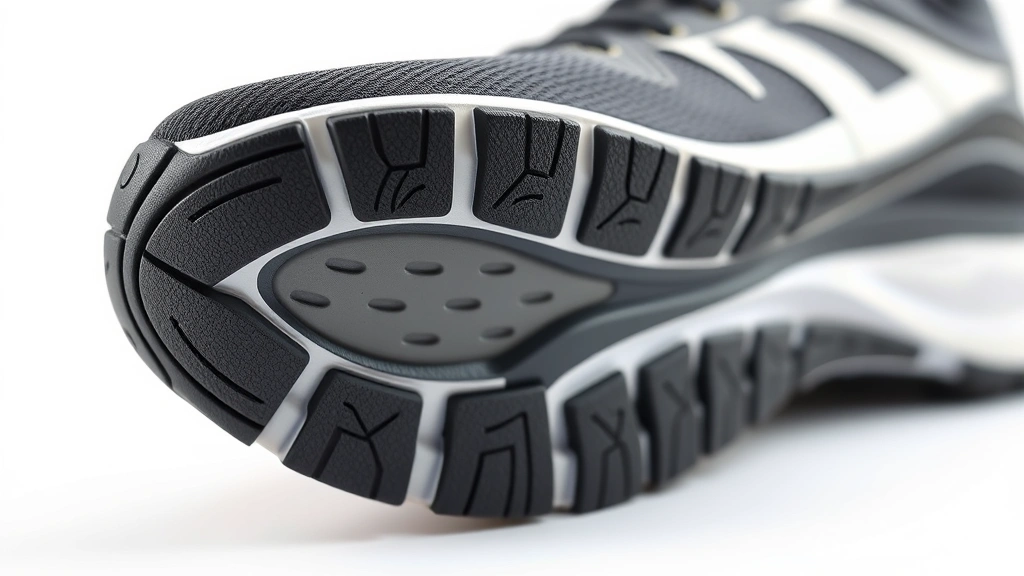
Get your gait analyzed at a specialty running store. They’ll watch you run and identify whether you overpronate (foot rolls inward), underpronate (rolls outward), or have a neutral stride. This isn’t just marketing fluff; it directly impacts how forces travel up your legs. The right shoe corrects your gait and reduces excessive stress on your shins.
Replace shoes every 300-500 miles. Worn-out cushioning stops absorbing impact effectively, forcing your tissues to work harder. Keep a log of your mileage—it’s as simple as jotting down distances in your phone. Your future shins will thank you.
Gradual Training Progression
Here’s where most people mess up: they ramp up too fast. The classic mistake is jumping from a 15-mile weekly routine to 25 miles overnight. Your bones, muscles, and connective tissues need time to adapt to increased stress.
Follow the 10% rule—never increase your weekly mileage by more than 10% from one week to the next. If you’re running 20 miles per week, bump it to 22 miles the following week. This might feel slow, but it’s the difference between staying healthy and spending six weeks icing your shins.
Build in cutback weeks too. Every third or fourth week, drop your mileage back by 20-30%. This gives your body time to consolidate the training adaptations and recover properly. Think of it like construction: you lay a foundation, let it cure, then build the next level.
Strengthening Exercises Work
Weak muscles around your shin, calf, and hip are basically an open invitation for shin splints. The tibialis anterior muscle—the one running along the front of your shin—is particularly important for controlling your foot strike and absorbing impact.
Start doing these three times per week:
Calf raises: Stand facing a wall, rise up on your toes, hold for two seconds, lower down. Do three sets of 15 reps. Your calves stabilize your entire lower leg.
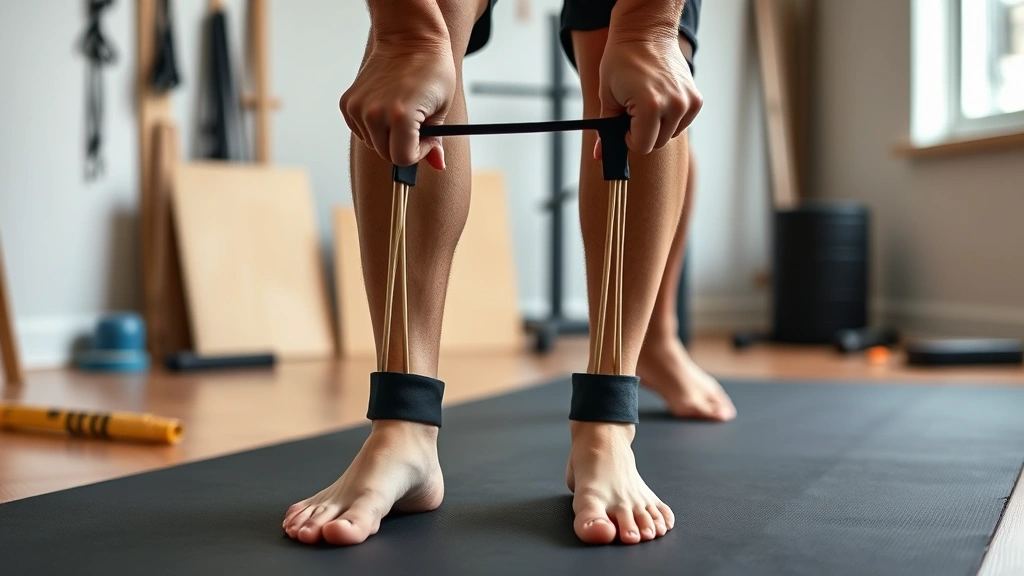
Shin taps: Sit with your legs extended, loop a resistance band around the balls of your feet. Pull your toes toward your shins against the resistance. Three sets of 20 reps. This directly strengthens the muscle that prevents shin splints.
Single-leg balance: Stand on one leg for 30 seconds, repeat on the other side. Do this five times per leg. Balance work forces stabilizer muscles to activate, improving overall leg strength and coordination.
These exercises take about 15 minutes total. It’s not glamorous, but it’s incredibly effective. You’re essentially bulletproofing your shins against the repetitive pounding of running.
Dynamic Warm-Up Routine
Cold muscles are tight muscles, and tight muscles don’t absorb impact well. Skip the static stretching before your run—that actually makes your muscles less responsive. Instead, do dynamic movements that get blood flowing and prepare tissues for work.
Spend 5-10 minutes on this routine before every run:
Leg swings: Hold onto something stable and swing one leg forward and back, 15 times each direction. Repeat on the other side. This loosens your hip flexors and hamstrings.
Walking lunges: Take 10 walking lunges down the driveway or hallway, focusing on controlled movement. Your quads and hip stabilizers wake up.
Butt kicks: Jog in place while bringing your heels up toward your glutes, 30 seconds. This activates your hamstrings and prepares your legs for running cadence.
High knees: Jog in place with exaggerated knee lift, 30 seconds. Your hip flexors and core engage.
This warm-up literally prepares your tissues for the work ahead. You’re not just going through the motions—you’re systematically activating the muscles and joints that prevent injury.
Recovery and Rest Days
Here’s the counterintuitive truth: rest days are when your body actually gets stronger. During the run, you’re creating micro-tears in muscle fibers. During rest, your body repairs those tears and builds back stronger. Skip rest days and you’re just accumulating damage.
Take at least two complete rest days per week, or swap running for low-impact cross-training like swimming, cycling, or elliptical work. This maintains your fitness while giving your shins a break from the pounding.
Sleep is non-negotiable too. Aim for 7-9 hours nightly. When you’re sleep-deprived, your body can’t repair tissue damage effectively, and your pain threshold drops. You’ll feel every ache more intensely.
Nutrition matters more than people realize. Make sure you’re getting enough protein (about 1.6 grams per kilogram of body weight if you’re training hard) and adequate calories. Your body needs raw materials to repair the damage from training.
Running Surface Matters
Not all running surfaces are created equal. Concrete is unforgiving—it’s hard, unyielding, and transfers maximum impact straight up your legs. Asphalt is slightly better because it has a tiny bit of give. Dirt trails and grass are gentler, absorbing more impact naturally.
If you’re prone to shin splints, shift your running to softer surfaces whenever possible. A track is ideal for long runs because it’s specifically designed to reduce impact. If you’re stuck on pavement, at least vary your routes and surfaces throughout the week.
Avoid cambered surfaces—roads that slope to the sides for drainage. Running on a slope forces one leg to work harder than the other, creating imbalance. Run on flat, even ground when you can.
Stretching and Flexibility Protocol
After your run, when muscles are warm, that’s when static stretching actually helps. Hold each stretch for 30 seconds, never bouncing. Focus on your calves, shins, hamstrings, and hip flexors—the muscles that directly impact shin health.
Calf stretch: Step one leg back, keep your heel down, lean forward until you feel a stretch in your calf. Hold 30 seconds each side.
Shin stretch: Kneel on the ground, tuck your toes under, and gently sit back on your heels. You’ll feel a stretch along the front of your shin. Hold 30 seconds.
Hamstring stretch: Sit on the ground with one leg extended, reach toward your toes. Hold 30 seconds each side.
Tight muscles are injury magnets. Even five minutes of post-run stretching dramatically improves flexibility and reduces your shin splint risk. This is especially important if you sit at a desk all day—your hip flexors get incredibly tight, which throws off your running mechanics.
Frequently Asked Questions
Can I run through shin splints?
No, and I’d strongly advise against it. Running through shin splints typically makes them worse, extending recovery time from weeks to months. The moment you notice that characteristic inner shin pain, back off immediately. Take a few days completely off or switch to non-impact cross-training. Catching it early means you’re back to running faster.
How long do shin splints take to heal?
If you catch them early and rest properly, mild shin splints can improve in 2-4 weeks. Moderate cases might take 6-8 weeks. Severe cases can linger for 3-4 months. The timeline depends on how long you’ve been running through the pain before stopping. This is why prevention is so much better than treatment—you don’t lose months of training.
Do compression sleeves help prevent shin splints?
Compression sleeves provide mild support and can help with blood flow, but they’re not a magic solution. They work best as part of a comprehensive prevention strategy—combined with proper footwear, strengthening, and smart training progression. Think of them as one tool in your toolkit, not the entire toolkit.
Is shin splint pain always on the inside of the shin?
Typically yes, but not always. Most shin splints are medial (inner side), but anterior shin splints (front of the shin) and lateral shin splints (outer side) do occur. The prevention strategies we’ve covered help prevent all types because they address the root causes: overuse, weak muscles, and poor training progression.
Should I ice my shins after running?
If you’re pain-free, no. Icing is for active inflammation. If you start noticing mild shin discomfort, ice for 15-20 minutes after running for the first few days. But ice is a symptom treatment, not prevention. Focus on the strategies in this article to prevent the pain from starting in the first place.
External References: For additional training guidance, check out Family Handyman’s comprehensive guides on recovery and wellness. For detailed biomechanics information, This Old House occasionally features health and fitness topics. Runner’s World and the American Academy of Orthopaedic Surgeons also provide excellent evidence-based resources on injury prevention.
Related Articles: Understanding recovery timelines is important—similar principles apply to other injuries like how long a sprained wrist takes to heal. Patience with the healing process is key, much like waiting for materials to set properly, such as how long wood glue takes to dry. If you’re dealing with persistent shin splint pain, consulting a professional is as important as getting expert advice in other areas—similar to understanding how long it takes to become a pharmacist when considering professional guidance.


