

Learning how to ask your PCP for a DRE doesn’t have to feel awkward or uncomfortable—it’s a straightforward medical conversation that happens thousands of times daily in clinics across the country. A digital rectal exam (DRE) is a routine screening tool your primary care physician uses to check for prostate health, colorectal issues, and other conditions, yet many men hesitate to bring it up. This guide walks you through the exact steps to make the request confidently, understand why it matters, and get the screening you need without the unnecessary stress.






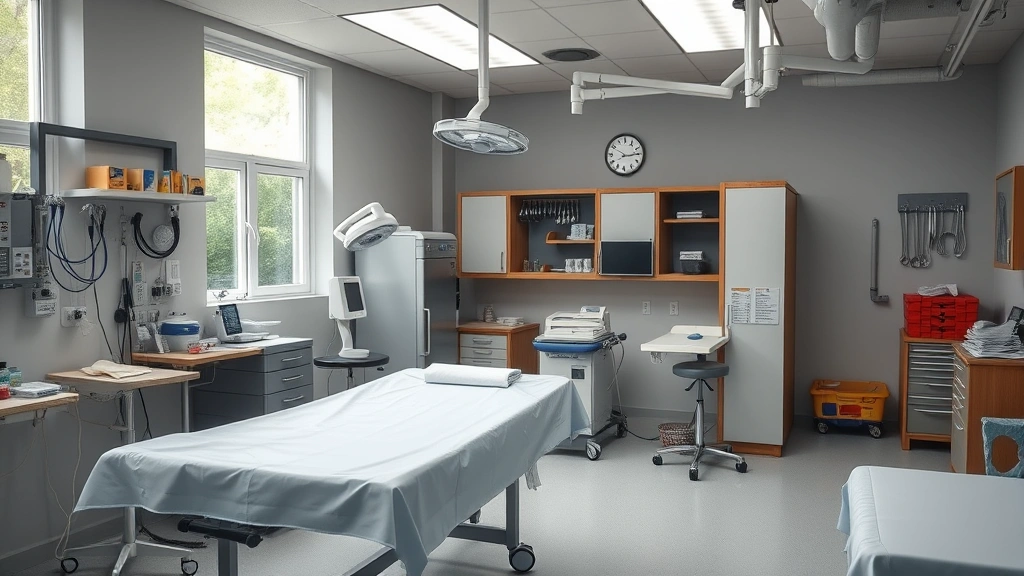


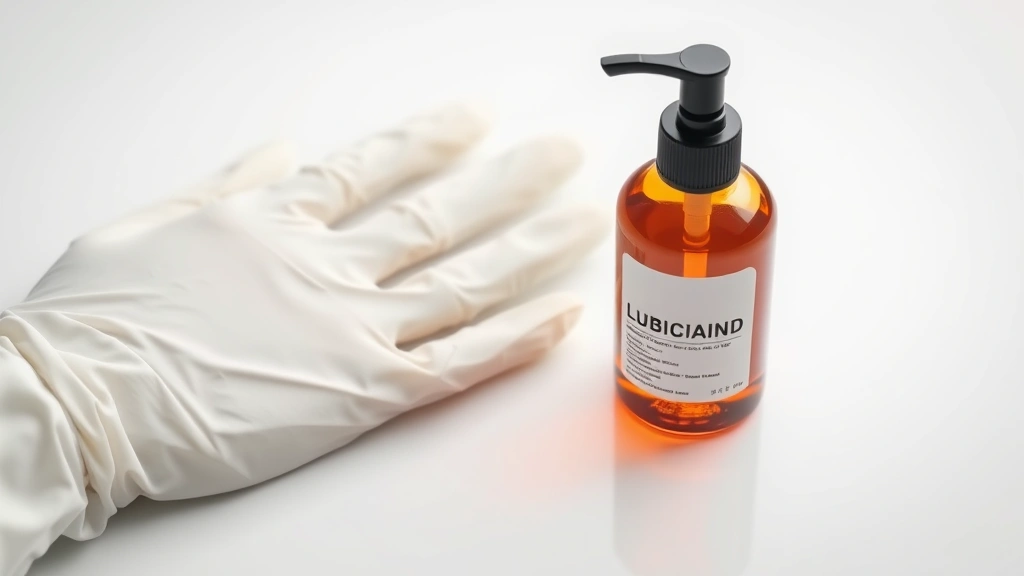





Table of Contents
Why a DRE Matters for Your Health
Before you ask for anything, understand what you’re asking for and why it matters. A DRE screens for prostate enlargement, prostate cancer, and colorectal abnormalities. Men over 50—or those with risk factors like family history—should have regular DREs as part of their preventive health routine. Your PCP uses this quick exam to feel the prostate gland and detect any lumps, tenderness, or irregular texture that might warrant further investigation. Think of it like a home inspection for your body: it catches problems early when treatment is most effective. According to the American Cancer Society, prostate cancer is one of the most common cancers in men, making screening conversations critical for your long-term health.
Timing Your Appointment Right
You don’t need to schedule a special visit just for a DRE. Instead, mention it during your annual physical or when you’re already seeing your PCP for another reason. If you’re due for a wellness visit, that’s the perfect time to request screening. Call your doctor’s office and tell the scheduler: “I’m due for my annual physical, and I’d like to discuss prostate screening.” This approach ensures adequate appointment time and signals to your doctor that you’re being proactive about your health. If you have specific concerns—like urinary symptoms or family history of prostate cancer—mention those too so your doctor can allocate extra time if needed.
How to Prepare for the Conversation
Preparation reduces anxiety and makes the actual request smoother. Write down any relevant health information: your age, family history of prostate or colorectal cancer, any urinary symptoms you’ve noticed, and previous screening results. Know your risk level. Men with African ancestry have higher prostate cancer risk; men with a family history should start screening earlier. Jot down a simple one-sentence request: “I’d like to include a DRE in today’s visit to screen for prostate health.” Having this ready prevents fumbling for words when the moment comes. You might also review what the exam involves—it takes about 30 seconds—so you know exactly what’s happening and why. This mental rehearsal significantly reduces the embarrassment factor.
Making the Direct Request
When you’re in the exam room with your PCP, the direct approach works best. After the standard vital signs and initial conversation, simply say: “I’d like to include a digital rectal exam as part of my screening today.” Your doctor will likely respond positively—this is basic preventive care they recommend regularly. If your PCP seems hesitant, ask why. Maybe they think you’re too young, or maybe they want to discuss risk factors first. Use that conversation to understand their reasoning, then advocate for yourself if you believe screening is appropriate. Remember, you’re the customer here; your doctor works for you. If you’re still uncomfortable, you can also say: “I’m interested in prostate screening. What are your recommendations for someone my age with my health history?” This frames it as a health discussion rather than a single request.
What to Expect During the Exam
Knowing the mechanics removes mystery and fear. Your PCP will ask you to remove your pants and underwear, then either lie on your side with knees bent or bend over the exam table. They’ll apply lubricating jelly to their gloved finger, then gently insert it into your rectum about two inches. They’re feeling the prostate gland—a walnut-sized organ just inside the rectal wall—for size, texture, and any lumps. The whole thing takes 10-30 seconds. You might feel pressure or a slight urge to urinate, but it shouldn’t hurt. Your doctor will ask if you have any discomfort and will stop if you’re in pain. After the exam, you can dress and discuss findings immediately. Most results are normal, and your doctor will tell you when your next screening should occur. For more context on how your body responds to medical interventions, check out how long it takes for omeprazole to work to understand medical timelines better.
Managing Any Physical Discomfort
Physical discomfort during a DRE is rare but manageable. The most common sensation is pressure, not pain. If you feel genuine pain, tell your doctor immediately—they can stop or adjust their technique. Deep breathing helps tremendously. Before the exam, take slow, deep breaths to relax your pelvic floor muscles; tension makes the exam harder and more uncomfortable. Some men find it helpful to focus on a spot on the ceiling or think about something completely unrelated. Your doctor has performed thousands of these exams and moves efficiently. If you’re particularly anxious, mention it beforehand: “I’m a bit nervous about this. Can you talk me through what you’re doing?” Most PCPs are happy to narrate the process, which gives your brain something to focus on besides discomfort. After the exam, any minor soreness disappears within hours.
Understanding Your Results and Follow-Up
Your PCP will discuss findings immediately or within a few days. A normal DRE means your prostate feels smooth, symmetrical, and appropriately sized. Your doctor will recommend when to repeat screening—typically every 1-2 years for average-risk men over 50. If your PCP finds anything unusual, don’t panic. An abnormal DRE doesn’t automatically mean cancer; it might indicate benign prostatic hyperplasia (BPH), prostatitis, or other non-cancerous conditions. Your doctor will likely order a PSA blood test or refer you to a urologist for further evaluation. Ask specific questions: “What did you feel that concerns you?” “What’s the next step?” “Do I need a specialist?” Understanding the pathway forward reduces anxiety. For related health concerns, you might also explore how to get rid of a headache in 2 minutes to manage stress-related symptoms.
Overcoming Mental Barriers
Embarrassment is the biggest obstacle to requesting a DRE, yet it’s entirely mental. Your PCP has examined thousands of men’s posteriors—it’s routine work for them, not noteworthy or uncomfortable. They’re focused on your health, not judging your body. Reframe the interaction: you’re being a responsible adult taking charge of your health. That’s admirable, not embarrassing. Many men find that the anticipation is worse than the actual exam. Once you’ve done it once, future screenings feel much easier because you know what to expect. Consider that avoiding screening out of embarrassment is far more costly than 30 seconds of discomfort. Untreated prostate cancer is serious; a brief awkward moment is trivial by comparison. Talk to friends or family members who’ve had DREs—you’ll likely find that most men have undergone this exam without incident and view it as a normal part of healthcare.
Frequently Asked Questions
At what age should I start asking for a DRE?
Most guidelines recommend starting at age 50 for average-risk men, age 40-45 for men with family history of prostate cancer, and age 40 for men of African descent. Your PCP can advise based on your specific risk factors.
Can I request a DRE without a specific reason?
Absolutely. Preventive screening is a legitimate reason. You don’t need symptoms to ask for a DRE—in fact, catching problems early through screening is the whole point.
What if my PCP says I don’t need a DRE?
Ask why. If they believe you’re too young or low-risk, discuss your concerns and family history. If you still want screening, you can respectfully insist or seek a second opinion from another provider.
Is a DRE the same as a prostate cancer diagnosis?
No. A DRE is a screening tool that may detect abnormalities requiring further testing. An abnormal DRE doesn’t mean you have cancer—it means your doctor wants to investigate further with additional tests like a PSA blood test or ultrasound.
How often should I have a DRE?
For average-risk men with normal results, every 1-2 years is typical. Your PCP will recommend the schedule based on your age, risk factors, and previous results.
Can I refuse a DRE if my doctor recommends it?
Yes, you have the right to refuse any medical procedure. However, discuss the implications with your doctor so you understand what you’re declining and why screening matters for your health.
Does a DRE hurt?
A properly performed DRE should not hurt. You might feel pressure or a brief urge to urinate, but pain is not normal. Tell your doctor immediately if you experience pain.
Taking Control of Your Health
Asking your PCP for a DRE is a straightforward conversation that takes courage but pays dividends for your long-term health. Remember: this is routine preventive care, your doctor performs it regularly, and you’re taking responsible action by requesting screening. Prepare mentally, make the direct request, understand what to expect, and focus on the bigger picture—early detection saves lives. Don’t let embarrassment rob you of critical health screening. Your body, your health, your choice. For additional health management strategies, explore how long it takes to get abs to understand the importance of consistent health practices. And if you’re managing overall wellness, breast massage techniques are worth learning for comprehensive health awareness. The conversation with your PCP is the first step—take it confidently.


