
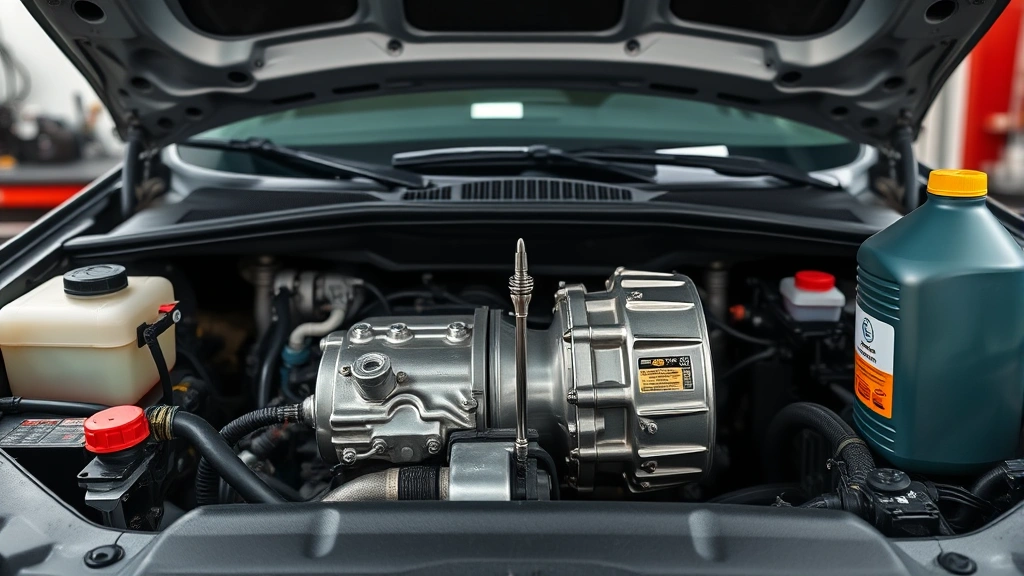
Learning how to add transmission fluid is one of the most straightforward maintenance tasks you can tackle yourself, and it’ll save you a trip to the mechanic. Whether you’re dealing with an automatic or manual transmission, this guide walks you through every step so you can keep your vehicle running smooth as silk.
Table of Contents
Gather Your Supplies
Before you crack open the hood, let’s get organized. You’ll need the correct transmission fluid for your vehicle—and this is non-negotiable. Check your owner’s manual or look up your specific make and model online. You don’t want to guess here. Grab a clean funnel (preferably one with a narrow spout), some clean rags or paper towels, and maybe a flashlight if you’re working in dim conditions. Some folks like to have a transmission fluid pump on hand, which makes the pouring process less messy. You should also keep a small container nearby in case you need to dispose of old fluid properly.
Pro tip: Pick up your transmission fluid from a reputable auto parts store. Brands like Mobil, Castrol, and Valvoline make quality products, and the staff can confirm you’re getting the right specification for your vehicle. Don’t cheap out on this—your transmission will thank you.
Safety First: Basics
Safety isn’t boring—it’s smart. Park your vehicle on level ground and engage the parking brake. If you’re adding transmission fluid while the engine is warm (which is actually recommended for getting an accurate reading), let it cool for a few minutes but keep it warm to the touch. Never work under a running engine, and always keep your hands and loose clothing away from moving parts. Transmission fluid can stain, so wear old clothes you don’t mind getting dirty. If you get fluid on your skin, wash it off with soap and water immediately.
Locate Transmission Dipstick
This is where many DIYers get confused. The transmission dipstick isn’t the same as the engine oil dipstick—they’re usually separate. Open your hood and look for a stick with a handle, typically located toward the back of the engine bay. Your owner’s manual will show you exactly where it is. Some newer vehicles have electronic transmission fluid monitoring systems instead of a traditional dipstick, so check your manual first. If you’re unsure, don’t guess—a quick call to your dealership or a search online with your vehicle’s year, make, and model will clear things up fast.
Check Fluid Level
Pull the dipstick straight up with a steady motion. Wipe it clean with a rag—you want to see the actual fluid level, not residue. Now reinsert it fully until it seats, then pull it out again. Look at where the fluid reaches on the stick. Most dipsticks have two marks: a minimum and a maximum. Your fluid should be between these lines. If it’s below the minimum, that’s your cue to add more. If it’s right at maximum, you’re golden and can skip ahead to checking your work later. The color matters too—transmission fluid should be bright red or pink. Dark, burnt-smelling fluid means your transmission is working too hard and might need professional service.
Choose Right Fluid Type
This is critical. Automatic transmissions typically use ATF (Automatic Transmission Fluid), and the specific type varies by manufacturer. You might see labels like Dexron, Mercon, or CVT fluid. Manual transmissions use gear oil, which is thicker and different from automatic fluid. Check your owner’s manual—it will specify exactly what your transmission needs. Mixing fluids or using the wrong type can damage your transmission and cost you thousands in repairs. When in doubt, ask the person at the auto parts counter to confirm. They deal with this every day and can verify you’re grabbing the right bottle.
Add Transmission Fluid
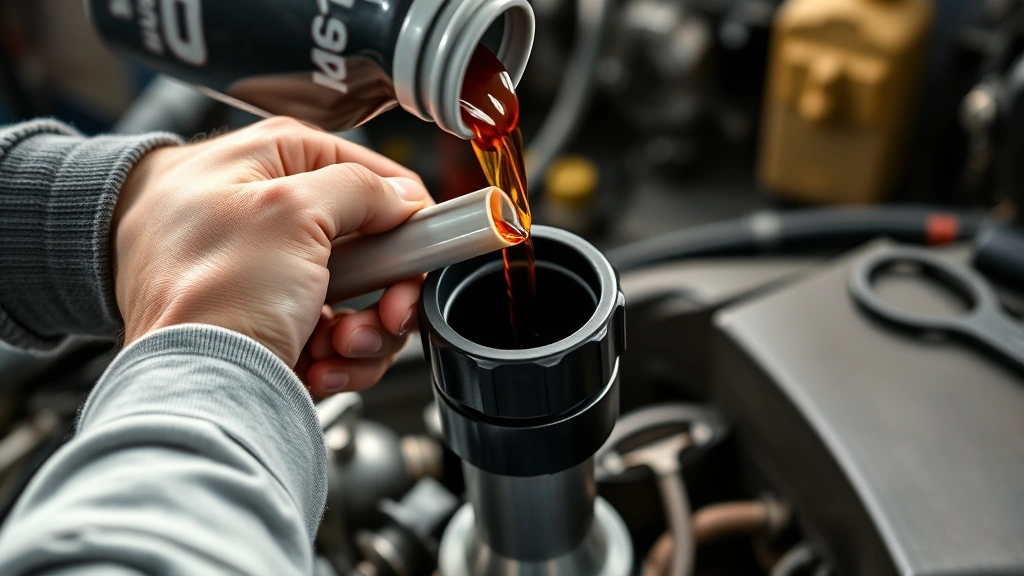
Here’s where the actual work happens. Remove the transmission fluid filler cap—it’s usually near where the dipstick sits. Position your funnel in the opening and start pouring slowly. You don’t want to overfill, so add a little at a time. Pour maybe a quarter to a half quart, then stop and recheck the level using the dipstick method from earlier. Wipe it clean, reinsert, pull it out, and check. Repeat this process until you’re at the proper level. This slow-and-steady approach prevents overfilling, which can cause transmission problems just like underfilling does. Once you hit the mark, screw the filler cap back on securely.
Recheck and Verify
After adding fluid, let your engine idle for a minute, then turn it off and wait a few minutes. Check the level one more time with the dipstick to make sure everything settled properly. The fluid should be between the minimum and maximum marks. Start your engine and shift through all the gears—Park, Reverse, Neutral, Drive—holding each for a second or two. This helps circulate the new fluid through the transmission. Listen for any unusual sounds or feel for any strange behavior. Everything should feel smooth and normal. If you notice grinding, whining, or hesitation, something’s wrong and you should stop immediately and have a pro check it out.
Common Mistakes to Avoid
Don’t overfill. Too much transmission fluid is just as bad as too little. It can cause foaming, overheating, and seal damage. Don’t use the wrong type of fluid—this is the number one mistake people make. Don’t check the level when the engine is cold or after it’s been running hard; let it settle to a warm idle state for the most accurate reading. Don’t ignore dark or burnt-smelling fluid; that’s a sign of deeper transmission problems. And don’t force the dipstick in or out—if it’s stuck, you might bend it or damage the tube. Use steady, gentle pressure.
When to Call Professional
If your transmission fluid is dark brown or smells burnt, get to a mechanic. If you’re losing fluid frequently and need to top it off every few weeks, you have a leak that needs professional attention. If your vehicle doesn’t have a traditional dipstick and uses electronic monitoring, your dealer’s service department is your best bet. If you feel unsure at any point, there’s no shame in calling in a pro. A transmission replacement can cost $3,000 to $5,000 or more, so getting professional help when you’re uncertain is money well spent. Many shops offer free diagnostics, so you can get answers without commitment.
Frequently Asked Questions
How often should I check my transmission fluid?
Most manufacturers recommend checking transmission fluid every 30,000 to 60,000 miles, or at least once a year. If you’re towing heavy loads or driving in extreme conditions, check it more frequently. Make it part of your regular maintenance routine, like checking oil.
Can I add transmission fluid while the engine is cold?
You can, but you won’t get an accurate reading. Transmission fluid expands when warm, so a cold reading might show you’re low when you’re actually at the right level. The best practice is to check it when the engine is warm but not hot—idle for a minute or two after driving.

What if I accidentally overfilled the transmission?
Don’t panic. Turn off the engine and let it cool slightly. Use the dipstick to remove excess fluid by inserting it into the fill tube and letting gravity do the work, or use a transmission fluid pump to extract the excess. Recheck the level and repeat until you’re in the correct range.
Is transmission fluid the same in automatic and manual vehicles?
No. Automatic transmissions use ATF (Automatic Transmission Fluid), while manual transmissions use gear oil. These are different products with different viscosities and additives. Using the wrong one can damage your transmission. Always check your owner’s manual.
Why is my transmission fluid dark and smelly?
Dark, burnt-smelling transmission fluid indicates your transmission is running hot and the fluid is breaking down. This could mean low fluid level, a clogged filter, or internal transmission problems. Get it checked by a professional as soon as possible.
Can I drive if my transmission fluid is low?
You can drive short distances to get to a mechanic, but prolonged driving with low transmission fluid will cause damage. The fluid cools and lubricates the transmission; without enough of it, components wear faster and heat builds up. Add fluid as soon as you notice it’s low.
Wrapping Up
Adding transmission fluid isn’t rocket science, but it does require attention to detail and the right approach. You’ve got this. Follow these steps, use the correct fluid type, and check your work carefully. Regular transmission fluid checks and top-offs are simple maintenance tasks that keep your vehicle healthy and prevent expensive repairs down the road. If at any point you feel uncertain, reach out to a trusted mechanic or your vehicle’s dealership. And if you’re looking to expand your DIY skills, check out our guides on how to restart your iPhone for tech maintenance, or learn about how to connect your phone to your TV for home entertainment setup. For more hands-on tips, explore how to right click on a laptop and how to clean your mouse pad. Your vehicle will run smoother, and you’ll have the satisfaction of doing the work yourself. Now get out there and take care of that transmission.
External Resources:


