

Learning how to air fry is one of the easiest kitchen skills you can master, and it’ll change the way you cook weeknight dinners forever. Whether you’re craving crispy chicken wings, golden fries, or perfectly cooked vegetables, an air fryer delivers restaurant-quality results in a fraction of the time. This guide walks you through everything you need to know to start air frying like a pro, from choosing the right equipment to mastering temperature and timing.
Table of Contents
What is an Air Fryer?
An air fryer is a compact countertop convection oven that circulates hot air at high speed around your food. This rapid air circulation creates a crispy exterior through a process called the Maillard reaction—the same browning that happens when you deep fry, but without all the oil. The magic is that you get that satisfying crunch and golden color using just a tablespoon or two of oil instead of a quart. It’s not actually frying in the traditional sense, which is why understanding the mechanics helps you succeed when you’re learning how to air fry.
The basket sits above a heating element that reaches temperatures between 300°F and 400°F. Hot air blasts down and around the food, cooking it evenly from all sides. Most models have a timer and temperature dial, making them incredibly user-friendly for beginners.
Choosing Your First Air Fryer
Before you start learning how to air fry, you need the right tool. Air fryers come in different sizes, from compact 2-quart models perfect for singles or couples, to large 6-quart units for families. If you’re cooking for two people, a 3-quart model gives you flexibility without taking up your entire counter. Families of four or more should consider a 5-6 quart capacity.
Look for models with straightforward controls—a temperature dial and timer are all you really need. Digital touch screens are nice but not essential. Basket size matters more than total wattage; a larger basket means better air circulation and more even cooking. Read reviews specifically about how evenly the model cooks, since some budget options have hot spots.
Popular reliable brands include Cosori, Instant Pot, and Ninja, but you don’t need to spend a fortune. A solid mid-range model ($60-$100) will outperform your expectations and last years.
Prep and Setup Basics
Getting your workspace ready is the first step in how to air fry successfully. Place your air fryer on a heat-resistant surface with at least 5 inches of clearance on all sides. This ensures proper air circulation and prevents heat damage to cabinets or walls. Plug it in and let it preheat for 3-5 minutes before adding food—this is called “preheating” and it’s crucial for even cooking.
Pat your food dry with paper towels before it goes in the basket. Moisture is the enemy of crispiness. If you’re cooking something like chicken or fish, dry it thoroughly. For vegetables, a quick pat-down is usually enough.
Don’t line the basket with foil or parchment paper unless your manual specifically says it’s safe. Most modern air fryers have non-stick coatings that work perfectly without liners. If you do use parchment, cut it smaller than the basket so air can still circulate underneath.
Temperature and Timing Fundamentals
Temperature and timing are where most beginners struggle when learning how to air fry. A good rule of thumb: most foods cook at 350-400°F. Delicate items like fish or vegetables do better at 350-375°F, while you’ll want 380-400°F for chicken, meat, and foods that need serious crispiness.
Cooking times are roughly 20-30% shorter than conventional oven cooking. If a recipe says bake at 375°F for 25 minutes, try air frying at 375°F for 15-18 minutes. Always check for doneness a few minutes early—it’s easier to add time than to rescue overcooked food.
Use a meat thermometer to verify doneness. Chicken should hit 165°F, ground meat 160°F, and pork 145°F. This takes the guesswork out and ensures food safety. For crispy items like wings, timing is critical to get that perfect texture, and air fryers nail this every time.
Loading the Basket Right
How you arrange food in the basket directly affects your results. The biggest mistake beginners make is overcrowding. Food needs space around it for hot air to reach all surfaces. A good rule: you should see the basket through the gaps in your food. If it’s packed tight, you’ll get uneven cooking and steam instead of crispy results.
For items like fries or small vegetables, shake the basket halfway through cooking to flip everything and ensure even browning. Use tongs or a spatula—your hands will get burned by the heat. For larger items like chicken breasts or steaks, flip them halfway through if your recipe calls for it.
Arrange items in a single layer whenever possible. If you must stack, rotate the layers halfway through. This simple habit makes a huge difference in consistency.
Seasoning and Flavoring Techniques
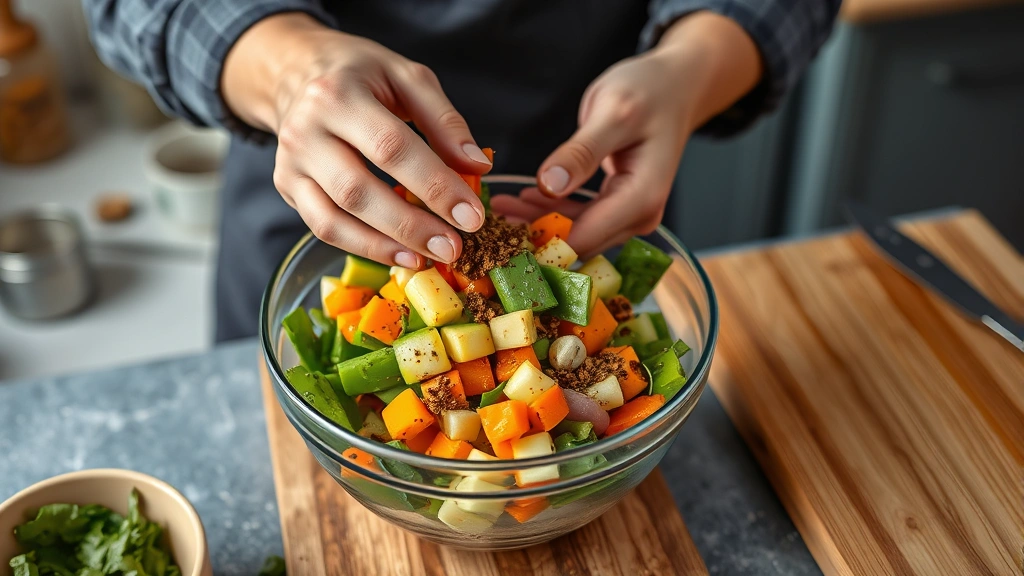
The beauty of air frying is that you can use minimal oil and still get incredible flavor. Toss your food in a light coating of oil—just 1-2 tablespoons per pound—then add your seasonings. This creates a flavorful crust that crisps up beautifully.
For dry seasonings, mix them with the oil first, then coat your food. This helps them stick and distribute evenly. For example, combine olive oil with garlic powder, paprika, and black pepper, then toss your vegetables in the mixture before air frying.
If you’re making something like brats or sausages, you can skip oil entirely—the meat’s natural fat is enough. For breaded items, lightly mist the outside with cooking spray after breading to help them crisp up faster.
Don’t add wet sauces before cooking; apply them after. Marinara, barbecue sauce, or glazes added mid-cooking will steam the food and ruin that crispiness you worked for. Cook first, sauce second.
Common Air Frying Mistakes
Even experienced cooks make these errors when learning how to air fry. The first is skipping the preheat step. Those 3-5 minutes matter because cold air fryers cook unevenly. The second is using too much oil, which creates greasy food instead of crispy. You need just enough to coat—think “light drizzle” not “drenched.”
Overcrowding is mistake number three. I mentioned it before because it’s that important. The fourth is not shaking or flipping food during cooking. Air fryers work best when every surface gets exposure to the hot air.
Fifth mistake: using your air fryer for everything. Some foods genuinely don’t work well in air fryers. Wet batters, anything that needs to steam (like rice or grains), and foods that need oil for cooking shouldn’t go in.
Sixth: ignoring the manual. Different brands have quirks. Some need longer preheat times, others have different basket designs. Spend 10 minutes reading yours before your first cook.
Cleaning and Maintenance
An air fryer is one of the easiest appliances to maintain. Let it cool for 20 minutes after use, then remove the basket and tray. Most are dishwasher safe, but check your manual. If washing by hand, use warm soapy water and a soft sponge—avoid abrasive scrubbers that damage the non-stick coating.
For the main unit, wipe the interior with a damp cloth when it’s cool. Don’t submerge it or spray water directly inside. If food residue is stuck to the heating element, let it cool completely, then gently wipe with a dry cloth.
Clean after every use. Built-up grease and food particles will smoke and affect flavor. It takes two minutes, and your air fryer will last years longer if you stay on top of it.
Easy Recipes to Start With
Start simple while you’re learning how to air fry. French fries are the perfect beginning—cut potatoes into fries, toss with a tiny bit of oil and salt, then air fry at 380°F for 15-18 minutes, shaking halfway through. You’ll get crispy outside, fluffy inside perfection.

Frozen chicken nuggets or tater tots are even easier—just dump them in and follow the package directions, usually 12-15 minutes at 400°F. These teach you timing without requiring any prep.
Once you’re confident, try fresh chicken wings at 400°F for 20-25 minutes, shaking at the 10-minute mark. Wings are a game-changer in an air fryer, way better than oven-baked.
Vegetables are fantastic too. Broccoli, Brussels sprouts, or asparagus get caramelized and crispy at 375°F for 12-15 minutes. Toss with oil, garlic, and salt before cooking.
Frozen fish fillets work beautifully at 350°F for 10-12 minutes. Pork chops at 380°F for 12-15 minutes. The consistency is incredible once you dial in the timing for your specific model.
Frequently Asked Questions
Is air frying actually healthier than deep frying?
Yes, significantly. You’re using 1-2 tablespoons of oil instead of quarts, which means dramatically fewer calories and less fat. The food crisps up the same way because of the Maillard reaction, not because of oil. You get the taste and texture you love with a fraction of the fat.
Can you cook frozen food directly in an air fryer?
Absolutely. Most frozen items work great—just add a few minutes to the cooking time. Frozen fries, nuggets, and vegetables don’t need thawing. For thicker items like frozen chicken breasts, add 5-10 minutes and check for doneness with a thermometer.
What’s the difference between an air fryer and a convection oven?
Both use circulating hot air, but air fryers are much more compact and heat up faster. The basket design in an air fryer creates more intense heat circulation, resulting in faster cooking and crispier results. A convection oven is better for baking and cooking large quantities, while an air fryer excels at quick, crispy meals.
Do I need to preheat my air fryer?
Yes, 3-5 minutes of preheating ensures even cooking. Some newer models preheat in 2 minutes, but check your manual. Skipping this step is one of the most common reasons for uneven results.
Can you use cooking spray in an air fryer?
Yes, but use caution. Some non-stick cooking sprays can damage the air fryer’s non-stick coating. Use either a light brush with oil or cooking spray specifically labeled safe for air fryers. Oil is safer and gives better results anyway.
Why is my food coming out greasy?
You’re using too much oil. Start with just 1 teaspoon per serving and increase only if needed. Also make sure your food is completely dry before cooking—moisture creates steam that can make food greasy instead of crispy.
Can you cook multiple foods at once?
Yes, as long as they cook at the same temperature and time. If you want to cook broccoli and chicken together, it works if they need the same 15 minutes at 375°F. Don’t mix items with very different cooking times or temperatures.
Final Thoughts
Learning how to air fry opens up a whole new world of quick, delicious, crispy meals. The learning curve is minimal—most people nail it within their first few uses. Start with simple items like fries and frozen foods, then graduate to fresh proteins and vegetables. Within a week, you’ll be confidently air frying dinner without thinking twice about it.
The key is respecting the basics: preheat, don’t overcrowd, use minimal oil, and check for doneness early. Your air fryer will reward you with consistent, restaurant-quality results that beat conventional ovens every time. Welcome to the air frying club—you’re about to eat better with less effort.


