

Knowing how old to sit in front seat isn’t just about following rules—it’s about keeping your kids safe on the road. The answer varies by state and comes down to child development, airbag safety, and what the research actually tells us about protecting young passengers. Let me break down what you need to know as a parent or guardian.
Table of Contents
Age Requirements by State
The National Highway Traffic Safety Administration (NHTSA) recommends children stay in the back seat until age 13, but state laws vary considerably. Most states require children under 12 to ride in back seats, while others specify different age thresholds. Some states focus on height and weight rather than age alone. For example, California requires children under 8 years old or under 4’9″ tall to use appropriate car seats. New York mandates rear-seat riding until age 8. The key point: check your specific state’s regulations because they’re not one-size-fits-all. You can find your state’s requirements through your DMV website or the NHTSA website, which has a comprehensive database. Don’t assume your neighbor’s rules apply to you.
Airbag Safety Concerns
This is where the science gets serious. Front-seat airbags deploy at speeds around 200 mph—powerful enough to cause serious injury to children whose bodies are still developing. A child sitting too close to the dashboard during airbag deployment can suffer head, neck, and chest injuries. The risk is highest for kids under 12 because their bones are softer and their organs more vulnerable to blunt force trauma. Airbags are designed for adult-sized bodies, not smaller frames. That’s why safety experts unanimously recommend keeping kids in back seats where airbags won’t harm them. Even with proper positioning, a child’s proximity to the front dashboard creates unnecessary risk. This isn’t paranoia—it’s physics and pediatric anatomy working against young passengers in front seats.
Physical Readiness Signs
Age is just a number; physical readiness matters more. Your child should be able to sit upright for extended periods without slouching or leaning toward the door. Their legs should be long enough that their knees bend naturally at the seat edge without dangling. They should demonstrate the maturity to follow safety rules consistently—no reaching for the dashboard, no unbuckling during drives, no distractions. A good test: can they sit still during a 30-minute car ride without fidgeting excessively? Can they understand and follow your instructions about staying buckled? If you’re unsure, err on the side of caution. Many parents transition kids to front seats too early because they think they’re “big enough.” Size isn’t the only factor; emotional maturity and impulse control matter too.
Booster Seat Transition
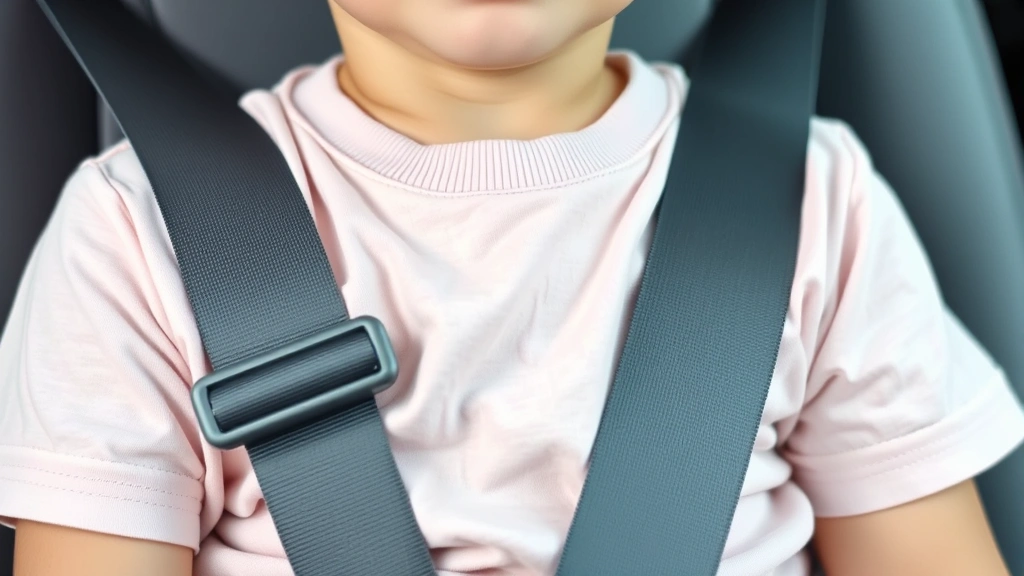
The journey from car seat to booster seat to front seat follows a specific progression. Children typically graduate from forward-facing car seats to booster seats around age 4-6, depending on their weight and height. Booster seats stay in back seats and elevate the child so the vehicle’s lap and shoulder belts fit properly. Most children need booster seats until they’re 8-12 years old. The lap belt should lie flat across the upper thighs, and the shoulder belt should cross the chest and shoulder—not the neck. Once your child reaches the vehicle manufacturer’s seat belt specifications (usually around 4’9″ and 80 pounds), they can transition to the regular seat belt. But that doesn’t automatically mean the front seat. The American Academy of Pediatrics recommends keeping kids in back seats until at least 13, even after they’re out of booster seats.
Federal Guidelines Explained
The NHTSA provides clear guidance: children under 13 should ride in back seats. This recommendation is based on decades of crash data and injury statistics. Federal regulations require all passengers under 18 to wear seat belts, and children under 8 must use appropriate car seats or booster seats. However, federal law doesn’t specifically prohibit young children from sitting in front seats—that’s where state laws come in. Federal guidelines focus on restraint systems, not seating location, though the NHTSA strongly advises against front-seat placement for young kids. Understanding the difference between federal guidelines and state law helps you navigate the rules properly. Your state law might be more restrictive than federal guidelines, so always follow your state’s requirements as the baseline.
Proper Positioning Tips
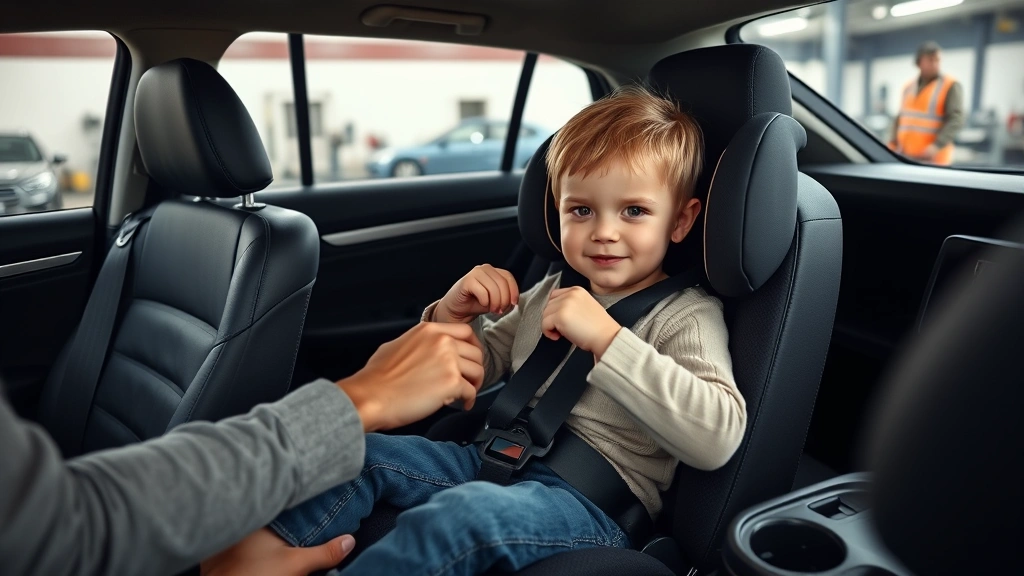
Once your child is old enough for the front seat, positioning matters enormously. The seat should be pushed back as far as possible while still allowing them to reach the pedals (if they’re learning to drive). The headrest should support the back of their head, not their neck. They should sit upright, not slouched, to keep the seat belt properly positioned. The lap belt belongs across the upper thighs, not the stomach. The shoulder belt should cross the shoulder and chest, not the neck or face. Maintain at least 10 inches between the child’s chest and the dashboard or steering wheel. Keep the seat belt snug but not restrictive. Avoid placing pillows or cushions that shift the child’s position relative to the seat belt. These positioning details matter because improper belt placement can cause internal injuries during crashes, even at moderate speeds.
Common Parent Mistakes
Parents often rush the front-seat transition. They think their 10-year-old is “mature enough” or “big enough” when the research says otherwise. Some parents disable airbags thinking it makes the front seat safer—it doesn’t, and it removes protection for adult passengers. Others let kids sit in front seats for short drives thinking the risk is lower—crashes happen regardless of trip length. Some parents use improper restraints or let kids wear seat belts incorrectly. Many don’t realize their state has specific age requirements and assume national guidelines apply uniformly. The biggest mistake? Treating the front seat as a privilege rather than a safety issue. Your child might want to sit up front like an adult, but your job is protecting them, not accommodating preferences. Stick to the rules, even if your kid complains.
When Rear Seat Is Better
The rear seat is statistically safer for all passengers under 13, period. Children in rear seats are 37% less likely to be injured in crashes compared to front-seat passengers. The rear seat provides distance from airbags, the dashboard, and the windshield. During side-impact crashes, rear-seat passengers are better protected by the vehicle’s structure. If you’re in a multi-vehicle collision, rear-seat kids have better outcomes. Even with perfect positioning and proper restraints, the front seat introduces unnecessary risk. The rear seat isn’t punishment—it’s science-based protection. As your child gets older and approaches 13, you can gradually prepare them for front-seat riding by discussing safety rules and demonstrating proper positioning. Make the transition feel like a milestone, not a battle.
Frequently Asked Questions
Can my 10-year-old sit in the front seat?
Most states allow children 10 and older in front seats, but the NHTSA recommends waiting until 13. Check your specific state law, but even if it’s legal, consider whether it’s the safest choice. Your state’s legal minimum might not align with safety best practices.
What if my child is very tall for their age?
Height alone doesn’t determine front-seat readiness. Even tall children benefit from rear-seat positioning until age 13. Their bones are still developing, and they’re more vulnerable to airbag injuries regardless of size. Follow age guidelines, not just physical dimensions.
Is it illegal to disable airbags for child safety?
You can request airbag disabling through your vehicle manufacturer, but it removes protection for adult passengers and doesn’t make the front seat safer for kids. It’s generally not recommended and might violate your vehicle’s warranty.
What’s the difference between state law and safety recommendations?
State law sets the legal minimum. Safety recommendations from organizations like NHTSA and the American Academy of Pediatrics often exceed legal requirements based on injury research. Following recommendations is safer than just meeting legal minimums.
When should I transition my child to the front seat?
Wait until at least age 13, when they’ve outgrown booster seats and can properly fit vehicle seat belts. Even then, ensure they understand safety rules and can sit properly positioned for the entire drive.
Are back-seat middle positions safer?
The center rear seat is statistically the safest position in the vehicle because it’s farthest from impact points. However, many modern vehicles have poor center-seat belt systems. The rear outboard seats are typically safer than the front seat.
What if my car only has two seats?
Two-seat vehicles create challenges for families with young children. If you have children under 13, you may need a different vehicle to comply with safety recommendations. Check your state law for specific requirements regarding two-seat vehicles.
Final Safety Takeaway
Knowing how old to sit in front seat comes down to three things: your state’s legal requirements, your vehicle’s safety features, and your child’s physical and emotional readiness. Start by checking your state law—that’s your legal baseline. Then compare it against NHTSA recommendations, which suggest waiting until 13. Consider your child’s size, maturity level, and ability to follow safety rules. When they do transition to the front seat, ensure proper positioning and consistent seat belt use. Remember that legal doesn’t always mean safest. Your job as a parent is protecting your child, and sometimes that means being more cautious than the law requires. The front seat will still be there in a few years. Your child’s safety is worth the wait.


