
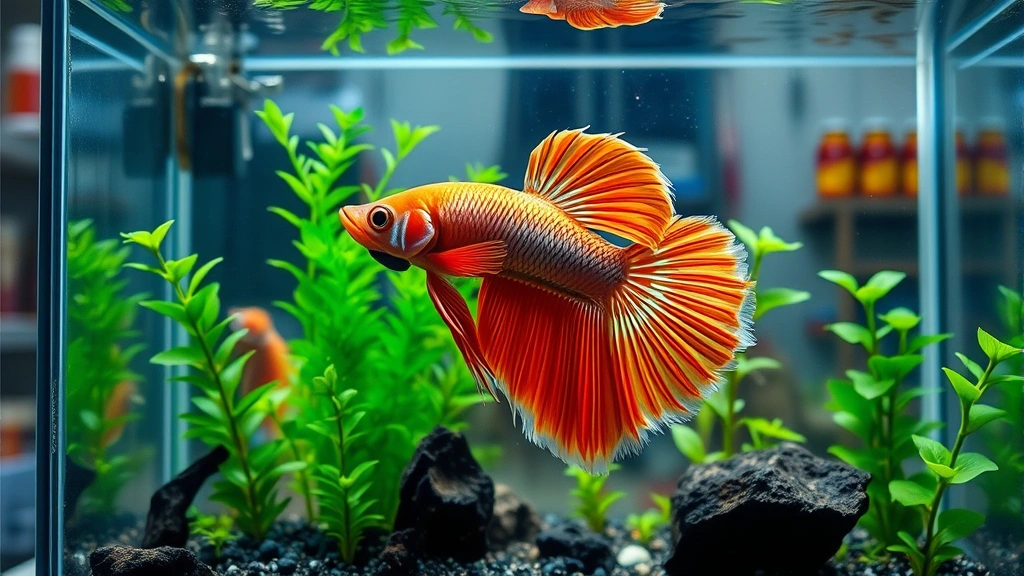
Knowing how often to feed betta fish is one of the most critical aspects of keeping these stunning creatures healthy and vibrant. Many new betta owners make the same mistake: overfeeding. Unlike what you might assume about hungry fish, bettas have tiny stomachs—roughly the size of their eyeball—and they thrive on a carefully controlled feeding schedule. Get this right, and your betta will live a long, colorful life. Get it wrong, and you’re looking at health problems that could cut their lifespan short.
Table of Contents
Feeding Schedule Basics
The golden rule is simple: feed your betta once or twice daily, with portions small enough that they finish everything in 2-3 minutes. Most experienced betta keepers recommend a once-daily feeding schedule for adult fish, though twice daily is acceptable if you’re feeding smaller portions. Think of it like this—your betta isn’t a garbage disposal. It’s a precision eating machine that evolved in rice paddies where food wasn’t constantly available.
A solid baseline is 4-6 pellets per feeding for a standard adult betta. That sounds tiny, I know, but remember that eyeball-sized stomach we mentioned. If you’re feeding live foods or frozen foods, the portion size remains equally conservative. The key is consistency. Feed at roughly the same time each day, and your betta will actually start anticipating mealtime—you’ll see them doing their happy dance at the glass.
Understanding Betta Stomach Size
This is where most people go wrong. A betta’s stomach is literally about the same size as their eye. It’s not a metaphor—it’s biological fact. When you dump a bunch of pellets into the tank, your betta will eat and eat because they have a feeding response, not because they need all that food. Their brain doesn’t send the “I’m full” signal the way ours does, at least not quickly enough.
This is why overfeeding causes so many problems. Excess food sits in their digestive system, leading to constipation, swim bladder issues, and water quality problems. Once you understand the stomach size limitation, the feeding guidelines make perfect sense. You’re not being stingy—you’re respecting their biology.
Daily Feeding Amounts Matter
Here’s the practical breakdown: if you’re feeding once daily, aim for 4-6 quality pellets. If you’re doing twice daily, split that into 2-3 pellets per feeding. For live foods like bloodworms or brine shrimp, give them 3-5 pieces per feeding. For frozen foods, thaw them first and offer similar quantities.
A good visual guide is to look at your betta’s belly after eating. You shouldn’t see a bloated appearance. There should be a slight fullness, but nothing dramatic. If your betta looks like it swallowed a marble, you’ve overfed. After a few weeks, you’ll develop an instinct for the right amount based on your individual fish’s response and activity level.
Best Foods for Bettas
Not all betta food is created equal. High-quality pellets should be your staple—look for brands that list fish or shrimp as the first ingredient and contain at least 40% protein. Bloodworms, mosquito larvae, and brine shrimp are excellent supplemental foods that bettas absolutely love. These mimic their natural diet in the wild and provide variety.
Rotate between pellets and live/frozen foods throughout the week. Maybe pellets five days a week, and live or frozen foods twice a week. This variety keeps them engaged, provides nutritional balance, and makes feeding time more interesting. Avoid feeding them anything with unnecessary fillers or plant matter as the primary ingredient—bettas are carnivorous, and their digestive systems aren’t optimized for vegetation.
Why Fasting Days Matter
Here’s something that surprises new betta owners: your fish should have at least one fasting day per week. Yes, you read that right—don’t feed them one day a week. This isn’t cruel; it’s actually beneficial. Fasting days allow their digestive system to clear out completely and reset. It mimics their natural feeding patterns in the wild, where food availability fluctuates.
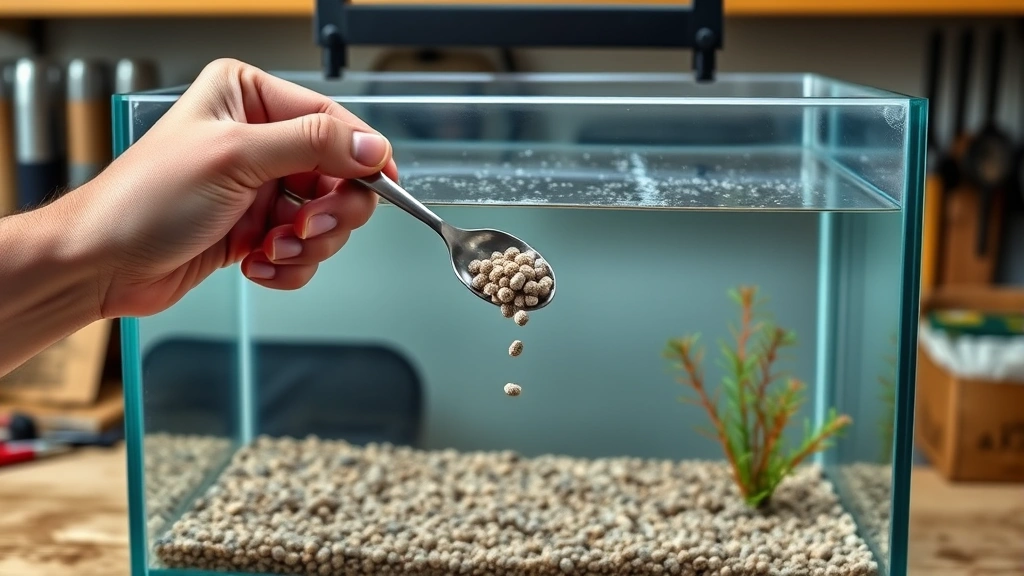
Pick one day—say, every Sunday—and skip feeding entirely. Your betta won’t starve. Bettas can go weeks without food if necessary (though you’d never want to test that). That one fasting day helps prevent constipation, keeps their digestive system healthy, and actually improves their overall lifespan and coloration. Many betta keepers report that their fish are more vibrant and active after implementing a weekly fasting day.
Age Affects Feeding Needs
Young bettas—fry and juveniles—need more frequent feeding than adults because they’re growing rapidly. If you’re raising baby bettas, you might feed them 3-4 times daily in very small amounts. As they mature and reach adult size (usually by 3-4 months), you transition to the standard adult feeding schedule.
Senior bettas (over 3 years old) might actually need slightly less food as their metabolism slows. Watch your older fish’s activity level and adjust accordingly. Some senior bettas become less active and may need fewer calories. Others remain spry and maintain their normal appetite. The individual fish is your best guide here—observe and adjust based on their condition and behavior.
Signs You’re Overfeeding
Watch for these red flags that indicate you’re giving your betta too much food. Constipation is the most common issue—you’ll notice your betta’s belly is bloated and they’re not pooping regularly. Swim bladder disorder can develop, causing your betta to struggle with floating or sinking. Poor water quality from uneaten food decaying in the tank is another sign.
Behavioral changes matter too. An overfed betta might become lethargic or lose interest in activities. Their fins might look clamped or dull. If you see any of these signs, immediately cut back on feeding and consider a fasting day. Sometimes a single fasting day can resolve constipation issues within 24-48 hours. Prevention through proper portioning is always easier than fixing problems after they develop.
Seasonal Feeding Adjustments
Temperature affects your betta’s metabolism significantly. During warmer months or in heated tanks (78-80°F is ideal), bettas are more active and might benefit from slightly more frequent feeding. During cooler periods, their metabolism slows and they need less food.
If your tank temperature drops below 76°F, consider reducing feeding frequency slightly. Similarly, if you notice your betta is particularly active—flaring more, building bubble nests constantly, swimming around energetically—they might benefit from an extra pellet or two. But don’t use this as an excuse to overfeed. Seasonal adjustments should be minor tweaks, not dramatic changes to the feeding schedule.
Frequently Asked Questions
Can I feed my betta fish every day?
Yes, you can feed your betta daily, but many experts recommend once-daily feeding rather than twice daily. The important factor is portion size—4-6 quality pellets per day is sufficient for most adult bettas. If you prefer twice-daily feeding, reduce portions to 2-3 pellets per feeding.
What happens if I forget to feed my betta?
Bettas are surprisingly resilient. Missing a single feeding won’t harm them at all. In fact, it’s similar to their weekly fasting day. If you miss feeding for a day or two, your betta will be fine. They can survive several weeks without food if absolutely necessary, though you’d never want to let it get to that point under normal circumstances.
Is it okay to feed bloodworms daily?
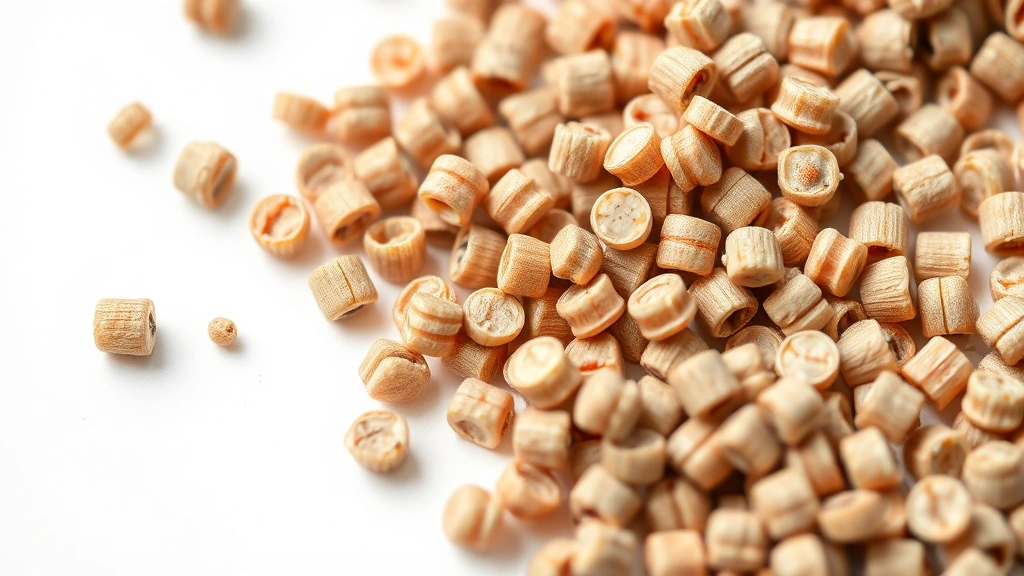
No, bloodworms should be a supplemental treat, not a daily staple. While bettas love them, feeding bloodworms daily can lead to constipation and other digestive issues. Offer them 1-2 times per week as a special treat. Rotate with other foods to maintain nutritional balance.
How do I know if my betta is hungry?
Bettas display hunger through increased activity and color intensification. They’ll often come to the glass when they see you, doing their signature flare or wiggle. However, don’t confuse normal activity with actual hunger. Bettas are intelligent and will beg for food even when they’re not hungry, similar to how dogs react to the sound of a treat bag.
Should I feed my betta before or after water changes?
Feed your betta before water changes, not after. This gives them time to digest before you’re moving them around or changing their environment. The slight stress of a water change can affect digestion, so feeding beforehand and waiting 30 minutes before doing maintenance is ideal.
What’s the best time of day to feed bettas?
The best time is whenever you can be consistent. Pick a time that works with your daily routine and stick with it. Morning feeding is popular because it mimics natural feeding patterns, but afternoon or evening works just as well. Consistency matters more than the specific time.
Final Thoughts on Betta Feeding
Getting how often to feed betta fish right is foundational to keeping a healthy, vibrant fish. Remember the core principles: small portions (4-6 pellets daily), high-quality food, weekly fasting days, and observation of your individual fish’s response. Your betta isn’t asking for much—just consistent, appropriate nutrition and the occasional treat.
Start with once-daily feeding of quality pellets, add variety with frozen or live foods twice weekly, and implement a fasting day. Watch your betta’s belly, behavior, and overall condition. Adjust based on age, activity level, and tank temperature. For more detailed guidance on aquatic pet care, check out resources like Family Handyman’s pet care section or consult This Old House’s aquarium setup guides. You can also find excellent information on Bob Vila’s home and pet care articles.
The beauty of betta keeping is that it’s not complicated once you understand their biology. You’re not fighting against their nature—you’re working with it. Feed them right, and you’ll have a thriving betta that’ll brighten your space for years to come. That’s the real payoff.


