
Learning how often to water succulents is the single most important skill you’ll develop as a plant parent, and honestly, it’s where most people go wrong. I’ve killed plenty of succulents myself by drowning them in good intentions, so let’s fix that right now and get you growing thriving, healthy plants that actually stick around.
Table of Contents
Watering Frequency Basics
The golden rule for succulent watering is simple: let the soil dry out completely between waterings. I’m talking bone dry. Most succulents thrive on a schedule of once every two to three weeks during the growing season, but this isn’t carved in stone—it depends on your specific conditions. Think of succulents like tiny water tanks that store moisture in their leaves. They’re built for drought, not for constant dampness.
During spring and summer when your succulents are actively growing, you’ll water more frequently than in fall and winter. A good baseline is to water deeply once every 14-21 days, but always check your soil first. Stick your finger about an inch into the soil. If it feels even slightly moist, wait another few days. This simple touch test will save you more dead plants than any other trick I know.
Seasonal Changes Matter
Here’s where most people stumble: succulents have different needs throughout the year. During their active growing season (spring and summer), they need more water because they’re actively putting out new growth. I typically water mine every 10-14 days during these months, adjusting based on how fast the soil dries out.
Come fall and winter, everything slows down. Your succulents enter a dormancy phase where they barely need water at all. I stretch my watering schedule to once a month or even longer during winter. Some of my toughest plants go 6-8 weeks without a drink and come out fine. The key is watching your plants, not watching a calendar. If the leaves start looking slightly wrinkled or translucent, that’s actually normal dormancy behavior—not a sign of distress.
Soil and Drainage Setup
You can’t talk about watering succulents without addressing soil, because the wrong soil will kill your plants even if you’re watering correctly. Standard potting soil holds too much moisture. I always mix my own succulent soil using a base of cactus/succulent potting mix (about 60%) combined with perlite or coarse sand (about 40%). This creates the gritty, fast-draining environment succulents demand.
The soil should dry out noticeably within 3-5 days after watering. If it’s still moist after a week, your soil is too dense. Your pot also needs drainage holes—no exceptions. I don’t care how pretty a pot without drainage looks; it’s a plant killer. The drainage hole lets excess water escape instead of sitting at the roots causing rot. When you water, use pots with drainage holes, period.
Signs of Overwatering
Overwatering is the number one succulent killer, and the damage often happens before you realize it. The first sign is usually mushy, translucent leaves that feel soft when you squeeze them gently. The plant looks almost waterlogged or bloated. If you see this, stop watering immediately and let the soil dry out completely for at least two weeks.
Another telltale sign is a foul smell coming from the soil—that’s root rot talking. If the rot is caught early, you can sometimes save the plant by removing it from the pot, cutting away the blackened mushy roots with a clean knife, and repotting it in fresh, dry soil. But honestly, prevention is way easier than rescue. The leaves might also develop dark, mushy spots that spread quickly. Once root rot sets in deep, the plant’s usually done for.
Underwatering Indicators
While overwatering is more common, underwatering does happen, especially if you’re paranoid after killing a few plants. Signs include leaves that look thin, papery, or slightly shriveled. The plant might also stop growing or look stunted. Unlike overwatering damage, underwatering damage is usually reversible—water the plant thoroughly and the leaves will plump back up within days.
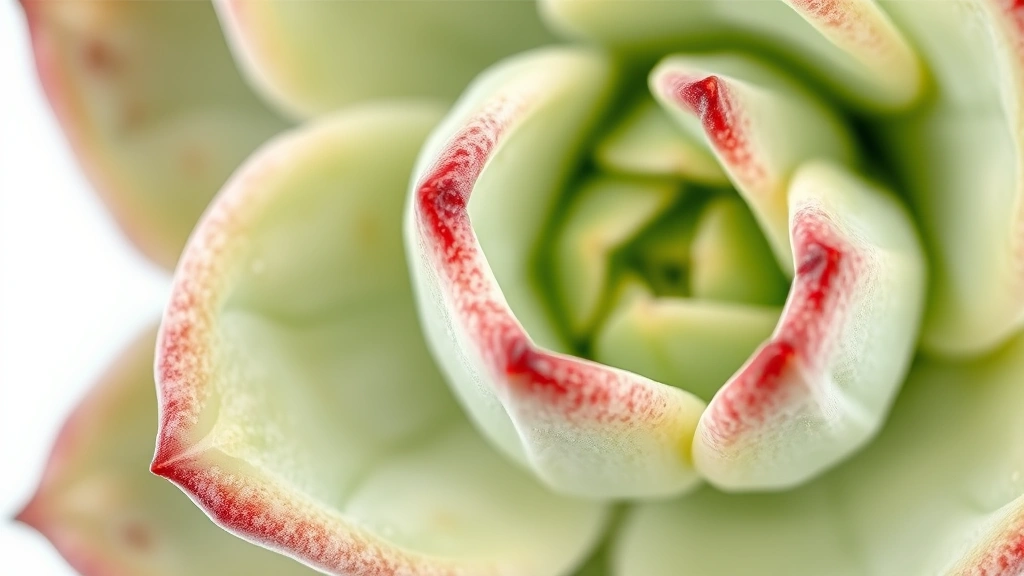
Some succulents also change color when they’re stressed from lack of water. They might develop deeper reds, purples, or oranges. This is actually a survival mechanism, but it’s also a sign to increase your watering frequency slightly. The key difference from overwatering: underwatered plants look dry and thin, while overwatered plants look bloated and mushy.
Container Type Impact
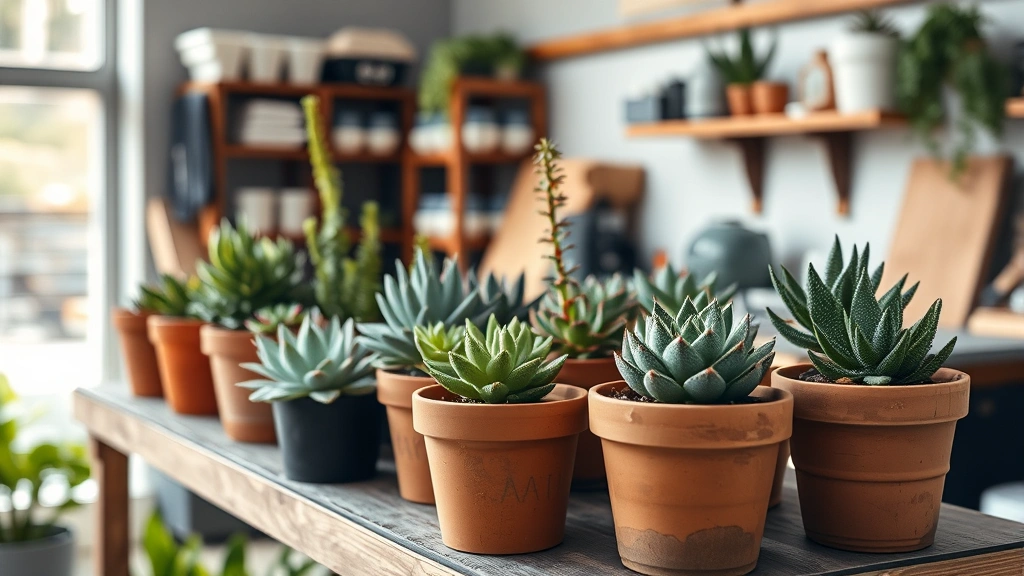
The container you choose affects watering frequency more than you’d think. Terracotta and clay pots are porous, meaning they allow air and moisture to pass through the sides. Plants in terracotta dry out faster—sometimes twice as fast as plastic pots. I love terracotta for succulents because it naturally promotes better drainage.
Plastic and glazed ceramic pots retain moisture longer. If you’re using plastic, you might water every 3-4 weeks instead of every 2 weeks. Concrete and stone pots fall somewhere in the middle. The pot size matters too. A small pot dries out faster than a large one. A succulent in a tiny 2-inch pot might need water weekly, while the same plant in a 6-inch pot might go 3 weeks. Larger soil volume means more water storage.
Climate and Environment
Your local climate is a huge factor in watering frequency. If you live somewhere hot and dry, your succulents will need water more often than if you live in a cool, humid climate. I live in a semi-arid area, and my plants dry out much faster than my friend’s plants in the Pacific Northwest.
Indoor vs. outdoor makes a difference too. Outdoor succulents exposed to sun and wind dry out faster. Indoor plants in air conditioning dry out slower. Humidity levels matter—high humidity means slower evaporation. During winter when indoor heating is running, the air gets dry and plants dry out faster than you’d expect. The season, the weather, your specific microclimate—all of this affects how often to water your succulents. This is why the touch test is so reliable; it accounts for all these variables automatically.
Testing Soil Moisture
The finger test is your best friend. Stick your index finger about an inch into the soil. If it feels dry, water thoroughly. If it feels moist or cool, wait. This works better than any moisture meter I’ve used. You’re looking for that bone-dry feeling, almost like the soil is pulling moisture out of your finger.
Another method is the weight test. Pick up the pot after watering and remember how it feels. Then check it again a few days later. When it feels light and dry, that’s when you water again. Many experienced growers use this method because it becomes intuitive over time. You can also look at the soil surface—if the top inch looks completely dry and maybe even slightly pulling away from the pot edges, it’s time to water.
Best Watering Techniques
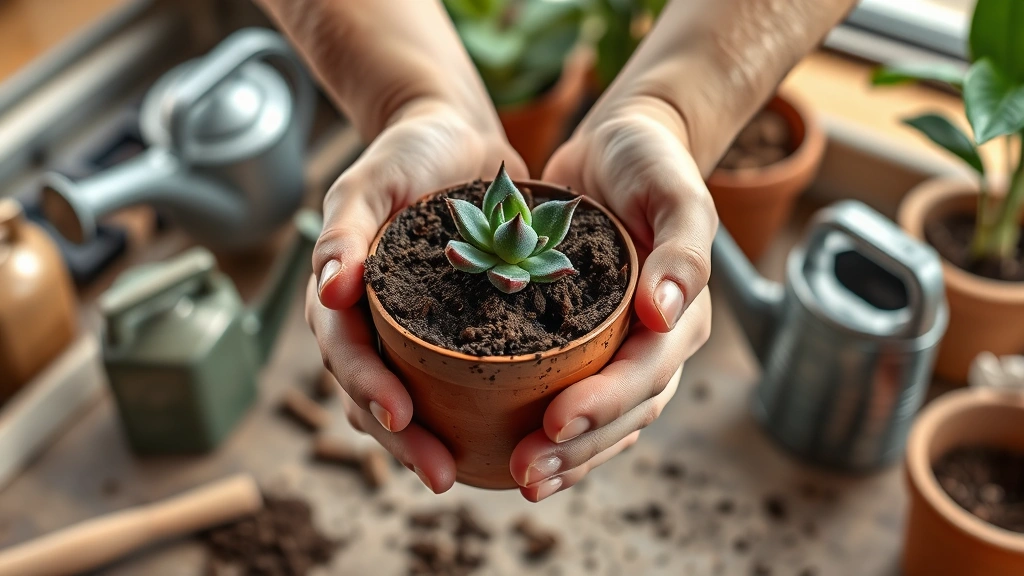
When you do water, water deeply and thoroughly. Pour water slowly until it drains out the bottom of the pot. This ensures the entire root ball gets moisture, not just the top layer. Then stop—don’t water again until the soil is completely dry. The “soak and dry” method is the gold standard for succulents.
Avoid getting water on the leaves if possible. Water sitting on the leaves can cause rot or fungal issues. Water the soil directly. If you do get water on the leaves, make sure the plant is in a well-ventilated area so it dries quickly. Some people use a watering can with a narrow spout, others use a small pitcher. The method doesn’t matter as long as you’re watering the soil, not the plant itself. During dormancy in winter, use even less water and water even more infrequently.
Frequently Asked Questions
Can I use tap water for succulents?
Yes, tap water is fine for most succulents. If your tap water is heavily chlorinated or has high mineral content, letting it sit overnight before using it can help. But honestly, most succulents are tough enough to handle regular tap water without issues. Distilled water works too, but it’s unnecessary expense.
What’s the best time of day to water?
Water in the morning if possible. This gives the plant the whole day to absorb moisture and the soil time to dry slightly by evening. Watering at night means the soil stays wet longer, increasing rot risk. Morning watering also matches the plant’s natural growth cycle.
Should I mist my succulents?
No. Misting is the enemy of succulents. It creates surface moisture that can cause rot without actually hydrating the roots. Skip the misting bottle entirely and stick to deep watering at the soil level.
How do I know if my succulent needs repotting?
If water runs straight through the pot without being absorbed, or if roots are circling the soil surface, it’s time to repot. Use fresh succulent soil and a pot only slightly larger than the current one. Wait a week after repotting before watering.
Can succulents survive without water indefinitely?
No. They store water in their leaves, but they still need regular watering during growing season. Neglect them completely for months and they’ll eventually die. The point is they’re forgiving of irregular watering, not that they need no water.
What if my succulent is in a pot without drainage?
Get a new pot with drainage holes. Seriously. This is non-negotiable. If you love the pot, use it as a decorative cover for a draining pot inside. But never plant succulents directly in containers without drainage.
How often should I water succulents in winter?
Cut watering frequency dramatically. Many succulents need water only once a month or less during winter dormancy. Some can go 6-8 weeks. Watch the plant and only water when the soil is completely dry and the plant shows slight signs of shriveling.
Do different succulent types need different watering schedules?
Slightly, yes. Echeveria and jade plants are pretty standard. Aloe and agave can go longer between waterings. Sedums are often even more drought-tolerant. But the basic rule—let soil dry completely between waterings—applies to almost all succulents. When in doubt, underwater rather than overwater.
Final Thoughts
Learning how often to water succulents comes down to understanding that these plants are built for drought and fear constant moisture. Use the touch test, let soil dry completely between waterings, provide proper drainage, and adjust seasonally. Most people kill succulents with kindness—too much water, too much attention. Treat them like the tough desert plants they are, and they’ll reward you with years of beautiful, low-maintenance growth. Start with every 2-3 weeks during growing season, watch your specific plants, and adjust from there. You’ve got this.


