

Wondering how old to rent a hotel room? The short answer is that most hotels require you to be at least 18 years old, though some properties demand you’re 21 or older. But here’s the thing—age requirements vary wildly depending on where you’re traveling, which hotel chain you book, and what state or country you’re in. Getting this wrong can mean a wasted trip, a cancelled reservation, or an awkward conversation at the front desk. Let’s break down everything you need to know before you book.
Table of Contents
Minimum Age Requirements Explained
The baseline rule across most of North America is straightforward: you need to be 18 years old to sign a hotel contract and rent a room. This is the legal age of majority in most U.S. states and Canadian provinces, which means you can enter into binding agreements. Hotels treat room rentals as contracts, so they won’t let minors sign the paperwork—it wouldn’t hold up legally if something went wrong.
However, and this is crucial, some hotels bump that requirement up to 21. Why? Liability concerns, insurance policies, and the assumption that guests 21 and older are more likely to be traveling for legitimate business or leisure purposes. A handful of boutique hotels, resort properties, and upscale chains use 21 as their cutoff. Always check the specific property’s policy before booking.
Why Hotels Enforce Age Restrictions
Hotels aren’t just being difficult. There are real, practical reasons they care about your age. First, there’s the legal contract issue—if you’re under 18, the hotel can’t enforce a binding agreement with you if there’s property damage or unpaid charges. Second, insurance companies often require age minimums. Third, hotels want to reduce liability for parties, noise complaints, and guest safety issues. A 16-year-old throwing a party in room 412 creates headaches that hotels would rather avoid entirely.
Beyond liability, there’s the payment issue. Hotels need confidence that whoever is signing the paperwork can actually pay the bill. Younger guests are statistically more likely to have limited credit history or access to funds, which makes the hotel nervous about covering costs if something goes wrong.
State and Regional Differences Matter
Here’s where things get complicated. While 18 is the federal baseline, individual states have some wiggle room in their laws. A few states—like Nevada and Louisiana—have different rules for certain types of accommodations. Some states allow 16-year-olds to rent rooms under specific circumstances, like if they’re traveling for school or sports. Others are stricter and defer to the 21-year-old standard.
The Midwest tends to be more flexible with the 18-year-old minimum, while luxury markets on the coasts often stick with 21. Rural areas sometimes have fewer restrictions because there’s less competition and more flexibility. Mountain resort towns near ski areas, for example, often accept 18-year-olds because they’re a major customer base during winter season.
Before booking, spend two minutes searching “[your state] hotel age requirements” or call the specific property directly. It takes 30 seconds and saves you from a disaster.
Major Hotel Chains’ Specific Policies
Let’s talk specifics. Marriott properties generally require guests to be 18, though some luxury brands under their umbrella (like St. Regis or The Ritz-Carlton) may require 21. Hilton Hotels follows the 18-year minimum at most properties, but their premium brands sometimes ask for 21. IHG (InterContinental Hotels Group) is typically 18 across the board. Best Western and budget chains like Motel 6 are usually flexible at 18.
The luxury end of the market—Four Seasons, Mandarin Oriental, Park Hyatt—almost always requires 21. These properties cater to high-end clientele and want to minimize risk. If you’re booking a luxury resort or five-star property and you’re 18-20, call ahead and ask. Don’t assume.
Boutique and independent hotels vary wildly. Some are stricter than chains, others more relaxed. This is where that phone call becomes your best friend.
How Age Verification Works
When you arrive at check-in, the front desk agent will ask for a government-issued ID. They’re checking two things: that you’re old enough and that your name matches the reservation. A driver’s license, passport, or state ID card all work fine. They’ll scan it, verify your birthdate, and move forward if you’re good.
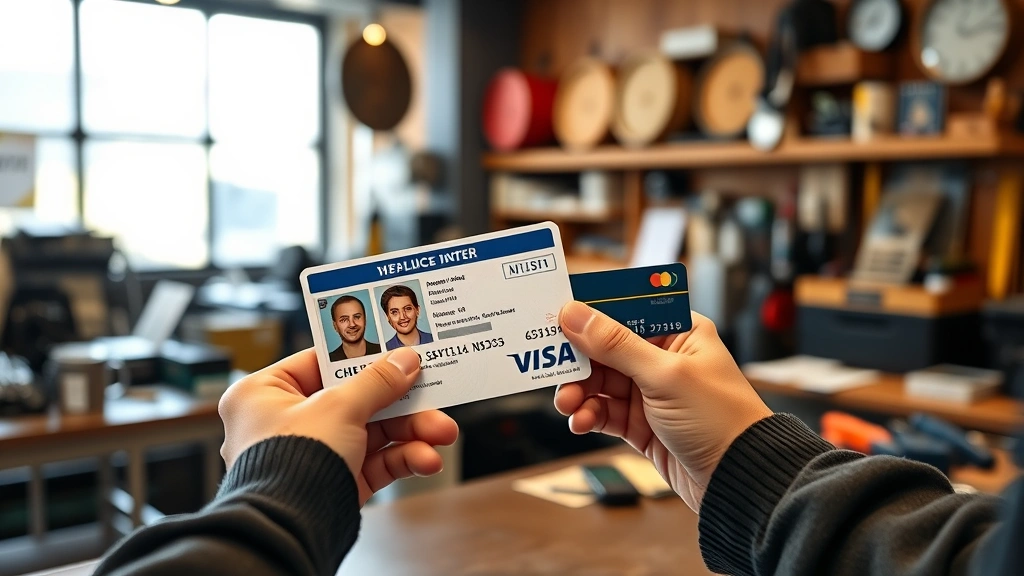
Here’s the thing—they’re not being nosy. They’re following hotel policy and protecting themselves legally. If you show up without a valid ID or can’t prove you’re the right age, they can refuse to check you in. No ID means no room, period. So if you’re traveling and you’re at the age threshold (18-20), bring multiple forms of ID just to be safe.
Some hotels use digital check-in now, which means they verify age before you even arrive. This is actually great because you’ll know immediately if there’s a problem instead of finding out when you’re standing at the desk with your luggage.
Traveling When You’re Under 18
If you’re under 18, renting a hotel room in your own name is basically impossible. But you have options. The most straightforward is having a parent or guardian book the room and stay with you. They sign the contract, they’re responsible for any damages or charges, and you’re covered.
Some hotels allow a parent to book a room and have their underage child check in alone, but this varies wildly by property and location. You’d need to call ahead and get explicit permission in writing. Don’t just show up and hope it works.
Another option: look for youth hostels, family-friendly vacation rentals, or Airbnb properties that explicitly allow guests under 18. These accommodations are specifically designed for younger travelers and have different policies than traditional hotels.
Smart Booking Strategies for Young Adults
If you’re 18-20 and nervous about the age requirement, here’s your game plan. First, book directly with the hotel, not through third-party sites like Expedia or Booking.com. Call the property and confirm their age policy before you reserve anything. Get the name of the person you talked to and ask them to note it in your reservation.
Second, use a credit card in your own name for the deposit if possible. Hotels are more confident in guests who have their own payment method. If you don’t have a credit card, bring a debit card and cash—some properties will accept this combo, though they may put a larger hold on your account.
Third, book a standard room at a mid-range chain rather than a luxury property. You’ll have better odds of getting approved and you’ll save money. Once you’re 21, you’ll have way more options and flexibility.
Fourth, if you’re booking a room for a special occasion (school trip, sports event, family vacation), mention this when you call. Hotels are more likely to make exceptions for legitimate group travel than for vague “just want a hotel room” requests.
International Hotel Age Rules
Traveling outside the U.S.? Age requirements vary significantly. Most European countries allow 18-year-olds to rent rooms without issue. The UK, France, Germany, and Spain all accept 18 as the minimum age. Australia and New Zealand are similar—18 is the standard.
However, some countries are stricter. Japan, for example, has complex rules around youth accommodations and some hotels won’t rent to anyone under 20. Middle Eastern countries often have their own regulations tied to local laws. Southeast Asia is usually flexible at 18, but policies can vary by city and property type.
Before international travel, research the specific country and city where you’re staying. Check the hotel’s website or call their international reservations line. Age requirements can be tied to local laws, not just hotel policy, so this matters more abroad than domestically.
Frequently Asked Questions
Can I rent a hotel room at 17?
Not at traditional hotels. You’d need a parent or guardian to book and stay with you, or you’d need to look at alternative accommodations like hostels or vacation rentals that allow younger guests. Some youth-focused properties are designed for travelers under 18, so those are your best bet.
Do all hotels require 21-year-olds to provide ID?
Yes. Even if you’re 30, hotels ask for ID at check-in. It’s standard procedure to verify identity and confirm you’re the person on the reservation. Bring a valid government-issued ID no matter your age.
What if I booked a room and then found out about the age requirement?
Contact the hotel immediately. Explain your situation and ask if they can make an exception or if you can modify the reservation to have an adult as the primary guest. Many hotels will work with you if you reach out before your arrival date. Waiting until check-in makes it much harder to fix.
Can I use someone else’s ID to check in?
Absolutely not. Using someone else’s ID is fraud and the hotel will refuse to check you in. Worse, you could face legal consequences. Always check in under your own name and with your own ID.
Are there any states where you can rent a hotel room at 16?
A few states allow exceptions for specific circumstances—like school trips or sports events—but this requires advance approval from the hotel and often requires a chaperone. Nevada and Louisiana have some flexibility, but you’d need to call the specific property and get written permission beforehand. Don’t assume it’s allowed.
Do budget hotels have different age requirements than luxury hotels?
Generally, no. Budget chains like Motel 6 and Super 8 still require you to be 18, same as upscale properties. The difference is that luxury hotels are more likely to bump the requirement to 21. Budget properties are often more flexible because they’re competing for volume.
Final Thoughts on Hotel Age Rules
The answer to “how old to rent a hotel room” is usually 18, but always verify before you book. Call the property, confirm their policy, and get it in writing if you’re at the age threshold. If you’re under 18, work with a parent or guardian or explore alternative accommodations designed for younger travelers. If you’re 18-20 and booking solo, choose mid-range chains, book directly with the hotel, and bring valid ID.
Hotels have these rules for legal and practical reasons, not to make your life difficult. Work with them, not against them, and you’ll have a smooth check-in experience. And if you need help with other travel logistics—like resetting voicemail on your phone before a trip or finding saved passwords on your iPhone for booking sites—we’ve got guides for that too. Safe travels.


