
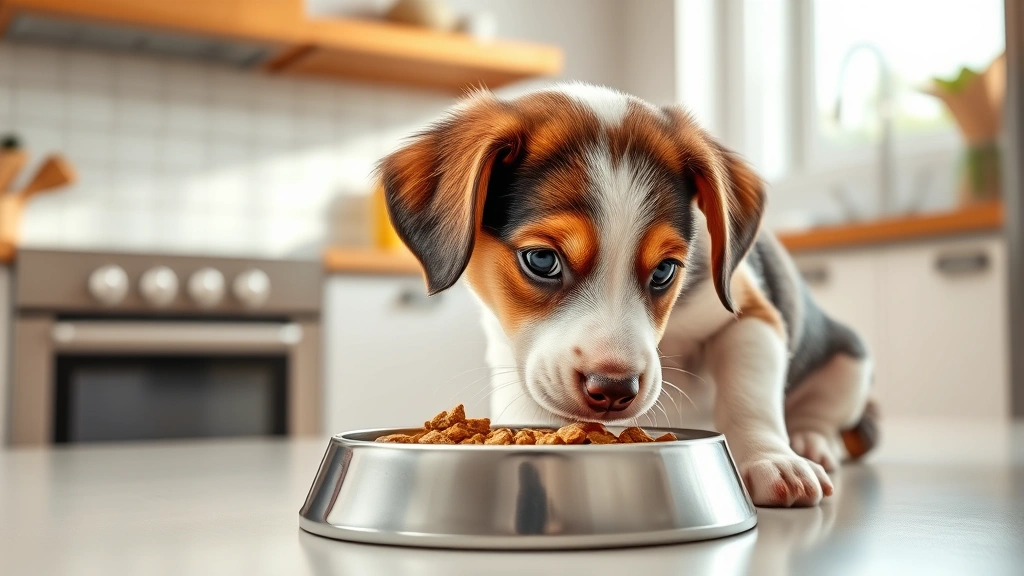
Knowing how often to feed a puppy is one of the most critical decisions you’ll make as a new dog owner, and getting it right sets the foundation for healthy growth and development. Unlike adult dogs that thrive on one or two meals daily, puppies have smaller stomachs, faster metabolisms, and completely different nutritional needs at each stage of their growth. This guide walks you through exactly what your puppy needs, when they need it, and how to adjust their feeding schedule as they grow.
Table of Contents
Newborn Puppies: First Weeks
For the first three to four weeks of life, puppies are entirely dependent on their mother’s milk. If you’re raising orphaned puppies or supplementing mother’s milk, you’ll need to bottle-feed them every two to three hours around the clock—yes, including nighttime. This isn’t just about convenience; newborn puppies have metabolisms that demand constant fuel. Their tiny bodies can’t store energy efficiently, so they need frequent small meals to survive and thrive.
At this stage, you’re not making feeding decisions yet—nature is. But understanding this foundation helps you appreciate why the schedule becomes so important once puppies start eating solid food. Mother dogs naturally regulate intake and teach puppies about eating patterns through weaning, which typically begins around three weeks of age.
Eight Weeks to Three Months
This is when most puppies come home, and this is where your active feeding management begins. At eight weeks old, puppies should eat four times per day. Space these meals roughly four to six hours apart—breakfast, lunch, afternoon snack, and dinner works perfectly for most households. Each meal should be small enough that your puppy finishes it within 15-20 minutes without feeling stuffed.
During this stage, puppies are growing rapidly but their digestive systems are still developing. Four meals spread throughout the day prevents overeating at any single sitting and keeps their blood sugar stable. You’ll notice puppies are energetic, curious, and constantly exploring—they need fuel for all that activity, but their stomachs can’t handle large portions. Think of it like a workshop where you’re making small, frequent quality checks rather than one massive inspection at the end.
Choose a high-quality puppy formula food designed for your breed size. Large breed puppies need different calcium and phosphorus ratios than small breeds to prevent joint problems later. This is worth getting right from the start.
Three to Six Months Old
Around three months, you can typically reduce feeding to three times daily. Your puppy’s stomach is getting bigger and stronger, and they’re developing better digestive capacity. Space these meals about six to eight hours apart. Many owners find a schedule of 7 AM, 1 PM, and 6 PM works well and fits naturally into family routines.
By six months, some puppies are ready to transition to twice-daily feeding, though this depends heavily on the individual puppy and breed. Larger breeds often benefit from staying on three meals daily a bit longer to reduce the risk of bloat. Smaller breeds might comfortably move to two meals by five or six months. Watch your puppy’s behavior—if they’re maintaining good energy, their coat looks healthy, and they’re not ravenous between meals, you’re on track.
This is also when you might start introducing training treats more regularly. Remember that treats should never exceed 10% of their daily caloric intake, or you’ll throw off their nutrition and portion control.
Six to Twelve Months
Most puppies transition to adult feeding schedules between six and twelve months, depending on breed and size. Small breeds often mature faster and can switch to adult food and twice-daily feeding around nine months. Large and giant breeds should stay on puppy food and three meals daily until closer to twelve months—sometimes even longer—because their growth plates close more slowly.
At this stage, your puppy is still growing but at a slower rate than the first few months. They need more calories per pound than adult dogs, but not as much as younger puppies. The transition is gradual: you’re not switching abruptly from three meals to two. Instead, combine two meals over a week or two, monitoring their digestion and energy levels.
Here’s where patience matters. Rushing this transition can lead to digestive upset or feeding problems that persist into adulthood. There’s no prize for moving to adult feeding early—you’re building habits that last a lifetime.
Transitioning to Adult Food
When your vet gives the green light to switch to adult food, do it gradually over 7-10 days. Start by mixing 25% new food with 75% old food, then increase the new food ratio every couple of days. This slow transition prevents digestive upset and gives their system time to adjust to the new formula.
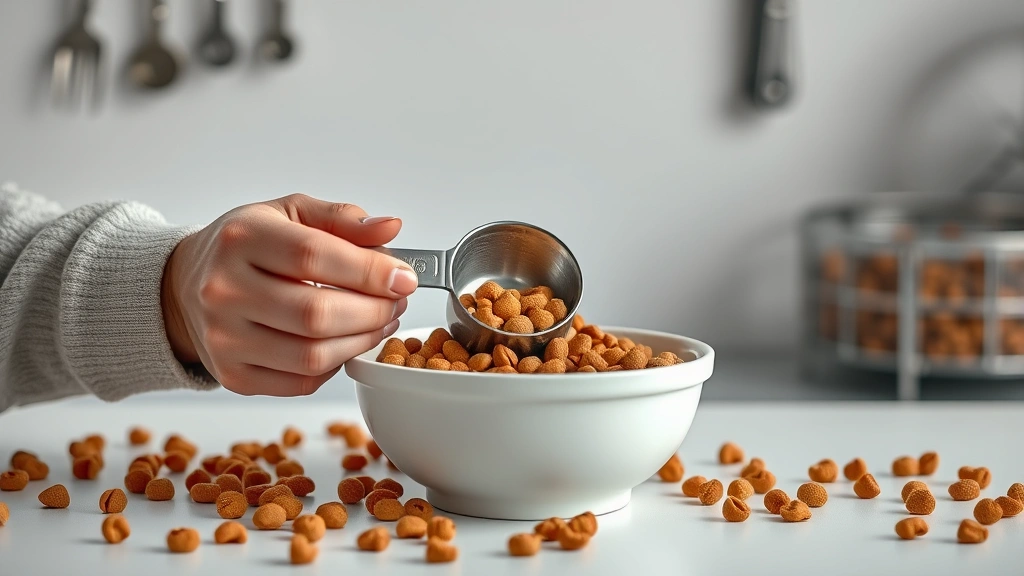
Adult dogs typically eat once or twice daily. Many veterinarians recommend twice-daily feeding even for adult dogs because it maintains steadier energy and digestion throughout the day. A morning meal and evening meal, spaced roughly 12 hours apart, is the gold standard for most adult dogs.
The switch from puppy to adult food isn’t just about portion size—the nutrient ratios change significantly. Adult food has lower calories and different mineral balances optimized for maintenance rather than growth. Getting this right prevents obesity and nutritional imbalances that can develop over years.
Getting Portion Sizes Right
Puppy food bags provide feeding guidelines based on weight, but these are starting points, not gospel. Every puppy is different. A highly active puppy might need 10-15% more food than a calm puppy of the same age and weight. Metabolism varies just like it does in humans.
The best way to determine correct portions is the body condition score. You should be able to feel your puppy’s ribs easily when you gently press their sides, but not see them prominently. Their waist should be visible from above, and they should have an abdominal tuck when viewed from the side. If your puppy looks like a little barrel, you’re feeding too much. If you can see ribs prominently, they’re not getting enough.
Weigh your puppy weekly and track their growth. Most puppies should gain about 5-10% of their body weight each week during the first few months, then slower as they approach adulthood. If growth stalls or accelerates dramatically, that’s a conversation for your vet—it might indicate a feeding adjustment is needed.
Common Feeding Mistakes
The biggest mistake new puppy owners make is free-feeding—leaving food out all day. This makes portion control impossible and often leads to overweight puppies. It also makes house training harder because you can’t predict when they need to eliminate. Scheduled feeding means scheduled bathroom breaks, which accelerates house training significantly.
Another common error is mixing table scraps or human food into puppy meals. A small piece of chicken here, a bit of rice there—it seems harmless, but these extras add up quickly and throw off the nutritional balance of their specialized puppy food. Puppies need their calories to come from complete and balanced puppy formulas, not random additions.
Don’t switch foods too frequently. Puppies have sensitive digestive systems, and constant food changes lead to upset stomachs and diarrhea. If you need to change brands, do it slowly over 7-10 days. Stick with one quality formula for at least a few months before considering a switch.
Overfeeding is perhaps the most common mistake, especially with large breed puppies. Growing too fast puts stress on developing bones and joints, increasing the risk of hip dysplasia and other orthopedic problems. Slow, steady growth is better than rapid growth. A slightly lean puppy is healthier than a chubby one.
Essential Nutrition for Growth
Puppy food must contain adequate protein (typically 18-25% for most breeds) to support muscle development and growth. High-quality proteins from meat sources are more bioavailable than plant-based proteins, meaning your puppy’s body can actually use them more effectively.
Fat content matters too. Puppies need more fat than adult dogs for brain development and coat health. Look for foods with 8-15% fat content from quality sources like fish oil or chicken fat. DHA, an omega-3 fatty acid, is particularly important for brain and eye development in young puppies.
Calcium and phosphorus ratios are critical, especially for large breed puppies. The ratio should be roughly 1.2:1 calcium to phosphorus. Too much calcium or an imbalanced ratio can cause serious skeletal problems. This is why choosing a breed-appropriate puppy formula matters more than you might think.
Vitamins and minerals, including zinc, copper, and B vitamins, support immune function and overall health during this rapid growth period. Quality commercial puppy foods are formulated to meet AAFCO standards, which ensure they contain these essential nutrients in appropriate amounts.
Creating Your Feeding Schedule
Start by establishing a consistent daily routine. Puppies thrive on predictability—they learn when to expect meals, and this consistency helps with house training and behavioral management. If you feed at 7 AM, 1 PM, and 6 PM, stick to those times every single day.
Feed in the same location each time. This creates a mental association and helps puppies understand that mealtime happens in one specific spot. Use the same food bowl, and pick it up 15-20 minutes after placing it down, even if food remains. This teaches puppies to eat when food is available, not to graze constantly.
Plan bathroom breaks around feeding times. Puppies typically need to eliminate 15-30 minutes after eating. Taking your puppy outside after each meal accelerates house training and prevents accidents. It’s also a great opportunity for play and exercise, which aids digestion.
Keep a feeding log for the first month or two. Write down what time you fed, how much they ate, and any observations about their digestion or energy. This helps you spot patterns and makes it easy to discuss concerns with your vet if issues arise.
Consider your work schedule when planning meal timing. If you’re gone eight hours daily, three meals might not be feasible without a dog walker or midday visit home. A puppy left alone for more than four hours without a potty break will struggle with house training. If you can’t manage frequent meals, consider hiring help or adjusting your timeline for getting a puppy.
Frequently Asked Questions
Can I feed my puppy adult dog food to save money?
No. Puppy food is specifically formulated for growing bodies with different nutrient ratios and calorie densities than adult food. Feeding adult food to a growing puppy can lead to nutritional imbalances, improper growth, and skeletal problems. The small cost difference in puppy food is worth the investment in your dog’s long-term health. Think of it like using the right fuel for a high-performance engine—you wouldn’t put regular gas in a sports car.
How much water should a puppy drink daily?
Puppies need access to fresh water at all times. A general rule is about 0.5-1 ounce of water per pound of body weight daily, but this varies based on activity level, food type, and weather. Wet food contains significant water, so puppies eating wet food drink less than those on dry kibble. Always provide water, especially after meals and playtime. Monitor urine color—it should be pale yellow. Dark urine suggests dehydration.
What if my puppy won’t finish their meal?
Pick up the bowl after 15-20 minutes and don’t offer food again until the next scheduled mealtime. This teaches puppies to eat when food is available. If your puppy consistently refuses meals, they might not be hungry (portions might be too large) or there could be a health issue. Persistent refusal warrants a vet visit. Some puppies are naturally less food-motivated than others, and that’s fine—they’ll eat when hungry.
Is it okay to feed my puppy before or after exercise?
Wait at least 30-60 minutes after a meal before vigorous exercise to reduce bloat risk, especially in deep-chested breeds. Similarly, wait 30-60 minutes after exercise before feeding. Light play immediately after eating is fine, but avoid running, jumping, or intense activity. This precaution is particularly important for large breed puppies, which have higher bloat risk.
When should I switch from puppy food to adult food?
This depends on breed size. Small breeds typically transition between 9-12 months. Large breeds should stay on puppy food until 12-18 months because their growth plates close more slowly. Your vet can advise based on your specific puppy’s development. Don’t rush this transition—premature switching to adult food can lead to growth problems.
Can I give my puppy treats while training?
Absolutely, but keep treats to less than 10% of daily calories. If your puppy eats 1000 calories daily from their main food, treats should total no more than 100 calories. Use small, low-calorie training treats and reduce their main meal portion slightly on heavy training days. This maintains overall caloric balance and prevents overfeeding.


