
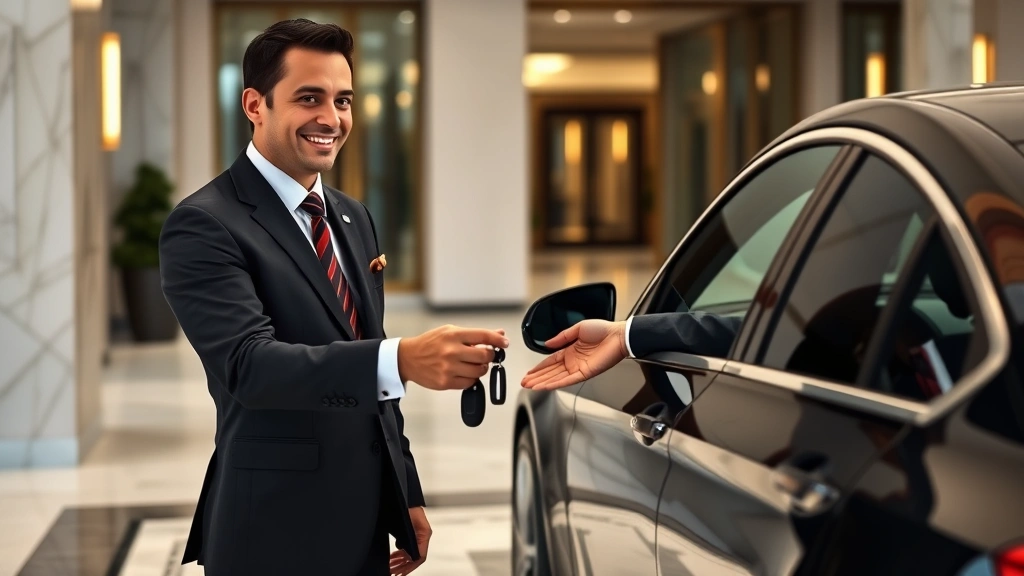
Figuring out how much to tip valet parking attendants doesn’t have to be complicated, but it’s definitely something worth getting right. Whether you’re dropping off your car at a fancy restaurant, upscale hotel, or special event, understanding valet tipping etiquette shows respect for the service you’re receiving and helps ensure your vehicle gets the care it deserves.
Table of Contents
Standard Tipping Amounts
The baseline rule for valet tipping is straightforward: tip $2 to $5 per visit for standard service. This range works for most everyday situations where the valet attendant parks your car and retrieves it without incident. If you’re visiting a mid-range restaurant or hotel, $3 is a solid middle ground that shows appreciation without going overboard.
For upscale establishments—think fine dining restaurants or luxury hotels—bump that up to $4 or $5. These venues attract valets who handle premium vehicles regularly and often work in competitive environments where tips directly impact their earnings. The slightly higher amount reflects both the establishment’s caliber and the attendant’s likely experience level.
Think of it like this: you’re not tipping for parking itself, which is usually complimentary. You’re tipping for the service—the convenience, the care taken with your vehicle, and the professionalism displayed. That distinction matters when deciding your amount.
Factors Affecting Tip Size
Several variables influence whether you should lean toward the lower or higher end of the tipping spectrum. Your total bill at the establishment plays a role—if you’re spending $150 on dinner, a $5 valet tip makes sense. If you’re grabbing a quick $25 lunch, $2 or $3 is appropriate.
Vehicle condition matters too. If your car is particularly dirty, cluttered inside, or has known mechanical quirks (like a sticky transmission or finicky door), letting the valet know upfront and tipping on the generous side ensures they handle it carefully. Conversely, if you drive a pristine, easy-to-handle vehicle, standard tipping is fine.
Weather conditions deserve consideration. On a scorching summer day or during a downpour, valets are working harder and dealing with more uncomfortable conditions. A $5 tip on a $3 baseline shows you recognize their effort. The same applies to busy nights when the lot is packed and retrieving your car takes longer.
Your own experience and satisfaction with the service should guide you too. If the valet was exceptionally friendly, careful with your vehicle, or went out of their way to help, that warrants a bump up. If something went wrong—scratches, dings, or dismissive treatment—you’re not obligated to tip generously, though a base amount is still appropriate unless service was genuinely poor.
When to Tip Valet
Timing your tip matters as much as the amount. The best practice is to tip when you pick up your car, not when you drop it off. Here’s why: tipping at pickup ensures the attendant who actually retrieved your vehicle receives the money directly. Tipping at drop-off means a different person might pocket it, and the person who handles your car later never knows you appreciated their work.
Hand the tip directly to the valet attendant if possible. Make eye contact, smile, and say something like “Thanks for taking care of my car.” This personal touch transforms a transaction into genuine appreciation. If you’re in a rush and can’t wait for your car to be brought around, you can tip the attendant at the stand, but try to do it face-to-face.
Some people worry about tipping if they’re using a valet service as part of a package deal—like included parking at a hotel. You should still tip. The fact that the establishment covers the service doesn’t mean the individual attendant gets compensated beyond their base wage. Your tip is their incentive to provide excellent service.
Tipping Methods Explained
Cash is king in the valet world. Most valets prefer cash tips because they’re immediate, guaranteed, and don’t involve credit card processing fees eating into their earnings. Carrying a few singles and some five-dollar bills specifically for tipping makes the process smooth and shows you came prepared.
Credit card tipping at valet services is less common and often awkward. Some upscale venues have digital payment systems, but many valets work independently or for smaller operations without that infrastructure. Even if the option exists, cash feels more personal and is universally appreciated.
Digital payment apps like Venmo or PayPal aren’t practical for valet tipping unless you’ve pre-arranged something with a regular service. The spontaneous nature of most valet encounters makes cash the only realistic option. Keep your wallet stocked with small bills—this isn’t just good valet etiquette, it’s practical sense.

Special Circumstances
Weddings, galas, and special events where valet service is provided often involve larger tips. You’re typically in a celebratory mood, spending more money overall, and the valet service is part of a premium experience. Consider tipping $5 to $10 per visit at these events, especially if you’re coming and going multiple times.
If you’re a regular at a restaurant or hotel with valet service, building a relationship with the attendants pays dividends. Consistent, generous tipping (even just $4 or $5 regularly) means your car gets prioritized, handled with extra care, and retrieved quickly. Valets remember regulars who tip well.
Airport valet services operate differently. These are often pre-paid or included in your parking fee, and attendants may be company employees rather than independent contractors. Still, a $2 to $3 tip is appropriate when you pick up your car, especially if you’ve been parked for several days.
Valet services at hospitals or medical facilities deserve consideration too. These attendants are often working in stressful environments helping people during difficult times. A standard $2 to $3 tip is appropriate, though many people tip slightly more given the circumstances.
Regional Variations Matter
Tipping culture varies significantly across the United States and internationally. In major metropolitan areas like New York, Los Angeles, and Miami, valet tipping expectations tend to be higher—$4 to $6 is standard. In smaller cities or rural areas, $2 to $3 is perfectly acceptable and often appreciated more.
The cost of living in your region influences expectations too. If you’re in an expensive city where valets might earn lower base wages, slightly higher tips help offset that. In areas with higher minimum wages and lower overall costs, standard tipping suffices.
International travelers should research local customs. Some countries don’t have strong tipping cultures, while others expect it. European valets often receive lower tips than American counterparts, while some Asian countries have different service compensation models entirely.
Common Tipping Mistakes
The biggest mistake people make is tipping too little or not at all, assuming the service is “free” or included. It’s not. Valets are service workers earning modest wages who depend on tips. Stiffing them sends a message that you didn’t value their work.
Another common error is tipping based on the parking fee rather than the service quality. If a restaurant charges $5 for valet parking, that money goes to the establishment, not the attendant. Your tip should be separate and based on service, not the fee structure.
Don’t make the mistake of tipping significantly more just because your car is expensive. A luxury vehicle doesn’t require a $20 tip—$5 is fine. Conversely, don’t tip less because you drive an older or modest car. The service level should be the same regardless of vehicle value.
Avoid handing a tip to the wrong person or leaving it on the car. Make sure the attendant who actually parks and retrieves your vehicle gets the tip directly. This ensures proper recognition and prevents confusion or disputes.
Valet vs Self-Parking
The choice between valet and self-parking often comes down to convenience and budget. Valet service costs more upfront but saves time and hassle, especially in crowded lots or unfamiliar areas. If you’re paying for valet service, you’re already committed to the expense—the tip is just the final piece.
Self-parking means you handle your own vehicle, so no tip is necessary. However, some venues charge for self-parking too, which can rival valet costs. In those cases, you’re paying for the privilege of parking yourself, which seems backward—another reason many people prefer valet service.
Consider your comfort level and the situation. At a nice restaurant where you’ll be inside for hours, valet service is worth the cost and tip. For a quick errand or casual outing, self-parking might make more sense financially and logistically.
Frequently Asked Questions
Is it rude to not tip valet parking attendants?
Yes, not tipping is generally considered rude unless service was genuinely poor. Valets rely on tips as a significant portion of their income. Even a small tip of $2 shows appreciation for their service. If you can’t afford to tip, self-parking is a more appropriate choice.
Should I tip valet if parking is free?
Absolutely. Free parking doesn’t mean free service. The valet attendant still provided a service—parking and retrieving your vehicle safely. Tip them $2 to $5 based on the quality of service and establishment type, regardless of whether parking itself was complimentary.
What if my car gets damaged by a valet?
Document any damage immediately with photos and report it to the establishment’s management. Don’t tip for poor service that results in vehicle damage. Most valet services carry insurance, and the establishment should cover legitimate damage claims. This is a rare situation, but it’s important to address it directly rather than silently absorbing the cost.
How much should I tip for valet at a wedding?
Wedding valet tips typically range from $5 to $10 per vehicle, depending on the formality and your budget. If you’re coming and going multiple times during the event, tip at each arrival and departure. Weddings are premium events, so attendants expect slightly higher tips than casual dining situations.
Can I tip valet with a credit card?
While some upscale venues have digital tipping systems, cash is strongly preferred by most valets. Credit card tips involve processing fees and don’t provide immediate compensation. Carry cash specifically for valet tipping to ensure you can tip appropriately in any situation.
Is $1 an acceptable valet tip?
A $1 tip is on the low end and might be perceived as insulting, though it’s better than nothing. If you’re at a high-end establishment, $1 falls short of expectations. At casual venues, it’s acceptable but not generous. Aim for at least $2 as your minimum unless financial constraints genuinely limit you.
Should I tip differently for valet retrieval vs. drop-off?
Tip primarily at retrieval since that’s when the attendant has completed the full service. If you tip at drop-off, you’re rewarding someone who hasn’t yet handled your car. A single tip of $2 to $5 at pickup covers the entire valet experience appropriately.
Final Thoughts on Valet Tipping
Understanding how much to tip valet parking attendants comes down to respecting the service profession and recognizing that tips are essential income for these workers. The $2 to $5 standard range covers most situations, with adjustments based on establishment type, service quality, and special circumstances.
Remember: tip at pickup when you receive your car, use cash whenever possible, and make it personal by handing the tip directly to the attendant. These simple practices ensure your appreciation reaches the right person and reinforces professional service standards across the industry.
Whether you’re managing service cancellations or deciding on appropriate gratuities, treating service workers with respect and fair compensation is always the right move. Valet attendants work hard in all weather conditions to provide convenience you’re paying for—acknowledge that effort with a proper tip, and you’ll build goodwill that benefits everyone involved.


