
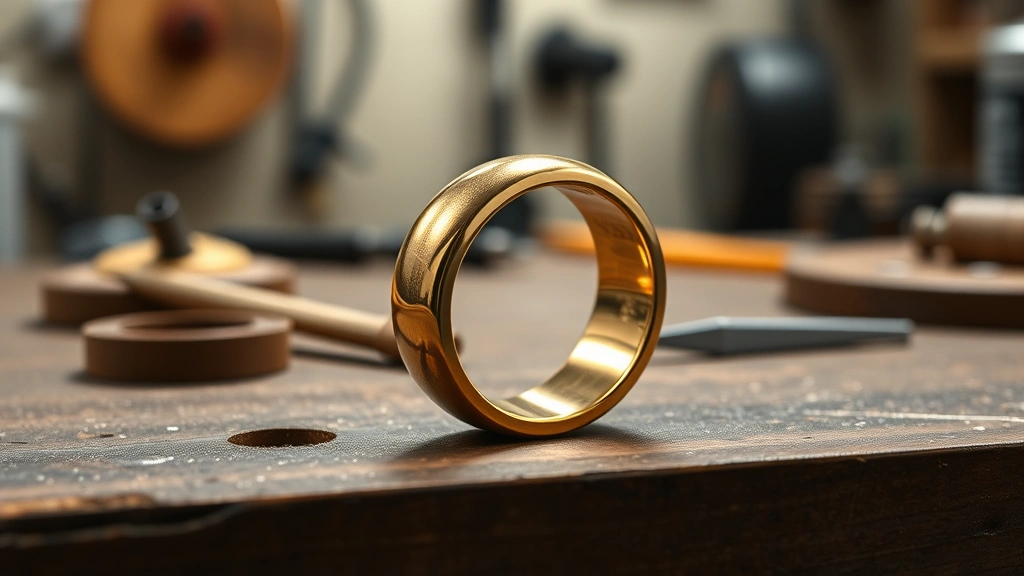
So you’ve got a ring that doesn’t fit quite right, and you’re wondering how much to resize a ring costs. Whether it’s an heirloom that’s too loose, an impulse buy that’s too tight, or a vintage find that needs adjusting, ring resizing is one of the most common jewelry repairs out there. The good news? It’s usually straightforward and won’t break the bank. Let me walk you through what you’re looking at in terms of pricing, what factors affect the cost, and what to expect when you take that ring to a professional jeweler.
Table of Contents
Ring Resize Basics
Ring resizing is a jewelry repair process where a jeweler adjusts the circumference of your ring to fit your finger properly. It’s not just about making it bigger or smaller—it’s a precise craft that requires skill and the right equipment. A jeweler will either add metal (sizing up) or remove metal (sizing down) from the band, then reshape and polish it back to its original condition.
The process typically involves cutting the ring at a strategic point, adjusting the size, and then soldering the ends back together. For rings with stones or intricate designs, it’s even more delicate work. This is why you want to trust this job to someone who knows what they’re doing.
Average Costs in 2024
Here’s what you’re typically looking at in 2024 for standard ring resizing:
- Simple bands (gold, silver, platinum): $25–$75
- Rings with stones: $50–$150
- Designer or custom rings: $75–$200+
- Antique or vintage rings: $100–$300+
These are ballpark figures, and your actual cost will depend on several variables. A basic sterling silver band might only run you $30, while a vintage diamond ring could easily cost $200 or more. The key is getting a quote from your jeweler before they start work.
Factors Affecting Price
Several things influence what you’ll actually pay when you walk into a jewelry shop. Location matters—resizing in a major metropolitan area will typically cost more than in a smaller town. Your local jeweler’s experience and reputation also play a role. A master craftsman with 30 years of experience will charge more than someone just starting out, but you’re paying for quality and peace of mind.
The complexity of your ring design is huge. A plain band is straightforward work. But if your ring has intricate filigree, stone settings that need to be repositioned, or unusual design elements, the jeweler has to spend more time and use more skill. Some rings require special handling to avoid damaging the design during the resizing process.
How many sizes you need to adjust matters too. Moving a ring up or down by one or two sizes is standard work. But if you need a dramatic resize—say, from a size 5 to a size 10—that’s more involved and might cost extra.
Metal Type Matters
The metal your ring is made from directly affects the price. Here’s the breakdown:
Gold rings (10K, 14K, 18K) typically run $40–$100 for a simple resize. Gold is workable and common, so jewelers can handle it efficiently. The purity level can affect pricing slightly—higher karat gold is softer and sometimes easier to work with, but the material itself is more valuable.
Platinum rings are on the higher end, usually $100–$200+. Platinum is denser, harder to work with, and requires specialized equipment and expertise. It’s also a precious metal, so material costs factor in. If you’re resizing a platinum ring, expect to pay a premium.
Silver rings are typically the most affordable, ranging from $25–$60. Sterling silver is easy to work with, and labor costs are lower. This is a good option if you’re testing out a new ring size before committing to more expensive metals.
Mixed metals or specialty alloys might cost more because jewelers need to match the metal composition and ensure compatibility during soldering. White gold, rose gold, and other variations fall into this category.
Sizing Up vs. Down
Here’s something many people don’t realize: sizing up and sizing down can have different costs. Sizing down is generally simpler and cheaper because the jeweler removes a section of the band and solders it back together. It’s a straightforward subtraction.
Sizing up is more complex. The jeweler has to add metal to increase the circumference. They might use solder and matching metal, or in some cases, they’ll need to stretch the band slightly. This requires more precision and often costs a bit more—sometimes $10–$30 extra compared to sizing down.
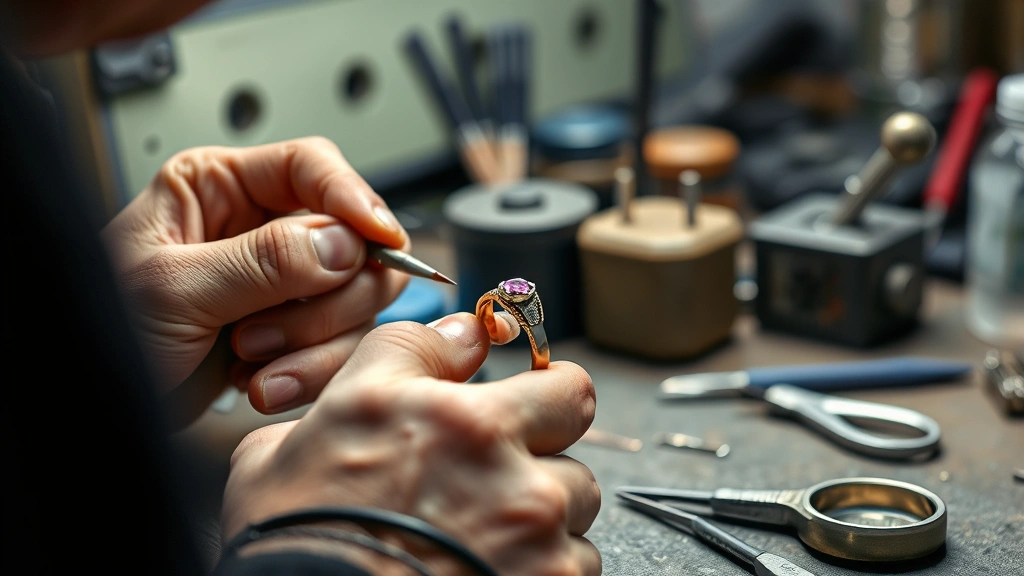
If you need to size up significantly (more than 2–3 sizes), some jewelers will charge more because they’re adding a substantial amount of metal and need to ensure the joint is perfectly invisible and structurally sound.
Rush Fees & Timeline
Standard ring resizing usually takes 1–2 weeks. The jeweler needs time to do the work properly, and they might have other orders ahead of yours. If you need your ring back faster, expect to pay a rush fee—typically 25–50% extra.
If you absolutely need it done in 3–5 days, some jewelers can accommodate you, but you’ll pay premium pricing. I’ve seen rush fees add $15–$50 to the total cost, depending on how quickly you need it. Plan ahead if possible to avoid these extra charges.
Some jewelers offer same-day or next-day resizing for simple bands, usually at a modest upcharge. It’s worth asking when you get your quote.
DIY vs. Professional
You might be tempted to try resizing a ring yourself, especially if you’re handy. I get it—it could save money. But here’s my honest take: don’t do it. Unless you’re a trained jeweler with proper equipment, you’ll likely damage the ring beyond repair.
Ring resizing requires specialized tools: jeweler’s saws, soldering equipment, files, polishing wheels, and more. You also need knowledge of metal properties, soldering techniques, and how to handle stones without cracking them. One mistake—too much heat during soldering, a misaligned cut, or improper metal matching—and you’ve got a ruined ring.
A professional jeweler invests thousands in equipment and years in training. That $50–$100 you’ll spend is insurance against turning a ring you care about into scrap metal. If it’s a sentimental piece or valuable jewelry, professional work is non-negotiable. You can check out how long it takes to replace brake pads if you want to understand how professional services save time, and the same principle applies to jewelry work.
Finding the Right Jeweler
Not all jewelers are created equal. When you’re looking for someone to resize your ring, do your homework. Start by checking reviews on Google, Yelp, or the Better Business Bureau. Look for jewelers who specialize in repairs and resizing, not just selling new jewelry.
Ask for references or examples of their work. A good jeweler will be happy to show you before-and-after photos of resizing projects. Get quotes from at least 2–3 jewelers before deciding. Prices vary, and you want to make sure you’re getting fair pricing without sacrificing quality.
Visit the shop in person if you can. A professional jeweler will inspect your ring carefully, ask questions about the metal and any stones, and give you a detailed quote. They should explain the process and timeline clearly. If someone seems dismissive or won’t answer your questions, that’s a red flag.
According to Family Handyman, finding the right professional for any craft is about checking credentials and past work. The same applies to jewelers. Look for someone who’s been in business for several years and has a solid reputation in your community.
Special Considerations
Some rings require extra care during resizing. Antique and vintage rings often have delicate settings or unusual metal compositions. Resizing these can cost 2–3 times more than standard work because the jeweler needs to be extra careful not to damage the historical integrity of the piece.
Rings with gemstones need careful handling. If the stones are set in the band itself (like in an eternity ring), the jeweler has to work around them or temporarily remove and reset them. This adds time and cost. Some stones are fragile and can crack under heat, so the jeweler needs to take precautions.
Custom or designer rings might require the original jeweler or someone with specific expertise to maintain the design’s integrity. If you have a custom ring, check if the original jeweler offers resizing services—they might charge more, but they’ll ensure the work matches the original craftsmanship.
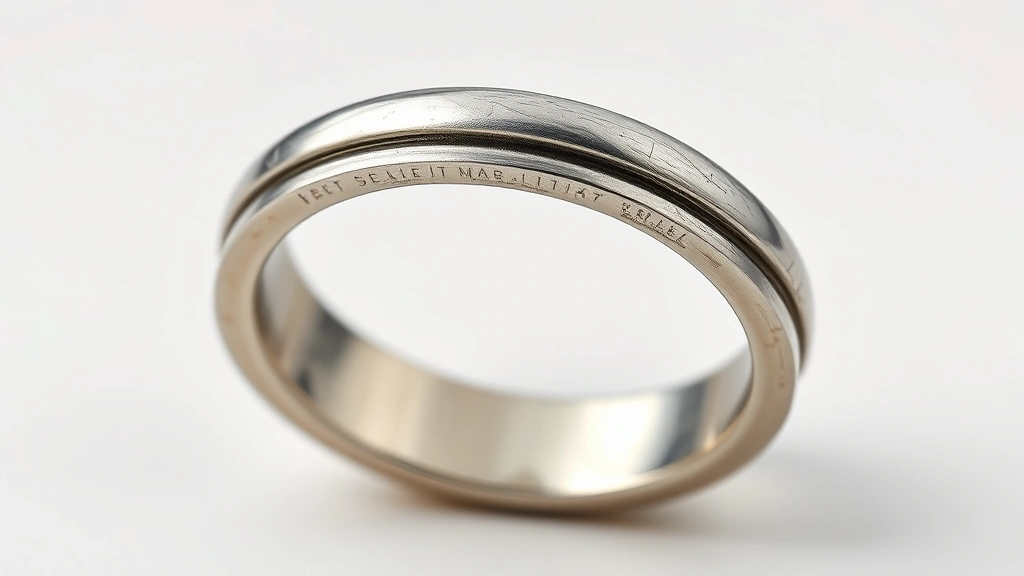
Engraved rings can be resized, but if the engraving is near the resizing point, it might be affected. Discuss this with your jeweler before they start work. Sometimes they can preserve the engraving; other times, it might need to be redone after resizing.
Much like understanding how long it takes for super glue to dry, timing and proper technique matter in jewelry work. A jeweler who understands material science will know exactly how to approach your specific ring.
Frequently Asked Questions
Can all rings be resized?
Most rings can be resized, but not all. Rings made from certain materials (like tungsten or some ceramics) are difficult or impossible to resize. Rings with extensive stone settings covering the band might not be good candidates either. Always ask your jeweler if your specific ring can be resized before committing to the work.
How much can you resize a ring?
A jeweler can typically resize a ring up to 4–5 sizes in either direction, though this depends on the ring’s design and metal. Resizing more than 2–3 sizes will likely cost extra and might not be possible if the design would be compromised. Ask your jeweler what they can do with your specific ring.
How long does ring resizing take?
Standard resizing takes 1–2 weeks. Some jewelers offer expedited service for 3–5 days at an extra cost. Same-day resizing is rare but possible for simple bands at some shops. Always ask about the timeline when you drop off your ring.
Is ring resizing permanent?
Yes, professional ring resizing is permanent. The jeweler removes or adds metal and solders the band back together, creating a permanent bond. You won’t have to worry about it coming loose or needing to be redone (unless your finger size changes again).
Can you resize a ring with diamonds or gemstones?
Yes, but it’s more complex and costly. The jeweler needs to work carefully around the stones to avoid damaging them. If the stones are set in the band itself, they might need to be temporarily removed and reset after resizing. Expect to pay $75–$200+ for a stone-set ring, depending on complexity.
What’s the difference between resizing and stretching?
Resizing involves adding or removing metal and soldering the band back together. Stretching is a temporary solution where the band is gently stretched to make it larger—but it can weaken the metal and isn’t permanent. Resizing is the proper, lasting solution. Think of it like the difference between how long it takes for nail polish to dry versus a permanent manicure—one is temporary, one lasts.
Should I resize before or after getting a ring cleaned?
Get it resized first, then cleaned. Resizing involves soldering and heat, which can remove any polish or shine from a cleaning. After resizing, have the jeweler polish and finish the ring to restore its appearance.
Final Thoughts
Ring resizing is an affordable, straightforward way to make sure your ring fits perfectly. In 2024, you’re looking at anywhere from $25 for a simple silver band to $200+ for complex vintage or designer pieces. The key is finding a reputable jeweler, getting a detailed quote, and being patient while they do quality work.
Don’t cheap out on this—your ring is likely something you care about, whether it’s sentimental or valuable (or both). A professional jeweler will ensure the work is done right, and you’ll have a perfectly fitting ring that lasts for years. Take your time finding the right person for the job, and you won’t regret it.
For more insights on finding professionals for precision work, check out This Old House and Bob Vila for their take on hiring quality craftspeople. And if you’re waiting on your ring to be resized, you might want to know how long it takes for lashes to grow back while you’re at it—just kidding, but patience is a virtue when quality work is on the line.


