
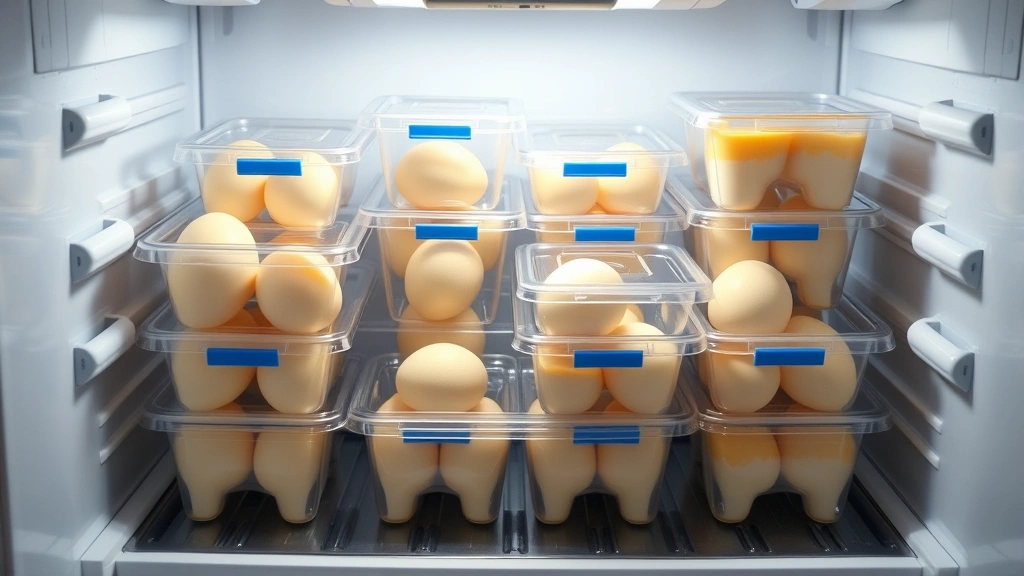
Wondering how much to freeze eggs costs and whether it’s worth your time? Whether you’re preserving a backyard flock’s bounty or planning ahead for winter, egg freezing is one of the smartest food preservation moves you can make. The good news: it’s cheap, simple, and honestly, kind of foolproof once you know the basics.
Table of Contents
Why Freeze Eggs Anyway
Let’s start with the obvious: eggs are cheap. A dozen eggs runs you maybe $3-5 depending on where you shop. But when you’ve got a surplus—whether from your backyard chickens or a killer sale at the grocery store—freezing them extends that value for months. Unlike keeping apples from browning, which requires constant vigilance, frozen eggs just sit there doing their thing. No babysitting required.
The real win? Frozen eggs thaw out ready to use in virtually any recipe that calls for fresh eggs. Baking, scrambling, omelets—you name it. The texture changes slightly (more on that in a bit), but the functionality stays solid. Plus, you’re never caught without eggs when you need them, which is honestly worth more than the minimal cost involved.
Actual Costs Breakdown
Here’s what you’re actually spending to freeze eggs:
Eggs themselves: $0.25-0.40 per egg (retail) or basically free if you’re using your own. A dozen eggs costs around $3-5 to freeze.
Freezer containers: This is where costs vary wildly. You can reuse ice cube trays (free), grab cheap plastic containers ($0.50-2 per container), or invest in proper freezer bags ($0.05-0.15 per bag). For a year’s worth of frozen eggs, you’re looking at $10-30 in containers if you’re not reusing what you’ve got.
Electricity: Freezer space is dirt cheap to maintain. We’re talking pennies per month for the electricity needed to keep a few containers of eggs frozen. Not worth calculating, honestly.
Total real cost per dozen eggs frozen: $3-6 (mostly the eggs themselves). If you’re using your own eggs or buying on sale, you could cut that in half.
Freezing Methods Compared
You’ve got options here, and each has trade-offs:
Whole eggs (beaten): Crack, beat lightly, pour into containers. Cost: minimal. Best for: baking, scrambles. Shelf life: 1 year. The standard move—nothing fancy needed.
Separated yolks and whites: More work upfront, but whites freeze differently than yolks. Whites get rubbery; yolks stay creamy. Cost: same containers, double the labor. Best for: if you’ve got specific recipes in mind. Shelf life: 1 year for both.
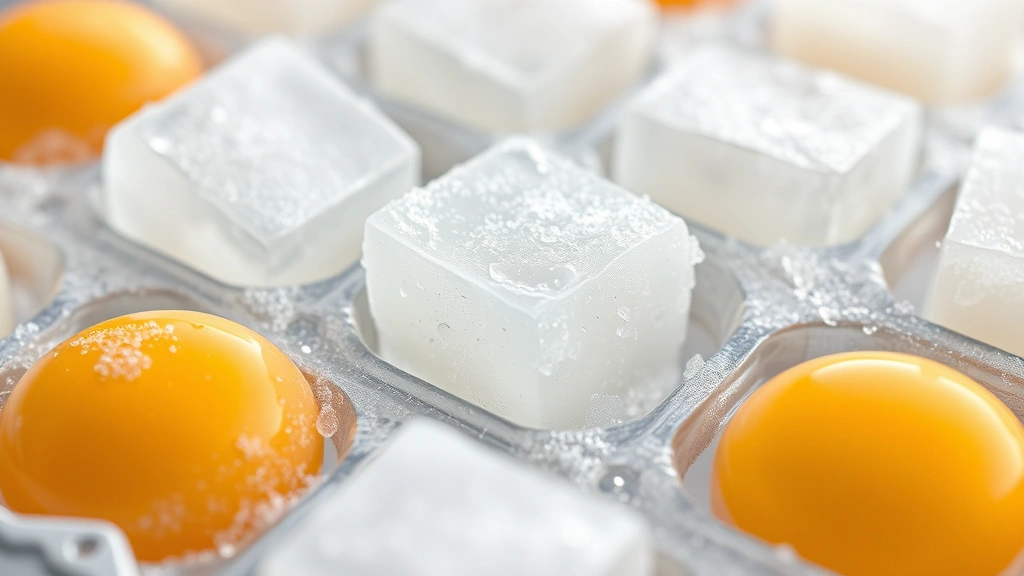
Ice cube tray method: Beat eggs, pour into trays, freeze solid, pop into bags. Cost: free if you have trays. Best for: portion control. Shelf life: 1 year. This is the DIY gold standard—minimal investment, maximum flexibility.
Vacuum seal: Fancy but pricey if you don’t already have a sealer. Cost: $0.10-0.25 per bag plus the sealer investment ($30-100). Best for: serious preppers. Shelf life: 1 year, but better freezer burn protection.
Prep Work Matters
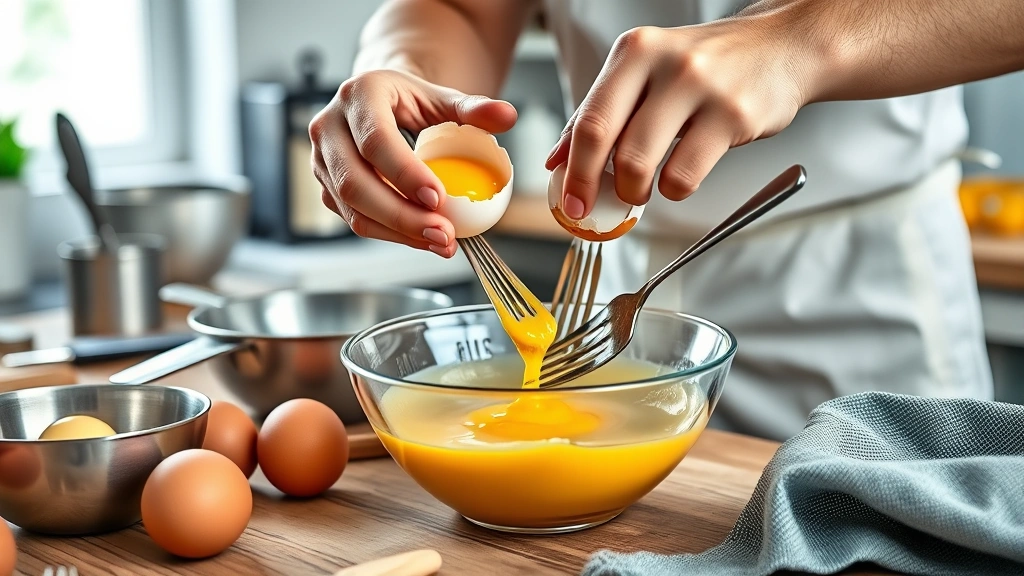
The actual prep is stupid simple, which is why this whole project costs so little. Crack your eggs into a bowl, beat them gently with a fork until combined (don’t whip air into them—that causes texture issues), then pour into your chosen container. That’s it. Takes maybe 5 minutes per dozen.
One pro tip: add a pinch of salt or a touch of sugar before freezing if you’re storing them long-term. The salt prevents yolks from getting grainy (use 1/8 teaspoon per egg), and the sugar does the same thing. This costs literally nothing but prevents a common complaint about thawed eggs. Same concept as keeping apple slices from turning brown—a tiny addition prevents oxidation issues.
Label everything with the date and quantity. Use a permanent marker on the container or bag. This takes 30 seconds and saves you from mystery containers in six months.
Storage Containers Guide
Ice cube trays: Free to $5. Perfect for portioning. One cube ≈ one egg. Transfer frozen cubes to freezer bags for long-term storage. No cost if you reuse what you’ve got.
Plastic freezer containers: $1-3 each. Stackable, reusable, durable. Hold 2-4 cups of beaten egg. Good for families who go through eggs regularly.
Freezer bags: $0.05-0.15 each. Lay flat to freeze, then stack. Space-efficient. Cheapest option per unit. Downside: harder to portion accurately.
Glass containers: $5-15 each. Overkill for eggs, but if you’ve got them, they work fine. Just leave headspace for expansion.
Honest assessment: ice cube trays or cheap freezer bags are your best bet. You’ll spend almost nothing and get excellent results.
Shelf Life Expectations
Frozen eggs last about one year in a standard freezer (0°F or colder). After that, quality degrades—yolks get rubbery, whites get spongy. They’re technically still safe, but the texture suffers enough that you’ll notice.
Real-world: most people use them within 6-8 months anyway. If you’re freezing eggs regularly, you’re rotating stock naturally.
Thawed eggs should be used within 24 hours if you thaw them in the fridge. Don’t leave them at room temperature—treat thawed eggs like fresh eggs in terms of food safety.
Thawing and Using
Thaw frozen eggs overnight in the fridge. One cube (if you used the ice tray method) ≈ one egg. A container of beaten eggs thaws in 12-24 hours depending on size.
Once thawed, they work in virtually any recipe: scrambles, omelets, baking, custards, you name it. The texture is slightly different—yolks are a bit less creamy, whites are slightly less fluffy—but most people don’t notice in finished dishes. Baking is where frozen eggs shine; you’ll never tell the difference.
Pro move: use thawed eggs for quiches, frittatas, and baked goods. Save fresh eggs for dishes where texture really matters, like soft scrambles or custard tarts.
Money Saving Tips
Buy eggs on sale: Stock up when they hit $1.50-2 per dozen and freeze immediately. You’re banking savings.
Use what you’ve got: Reuse containers, ice cube trays, and bags. Your freezer probably has what you need already.
Batch freeze: Do 3-4 dozen at once instead of one at a time. Saves time and keeps your freezer organized.
Skip the fancy equipment: You don’t need a vacuum sealer, special freezer containers, or any gadgets. Bags and trays work perfectly.
Track your inventory: Write down what you’ve got frozen. Prevents waste and keeps you from over-freezing.
If you’re thinking about long-term food storage, check out glutinous rice recipe ideas—rice and eggs together make solid survival food.
Frequently Asked Questions
Can you freeze eggs in their shells?
No. Shells crack as the egg expands when frozen. Always crack them first. This is non-negotiable.
Do frozen eggs taste different?
Slightly. Yolks become a bit grainy, whites a bit rubbery. In baked goods and scrambles, you won’t notice. In dishes where texture matters (soft scrambles, custards), you might. The pinch of salt or sugar before freezing helps.
How long do frozen eggs last?
One year at 0°F or colder. After that, quality declines but they’re still technically safe.
Can you freeze egg whites and yolks separately?
Yes. Whites freeze well and last a year. Yolks need salt or sugar to prevent graininess. Both work great for different recipes.
What’s the cheapest way to freeze eggs?
Ice cube trays (free) or freezer bags ($0.05-0.15 each). No special equipment needed.
Do you need to add anything before freezing?
Not required, but adding 1/8 teaspoon salt per egg (or a touch of sugar) prevents yolks from getting grainy. Costs nothing, prevents headaches.
Can frozen eggs go bad?
Yes. Use within one year. After thawing, use within 24 hours if stored in the fridge. Don’t leave thawed eggs at room temperature.
Final Thoughts
Freezing eggs is the kind of project that seems fancier than it actually is. You’re spending almost nothing—a few dollars at most—for months of egg security. Whether you’re a backyard chicken keeper with a surplus or someone who buys on sale, it’s a no-brainer move.
The actual cost to freeze eggs breaks down to the eggs themselves (maybe $3-5 per dozen) plus minimal container costs if you’re not reusing what you’ve got. Electricity? Negligible. Labor? Five minutes per dozen. The payoff? Peace of mind and eggs whenever you need them.
Start with one batch—grab a dozen eggs, beat them, freeze them in whatever container you’ve got lying around, and see how it goes. You’ll be hooked. Then when you hit a sale or your chickens go crazy with production, you’ll know exactly what to do.
Want to expand your food preservation game? Check out how to cancel audible subscription so you can listen to food preservation podcasts while you work instead. And if you’re building a real pantry, understanding cost-effective storage is everything.
The bottom line: freeze your eggs. It’s cheap, it works, and future-you will be grateful.


