
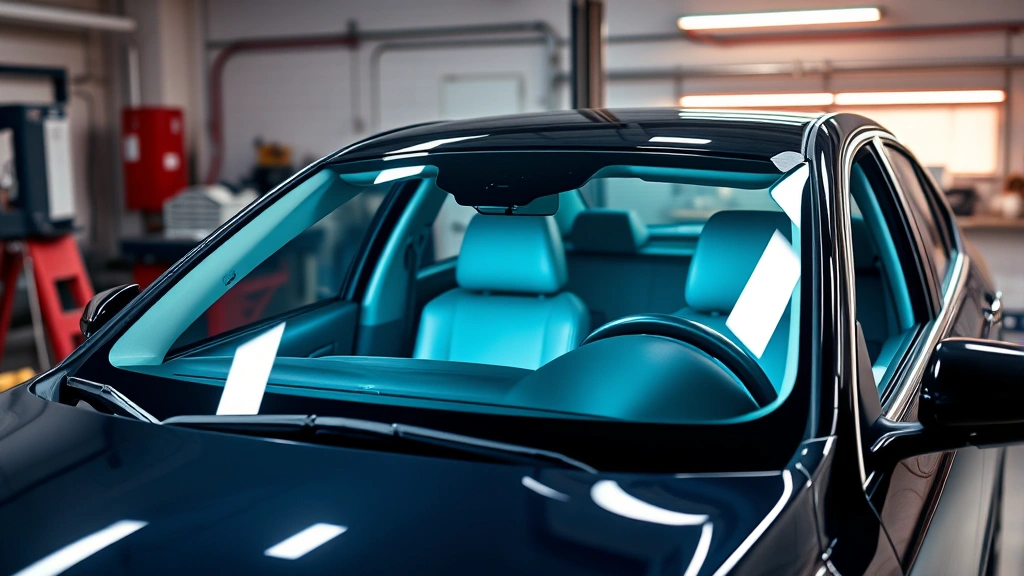
So you’ve got a cracked windshield and you’re wondering how much it is to replace a windshield—yeah, I get it. That’s usually the first question everyone asks before they even schedule an appointment. The answer isn’t exactly straightforward because it depends on a bunch of factors, but I’m here to walk you through the real numbers so you know what to expect when you call around for quotes.
Table of Contents
Cost Breakdown by Vehicle Type
Let’s talk real numbers here. For most standard sedans, you’re looking at anywhere from $200 to $500 for a basic windshield replacement. That’s the ballpark where most people land. But if you’re driving something fancier—luxury vehicles, SUVs with panoramic windshields, or newer models with advanced driver assistance systems (ADAS)—you could be staring at $800 to $1,500 or even higher.
Here’s the thing: a Honda Civic windshield replacement might run you $250-$400, while a BMW or Mercedes could easily hit $1,000-$2,000. The glass itself costs more, the labor is more specialized, and if your vehicle has sensors embedded in the windshield, that adds another layer of complexity and cost. Trucks with large windshields also trend toward the higher end of the spectrum.
Factors That Affect Your Price
Your final bill depends on several moving parts. First, there’s the type of damage. A small chip you can sometimes get repaired for $50-$150, but once that crack spreads across the windshield, you’re into replacement territory. The location matters too—if the damage is near the edge or involves the sensor area, replacement becomes necessary instead of a repair.
Your vehicle’s year, make, and model play a huge role. Newer cars with integrated technology cost more to replace because the windshield itself is more sophisticated. The glass might have a heating element, acoustic properties, or UV filtering built in. Older vehicles? Simpler glass, lower cost. Geographic location also matters—labor rates in urban areas tend to run higher than rural areas, sometimes by $100-$300 per job.
OEM vs Aftermarket Glass
Here’s where you’ve got a choice, and it’s worth understanding. OEM (Original Equipment Manufacturer) glass is made by the same company that supplied your vehicle originally. It’s guaranteed to match your car perfectly, and it typically comes with better warranties. Aftermarket glass is made by third-party manufacturers and usually costs 20-40% less.
The quality difference? Honestly, most aftermarket glass is pretty solid these days. But OEM glass often has better optics and durability. If you’re keeping your vehicle long-term and want the absolute best quality, OEM is worth the extra cash. If you’re just trying to get back on the road affordably, aftermarket does the job fine. Most shops will offer you both options and let you decide.
Labor Costs Explained
Labor typically accounts for 40-60% of your total windshield replacement cost. A straightforward replacement usually takes 1-2 hours, so you’re looking at $100-$300 in labor depending on your location and the shop’s rates. Some places charge a flat rate, others charge hourly.
If your windshield has sensors or advanced features, labor time increases. Recalibrating ADAS systems after replacement can add another hour or two, which means another $150-$300. That’s why you see such variation in quotes—it’s not just about the glass, it’s about what your specific vehicle requires.
Insurance Coverage Options
Here’s the good news: many insurance policies cover windshield replacement under comprehensive coverage, often with little to no deductible. Some policies even waive the deductible entirely for glass claims. Before you pay out of pocket, check your policy or call your insurance agent.
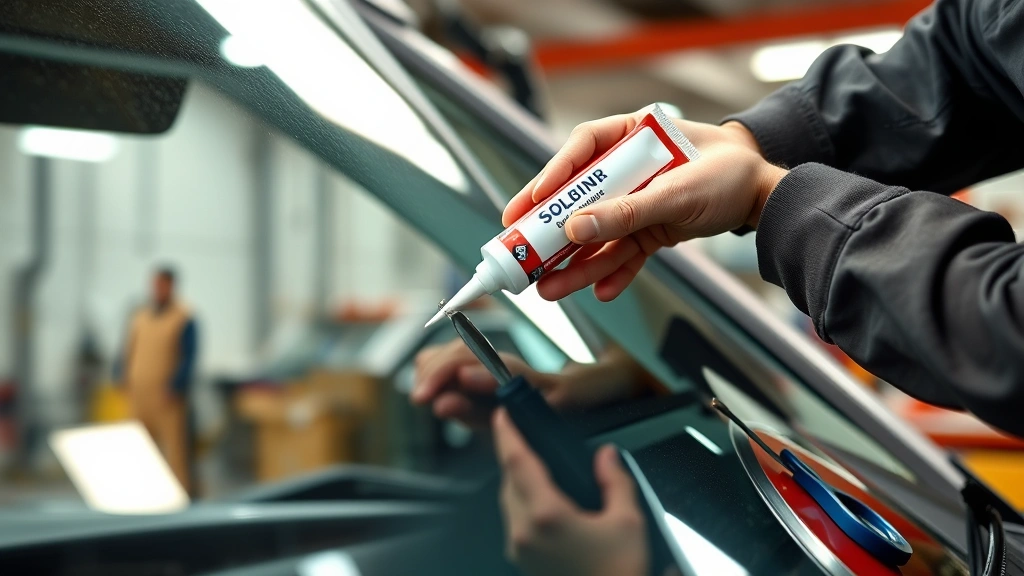
Most insurers work with preferred glass shops, and if you use one of their partners, the claim process is usually seamless. The shop handles the paperwork, you pay your deductible (if any), and you’re done. If you go to an independent shop, you might pay full price upfront and then submit for reimbursement. Filing a glass claim typically doesn’t raise your rates either, so there’s no penalty for using your coverage.
Money-Saving Tips
First, get multiple quotes. Call at least three different shops—prices vary wildly, and you might save $200-$400 just by shopping around. Ask specifically about their labor rates and whether they use OEM or aftermarket glass by default.
Second, check your insurance before paying anything. That deductible waiver could save you hundreds. Third, consider timing—some shops offer discounts during slow seasons or for multiple services. If you need other work done, bundle it and negotiate.
Fourth, ask about warranty. Most shops offer 1-3 year warranties on their work. A shop offering a longer warranty might be worth slightly higher upfront costs. And finally, if you’re handy and have time, some independent shops let you do the installation yourself if you buy the glass from them—though honestly, this isn’t recommended for most people because improper installation can be dangerous.
DIY vs Professional Replacement
Look, I’m all about DIY projects, but windshield replacement isn’t the place to save money by doing it yourself. Here’s why: the windshield is a structural component of your vehicle. It supports the roof, helps with airbag deployment, and provides crucial support during rollovers. A bad installation can compromise safety.
Professional installers have specialized tools, proper training, and insurance. They know how to apply the adhesive correctly, cure it properly, and ensure a watertight seal. They also know how to handle vehicles with sensors and how to recalibrate them afterward. The $100-$200 you might save doing it yourself isn’t worth the risk of leaks, wind noise, or safety issues down the road.
Timeline for Replacement
Most windshield replacements take 1-3 hours from start to finish. You drop your car off, they remove the old windshield, prep the frame, install the new glass, seal it, and let the adhesive cure. Some shops can have you back on the road same-day, though many recommend waiting 24 hours before driving to let the sealant fully cure.
If your vehicle has ADAS sensors, add another 30 minutes to an hour for recalibration. Some shops do this in-house, others send you to a dealer. If you’re in a hurry, ask about their timeline before booking. Mobile services that come to your home or office can be convenient, though they might charge a small travel fee.
Frequently Asked Questions
Can I just repair my windshield instead of replacing it?
If the damage is a small chip or crack (smaller than a dollar bill), repair is possible and costs $50-$150. Once cracks exceed 12 inches or are in the driver’s line of sight, most states require replacement for safety and legal reasons.
Will my insurance cover windshield replacement?
Most comprehensive insurance policies cover windshield replacement with little or no deductible. Check your policy or contact your insurer before paying. Glass claims typically don’t affect your rates.
How long does windshield adhesive take to cure?
Most modern adhesives set in 1-3 hours, but full cure takes 24 hours. Many shops recommend waiting a full day before driving, especially on rough roads. Some adhesives cure faster, so ask your installer about their specific product.
Does a new windshield affect my vehicle’s resale value?
Not negatively. A clean, undamaged windshield is actually a selling point. Buyers prefer vehicles with intact glass because it means no safety concerns and no future repair costs.
What if my windshield cracks again shortly after replacement?
Most shops warranty their work for 1-3 years. If it fails due to installation error, they’ll replace it free. If it’s new damage from road debris, that’s typically not covered under warranty but might be covered by insurance.
Are windshield replacement prices negotiable?
Sometimes. If you’re paying out of pocket, it doesn’t hurt to ask about discounts, especially if you’re getting multiple quotes. Many shops will match competitors’ prices or offer discounts for same-day service or multiple jobs.
Do I need to replace my windshield if it’s just small chips?
Small chips can be repaired affordably. But if you live in a cold climate, chips can spread quickly due to temperature changes. If the chip is in your line of sight or near the edge, replacement is safer than repair.
Final Thoughts on Windshield Replacement
So, how much is it to replace a windshield? Realistically, expect $200-$500 for standard vehicles, $800-$1,500 for luxury or newer models with sensors. The exact price depends on your vehicle, location, glass type, and labor rates. Always get multiple quotes, check your insurance coverage first, and use a reputable professional shop. Your windshield is a safety component, not the place to cut corners. It’s worth paying for quality installation that keeps you and your passengers safe on the road.
If you’re dealing with other vehicle maintenance issues while you’re at it, you might want to check out our guide on how to remove battery corrosion, which is another common car issue worth tackling. And hey, once your windshield is sorted, keep your vehicle maintained properly and you’ll avoid bigger problems down the road.


