

Figuring out how much dry food to feed a cat is one of those things that seems simple until you actually start doing it. Every cat is different—some are couch potatoes, others are zooming around like tiny furry race cars. The amount of kibble your feline friend needs depends on several factors, and getting it right keeps them healthy, energetic, and at a good weight.
Table of Contents
Calorie Basics for Cats
Let’s start with the foundation. Most adult cats need somewhere between 200 to 250 calories per day, though this varies. Your cat’s metabolism isn’t the same as a human’s—they’re obligate carnivores, meaning their bodies are built to process protein and fat efficiently. The calories in dry cat food are concentrated, so you’re not feeding massive portions like you might with wet food.
Here’s the thing: dry kibble is about 10% moisture, while wet food is 70-80% water. That’s why a small cup of dry food packs way more nutrition than it looks like. It’s similar to the difference between fresh fruit and dried fruit—the dried version is more calorie-dense.
Your Cat’s Weight Matters
The most practical starting point is your cat’s current weight. A general rule of thumb is about 10 calories per pound of body weight for an average adult cat. So if your cat weighs 10 pounds, they’d need roughly 100 calories per day. But wait—that’s on the low end. Most vets recommend 200-250 for a typical 10-pound cat, accounting for normal activity.
If your cat is overweight, you might need to adjust downward. If they’re underweight or very active, you might go up. This is where knowing your cat’s individual personality becomes important. A senior cat that sleeps 16 hours a day needs less than a younger cat that hunts toys relentlessly.
Age and Activity Level
Kittens are little eating machines. They’re growing rapidly and burning energy constantly, so they need roughly twice the calories of an adult cat—sometimes 250 calories per day or more, depending on the kitten’s size. Senior cats, on the other hand, often become less active and may need fewer calories to prevent weight gain.
Activity level is huge. An indoor cat that primarily naps needs fewer calories than an indoor cat that plays actively or an outdoor cat that roams and hunts. Some cats are just naturally more energetic. You know your cat—if they’re always pouncing on toys, they probably need more fuel than the cat that watches birds from the window all day.
Reading Kibble Labels
This is where most people get confused. Look at the back of your cat food bag. It’ll say something like “Feed 1/2 to 3/4 cup per day.” That’s the manufacturer’s recommendation, but it’s often a starting point, not gospel. The label should also tell you the calories per cup, which is critical information.
Let’s say your kibble has 400 calories per cup. If you feed 1/2 cup twice daily, that’s 400 calories total—right in the sweet spot for many adult cats. But if the food has 500 calories per cup, that same amount would be 500 calories, which might be too much. This is why reading the label matters more than just following the scoop suggestion.
Different brands have different calorie densities. Premium foods are often more nutrient-dense, so you feed less. Budget brands might require larger portions to hit the same nutritional targets. Neither is necessarily better—it depends on your cat’s needs and your budget.
Portion Control Tips
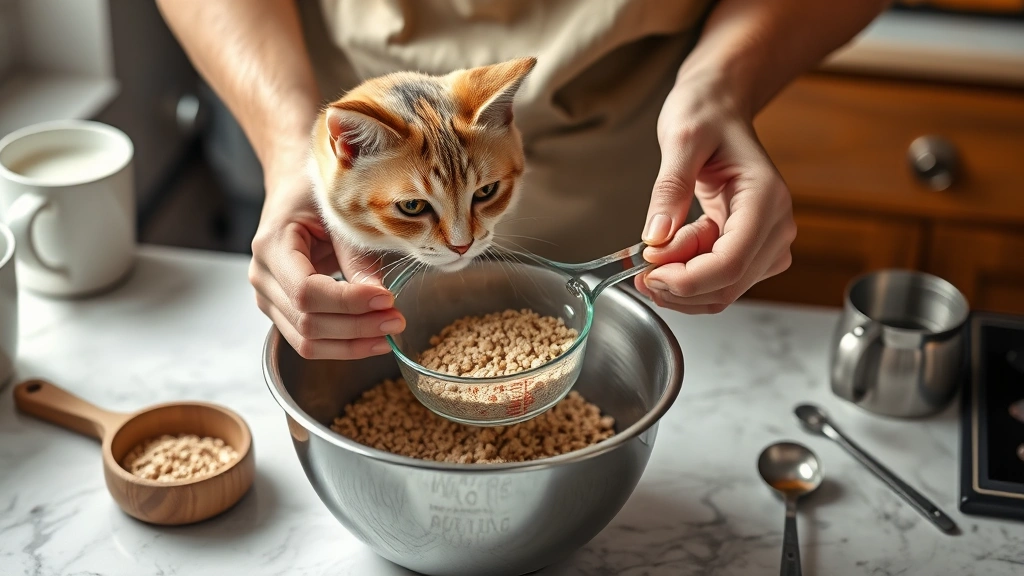
Get yourself a kitchen scale or a proper measuring cup—not a coffee mug or random bowl. Eyeballing portions is how cats end up overweight. A standard measuring cup is 8 ounces, and it’s worth using every single time, at least until you get a feel for proper portions.
Divide the daily amount into meals. Most cats do well with two meals a day—morning and evening. This keeps their metabolism steady and prevents them from getting too hungry and overeating. Some people do three smaller meals, especially for younger or more active cats.
If you’re transitioning from one food to another, mix them gradually over 7-10 days. Start with mostly the old food and slowly increase the new food. This prevents digestive upset and gives you a chance to see how your cat responds to the new kibble.
Setting Up a Schedule
Consistency is your friend here. Cats thrive on routine. Feed them at the same times every day—say, 7 AM and 6 PM. This helps regulate their digestion and makes it easier to monitor if they’re eating normally. If your cat suddenly stops eating or eats way more, you’ll notice it immediately.
Some people free-feed (leaving kibble out all day), but this makes it nearly impossible to control portions and often leads to overweight cats. Scheduled feeding gives you control and helps you catch health issues early. Plus, it’s easier to tell if multiple cats in your household are eating the right amounts.
Leave food down for about 20-30 minutes, then pick up what’s left. This teaches your cat that food appears at specific times, making them less likely to beg constantly.
Signs of Overfeeding
An overweight cat isn’t just cuter—it’s at risk for diabetes, joint problems, and heart disease. Look for these warning signs: you can’t feel their ribs when you gently press their sides, they have no visible waist when viewed from above, they waddle when they walk, or they seem lethargic and uninterested in play.
If your cat is gaining weight steadily, it’s time to cut back portions by 10-15% and see what happens over a month. Cats should lose weight slowly—rapid weight loss can actually cause serious liver problems. Work with your vet on a safe weight loss plan if needed.
On the flip side, if your cat is losing weight or seems constantly hungry, they might need more food. Some cats have higher metabolisms, and some medical conditions increase caloric needs.
When to Check with Your Vet
Your veterinarian is your best resource for your specific cat. They know your cat’s health history, any medical conditions, and can give personalized recommendations. This is especially important if your cat has diabetes, kidney disease, or other conditions that affect nutrition.
If you’re unsure whether your cat is at a healthy weight, ask your vet at the next checkup. They can score your cat’s body condition and suggest appropriate portions. Many vets have feeding guides specific to the brands they recommend.
It’s also worth checking in if you notice sudden changes in appetite or weight, if your cat seems constantly hungry or disinterested in food, or if you’re switching to a new diet. Your vet can rule out underlying health issues.
Frequently Asked Questions
How much dry food should I feed my 10-pound cat?
A typical 10-pound adult cat needs about 200-250 calories daily. If your kibble has 400 calories per cup, that’s roughly 1/2 to 2/3 cup per day, split into two meals. Check your specific food’s calorie content and adjust based on your cat’s activity level and body condition.

Can I free-feed my cat dry food?
Free-feeding often leads to overweight cats because it’s hard to control portions and monitor intake. Scheduled feeding is better for weight management and helps you notice if something’s wrong with your cat’s appetite. If you must free-feed, use a timed feeder that dispenses set amounts.
Should I mix wet and dry food?
Yes, mixing wet and dry food is fine and can be beneficial. Wet food adds moisture to your cat’s diet, which supports kidney health. If you do mix them, count the calories from both and adjust portions accordingly. A typical mix might be 1/3 cup dry plus 3 ounces of wet food per day.
How do I know if I’m feeding too much?
If your cat is gaining weight, has no visible waist, or you can’t feel their ribs, you’re probably overfeeding. Start by reducing portions by 10-15% and monitor weight over a month. Your vet can help determine if your cat is overweight and needs a diet adjustment.
Do kittens need more food than adult cats?
Yes, kittens need roughly twice the calories of adult cats because they’re growing and very active. Feed them 3-4 times daily until about 6 months old, then transition to twice daily. Follow your kitten food’s label and ask your vet for guidance on portions.
What if my cat is always hungry?
Constant hunger can signal several things: you’re underfeeding, the food isn’t nutrient-dense enough, or there’s a medical issue like diabetes or hyperthyroidism. Rule out health problems with your vet first. If it’s just behavior, make sure you’re feeding appropriate portions and consider adding some playtime before meals to tire them out.
Final Thoughts
Getting how much dry food to feed a cat right is about knowing your individual cat, reading labels carefully, and adjusting based on results. Start with the calorie guidelines (200-250 for most adults), check the calories per cup on your food, and measure portions consistently. Watch your cat’s body condition and energy levels, and don’t hesitate to ask your vet for guidance.
Remember, this isn’t set in stone. As your cat ages, their activity changes, or if they develop health issues, their nutritional needs will shift. Regular vet checkups and honest assessment of your cat’s weight keep them healthy and happy for years to come. The effort you put into getting portions right now pays dividends in a healthier, more active cat down the road.
For more information on pet care and household management, check out our guides on how to store dry ice for various uses, or learn about how long to bake chicken legs at 400 if you’re preparing meals for your family. You might also find it helpful to understand how long it takes water to freeze for various kitchen and household tasks.
For authoritative information on cat nutrition, consult resources like Family Handyman for pet care basics, This Old House for home and pet environment tips, or Bob Vila for comprehensive household guides.


