
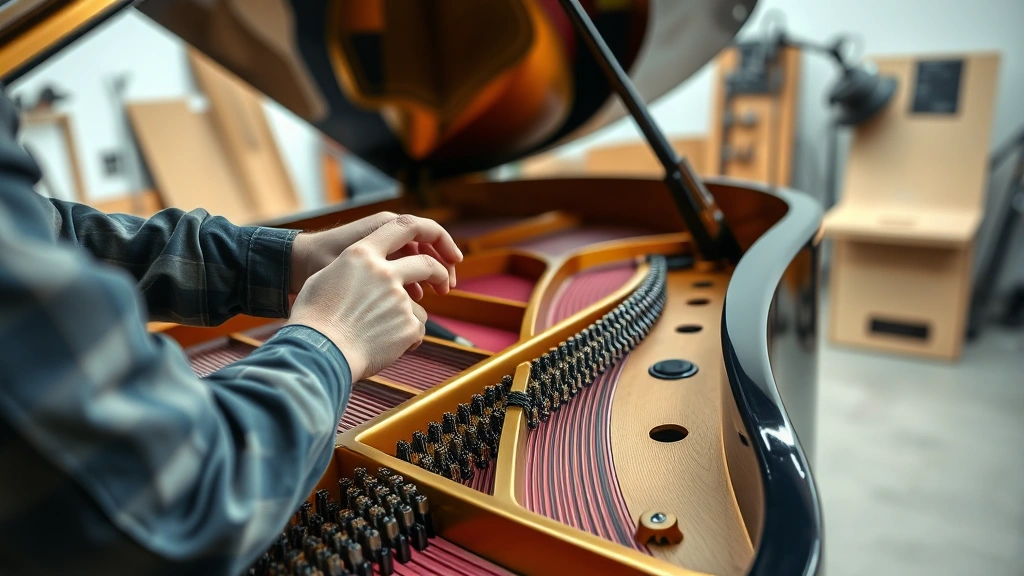
If you’ve got a piano sitting in your living room, you’re probably wondering how much does it cost to tune a piano—and whether you should just DIY it or call in the pros. Here’s the real talk: piano tuning isn’t exactly a weekend project like changing a watch battery, but understanding the costs and what goes into it will help you make a smart decision for your instrument.
Table of Contents
Piano Tuning Costs Breakdown
Let’s cut straight to it: a standard piano tuning typically costs between $100 and $300 in 2024, with the national average sitting around $150 to $200. If your piano is severely out of tune or hasn’t been serviced in years, expect to pay on the higher end or even more. Some technicians charge flat rates, while others bill hourly (usually $75 to $150 per hour), and the actual time needed depends on how badly your piano’s been neglected.
Grand pianos often cost more to tune than upright pianos—sometimes 20-30% extra—because they’re more complex mechanically. Concert grand pianos can run $300 to $500 or beyond. The difference matters because grand pianos have more strings, more intricate action mechanisms, and require more precision work. Think of it like the difference between tuning up a basic sedan versus a sports car: more moving parts mean more expertise required.
Factors Affecting Piano Price
Several variables will push your bill up or down. First, there’s the piano type: grands cost more than uprights. Then there’s condition—a piano that’s been sitting in a damp basement for five years will take longer to tune than one that’s been maintained regularly. Some technicians charge travel fees if you’re outside their service area, typically $25 to $50 each way.
The age and brand of your piano matter too. Vintage Steinways or Yamahas might require specialized knowledge, bumping up the cost. If your piano needs repairs beyond basic tuning—like fixing stuck keys or replacing worn hammers—you’re looking at additional charges. This is where costs can balloon quickly; a simple hammer replacement might run $50 to $200 per hammer, and pianos have 88 keys.
Climate control also plays a role. Pianos in homes without humidity regulation go out of tune faster and require more aggressive tuning work. If your piano lives in a dry climate or near a heating vent, you might need tuning every 4-6 weeks instead of the standard 6-12 months, which adds up fast.
Professional vs DIY Tuning
Here’s where I need to be straight with you: don’t try to tune a piano yourself. I know that sounds like I’m gatekeeping, but piano tuning requires specialized training, a $500+ investment in tools (like a tuning lever, mute kit, and electronic tuner), and years of practice to develop the ear for it. One wrong move can damage your instrument permanently.
Professional piano technicians train for years. They understand the physics of string tension, the mechanics of the action, and how temperature and humidity affect tuning stability. They can diagnose problems you’d never catch. A qualified technician might identify that your piano’s real issue isn’t tuning at all—it’s a stuck damper or worn felts. That’s knowledge you can’t get from a YouTube video.
Think of it like this: you might be able to install metal roofing on your garage with some research and determination, but piano tuning is more like brain surgery. The investment in professional service pays for itself in instrument longevity and sound quality.
How Often Should You Tune
A piano played regularly in a stable home environment should be tuned every 6 to 12 months. Professional musicians and concert halls tune much more frequently—sometimes weekly or monthly. If your piano is in a school, church, or recording studio, expect to budget for tuning every 2-4 weeks during heavy use.
Beginners and casual players can stretch it to once a year if the piano is in a climate-controlled room. However, if you’re in a humid climate or your home has significant temperature swings, you might need tuning every 3-4 months. New pianos (under 5 years old) need more frequent tuning as the wood and strings settle.
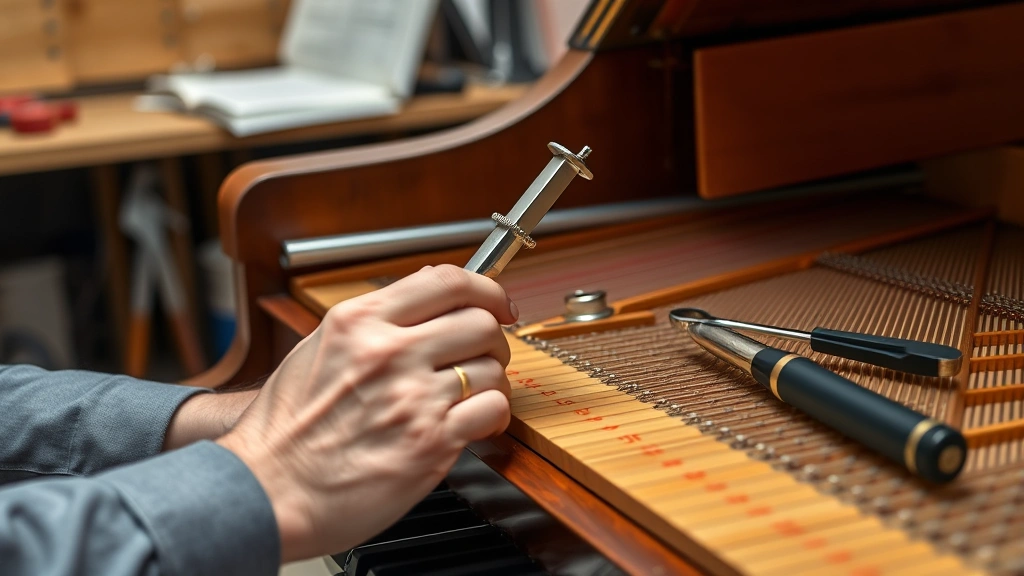
If your piano hasn’t been tuned in over a year, it’s probably way out of tune. A technician might need to do a rough tune first (bringing it to approximate pitch), then a fine tune (precise pitch adjustment). This two-step process takes longer and costs more—sometimes double the standard rate.
Regional Price Variations
Piano tuning costs vary wildly by geography. In major metropolitan areas like New York, Los Angeles, or Chicago, you’ll pay $200 to $400 for a standard tuning. Rural areas and smaller towns might run $75 to $150. The difference reflects local cost of living, travel distances, and the concentration of trained technicians.
Coastal regions and wealthy suburbs typically charge more. If you’re in a rural area with few piano technicians, you might pay a premium because of travel time, or you might struggle to find anyone willing to come out at all. Some regions have piano tuner collectives or guilds that can recommend local professionals and give you a sense of standard pricing.
Additional Services and Costs
Beyond basic tuning, technicians offer other services that add to the bill. Regulation (adjusting the action mechanism so keys respond properly) runs $100 to $300. Voicing (adjusting hammer hardness for tone quality) costs $150 to $400. Cleaning can be $50 to $200 depending on how grimy your piano is.
If your piano needs repairs, costs escalate. A broken string might be $30 to $50 to replace. Replacing felt under the keys (damper felts) could be $100 to $300 per section. A complete action overhaul for a grand piano can run $1,000 to $3,000. These aren’t tuning costs, but they’re often discovered during a tuning appointment.
Some technicians offer package deals: tuning plus regulation for a discounted rate, or a yearly maintenance plan where you pay a flat fee for quarterly tunings. These can save money if you’re committed to regular maintenance.
Finding a Qualified Technician
Not all piano technicians are created equal. Look for someone certified by the Piano Technicians Guild (PTG), which requires rigorous training and continuing education. Check reviews on Google, Yelp, and local Facebook groups. Ask for references and don’t hesitate to call them.
Interview potential technicians before booking. Ask about their experience with your piano’s brand and age. Ask if they’re insured. Get a quote in writing. A professional should be able to give you a ballpark estimate after a quick assessment, though they might adjust it once they start working.
Word of mouth is gold here. If you know other piano owners, ask who they use. Music teachers often have solid connections to technicians. Many areas have piano tuner associations that can point you toward qualified professionals.
Money-Saving Tips
First, maintain your piano properly. Keep it away from direct sunlight, heating vents, and damp areas. Use a humidity control system if you’re in a dry or very humid climate. This reduces the frequency of tuning needed and keeps costs down long-term.
Bundle services. If your piano needs tuning and regulation, ask if the technician will discount the total. Many will. Schedule tunings during off-peak seasons (summer is slower for many technicians) and you might negotiate a better rate.
If you’re buying a used piano, factor tuning and regulation into your purchase price negotiation. A piano that’s been sitting untuned for years will cost more to bring back into shape. Some sellers will tune it before sale; others won’t. Make that part of your decision.
Join a local music community or church. Some institutions negotiate group rates with technicians, and members get discounts. It’s a win-win—the technician gets regular work, you get better pricing.
Frequently Asked Questions
Can I tune my piano myself?
Not realistically. Piano tuning requires specialized tools, training, and a developed ear. DIY attempts can damage your instrument. Leave it to professionals.
How long does a piano tuning take?
A standard tuning takes 1 to 2 hours. If your piano is severely out of tune or needs repairs, add 30 minutes to several hours depending on the work required.
Why is my piano going out of tune so quickly?
Temperature and humidity fluctuations are the main culprits. New pianos also settle during their first year, requiring more frequent tuning. Check your room’s climate control and humidity levels.
Do I need to tune a piano I don’t play?
Even unused pianos should be tuned every 6-12 months. The strings and wood continue to shift, and neglect leads to bigger problems down the road. It’s cheaper to maintain than to repair.
What’s the difference between tuning and regulation?
Tuning adjusts pitch so notes sound correct. Regulation adjusts the mechanical action so keys respond properly and consistently. Both are important for a well-functioning piano.
How much does it cost to restore an old piano?
Full restoration can run $5,000 to $20,000+ depending on the piano’s condition and age. This includes tuning, regulation, repairs, refinishing, and sometimes complete action overhaul. Get multiple quotes before committing.


