
So you’re wondering how much does it cost to paint a house? The answer isn’t as simple as a single number—it depends on your home’s size, the paint quality, labor costs in your area, and whether you’re going DIY or hiring pros. But don’t worry; we’re breaking down everything you need to know to budget accurately for your next painting project.
Table of Contents
Average House Painting Costs
Let’s start with the ballpark figures. For a typical 2,000 square foot home, you’re looking at somewhere between $4,000 and $12,000 for a complete interior and exterior paint job with professional labor included. Interior-only projects typically run $1,500 to $5,000, while exterior work alone ranges from $3,000 to $10,000.
The wide range exists because so many variables affect the final bill. A simple one-color interior refresh in a modest home costs way less than a detailed multi-color exterior job on a Victorian mansion. Most painters charge by the square foot—typically $1 to $3 per square foot for labor alone, with paint costs running another $0.50 to $1.50 per square foot depending on quality.
Key Factors Affecting Price
Several elements directly impact your painting project cost. Square footage is the primary driver—bigger homes need more paint and more labor hours. The number of stories matters too; reaching a second-story exterior wall requires scaffolding or lifts, which adds expense.
Prep work is another critical factor that homeowners often underestimate. If your walls need extensive scraping, patching, sanding, or primer application, that labor time adds up fast. A house with old peeling paint or water damage requires significantly more prep than one with smooth, well-maintained surfaces.
The complexity of your color scheme also influences cost. A single neutral color throughout costs less than an accent wall design or a detailed trim-and-wall color combination. Textured surfaces like popcorn ceilings or stucco require more paint and application time than smooth drywall.
Interior vs. Exterior Painting
Interior painting typically costs less per square foot than exterior work, but not always. Interior jobs move faster because painters don’t battle weather, don’t need as much safety equipment, and can work year-round. You’re looking at $1.50 to $3.50 per square foot for interior labor.
Exterior painting involves more variables. Weather windows matter—painters can’t work in rain or extreme heat. Preparation is more intensive because exterior surfaces accumulate dirt, mildew, and weathering. Exterior labor runs $2 to $4 per square foot, often higher. You might also need pressure washing beforehand, which adds $300 to $800 depending on your home’s size.
Exterior paint itself costs more than interior paint because it needs UV protection, mildew resistance, and superior durability. Premium exterior paint can cost $40 to $70 per gallon compared to $20 to $40 for interior paint.
DIY vs. Professional Labor
Here’s the reality: DIY painting saves labor costs but demands your time and carries risk. If you tackle interior painting yourself, you’re only paying for materials—typically $200 to $800 for a bedroom or $800 to $2,000 for a whole house interior. That’s roughly 25% to 40% of the professional cost.
The catch? Interior painting takes 40 to 80 hours for an average home. Exterior DIY is riskier. You need proper safety equipment, scaffolding or ladder access, and weather-dependent timing. Most homeowners shouldn’t attempt second-story exterior work without professional equipment.
Professional painters work faster because it’s their job. What takes you a weekend takes them a day. They have the right equipment, experience with tricky corners, and guarantee their work. If something goes wrong with a pro’s job, they fix it. If your DIY paint job looks streaky or uneven, you’re repainting it yourself.
Paint Quality Matters
You’ll encounter three paint tiers: budget ($15-25/gallon), mid-range ($30-45/gallon), and premium ($50-80/gallon). Budget paint covers less area, requires more coats, and doesn’t last as long. You might save $100 upfront but spend it repainting in five years.
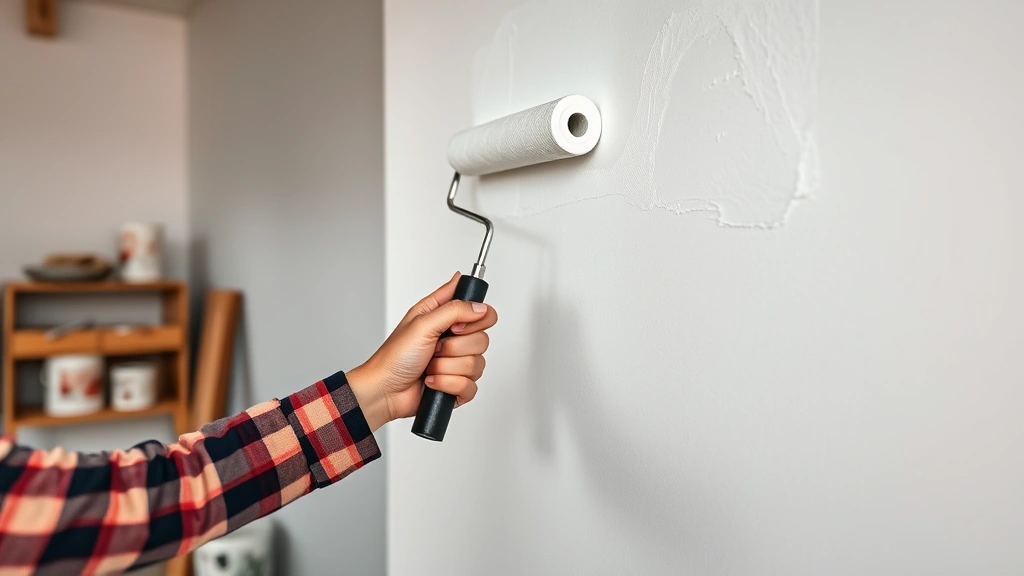
Mid-range paint from brands like Sherwin-Williams ProClassic or Benjamin Moore Aura offers excellent durability and coverage for most homeowners. Premium paints include advanced features like low-VOC formulas, superior stain resistance, and 10+ year durability guarantees.
For exterior work, don’t cheap out. Quality exterior paint resists cracking, peeling, and fading while protecting your home’s siding. The difference between a $30 and $60 gallon exterior paint becomes obvious after three years of weather exposure. Professional painters typically use mid-range to premium paints because they stake their reputation on durability.
Hidden Costs to Watch
Beyond paint and labor, several expenses sneak up on unsuspecting homeowners. Primer is often quoted separately and costs $15 to $35 per gallon. You’ll need it for new drywall, stained areas, or dramatic color changes. Neglecting primer leads to poor coverage and extra paint coats.
Repairs add cost. Water-damaged drywall needs replacement, not just paint. Mold requires remediation before painting. Rotted exterior trim needs replacement. A painter might quote $5,000, then discover $2,000 in hidden damage once prep work begins.
Furniture moving and protection supplies matter for interior work. Professional painters typically charge extra for moving heavy furniture or protecting floors with drop cloths and plastic sheeting. Some painters include this; others charge $200 to $500 extra.
Specialty finishes cost more. Textured walls, faux finishes, or metallic paints require skilled application and premium materials. Trim and ceiling painting often costs extra because it’s more detail-oriented than wall painting.
Regional Pricing Variations
Your location dramatically affects painting costs. Major metropolitan areas like New York, Los Angeles, and San Francisco see painter rates 40% to 60% higher than rural areas. A $2 per square foot labor rate in Kansas might be $3.50 in California.
Cost of living, local competition, and market demand all influence pricing. Wealthy suburbs typically pay more than working-class neighborhoods. Seasonal demand matters too—expect higher rates during spring and summer when painters are busiest.
Call local painters for quotes in your area. Getting three to five estimates reveals your regional market rate. Don’t automatically choose the lowest bid; mid-range quotes usually indicate fair pricing with quality work.
Money-Saving Tips
Want to reduce painting costs? Here are proven strategies. First, do prep work yourself. Scraping, sanding, and filling holes takes time but minimal skill. You’ll save $500 to $1,500 in labor by handling this before the painter arrives.
Move furniture and protect floors yourself instead of paying the painter to do it. Clear rooms completely—painters charge more when navigating around obstacles.
Paint during off-season (fall or winter) for better rates. Painters have fewer jobs and may offer discounts. Avoid peak summer demand when they’re fully booked.
Choose mid-range paint instead of budget or premium. You get excellent durability without premium pricing. Stick with neutral colors that require fewer coats and less primer.
Combine interior and exterior work into one project. Painters often discount when they’re already set up at your home. A $7,000 interior plus $6,000 exterior might cost $12,000 combined instead of $13,000 separate.
Get everything in writing. A detailed contract prevents surprise charges. Specify paint brand, color, number of coats, prep work included, and timeline. This protects both you and the painter.
Final Thoughts
Painting costs vary wildly based on your home’s size, condition, location, and the work scope. A small interior refresh might cost $1,500, while a full house interior and exterior could hit $15,000. The key is understanding what drives costs, getting multiple quotes, and choosing quality over rock-bottom pricing.
Professional painters deliver faster, better results than DIY for most homeowners, especially on exterior work. If you do go the DIY route for interior projects, invest in quality paint and take time with prep work. A well-painted house adds curb appeal and protects your investment—spending appropriately now saves headaches later.
Frequently Asked Questions
How long does house painting take?
Interior painting for a 2,000 square foot home typically takes 3 to 7 days with professional painters, depending on prep work needed and complexity. Exterior work takes 5 to 14 days. DIY projects take significantly longer—expect weekends of work for interior projects.
How many coats of paint do I need?
Most projects need two coats for even coverage. New drywall or dramatic color changes might require primer plus two coats. Quality paint with good coverage might achieve acceptable results with one coat, but two coats is standard for durability and color consistency.
Can I paint in winter?
Most paints require temperatures above 50°F (10°C) for proper application. Winter painting is possible in mild climates but difficult in cold regions. Professional painters often offer off-season discounts for winter work in areas where it’s feasible.
Should I hire a painter or do it myself?
Hire a professional for exterior work, second-story interior ceilings, or if you lack time and patience. DIY works for interior walls and ceilings in accessible areas if you’re detail-oriented and have weekend availability. Factor in your time’s value—professionals often pay for themselves through speed and quality.
What’s included in a painting estimate?
A detailed estimate should include prep work, primer, paint (brand and type), number of coats, labor, materials, timeline, and warranty. Ask what’s NOT included—moving furniture, protecting floors, and repairs might be separate charges.
How do I find a reliable painter?
Get referrals from friends and neighbors, check online reviews on Google and Yelp, verify licensing and insurance, and request references from recent projects. Meet potential painters in person, ask detailed questions, and trust your gut about professionalism.


