
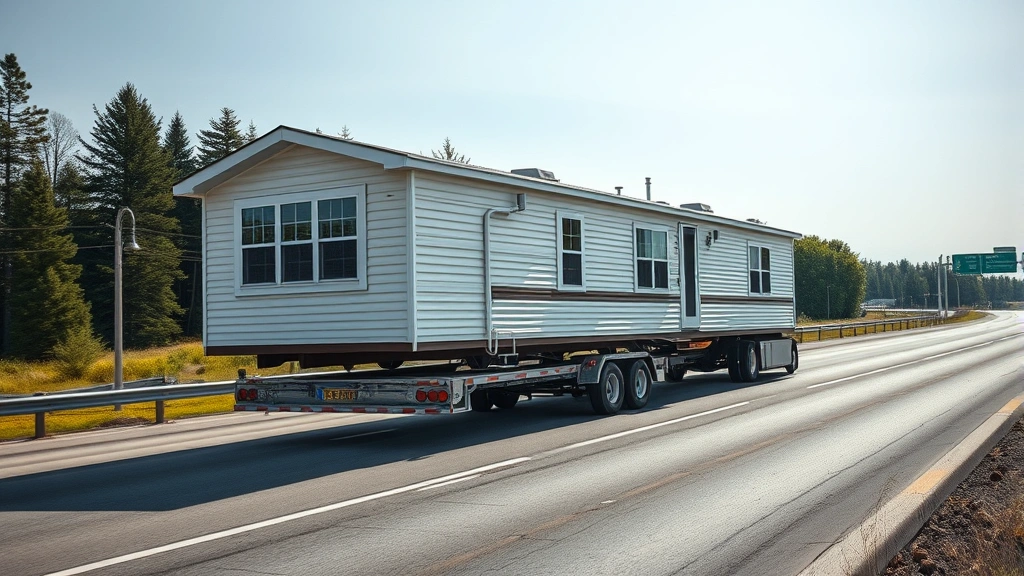
Figuring out how much does it cost to move a mobile home isn’t as straightforward as calling a regular moving company—there’s a lot more involved when you’re relocating an entire manufactured structure. Whether you’re moving across town or across state lines, understanding the breakdown of costs, permits, and logistics will help you budget properly and avoid surprise expenses.
Table of Contents
Distance Determines the Price
The distance you’re moving your mobile home is one of the biggest factors affecting total cost. Moving a manufactured home isn’t like hiring a regular moving truck—specialized haulers charge based on mileage, and the rates vary significantly depending on how far you’re going.
For short moves (under 50 miles), you’re typically looking at $3,000 to $5,000. Medium-distance moves (50-500 miles) run anywhere from $5,000 to $15,000. Long-distance relocations (500+ miles) can easily exceed $20,000 and sometimes reach $30,000 or more. These numbers assume a standard single-wide mobile home; larger units cost proportionally more.
Keep in mind that some movers have minimum charges regardless of distance. A 20-mile move might cost the same as a 40-mile move with certain companies because they’re factoring in setup, travel time, and equipment positioning.
Size and Weight Matter
Your mobile home’s dimensions and weight directly impact moving costs. Single-wide homes (typically 12-14 feet wide, 56-68 feet long) are the most affordable to move because they fit standard highway dimensions. Double-wide homes (24-28 feet wide) require special permits and often need escort vehicles, which adds $1,000-$3,000 to your bill.
Triple-wide units are rare and significantly more expensive to relocate—sometimes requiring road closures and specialized routing. The weight of your home also matters; heavier units require more powerful equipment and may need additional support beams during transport.
A typical single-wide weighs 10,000-15,000 pounds, while a double-wide can weigh 20,000-30,000 pounds. Heavier homes might require reinforced axles and specialized trailers, which movers will charge extra for.
Permit Costs Explained
Permits are non-negotiable when moving a mobile home, and they represent a significant portion of your total expense. Moving permits vary wildly by state and locality—some counties charge a flat fee of $200-$500, while others base fees on the home’s value or assessed weight.
You’ll typically need:
- Transport permits (usually $300-$1,500 per state)
- Route inspection permits
- Utility crossing permits
- County or municipal moving permits
If your route crosses multiple states, you’re paying multiple permit fees. A cross-country move might rack up $2,000-$5,000 in permits alone. Some movers include permit costs in their quotes; others bill them separately. Always ask for clarification upfront.
Foundation and Setup Fees
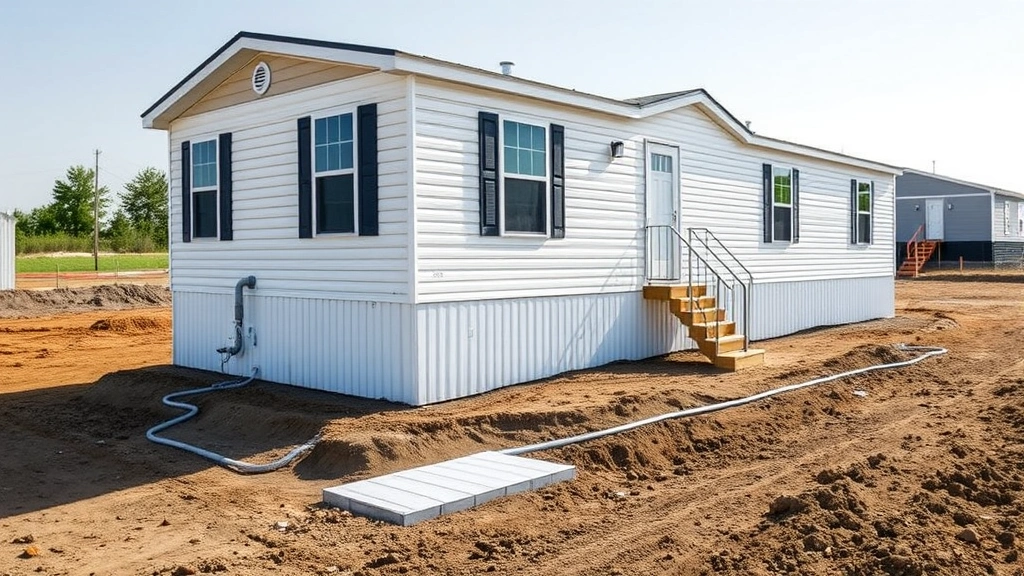
Once your home arrives at the new location, it needs to be properly positioned and leveled on a new foundation. This is where things get expensive if you’re not prepared. Foundation work typically costs $3,000-$12,000, depending on soil conditions, local building codes, and whether you need a concrete slab or pier-and-beam system.
Setup fees usually include:
- Leveling and blocking ($500-$2,000)
- Skirting installation ($1,500-$3,000)
- Deck or steps ($500-$1,500)
- Anchoring and tie-downs ($300-$1,000)
If your new lot has poor soil conditions or requires extensive grading, costs escalate quickly. Some movers offer setup services; others recommend hiring local contractors. Getting separate quotes for foundation work is always smart.

Disconnection and Reconnection
Before your home can move, everything connected to it needs to be safely disconnected. This includes water, sewer, electrical, gas, and HVAC systems. Professional disconnection typically costs $500-$2,000, depending on complexity.
At the new location, reconnection services run $1,000-$3,000 or more. If your new property doesn’t have existing utilities, you might need to run new lines, which adds significant cost. Some utility companies charge connection fees ($200-$500 each), which aren’t included in mover quotes.
Never try to disconnect utilities yourself unless you’re a licensed professional. Mistakes can be dangerous and expensive to fix.
Hidden Expenses to Budget
Beyond the main moving costs, several sneaky expenses catch people off guard. Escort vehicle fees (required for wide loads) run $500-$1,500. If your route requires traffic control or road closures, add another $1,000-$3,000.
Temporary storage might be necessary if there’s a gap between leaving your old location and arriving at the new one—budget $200-$400 per month. Insurance during transport (often required by lenders) costs $500-$1,500 depending on your home’s value.
If your new location requires a new septic system or well, that’s a separate $3,000-$8,000 project. Property surveys might be needed ($300-$500). Lot rent or land lease transfers sometimes involve fees too.
Ways to Save Money
Getting multiple quotes from licensed mobile home movers is essential—prices vary dramatically. Request at least three estimates and compare what’s included. Some movers offer discounts for off-season moves (winter is typically cheaper) or flexible scheduling.
Moving your home during the week instead of weekends sometimes saves money. Combining your move with other local jobs can reduce per-mile costs. Some people negotiate with movers if they’re flexible on exact move dates.
Handling your own disconnection and reconnection work (if you’re qualified) saves $1,500-$5,000. Choosing a new location with existing utilities and proper foundation preparation reduces setup costs. Selling your home where it sits instead of moving it is sometimes more economical—calculate both scenarios before deciding.
Choosing the Right Mover
Always verify that your mobile home mover is licensed, insured, and bonded. Check their credentials with your state’s Department of Transportation and read reviews from previous customers. A cheap quote from an unlicensed operator can turn into a nightmare.
Ask potential movers for references and follow up with them. Understand exactly what’s included in their quote—some include permits and setup, others don’t. Get everything in writing, including timelines, insurance coverage, and what happens if damage occurs during transport.
Professional movers should carry liability insurance ($1 million minimum) and cargo insurance. They should provide a detailed contract specifying move dates, costs, and contingency plans. Don’t sign anything until you’re completely comfortable with the terms.
Frequently Asked Questions
What’s the average cost to move a mobile home?
Most single-wide mobile home moves cost between $5,000-$15,000 for distances under 500 miles. Double-wide homes typically run $10,000-$25,000. Long-distance moves and complex situations can exceed $30,000. Your specific costs depend on distance, home size, permits, and local conditions.
Can I move my mobile home myself?
Technically, you could if you own appropriate equipment and have the expertise, but it’s not recommended. Mobile home transport requires specialized hitches, heavy-duty towing vehicles, escort vehicles for wide loads, and extensive knowledge of regulations. One mistake can cause catastrophic damage. Professional movers carry insurance that protects you if something goes wrong.
Do I need permits to move a mobile home?
Yes, absolutely. Every state and most counties require moving permits. These typically cost $200-$1,500 per jurisdiction. Your mover should handle permit applications, but you’re responsible for costs. Moving without proper permits is illegal and can result in fines or forced relocation.
How long does a mobile home move take?
Actual transport time depends on distance—expect 5-10 hours for 200 miles. However, the entire process including disconnection, permits, transport, and reconnection typically takes 2-4 weeks. Setup and foundation work might extend the timeline another 1-2 weeks.
What affects mobile home moving costs the most?
Distance is the primary cost driver, followed by your home’s size and weight. Permits, foundation conditions, and utility work significantly impact final expenses. Complex moves requiring escort vehicles, road closures, or extensive foundation work cost substantially more.
Is mobile home moving insurance necessary?
If you have a mortgage, your lender likely requires moving insurance. Even without a lender requirement, it’s smart protection. Moving insurance typically costs $500-$1,500 and covers damage during transport. Your homeowner’s policy won’t cover transport-related damage.
Can I negotiate mobile home moving costs?
Yes, especially if you’re flexible on timing. Off-season moves (winter), weekday moves, and flexible scheduling sometimes result in discounts. Getting competitive quotes creates leverage for negotiation. Bundling services (moving plus setup) might save money compared to hiring separate contractors.
Final Thoughts
Moving a mobile home requires careful planning and realistic budgeting. The total cost typically ranges from $8,000-$20,000 for most standard moves, but yours could be higher or lower depending on specific circumstances. Start by getting multiple quotes from licensed movers, understand what’s included in each estimate, and factor in all the hidden expenses we discussed.
Don’t make decisions based solely on price—work with reputable movers who carry proper insurance and licensing. A slightly higher quote from a professional beats a bargain from someone who cuts corners. Plan ahead, get everything in writing, and remember that proper execution during this major relocation protects your investment and ensures your home arrives safely at its new location.
For more information on property improvements after your move, check out our guide on how to install artificial grass to spruce up your new lot. If you’re dealing with electrical issues in your new location, our article on how to remove battery corrosion covers important maintenance topics. You might also find our piece on how to change key fob battery helpful for general maintenance around your property.


