
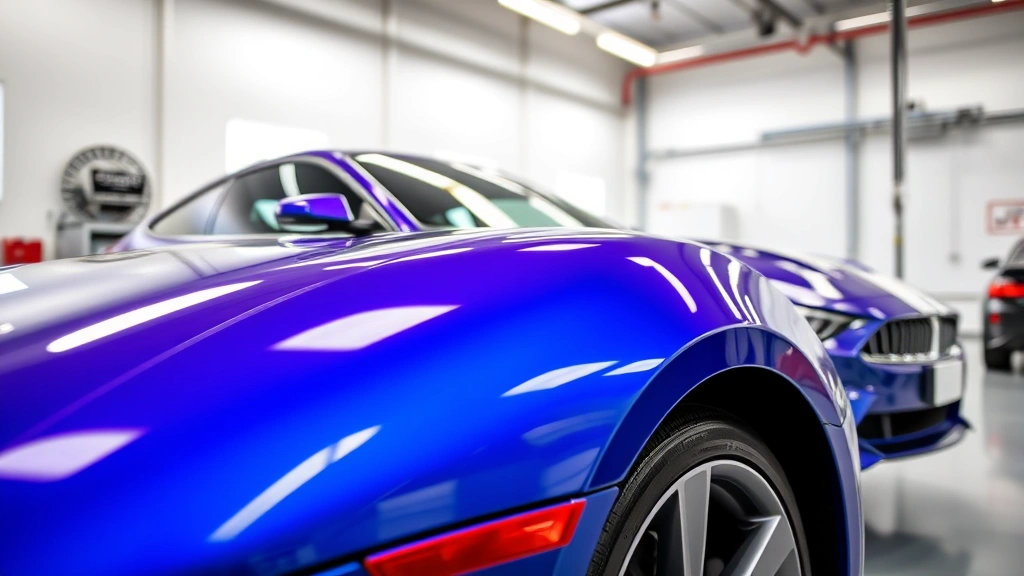
If you’re wondering how much does it cost to paint a car, you’re probably staring at some paint chips or a fender bender and dreading the bill. The truth? Car painting costs range wildly depending on what you actually need done—anywhere from $300 for a basic touch-up to $20,000+ for a full custom job. But don’t let that scare you. I’m going to break down exactly what determines your price tag, what you can realistically expect to pay, and whether DIY is even worth attempting.
Table of Contents
Understanding the Cost Breakdown
When you get a quote from a body shop, you’re paying for three main things: labor, materials, and overhead. Labor typically accounts for 40-50% of your total bill. A skilled painter charges $50-$150 per hour depending on their experience and location. Materials—primer, paint, clear coat, sandpaper, masking tape—run about 20-30% of the cost. The rest covers shop rent, equipment, insurance, and profit margin.
Here’s the reality: a basic single-stage paint job on a small car might take 8-12 hours of labor. That’s $400-$1,800 just in labor before you add materials and shop markup. This is why a “cheap” paint job often looks cheap—the painter rushed through prep work, which is where quality actually lives.
Types of Paint Jobs Explained
Not all paint jobs are created equal. Understanding the difference between types helps you understand pricing.
Spot Repair/Touch-Up ($300-$800): This is for small chips, scratches, or minor damage on one panel. The shop sands the damaged area, applies primer and paint, then blends it with surrounding panels. Quick and affordable, but only works if the damage is truly minor.
Single Panel Repaint ($500-$1,500): One door, fender, or hood gets completely repainted. This involves removing the panel (or masking surrounding areas), sanding to bare metal or existing paint, primer, paint, and clear coat. Blending with adjacent panels is crucial for color matching.
Partial Paint Job ($1,500-$5,000): Multiple panels—say, the entire front end or one side of the car—get repainted. This is common after accidents. More panels mean more labor and materials, but you still avoid the full vehicle cost.
Full Vehicle Repaint ($3,000-$15,000+): Your entire car gets painted. This is the gold standard. The shop removes trim, handles, lights, and sometimes the engine bay. Every surface gets prepped, primed, painted, and clear-coated. This is also where custom colors, metallics, and specialty finishes live.
Factors That Affect Your Price
Your specific situation determines where you land in those ranges. Car size matters. A compact sedan costs less to paint than a full-size truck or SUV—more surface area means more material and labor time. Paint condition is huge. If the existing paint is in good shape, prep work is faster. If rust, dents, or damage requires body work first, costs spike. Many shops won’t even quote painting until they assess what’s underneath.
Paint type and color change the bill significantly. Standard single-stage paint is cheapest. Base coat/clear coat (the modern standard) costs more but looks better and lasts longer. Metallic, pearl, or custom colors require more expensive materials and careful application. A deep red or black? Expect to pay premium prices because these colors show every imperfection and require flawless technique.
Shop reputation and location matter too. A high-end shop in a major metro area charges 2-3x what a small-town shop charges for the same work. That’s not always bad—you might get better quality—but it’s a real factor. According to Family Handyman, choosing the right shop is as important as understanding costs.
Whether you need body work before painting is a game-changer. Dents, creases, or rust require fixing first. A small dent might add $200-$500. Rust repair can easily add $1,000+. Always get a full inspection before committing to a price.
Regional Price Variations
Your zip code heavily influences cost. In rural areas, a full repaint might run $2,500-$4,000. In major cities like Los Angeles, New York, or Chicago, that same job costs $5,000-$8,000. Coastal areas and wealthy suburbs push prices even higher.
This isn’t just about greed—it reflects real differences in overhead. Rent in Manhattan is exponentially higher than in rural Kansas. Skilled painters in competitive markets command higher wages. Insurance and licensing costs more in some states. If you’re in an expensive area, getting quotes from neighboring regions might reveal options worth the drive.
DIY vs Professional Painting
Can you paint your car yourself? Technically, yes. Should you? That depends on your expectations and tolerance for imperfection.
The DIY Reality: Professional painters spend years mastering spray technique, paint mixing, and blending. They work in climate-controlled booths with proper ventilation and lighting. You’re working in your garage or driveway. Even with quality equipment ($500-$2,000 for a decent spray gun and compressor), the learning curve is steep. Your first attempt will likely show brush marks, dust particles, uneven color, or runs.
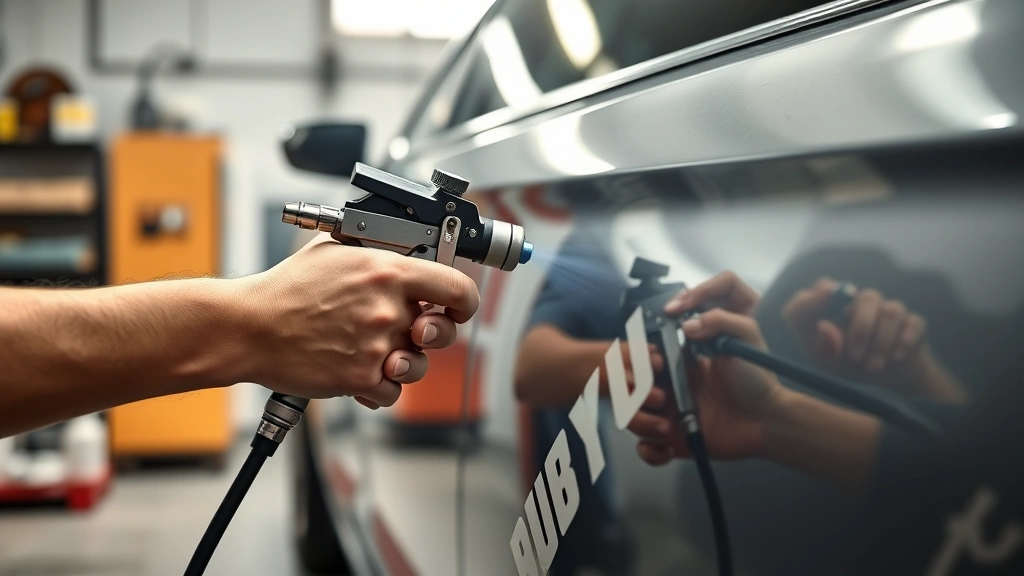
That said, DIY works for specific situations. A single-panel repair on a car you’re planning to sell or drive hard? Go for it. A full show-quality repaint? Professional all the way. If you’re comfortable with a “good enough” result and want the learning experience, DIY can save $2,000-$5,000. You’ll spend $300-$800 on materials and countless hours learning.
The biggest hidden cost: if you mess up, fixing a bad paint job costs more than doing it right the first time. A professional can sand off your work and start over, but that’s expensive and time-consuming.
Money-Saving Strategies
Get multiple quotes. Call at least three shops. Prices vary wildly, and you might find a quality shop at a reasonable price. Don’t just pick the cheapest—ask what’s included. Does the quote cover prep work? Sanding? Clear coat? Blending?
Consider partial jobs. If only one side or the front end is damaged, don’t repaint the whole car. Spot repairs and single-panel jobs save thousands compared to full repaints. This is particularly smart if your car’s other panels are still in decent shape.
Handle prep work yourself. Some shops offer discounts if you remove trim, handles, and lights beforehand. This can save $200-$500 in labor. It’s tedious but straightforward—mostly just unbolting things and labeling where they came from.
Choose standard colors. Metallic, pearl, or custom colors cost 10-20% more. If you’re painting for resale value, stick with factory colors. They’re cheaper and easier to match if future touch-ups are needed.
Accept single-stage paint. It’s cheaper than base coat/clear coat and still looks decent. The trade-off: it doesn’t last as long and shows dirt more easily. For a beater car or temporary fix, it’s fine.
Timing matters. Off-season (winter in many regions) means shops are less busy and might offer discounts. Asking directly about seasonal pricing can save 10-15%.
Warranty and Guarantees
A quality paint job comes with a warranty. Typical coverage is 3-5 years against peeling, cracking, or fading under normal conditions. Some shops offer lifetime warranties on materials (the paint itself) but limited labor coverage.
Read the fine print. Most warranties don’t cover damage from accidents, improper maintenance, or environmental extremes. Parking under trees that drop sap? That’s usually not covered. Rock chips from highway driving? Probably not. But factory defects or application errors? That’s what you’re paying for.
Cheap shops often don’t offer warranties or offer very limited ones. That’s a red flag. If a shop won’t stand behind their work, why should you trust them? According to This Old House, warranties are a sign of professional confidence.
How Long Does It Take
Painting takes time. A spot repair might be done in a day. A single-panel job takes 2-3 days. A full vehicle repaint typically takes 5-10 business days, sometimes longer if the shop is busy or body work is needed.
Why so long? Because rushing is how you get bad results. Here’s the actual timeline for a full repaint:
Day 1-2: Prep and Disassembly – Remove trim, lights, handles, bumpers. Mask everything that shouldn’t be painted. Wash and dry the car thoroughly.
Day 2-3: Sanding and Priming – Sand the entire surface to bare metal or primer. This is where quality is made. Apply primer coats. Let dry.
Day 4-5: Base Coat – Apply paint in multiple thin coats. This is the visible color. Each coat needs drying time between applications.
Day 6-7: Clear Coat – Apply protective clear coat in multiple layers. This protects the paint and gives it shine. More drying time.
Day 8-10: Reassembly and Detailing – Reinstall trim and hardware. Wet sand and buff the clear coat for a smooth finish. Final inspection and cleanup.
Shops often have multiple cars in progress, so your car might sit between stages. Don’t panic—that’s normal. Rushing through drying times ruins paint jobs.
Frequently Asked Questions
What’s included in a paint job quote?
A detailed quote should include prep work (sanding, masking, cleaning), primer, paint application, clear coat, blending with adjacent panels, reassembly, and final detailing. It should specify the paint type and warranty. If anything is unclear, ask. Hidden costs are the enemy of customer satisfaction.
Can I negotiate the price?
Yes, but reasonably. Shops have set labor rates and material costs. You can negotiate on scope—maybe skip certain extras or handle prep work yourself. Asking for a discount on a full repaint is fair game, especially if you’re getting multiple quotes. Expect 5-10% off if you pay cash and don’t need a rental car.
How long does paint last?
Quality paint lasts 10-15 years in good conditions. Factors like sun exposure, weather, and maintenance affect longevity. A car garaged in a mild climate lasts longer than one parked outside in harsh sun or salt air. Clear coat typically fades before base coat fails, which is why older cars look dull even if the paint is structurally sound.
Is cheap paint job worth it?
No. A $1,500 full repaint on a $5,000 car is a red flag. Quality shops have consistent pricing for a reason. Cheap shops cut corners on prep work, use lower-quality materials, or rush application. You end up with paint that peels, fades, or looks uneven within a year. Spend the extra money upfront and avoid the headache.
What if I have rust?
Rust must be addressed before painting. Surface rust (light discoloration) can be sanded and treated. Deep rust with pitting or holes requires metal replacement. This adds $500-$2,000+ depending on severity. Get a professional assessment—don’t assume rust is just cosmetic.
Can I paint over existing paint?
Technically yes, but it’s risky. If the existing paint is in poor condition, new paint will fail too. Proper technique requires sanding to bare metal or at least to a sound primer layer. Painting over bad paint is a shortcut that saves money short-term but fails long-term.
What about ceramic coating after painting?
Ceramic coating ($500-$2,000) is a protective layer applied over clear coat. It makes the car easier to clean and provides UV protection. It’s optional but worth considering if you’re investing in a quality repaint. It extends the life of your paint job and keeps it looking glossy longer. Check out Bob Vila for more on protective coatings.
Final Thoughts
So, how much does it cost to paint a car? Anywhere from $300 to $20,000, depending on what you need. A realistic budget for a quality full repaint is $3,000-$8,000. For partial work or touch-ups, expect $500-$2,500. The key is understanding what you’re paying for—labor, quality materials, proper technique, and warranty protection.
Don’t cheap out on something as visible as your car’s paint. Get multiple quotes, ask detailed questions, and choose a shop with good reviews and warranty coverage. A quality paint job transforms your car’s appearance and protects its resale value. It’s worth doing right the first time.


