
If you’re wondering how much does it cost to PSA grade a card, you’ve landed in the right spot. Whether you’re holding onto a vintage Michael Jordan rookie or a rare Pokémon holographic, getting your cards professionally graded can seriously impact their value and marketability. Let me break down the real numbers, the variables that affect pricing, and whether it’s actually worth your investment.
Table of Contents
PSA Grading Basics Explained
PSA (Professional Sports Authenticators) has been the gold standard in card grading since 1991. They assign a numerical grade from 1-10, with 10 being a perfect card. This grading affects resale value dramatically—a PSA 9 can be worth 5-10 times more than an ungraded version of the same card.
The grading process involves authentication (making sure it’s real), condition assessment, and encapsulation in a tamper-proof holder. That little slab becomes your card’s passport to higher value. But here’s the thing: you’re paying for expertise, reputation, and market recognition. Not all grading services carry equal weight.
Current Pricing Structure 2024
PSA’s pricing depends on card value and desired turnaround time. Here’s what you’re looking at:
Standard Service (30-40 business days): $10-$20 per card for most submissions. Cards valued under $500 typically fall into the $10 tier.
Express Service (15-20 business days): $25-$50 per card. This is where casual collectors usually land.
Rush Service (10 business days): $75-$150 per card. Getting popular here for moderately valuable cards.
Super Express (5-7 business days): $200-$300 per card. This is for serious money.
Walkthrough Service (1-2 business days): $500-$1,000+ per card. You’re basically paying for priority queue access. Reserved for high-value submissions.
These prices scale with card value estimates. If you’re submitting a card valued over $10,000, expect premium pricing. PSA also offers tiered pricing for bulk submissions, which we’ll cover below.
Turnaround Time & Speed Tiers
The faster you want your card graded, the more you pay. This is standard business economics. During peak seasons (holidays, major sports events), even standard service can stretch to 60+ days, so many collectors jump to Express.
Here’s a practical breakdown: if you’re submitting 10 cards at $10 each on Standard, you’re spending $100. Switch those same cards to Express, and you’re at $250-$500. That’s a 150-400% markup for 2-3 weeks faster turnaround.
The real question: does that speed add value? Usually only if you’re flipping cards quickly or trying to catch market momentum. If you’re a long-term collector, Standard service makes financial sense.
Card Value & Condition Factors
PSA’s pricing structure assumes you know your card’s estimated value before submission. This is crucial because underestimating value means you pay too little (and risk underinsurance), while overestimating wastes money on unnecessary premiums.
High-value cards ($1,000+) enter different pricing brackets entirely. A vintage 1952 Mickey Mantle or a PSA 10 Charizard can cost $500-$1,500 just to grade, depending on service level. But here’s the flip side: if that card grades as a 9 or 10, that grading fee becomes negligible against the value increase.
Condition matters enormously. A card with visible wear, creases, or stains might grade 5-6. You need to be honest about this before paying for grading. There’s no point spending $100 on Express service for a card that’s objectively worth $15 after grading.
Bulk Submissions Save Money
Here’s where strategic planning saves real cash. PSA offers volume discounts for bulk submissions. Submit 100+ cards, and per-card costs drop significantly.
Standard pricing example: 5 cards at Standard = $50. But 50 cards at Standard might be $350 instead of $500. That’s 30% savings just by batching submissions.
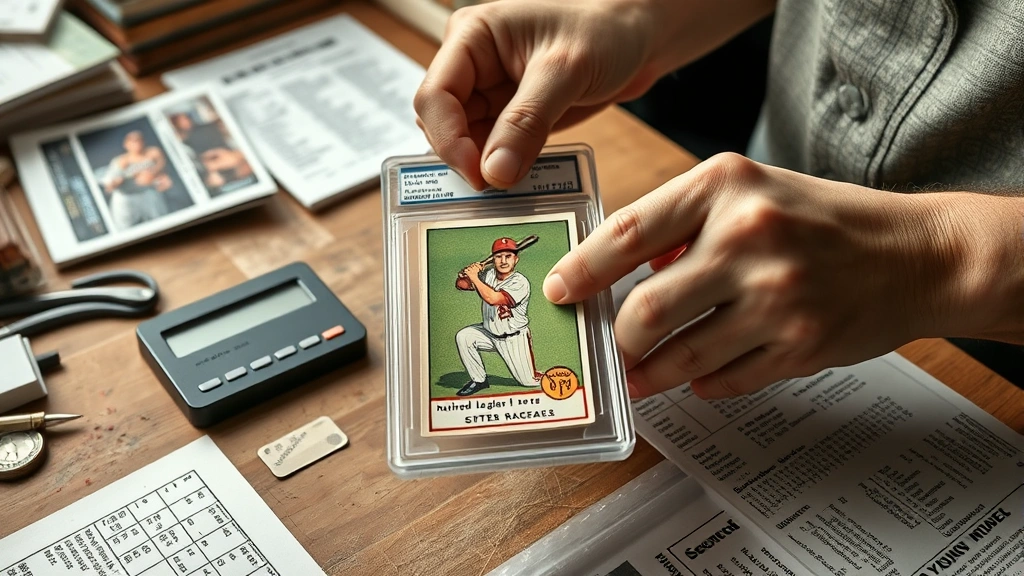
Many serious collectors maintain a “submission list” throughout the year, gathering cards until they hit bulk thresholds. It requires patience, but the math works. You’re essentially spreading the fixed overhead (processing, shipping, handling) across more cards.
Pro tip: coordinate with other collectors if you’re just starting out. Some local card shops organize group submissions quarterly, splitting costs and shipping.
PSA Membership Advantages
PSA offers membership tiers that can reduce grading costs by 10-20% depending on your submission volume. There are free members (get basic discounts) and paid tiers ($99-$499 annually).
The math: if you’re submitting more than 50 cards annually, a paid membership typically pays for itself. A $99 annual membership might save you $150-$300 in grading fees. But if you’re casual (5-10 cards yearly), the free tier is sufficient.
Membership also includes perks like priority customer service, special event access, and sometimes reduced shipping costs. These aren’t huge, but they add up.
Competing Grading Services
PSA isn’t your only option. Beckett Grading Services (BGS/Subgrades) and SGC Grading offer alternatives with different pricing structures.
Beckett: Generally comparable to PSA ($15-$25 for Standard), but their subgrades feature (breaking down centering, corners, edges, surface) adds value for serious collectors. Some prefer BGS slabs aesthetically.
SGC: Historically premium-priced, but they’ve become more competitive. Standard service runs $10-$20, similar to PSA. Their vintage card reputation is strong.
Newer services (CGC, Sportscard Guaranty): Emerging competitors offering $5-$15 grading to undercut PSA. Reputation and market recognition are still building, so cards might not command the same resale premium.
The reality: PSA commands the highest market recognition, so their grading premium is justified. A PSA 8 typically sells for more than a BGS 8 of the same card, even though the condition is equivalent. You’re paying for brand value.
ROI: Is Grading Worth It?
This is the million-dollar question. Let’s do real math.
Scenario 1: Common card (estimated value $30)
Grading cost: $10 (Standard)
Potential value increase: $50-$75 if it grades 8 or 9
Net gain: $40-$65 before taxes/fees
Verdict: Worth it, assuming good condition
Scenario 2: Moderately valuable card ($200 estimate)
Grading cost: $25 (Express)
Potential value increase: $300-$500 if it grades 8 or 9
Net gain: $275-$475
Verdict: Almost always worth it
Scenario 3: Heavily played card ($5 estimate)
Grading cost: $10 (Standard)
Potential value increase: $8-$15 if it somehow grades 6 or 7
Net gain: -$2 to $5
Verdict: Not worth it
The golden rule: only grade cards you believe will grade 7 or higher. Anything lower usually doesn’t justify the cost. Be brutally honest about condition before submitting.
Hidden Costs Nobody Mentions
Beyond the grading fee, several costs lurk in the shadows.
Shipping both ways: You ship to PSA (typically $20-$50 depending on insurance), and they ship back. Budget $40-$100 total for shipping, especially if you’re using tracked, insured methods.
Insurance: PSA requires declared value for insurance. If you’re submitting a $500 card, insurance might add $15-$25 to your submission cost.
Holder upgrades: PSA’s standard holder is fine, but premium holders (like their newer subgrades slabs) cost extra. Usually $5-$15 per card.
Failed authentication: If PSA deems a card counterfeit or altered, you still pay the grading fee but get no slab. This is rare but devastating. Authenticate before submitting valuable cards.
Seller’s fees: If you sell a graded card on eBay or other platforms, you’ll pay 12-15% in fees. That $100 grading cost becomes $115 when you factor in selling fees.
Real example: submit a $300 card on Express ($40 fee) + shipping ($50) + insurance ($20) + return shipping (included) = $110 total cost. Your card needs to increase in value by at least $110 just to break even.
Frequently Asked Questions
Can I grade cards myself?
No. PSA and other professional services have trained experts, specialized equipment, and market credibility you can’t replicate. Self-grading won’t increase resale value. Buyers want third-party authentication.
How long does PSA grading actually take?
Standard service claims 30-40 business days, but during peak seasons, it stretches to 60-90 days. Express is more reliable at 15-20 days. Check PSA’s current wait times on their website before submitting.
Should I grade vintage cards?
Absolutely, if they’re in decent condition. Vintage cards often grade lower (because they’re old), but even a PSA 5 vintage card can be worth 2-3x more than raw. The authentication alone adds value.
What’s the minimum card value to grade?
Technically none, but practically: don’t grade anything under $15-$20 raw value unless it’s sentimental. The grading cost becomes a huge percentage of total value.
Do graded cards always sell faster?
Usually yes. Graded cards are easier to price, reduce buyer risk, and appeal to serious collectors. You might sell 2-3x faster with a grade than raw, though at a premium price.
Can I resubmit if I disagree with the grade?
Yes, but it costs the same as initial grading. Only resubmit if you believe there was a clear error. Most disagreements reflect legitimate condition assessment.
Is PSA 10 worth paying extra for?
PSA 10s command massive premiums, often 5-10x a PSA 9. But they’re extremely rare. Don’t pay extra for a service tier hoping for a 10—grade realistically based on condition.
What cards are worth grading?
Rookie cards, vintage cards, rare cards, and cards with significant monetary value. Modern commons? Skip it. Condition matters—don’t grade damaged cards expecting miracles.
Final Thoughts
How much does it cost to PSA grade a card? Anywhere from $10 to $1,000+, depending on service speed and card value. But the real cost is strategic. Smart grading means submitting cards that will genuinely increase in value, batching submissions for discounts, and choosing appropriate service tiers.
Don’t let FOMO drive you to grade everything. Be selective. A few well-graded cards will outperform a stack of mediocre slabs every time. Calculate ROI before hitting submit, factor in hidden costs, and remember: grading is an investment in value, not a guarantee of it.
Start with Express service for moderately valuable cards, use Standard for bulk submissions, and save the premium tiers for genuinely rare pieces. That’s how experienced collectors approach it, and that’s how you maximize your card portfolio’s potential.


