
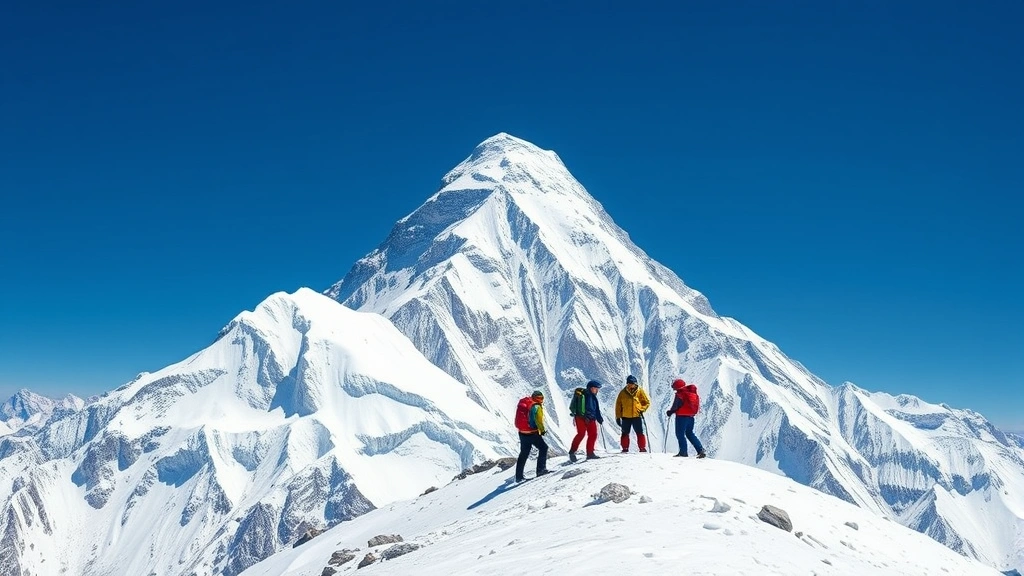
So you’re wondering how much does it cost to climb Mount Everest? Buckle up, because the answer isn’t simple—and it’s definitely not cheap. We’re talking anywhere from $45,000 to over $100,000+ depending on what kind of expedition you’re signing up for. But before you start selling off your gear collection, let’s break down exactly where all that money goes and what you’re actually getting for your investment.
Table of Contents
Guided Expedition Costs Breakdown
Let’s start with the big ticket item: hiring a guide company. Most commercial expeditions run between $45,000 and $85,000, and that’s just for the climbing portion. The major outfitters like International Mountain Guides, Alpine Ascents, and Himex typically charge in this range. What you’re paying for here is expertise, logistics, supplemental oxygen, tents, and the mountain infrastructure that keeps you alive above 26,000 feet.
The cheaper expeditions—usually around $45,000—tend to be more crowded and offer fewer amenities. You’ll be sharing tents, dealing with longer waits at fixed ropes, and getting less personalized attention. The premium outfitters charging $75,000+ offer smaller team sizes, better food, more experienced guides, and generally a higher success rate. Think of it like choosing between economy and business class, except you’re doing it at 29,000 feet where mistakes are fatal.
Permit and Government Fees
Nepal’s government isn’t shy about charging for the privilege of climbing their mountain. The permit alone costs $11,000 for foreign climbers on the south side (Nepal route). If you’re going via Tibet (north side), China charges roughly $7,000-$10,000, but you also need special permits and must book through approved Chinese operators, which adds another $5,000-$10,000 to your costs. These aren’t optional—you literally cannot climb without them.
Beyond the main permit, there are various local fees: Sagarmatha National Park fees, village permits, and taxes that can add another $1,000-$2,000 to your total. It’s annoying, but remember that some of this money theoretically goes toward maintaining trails and supporting local communities.
Gear and Equipment Investment
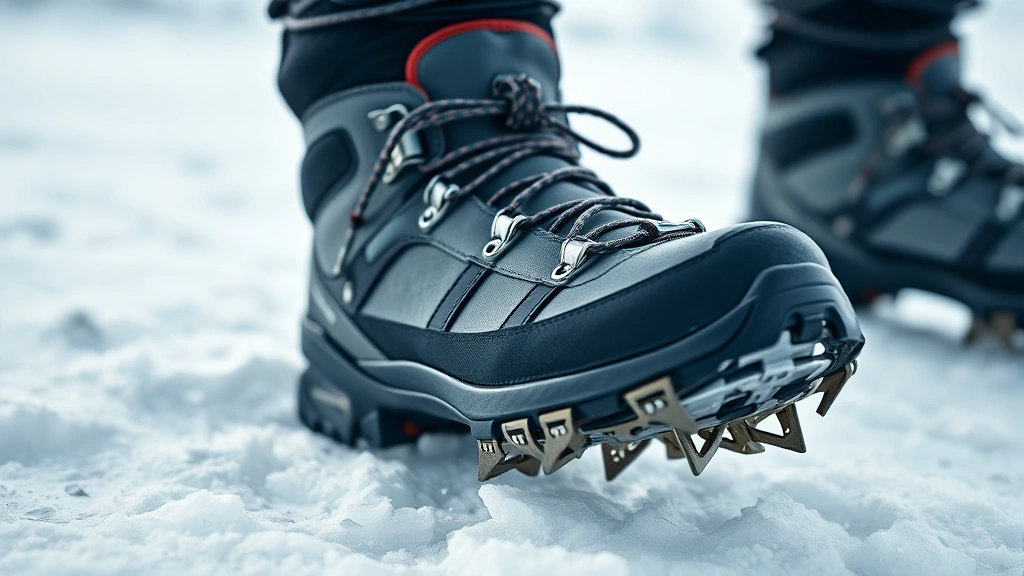
You can’t just throw on your regular winter coat and head up. Everest-grade gear is specialized and expensive. Here’s what you’re looking at: a quality 8000-meter mountaineering boot ($400-$700), insulated down suit ($800-$1,500), quality backpack ($300-$600), sleeping bag rated for -40°F ($500-$1,200), and climbing hardware including ice axes, crampons, and harnesses ($800-$1,500).
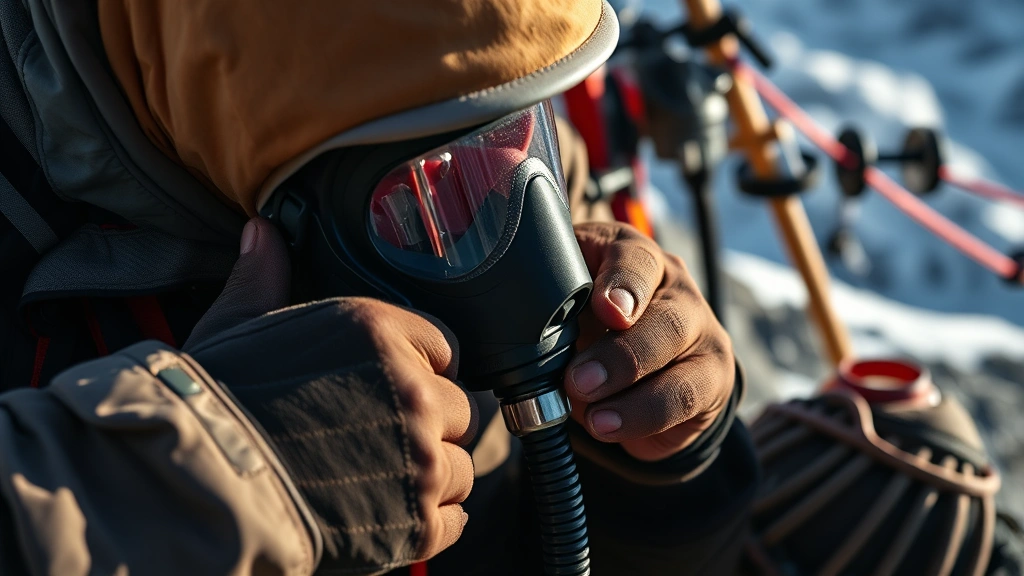
The oxygen system alone—which most climbers use above 26,000 feet—can cost $1,500-$3,000 if you’re buying your own. Many expeditions include this in their package, but not all. Add in a helmet, goggles, layers, gloves (you’ll need multiple pairs), and miscellaneous accessories, and you’re easily looking at $5,000-$8,000 in gear if you’re starting from scratch. If you already own some mountaineering equipment, you can trim this down, but don’t cheap out on critical items—your life literally depends on this stuff working.
Training and Preparation Expenses
You can’t just wake up and climb Everest. Most climbers spend 6-12 months training, and that costs money. Gym memberships ($50-$150/month), personal training sessions ($50-$150 per session), and climbing gym passes ($15-$30 per visit) add up. Many serious climbers do acclimatization climbs beforehand—places like Kilimanjaro ($1,500-$3,000), Elbrus ($2,000-$4,000), or Aconcagua ($3,000-$5,000).
These prep climbs aren’t just good training; they’re essential for understanding how your body handles altitude. Skipping them significantly increases your risk of altitude sickness and failure. Budget another $2,000-$5,000 for acclimatization training climbs if you’re serious about summiting.
Travel and Logistics Costs
Getting to Mount Everest isn’t like flying to Denver. You need flights to Kathmandu (typically $800-$1,500 from the US), then a domestic flight to Lukla ($200-$400). The trek to Base Camp takes 5-7 days and requires porters, guides, and lodging ($1,500-$3,000). Some expeditions include this in their package; others don’t.
If you’re coming from outside North America, international flights could be $1,200-$2,500. Add in pre-expedition acclimatization days in Kathmandu, travel insurance, and miscellaneous transportation, and you’re looking at another $3,000-$5,000 just to get to Base Camp. This is often overlooked in cost calculations, but it’s very real money.
Hidden Costs Nobody Mentions
This is where most climbers get surprised. First, there’s the cost of failure. If you don’t summit on your first attempt, many companies offer discounts on future expeditions, but you might still need to pay for another full expedition ($45,000+). Some climbers go twice or three times before succeeding.
Then there’s the medical stuff. Evacuation insurance is critical—a helicopter rescue from Everest can cost $30,000-$100,000. Make sure your travel insurance covers high-altitude mountaineering (most standard policies don’t). Post-climb medical issues from altitude sickness, frostbite, or other injuries can add thousands in treatment costs.
Don’t forget about time off work. Most expeditions take 6-8 weeks total (including approach and descent). If you’re taking unpaid leave, that’s a massive hidden cost. Some climbers lose their jobs or take significant income hits. There’s also the psychological cost of obsessing over this for a year—therapy might be cheaper than the mountain itself.
Budget vs Premium Expeditions
Want the cheapest possible route? You might find expeditions for $35,000-$45,000, usually operated by smaller companies or those willing to cut corners. These typically have larger group sizes (15-20+ climbers), less experienced guides, minimal supplemental services, and higher failure rates. Success rates on budget expeditions hover around 30-40%.
Premium expeditions at $75,000-$100,000+ offer smaller groups (4-8 climbers), more experienced guides, better meals, more oxygen, and comprehensive support. Success rates can reach 50-60% on these expeditions. The difference between a $50,000 expedition and a $80,000 expedition often comes down to group size, guide experience, and logistics quality—factors that directly impact your chances of summiting and surviving.
Money-Saving Tips for Climbers
Okay, so how do you actually afford this? First, start saving early and set up a dedicated fund. Second, consider climbing with less expensive operators on the Tibet side (though this requires more logistical planning). Third, buy used gear when possible—many climbers sell equipment after their expedition, and quality mountaineering gear holds up well.
Fourth, train locally instead of doing expensive acclimatization climbs. Climbing local peaks and doing serious gym training can partially substitute for Kilimanjaro, though nothing truly replaces high-altitude experience. Fifth, negotiate with expedition companies—many will discount if you book early or commit to a specific date. Some also offer payment plans, though they’ll charge interest.
Sixth, consider sponsorships or fundraising. Many climbers do charity climbs where supporters donate money. It’s a legitimate way to offset costs, though it requires significant effort. Seventh, combine your Everest climb with other mountains—some companies offer multi-peak packages that cost less than booking separately.
Insurance and Medical Coverage
Standard travel insurance won’t touch mountaineering above certain altitudes. You need specialized high-altitude mountaineering insurance, which typically costs $1,000-$3,000 for an Everest expedition. This should cover evacuation, rescue, and medical treatment. Don’t skip this—a single emergency can bankrupt you without it.
Many expedition companies require proof of insurance before you climb. Some include basic coverage in their package, but read the fine print carefully. Medical costs for altitude-related illnesses, frostbite treatment, or other climbing injuries can easily exceed $10,000-$50,000 without insurance. This is non-negotiable spending.
Frequently Asked Questions
Can you climb Everest for under $30,000?
Technically, yes, but it’s extremely risky. Some expeditions advertise rates around $30,000, but these are often operated by inexperienced companies or require you to arrange your own logistics. You’d still need to add permit costs ($11,000), gear ($5,000-$8,000), and travel ($3,000-$5,000), pushing you back over $45,000. The ultra-budget options have significantly higher failure and casualty rates.
Does the guide company price include everything?
Not always. Read the fine print carefully. Most include the permit, guides, tents, meals at Base Camp, supplemental oxygen, and logistics. Many do NOT include your personal gear, flights, travel insurance, acclimatization climbs, or pre-expedition training. Ask specifically what’s included and what’s not before committing.
Is it cheaper to climb from the Tibet side?
The permit is cheaper ($7,000-$10,000 vs $11,000), but you must book through a Chinese operator, which often charges more overall. The total expedition cost is usually similar or slightly higher on the Tibet side. The real advantage is fewer climbers and potentially better weather windows, not cost savings.
What’s the average total cost including everything?
A realistic total budget for a first-time climber is $60,000-$100,000 when you include the guided expedition ($50,000), permit ($11,000), gear ($5,000-$8,000), travel ($3,000-$5,000), training/acclimatization ($2,000-$5,000), and insurance ($1,000-$3,000). Many climbers spend closer to $80,000-$100,000 once they factor in everything.
Can you climb Everest without a guide?
Legally, you need a permit, which requires booking through an authorized operator. You cannot climb independently. However, you could theoretically hire a private guide instead of using a commercial expedition company, which might save money—but this is risky and not recommended unless you have serious mountaineering experience.
Do expedition companies offer refunds if you don’t summit?
Generally no, though some offer discounts on future expeditions. The company still provides all services, guides, logistics, and support whether you summit or not. Weather, illness, or personal decisions to turn back don’t entitle you to a refund. This is why trip insurance is important.


