
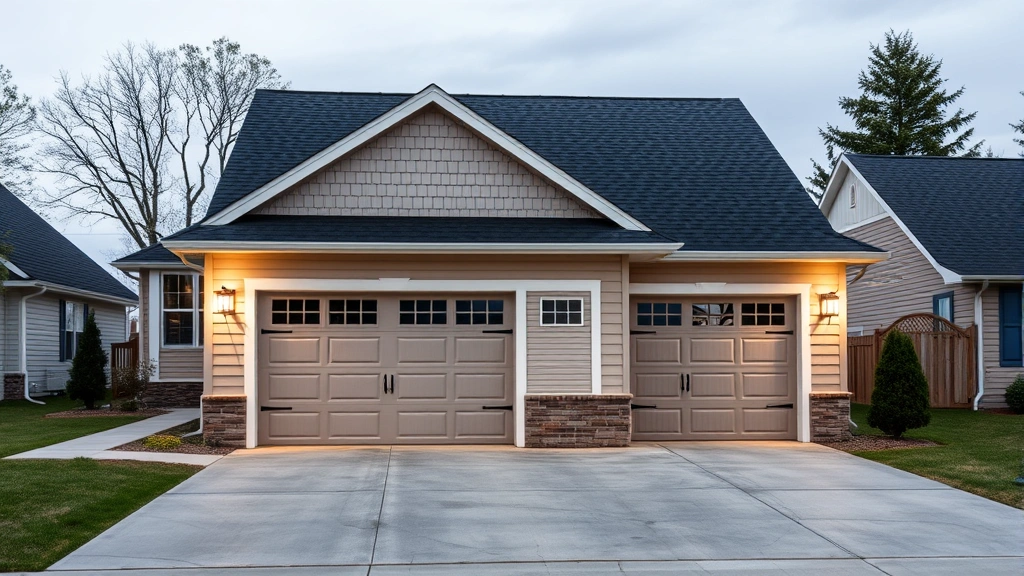
So you’re wondering how much does it cost to build a garage? The short answer: anywhere from $3,000 to $40,000+, depending on what you’re actually building. But let’s dig into the real numbers, because garage costs vary wildly based on size, materials, whether you’re DIY-ing it or hiring pros, and what your local building codes demand.
Table of Contents
Garage Size Matters Most
The biggest factor determining your garage cost is square footage. A single-car garage runs roughly 12×20 feet (240 sq ft), a two-car setup is typically 20×20 feet (400 sq ft), and three-car garages hit around 30×20 feet (600 sq ft). Here’s the breakdown:
Single-car garage: $3,000–$7,000 for a basic build, $8,000–$15,000 if you want it finished nicely.
Two-car garage: $6,000–$15,000 for no-frills construction, $15,000–$30,000 for a polished final product.
Three-car garage: $10,000–$20,000 basic, $25,000–$40,000+ if you’re adding insulation, climate control, or workshop space.
These are ballpark figures for 2025. Your actual costs depend heavily on your region. Building in rural areas costs less than suburban neighborhoods, which cost less than urban zones. Labor rates, material availability, and local demand all play a role.
Foundation Costs Add Up
You can’t skip the foundation—it’s literally what everything else sits on. A concrete slab is the most common choice for garages, and it’ll run you $1,200–$3,000 depending on soil conditions and drainage requirements.
If your ground is unstable or you’re in a frost-prone area, you might need a deeper foundation with footings, which bumps costs to $2,000–$5,000. Some builders recommend a gravel base layer first, adding another $200–$500.
Pro tip: Get a soil test done before pouring. It costs $300–$500 but saves you from expensive foundation problems later. A poorly prepared base can crack, settle unevenly, and create headaches that cost thousands to fix.
Framing and Walls Breakdown
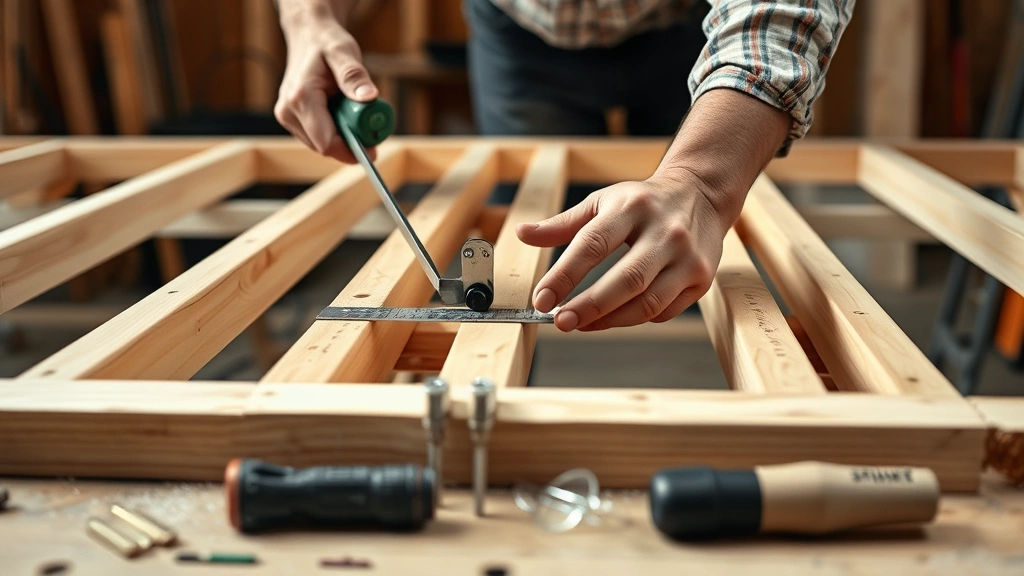
Framing is where your garage takes shape. Standard wood framing with 2×4 studs and basic wall sheathing runs $1,500–$3,500 for a two-car garage. If you want stronger walls or plan to insulate (which you should in cold climates), add $1,000–$2,000.
Metal stud framing is gaining popularity—it’s lighter, won’t rot, and costs about the same as wood. The real expense comes with exterior sheathing. Plywood sheathing is budget-friendly at $600–$1,200, but if you want OSB or Hardie board for durability, expect $1,000–$2,000.
Wall covering choices matter too. A basic garage might just have exposed studs or cheap siding. A finished garage with vinyl siding, brick veneer, or composite materials will cost $2,000–$5,000 for the exterior alone.
Roofing Expenses Explained
Roofing typically accounts for 10–15% of your total garage cost. A simple gable roof with basic asphalt shingles runs $1,500–$3,000 for a two-car garage. Trusses, sheathing, underlayment, and labor are all included in that range.
Want something fancier? A hip roof (more complex angles) costs $2,000–$4,000. Metal roofing, which lasts longer and handles snow better, runs $3,000–$6,000 but will outlast asphalt by 20+ years.
Ventilation matters if you’re storing vehicles or equipment. A simple soffit and ridge vent system adds $300–$600. If you want powered ventilation or want to maintain your vehicle properly, factor in $500–$1,500 for a quality exhaust fan system.
Doors and Windows Investment
Garage doors are one of the most visible elements, and prices vary dramatically. A basic single-car garage door costs $300–$800. A two-car door runs $500–$1,500. If you want insulated doors (smart for temperature control), add $200–$500 per door.
Don’t forget the opener. A reliable chain-drive opener costs $150–$400, while belt-drive or screw-drive models run $300–$800. These quieter options are worth it if your garage is near living spaces.
Windows are optional but nice for natural light. Each window costs $150–$400 installed. Most garages have 1–4 windows depending on size and design. Skylights add $300–$800 each but really brighten the space.
Electrical and Plumbing Work
Basic electrical—a few outlets and a light fixture—costs $500–$1,500. If you want a proper workshop setup with multiple circuits, tool outlets, and LED lighting, budget $1,500–$3,000.
A garage door opener needs its own circuit, which your electrician should include. If you’re planning EV charging (increasingly common), add $1,500–$2,500 for a Level 2 charger installation.
Plumbing is less common but useful. A simple drain in the floor for washing vehicles costs $300–$800. If you want a sink or compressed air line, add $500–$1,500 per fixture.
Here’s a practical tip: run conduit and rough-in electrical before closing walls. It’s cheaper than retrofitting later, and you’ll thank yourself when you want to add circuits or work on vehicle maintenance projects.
Finishing Touches and Details
A bare garage is functional but rough. Drywall, flooring, and paint transform it into a real space. Drywall for a two-car garage runs $800–$1,500. Painting costs $500–$1,200.
Flooring options vary wildly. Sealed concrete is cheapest at $200–$500. Epoxy coating (looks sharp, protects concrete) costs $800–$2,000. Interlocking tiles or rubber mats run $1,000–$3,000.
Insulation is worth considering. Fiberglass batts cost $400–$800, spray foam runs $1,000–$2,500. Good insulation keeps your garage usable year-round and protects stored items from temperature swings.
DIY vs. Hiring Contractors
This is where you can save serious money—or spend more if you make mistakes. A completely DIY garage build can cut costs by 40–50% if you’re skilled. You handle framing, roofing, and finishing yourself.
The catch? You need tools, knowledge, and time. Renting equipment adds up fast. A concrete mixer, power tools, and scaffolding can cost $1,000–$2,000 to rent for the project duration.
A hybrid approach works well: DIY the demolition, framing, and finishing, but hire professionals for foundation work, roofing, and electrical. This splits the difference—you save 20–30% while avoiding costly mistakes in critical areas.
Contractor costs vary by region. Rural areas might charge $40–$60/hour for skilled labor. Urban areas hit $75–$150/hour. A two-car garage typically needs 200–400 labor hours, so that’s $8,000–$60,000 just for labor depending on location and complexity.
Permits and Building Codes
Don’t skip permits—they protect you legally and ensure your garage is safe. Permit costs range from $200–$1,000 depending on your jurisdiction and garage size. Some areas charge a percentage of the project cost (typically 1–3%).
Building inspections happen at foundation, framing, and final stages. Each inspection costs $50–$200. Your local building department has specific requirements for setbacks (distance from property lines), height limits, and structural standards.
Zoning laws matter too. Some neighborhoods restrict garage size or location. Check before you build—moving a partially constructed garage is expensive and frustrating.
Cost-Saving Strategies That Work
Buy materials in bulk. If you’re building a garage, lumber and shingles cost less when purchased together. Get quotes from multiple suppliers.
Build smaller initially. A 20×20 two-car garage costs less than a 30×20 three-car. You can always expand later.
Choose simple designs. A basic rectangular gable roof is cheaper than complex hip roofs or cathedral ceilings. Stick with standard dimensions that minimize waste.
DIY what you can. Demolition, framing, and painting are learnable skills. Save contractors for electrical, plumbing, and foundation work.
Time your build wisely. Winter and early spring are slower seasons—contractors might offer discounts. Avoid summer peak season if possible.
Use local materials. Shipping costs inflate prices. Buy what’s available locally.
Plan for the future. Run extra electrical conduit and water lines before closing walls. It’s cheap now, expensive later.
Frequently Asked Questions
Can I build a garage for under $5,000?
Yes, but it’ll be bare-bones. A single-car pole barn or open-sided structure can hit that price. A fully enclosed, weathertight garage with doors and basic finishing runs $6,000–$8,000 minimum for a single car. You’ll likely DIY most of the work.
What’s the cheapest garage type?
Pole barns or post-frame garages are cheapest—no foundation required, just posts in the ground. They cost 30–40% less than traditional stick-built garages. Trade-off: they’re less finished-looking and don’t provide the same protection.
Should I insulate my garage?
If you live somewhere cold or plan to spend time working there, absolutely. Insulation costs $1,000–$2,500 but keeps the space usable in winter and protects your vehicles and tools from temperature swings. In mild climates, it’s optional.
How long does a garage build take?
A simple single-car garage takes 4–8 weeks with a contractor working full-time. A two-car garage might take 8–12 weeks. DIY projects take 2–3 times longer because you’re working weekends and evenings.
Do I need permits for a garage?
Yes, in almost every jurisdiction. Building without permits risks fines, difficulty selling your home, and insurance issues. Always get permits—they’re not optional, even for small structures. Check Family Handyman’s comprehensive garage building guide for permit details specific to your area.
What’s the ROI on a new garage?
You’ll recoup 50–70% of your investment when you sell your home. A $15,000 garage might add $8,000–$10,000 to your home’s value. It’s not a money-maker, but it increases functionality and appeal—especially in areas where garages are expected.
Can I build a garage myself?
If you have construction experience, yes. Foundation and roofing are the trickiest parts. Many people hire professionals for those and DIY the rest. Check This Old House and Bob Vila for detailed how-to guides before starting.
Final Thoughts on Garage Costs
Building a garage is a significant investment, but it adds real value to your property and lifestyle. The $3,000–$40,000 range reflects the huge variation in size, quality, and location. A basic single-car garage in a rural area might cost $5,000. A finished three-car garage in the suburbs could easily hit $30,000.
Start by defining what you actually need. Do you want climate control? A workspace? Just vehicle storage? Once you know that, get quotes from local contractors, check building codes, and decide what you can DIY. Most people find a hybrid approach—hiring pros for specialized work and handling the rest themselves—gives the best value.
Don’t cheap out on the foundation or roof. Those are expensive to fix later. Invest there, cut costs on finishing touches, and you’ll have a garage that lasts decades.


