
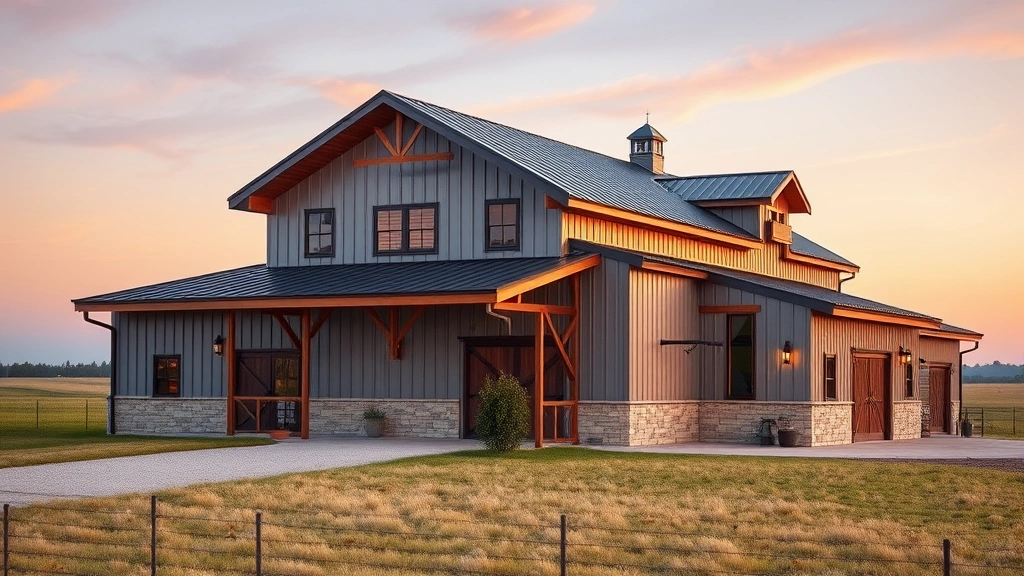
So you’re thinking about how much does it cost to build a barndominium—and honestly, that’s the right first question to ask before you start dreaming about those soaring ceilings and open floor plans. The truth is, barndominium costs vary wildly depending on where you build, what you build with, and how much sweat equity you’re willing to put in. Let me walk you through the real numbers so you can make an informed decision.
Table of Contents
Land and Foundation Costs
Before you pour a single concrete pad, you need land. This is often the biggest variable in your total barndominium budget. Rural acreage ranges from $2,000 to $10,000+ per acre depending on location, proximity to utilities, and whether you’re in a desirable area. A typical barndominium sits on 1-5 acres, so land alone could run you $5,000 to $50,000.
Foundation work is where things get technical. You’re looking at $8,000 to $15,000 for a concrete slab foundation on most properties. If your site has poor soil conditions, drainage issues, or requires pilings, that number jumps to $20,000 or more. Some folks choose a post-and-beam foundation to save money—that might run $4,000 to $8,000, but it limits your flexibility later. Get a soil test done first; it costs $300-$500 but saves you from expensive surprises.
Building Shell and Framing
The shell—that’s your basic structure—is where you’ll spend serious cash. A typical barndominium runs 1,500 to 3,000 square feet. At $50 to $100 per square foot for the shell (framing, roof, exterior walls, windows, doors), you’re looking at $75,000 to $300,000 just for the bones.
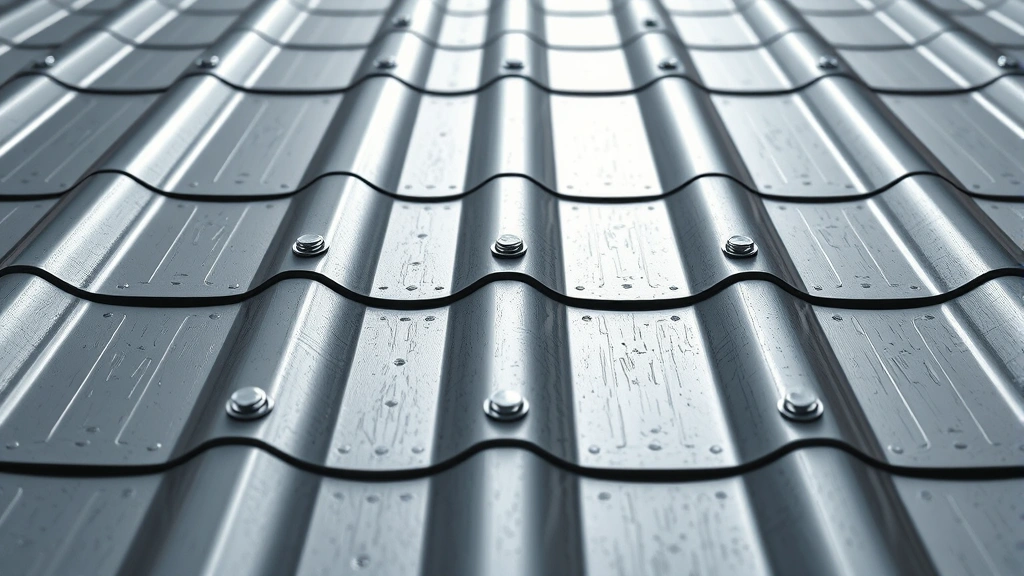
Metal frame construction is cheaper than traditional wood framing—usually $40 to $60 per square foot versus $60 to $85 for wood. The trade-off is aesthetic; metal looks more industrial, while wood gives that rustic barn vibe. Your roofing material matters too. A metal roof runs $8,000 to $15,000 for a 2,000-square-foot structure but lasts 40-70 years. Asphalt shingles cost $3,000 to $6,000 but need replacing every 15-20 years.
Interior Systems and Utilities
This is where barndominium costs explode if you’re not careful. Electrical, plumbing, HVAC, and insulation can easily run $30,000 to $60,000 depending on complexity. Here’s the breakdown:
Electrical: $8,000 to $15,000 for a 2,000-square-foot space. Running wire through open spaces is cheaper than retrofitting a finished home, which is a barndominium advantage.
Plumbing: $6,000 to $12,000. If you’re on a septic system (common in rural areas), add another $3,000 to $8,000. Well drilling runs $1,500 to $3,000 if municipal water isn’t available.
HVAC: $5,000 to $12,000. Open floor plans are harder to heat and cool evenly, so plan for zoning systems or multiple units. Ductwork in a barn structure is straightforward, though.
Insulation: $4,000 to $10,000. Don’t cheap out here—proper insulation (R-30 to R-38 in walls, R-49 to R-60 in ceilings) keeps your utility bills reasonable and makes the space livable year-round.
Finishing Touches Matter
Interior finishes—drywall, flooring, paint, fixtures—run $15,000 to $40,000. Drywall alone is $3,000 to $8,000 for labor and materials. Flooring varies wildly: concrete with epoxy sealer ($1,500-$3,000), polished concrete ($2,000-$4,000), wood or laminate ($4,000-$10,000), or tile ($5,000-$12,000).
Kitchens and bathrooms are the expensive zones. A basic kitchen with mid-range appliances and cabinetry runs $8,000 to $15,000. Bathrooms cost $3,000 to $8,000 each depending on fixtures and finishes. Paint and interior doors add another $2,000 to $5,000.
Labor Costs Explained
Labor typically accounts for 40-60% of your total barndominium cost. If you’re hiring contractors for everything, expect to pay $50 to $150 per hour depending on your region and the trade. Structural work (framing, roofing) requires licensed professionals—don’t DIY this unless you’re experienced. Electrical and plumbing often require permits and licensed contractors, especially if you’re financing the project.
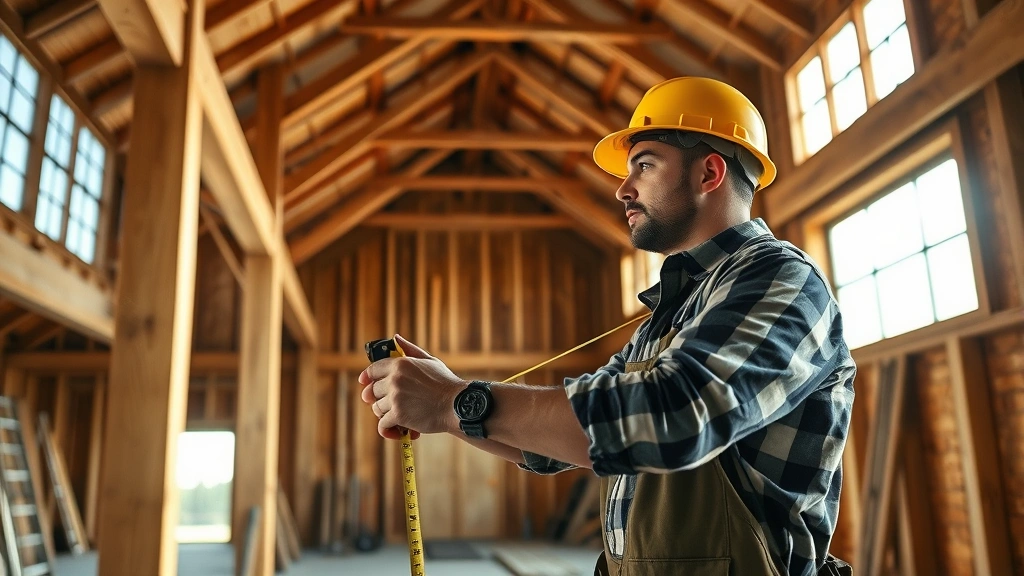
Here’s where sweat equity saves money: if you handle finishing work—painting, simple drywall, landscaping, some interior demolition—you can shave 10-20% off labor costs. Just be realistic about what you can actually do well. A botched electrical job is expensive to fix.
Regional Price Variations
Location matters enormously. A barndominium in rural Texas or Oklahoma might cost $100,000 to $200,000 total. The same build in Colorado or upstate New York could run $200,000 to $350,000. Coastal areas? Forget about it—you’re looking at $300,000 to $500,000+.
Labor rates vary by region. Rural areas have lower hourly rates but fewer contractors to choose from. Urban fringes have more competition (good for pricing) but higher labor costs overall. Permitting and inspection fees also vary—some rural counties are relaxed, others are strict. Budget $2,000 to $5,000 for permits and inspections.
Hidden Expenses to Budget
Barndominium builds always have surprises. Set aside 10-15% contingency on your total budget—that’s $15,000 to $45,000 for a $150,000 to $300,000 project. Common hidden costs include:
Site preparation: Clearing trees, grading, removing rocks—add $2,000 to $8,000.
Septic and well: If needed, these run $5,000 to $12,000 combined.
Driveway and parking: A gravel drive costs $500-$1,500; asphalt runs $2,000-$5,000 for a reasonable length.
Permits and inspections: $2,000 to $5,000 depending on your area.
Financing costs: Construction loans often charge higher interest rates. Budget 1-2% of your total project cost in interest and fees.
Smart Cost-Saving Strategies
Want to keep costs down? Here’s what actually works:
Use salvaged materials: Reclaimed wood, vintage doors, and architectural salvage add character and save money. Salvage yards and online marketplaces are goldmines.
Phased construction: Build the shell and basic utilities first, then finish interior spaces as budget allows. You’ll live in the space sooner and spread costs over time.
Simple floor plans: Complex layouts with lots of corners and walls cost more to frame, insulate, and finish. Open designs are cheaper and trendy anyway.
DIY what you can: Painting, landscaping, basic demolition, and finishing work are learnable. YouTube is your friend, but know your limits.
Shop materials aggressively: Get quotes from multiple suppliers. Buying in bulk or catching sales on appliances and fixtures saves 10-20%.
Off-season construction: Building in winter (slower season) sometimes means lower contractor rates.
Timeline and Budget Planning
A typical barndominium takes 6-12 months from foundation to move-in. Rushed timelines cost more—contractors charge premiums for expedited work. Plan for delays; weather, supply chain issues, and permit holdups are normal.
Create a detailed budget spreadsheet breaking down every category. Track expenses as you go. Use a construction manager or general contractor if you’re not experienced—they cost 10-15% of the project but prevent expensive mistakes. If you’re financing, work with a lender experienced in construction loans; they understand barndominium projects better than traditional mortgage lenders.
Frequently Asked Questions
What’s the average total cost to build a barndominium?
Most barndominiums cost $150,000 to $350,000 total, depending on size, location, and finishes. That’s roughly $75 to $150 per square foot—cheaper than traditional home construction but more than a basic barn.
Can you build a barndominium for under $100,000?
Yes, if you’re building small (under 1,500 square feet), doing significant DIY work, in a low-cost region, and keeping finishes simple. Expect basic utilities, minimal landscaping, and a longer timeline. It’s tight but doable.
Do I need special financing for a barndominium?
Yes. Traditional mortgage lenders often won’t touch barndominiums because they’re non-traditional. Look for construction loans, portfolio lenders, or agricultural lenders. Some credit unions specialize in this. Interest rates are typically 1-2% higher than conventional mortgages.
Is a barndominium a good investment?
That depends. In rural areas with strong demand for unique properties, yes. In areas where barndominiums are common or where traditional homes are cheaper, maybe not. Resale can be tricky—not everyone wants to live in a barn, no matter how cool it is.
What permits do I need?
It varies by county and state. Most require building permits, electrical permits, plumbing permits, and septic/well permits. Some areas have zoning restrictions on agricultural buildings used as residences. Check with your local building department before you buy land.
How long does a barndominium last?
With proper maintenance, 50+ years easily. Metal structures last longer than wood, but both are durable if you maintain them. Roofs, HVAC, and plumbing will need replacement or major repair within 15-30 years depending on quality.


